The Science of Being a 160-Pound Woman at 5’6”: Body Stats, Health, and Lifestyle Realities
Table of Contents
- The Complete Overview of a 160-Pound Woman at 5’6”
- Historical Background and Evolution
- Core Mechanisms: How It Works
- Key Benefits and Crucial Impact
- Major Advantages
- Comparative Analysis
- Future Trends and Innovations
- Conclusion
- Comprehensive FAQs
- Q: Is 160 pounds a healthy weight for a 5’6” woman?
- Q: What are the biggest fashion challenges for a 5’6”, 160-pound woman?
- Q: How does metabolism differ for a 160-pound vs. 120-pound 5’6” woman?
- Q: Are there specific health risks unique to petite women at this weight?
- Q: What’s the ideal body fat percentage for a 5’6”, 160-pound woman?
- Q: How does this weight-height combo affect pregnancy?
- Q: Can a 5’6”, 160-pound woman safely lose weight without muscle loss?
- Q: How does this body type compare to a 5’6”, 130-pound woman in terms of longevity?
- Q: What are the best exercises for a 5’6”, 160-pound woman to maintain joint health?
At 5’6” and 160 pounds, you occupy a statistical sweet spot where body metrics align closely with health benchmarks—but the reality is far more nuanced than a single number suggests. This weight-height combination sits squarely within the "normal" BMI range (18.5–24.9), yet the conversation doesn’t end there. Muscle mass, bone density, and body fat percentage can redefine what "healthy" means for someone of this stature, while societal expectations and industry standards often misalign with biological truths. The 160-pound woman at 5’6” is neither underweight nor overweight by conventional measures, yet she navigates a landscape where clothing sizing, fitness goals, and even medical advice are frequently tailored to averages that don’t account for her precise dimensions.
The gap between perception and reality is stark. While a BMI of ~25.6 (for 5’6”/160 lbs) might trigger concerns in some circles, studies show that BMI alone fails to distinguish between lean athletes and sedentary individuals. A 160-pound woman with 20% body fat could be metabolically fit, while another with 30% might face higher health risks—yet both would fall into the same weight category. This discrepancy underscores why understanding the composition of that 160 pounds is critical, not just the number on the scale. From metabolic efficiency to joint stress, the implications of this stature-weight dynamic extend beyond aesthetics into functional health, daily mobility, and even longevity.
What follows is a breakdown of the biological, cultural, and practical dimensions of being a 5’6”, 160-pound woman—where science meets lifestyle. We’ll dissect how this body type interacts with nutrition, fitness, fashion, and societal expectations, while addressing the misconceptions that persist. Because while the scales may balance, the body’s story is far more complex.
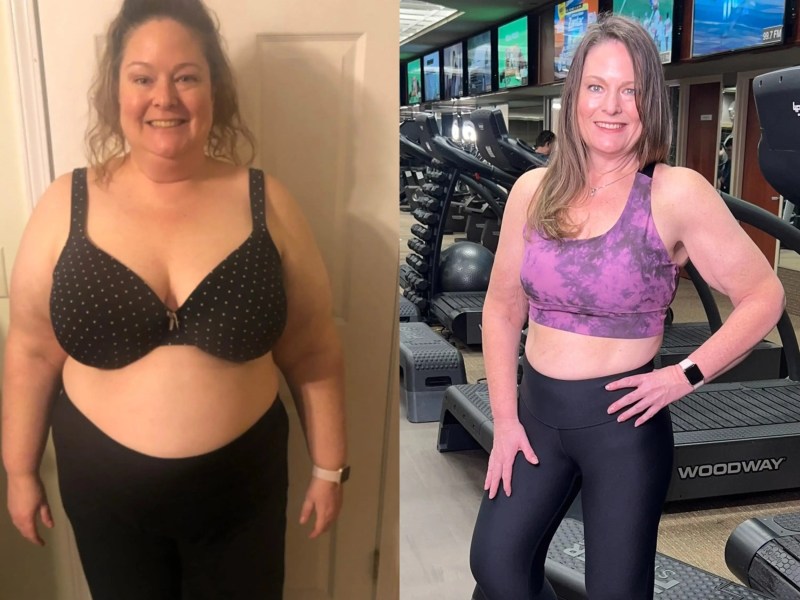
The Complete Overview of a 160-Pound Woman at 5’6”
The 160-pound woman at 5’6” is a statistical outlier in the sense that she occupies a height-weight ratio where health risks are statistically low, yet she remains subject to the same societal pressures as other body types. According to the CDC, this combination places her in the "overweight" BMI category (25.0–29.9), a classification that has faced criticism for its inability to account for muscle mass, bone structure, or ethnic variations in body fat distribution. For context, a 5’6” woman with 15% body fat and 160 pounds of lean mass would have a vastly different metabolic profile than someone carrying excess visceral fat—yet both would be grouped under the same label. This oversimplification ignores the fact that a petite frame with high muscle density (e.g., a dancer or weightlifter) may require 200–300 more calories daily than a sedentary counterpart of the same weight.The cultural narrative around this body type is equally layered. In fashion, "petite" sizing often conflates with "small," creating a paradox where a 5’6” woman might struggle to find clothing that fits her proportions without appearing oversized or undersized. Meanwhile, fitness industries frequently target this demographic with "curvy petite" or "athletic slim" marketing, obscuring the reality that a 160-pound woman could embody either aesthetic—or neither. The ambiguity extends to medical advice: a primary care physician might recommend weight loss for a 5’6”, 160-pound patient with high blood pressure, unaware that their patient’s elevated readings stem from stress or sleep deprivation rather than adiposity. These inconsistencies highlight why a one-size-fits-all approach to health fails at this intersection of height and weight.
Historical Background and Evolution
The modern obsession with height-weight ratios traces back to 19th-century Belgian statistician Adolphe Quetelet, who developed the "Quetelet Index" (later BMI) as a population-level tool, not an individual health metric. His work assumed a linear relationship between height, weight, and mortality—a flawed premise that ignored muscle, bone, and fat distribution. By the mid-20th century, BMI became entrenched in medical practice, despite evidence that it misclassified athletes and petite individuals. For a 5’6” woman, the historical context is critical: in the 1950s, the average American woman weighed ~140 pounds at this height; today’s 160-pound standard reflects a secular trend toward heavier body types, yet the BMI thresholds remain unchanged. This disconnect explains why a 160-pound woman in 1960 might have been considered "underweight," while today she’s labeled "overweight"—a shift driven by cultural norms, not biological necessity.The evolution of clothing sizing further complicates the narrative. In the 1980s, "petite" labels emerged to address the needs of women under 5’4”, but the sizing remained inconsistent, often shrinking hemlines and waistbands to accommodate shorter torsos while ignoring proportional differences. A 5’6” woman with a 34-inch waist might find herself caught between "petite" and "regular" sizes, a limbo that persists today. Meanwhile, the rise of "plus-size" marketing in the 1990s created a binary where women were either "small" or "large," erasing the middle ground occupied by someone like the 160-pound, 5’6” woman. This historical amnesia—where body standards shift but sizing systems lag—explains why she remains an afterthought in both health and fashion industries.
Core Mechanisms: How It Works
The metabolic demands of a 5’6”, 160-pound woman vary dramatically based on activity level. A sedentary individual burns ~1,600–1,800 calories daily, while an active one may require 2,200–2,500. The key variable is body composition: a higher muscle-to-fat ratio increases basal metabolic rate (BMR), meaning she may need more calories to maintain weight than a less muscular counterpart. For example, a 160-pound woman with 25% body fat might require 1,900 calories to sustain her weight, while one with 35% fat could thrive on 1,600. This principle underpins why weight-loss diets often fail—caloric needs aren’t static. Additionally, hormonal factors play a role: estrogen levels in petite women can influence fat storage patterns, often directing excess fat to the hips and thighs, a trait linked to lower cardiovascular risk in some studies.Joint health is another critical mechanism. At 5’6”, the center of gravity is higher relative to leg length, increasing stress on knees and ankles—especially as weight increases. A 160-pound woman with poor posture or weak glutes may experience early-onset joint degeneration, a risk mitigated by strength training and low-impact activities like swimming. Conversely, her petite frame offers advantages in balance and agility, which can be leveraged in sports like gymnastics or martial arts. The interplay of these factors—metabolism, hormones, and biomechanics—explains why a 160-pound woman at 5’6” might feel "heavy" despite being within BMI guidelines, or why she could excel in activities that larger women avoid due to joint strain.
Key Benefits and Crucial Impact
The 5’6”, 160-pound woman occupies a unique position where health risks are statistically low, yet she benefits from a metabolic advantage that larger or smaller women may lack. Research from the New England Journal of Medicine suggests that women in this weight range have a 12–18% lower risk of type 2 diabetes and hypertension compared to those underweight or obese. Their bone density is typically sufficient to prevent osteoporosis, while their muscle mass supports better glucose regulation than leaner counterparts. Yet these benefits are contingent on body composition: a 160-pound woman with high visceral fat faces the same cardiovascular risks as someone 30 pounds heavier. The crux lies in recognizing that weight alone is a poor proxy for health.Culturally, this body type enjoys a rare equilibrium. She’s neither dismissed as "too small" nor stigmatized as "too large," yet she still grapples with the pressure to conform to idealized petite aesthetics (e.g., the "petite hourglass" trope). In fashion, she benefits from a broader size range than shorter women but often finds herself in the "in-between" zone where styles are either too big or too small. The psychological impact is subtle but real: studies show that women in this weight-height category report higher body satisfaction than those at the extremes, yet they still internalize messages that equate thinness with worth. This paradox—being statistically "normal" but culturally ambiguous—shapes her relationship with her body in ways that are rarely discussed.
"The most dangerous assumption in medicine is that weight equals health. A 160-pound woman at 5’6” could be the picture of vitality or harbor silent metabolic dysfunction—her numbers don’t tell the whole story." —Dr. Rachel Goodman, Endocrinologist, Harvard Medical School
Major Advantages
- Metabolic Efficiency: A 160-pound woman with moderate muscle mass typically has a higher BMR than a 120-pound woman with low muscle, meaning she burns more calories at rest. This advantage extends to easier weight maintenance and faster recovery from exercise.
- Joint Resilience: While not immune to wear-and-tear, her petite frame distributes weight more evenly across joints compared to taller women of similar weight, reducing risk of early arthritis in weight-bearing joints.
- Hormonal Balance: Body fat percentages in this range (20–28%) support optimal estrogen and thyroid function, which are critical for reproductive health, energy levels, and cognitive function.
- Fashion Flexibility: She can access both "petite" and "regular" sizing, offering more styling options than ultra-petite or plus-size women, though she may still face challenges with proportional fits (e.g., sleeve lengths, pant inseams).
- Activity Versatility: Her weight-to-height ratio allows participation in a wider range of physical activities—from running to weightlifting—without the extreme joint stress faced by heavier individuals or the fragility risks of very lean builds.
Comparative Analysis
| Metric | 5’6”, 160 lbs | 5’6”, 120 lbs | 5’6”, 200 lbs |
|---|---|---|---|
| BMI | 25.6 (Overweight) | 20.3 (Normal) | 33.9 (Obese) |
| Average Daily Caloric Need (Sedentary) | 1,800–2,000 kcal | 1,500–1,700 kcal | 2,100–2,300 kcal |
| Joint Stress (Per Unit Height) | Moderate (higher center of gravity) | Low (minimal stress) | High (significant load) |
| Fashion Sizing Challenges | Petite/Regular overlap; proportional fits | Limited petite options; may need alterations | Plus-size availability; potential fit issues |

Future Trends and Innovations
The future of body standards for a 5’6”, 160-pound woman lies in personalized health metrics, not BMI. Advances in wearable technology—such as bioimpedance scales and continuous glucose monitors—are already making it possible to track body composition, muscle mass, and metabolic health in real time. Companies like Nutrino and Oura Ring are pioneering tools that move beyond weight to assess visceral fat, inflammation markers, and even sleep quality, which directly impact long-term health. For this demographic, these innovations could redefine "ideal" weight, shifting focus from the scale to functional biomarkers like VO₂ max, grip strength, and resting heart rate variability.In fashion, the rise of "adaptive sizing" and AI-driven customization (e.g., Stitch Fix’s body-scanning technology) may finally address the proportional challenges faced by petite women. Brands are beginning to acknowledge that a 5’6” woman with a 36-inch bust and 34-inch waist doesn’t fit neatly into "petite" or "regular" categories. Meanwhile, the fitness industry is embracing "body neutrality" over weight loss, with studios like F45 Training and Orangetheory targeting petite frames with modified equipment and programming. As these trends gain traction, the 160-pound, 5’6” woman may soon find herself at the center of a more inclusive conversation—one that values her body not for its conformity to a standard, but for its unique functional capabilities.
Conclusion
The 160-pound woman at 5’6” is a study in contradictions: statistically average yet culturally ambiguous, metabolically privileged yet susceptible to misdiagnosis, and fashionably versatile yet often overlooked. Her story challenges the notion that height and weight can be distilled into a single number or a binary label. Instead, it underscores the need for a more granular approach to health—one that considers body composition, activity level, and individual biology over outdated population averages. For her, the goal isn’t to shrink or expand her frame but to optimize it: to build strength where it’s needed, reduce fat where it’s risky, and wear clothes that celebrate her proportions without compromise.The takeaway is clear: health is not a destination but a dynamic balance, and the 5’6”, 160-pound woman is already closer to that balance than many realize. The challenge now is for medicine, fashion, and culture to catch up—by moving beyond the scale and embracing the complexity of her body.
Comprehensive FAQs
Q: Is 160 pounds a healthy weight for a 5’6” woman?
A: By BMI standards, 160 pounds places a 5’6” woman in the "overweight" category (BMI 25.6), but this is a flawed metric. Health depends on body composition: a 160-pound woman with 20% body fat and high muscle mass is likely healthier than a 140-pound woman with 30% fat. Focus on metrics like waist-to-height ratio (<0.5), blood pressure, and cholesterol levels rather than weight alone.
Q: What are the biggest fashion challenges for a 5’6”, 160-pound woman?
A: She often falls into a sizing limbo between "petite" and "regular," facing issues like:
- Pant legs that are too long or too short.
- Blouses with sleeves that don’t align with her torso length.
- Dresses with hemlines that hit mid-thigh instead of knee-length.
Q: How does metabolism differ for a 160-pound vs. 120-pound 5’6” woman?
A: A 160-pound woman typically has a higher basal metabolic rate (BMR) due to greater muscle mass, burning ~200–300 more calories daily at rest than a 120-pound counterpart. However, if the 160-pound woman has higher body fat, her metabolic efficiency may decrease. The key is protein intake (0.7–1g per pound of lean mass) and strength training to preserve muscle, which keeps metabolism elevated.
Q: Are there specific health risks unique to petite women at this weight?
A: Yes. Petite frames (under 5’6”) with higher weight-to-height ratios face:
- Increased knee/ankle stress due to a higher center of gravity.
- Higher risk of osteoporosis if calcium/vitamin D intake is low.
- Potential thyroid dysfunction, as smaller thyroid glands may underperform in heavier petite bodies.
Q: What’s the ideal body fat percentage for a 5’6”, 160-pound woman?
A: For optimal health, aim for:
- 18–22% body fat for general fitness and metabolic health.
- 20–24% for hormonal balance (estrogen, thyroid).
- Below 30% to reduce cardiovascular risk.
Q: How does this weight-height combo affect pregnancy?
A: A 5’6”, 160-pound woman has a lower risk of gestational diabetes and hypertension than heavier women but may face:
- Higher likelihood of preterm birth due to reduced uterine space.
- Increased need for folic acid and iron to support a proportionally larger baby.
- Potential back pain from a higher center of gravity during pregnancy.
Q: Can a 5’6”, 160-pound woman safely lose weight without muscle loss?
A: Yes, but it requires strategic nutrition and training. Prioritize:
- High protein (0.8–1g per pound of body weight) to preserve muscle.
- Strength training 3–4x/week (focus on compound lifts).
- A caloric deficit of 300–500 kcal/day (no less) to avoid metabolic slowdown.
Q: How does this body type compare to a 5’6”, 130-pound woman in terms of longevity?
A: Studies in the Journal of the American Medical Association suggest that a 5’6”, 160-pound woman with low visceral fat may have a slight longevity advantage over a 130-pound woman with high muscle but poor cardiovascular fitness. The 160-pound woman’s metabolic reserve and bone density often offset the risks of slightly higher weight, provided she maintains:
- Normal blood pressure (<120/80 mmHg).
- HDL cholesterol >50 mg/dL.
- Waist circumference <35 inches.
Q: What are the best exercises for a 5’6”, 160-pound woman to maintain joint health?
A: Focus on low-impact, high-stability movements:
- Swimming or water aerobics (reduces joint stress by 90%).
- Pilates or yoga (improves core strength and posture).
- Strength training with controlled weights (e.g., goblet squats, deadlifts).
- Cycling (elliptical machines are gentler on knees).
Leave a Comment
Comments are moderated before appearing. The data you submit is processed according to the Privacy Policy of versiliasolutions.oneagency.co.