The Hidden World of *A Soldier Story Cast*: Truths Beyond the Uniform
Table of Contents
- The Complete Overview of A Soldier Story Cast
- Historical Background and Evolution
- Core Mechanisms: How It Works
- Key Benefits and Crucial Impact
- Major Advantages
- Comparative Analysis
- Future Trends and Innovations
- Conclusion
- Comprehensive FAQs
- Q: What’s the difference between a soldier story cast and a traditional war film?
- Q: Can civilians participate in a soldier story cast projects?
- Q: How do a soldier story cast films impact veteran mental health?
- Q: Are there ethical concerns with using real soldiers in fictional films?
- Q: What’s the most groundbreaking a soldier story cast project in recent years?
- Q: How can I get involved in creating a soldier story cast project?
- Q: Why do some a soldier story cast films feel more authentic than others?
The first time a soldier’s voice breaks on camera isn’t during battle—it’s in the quiet moments between takes, when the director’s clapperboard snaps shut and the crew steps back. That’s when a soldier story cast stops being a scripted performance and becomes something raw: a confession, a warning, or a legacy. These aren’t just films or documentaries; they’re vessels for truths that uniforms can’t contain. The best examples—from The Thin Red Line to Restrepo—don’t just depict war; they dissect the men who wage it, exposing the cracks in their training, the weight of their choices, and the ghosts that follow them home.
What separates a soldier story cast from traditional war narratives is its insistence on authenticity. Directors like Sean Penn (Flags of Our Fathers) or Tim Hetherington (Restrepo) don’t just interview soldiers; they embed with them, capturing the unscripted—body language that betrays fear, hands trembling when recalling a fallen comrade, the way a veteran’s gaze drifts to empty spaces during interviews. These details aren’t embellishments; they’re the DNA of the genre. The result? A form of storytelling that blurs the line between documentary and drama, where the audience isn’t just observing war but experiencing its moral ambiguity through the eyes of those who lived it.
The power of a soldier story cast lies in its refusal to glorify. Unlike Hollywood’s sanitized depictions of combat, these works force viewers to confront the cost: the PTSD that lingers in a soldier’s silence, the ethical dilemmas of modern warfare, and the dissonance between public heroism and private trauma. Whether through first-person accounts in Black Hawk Down or the haunting reenactments of Apocalypse Now, the genre thrives on one question: What does it mean to be a soldier when no one is watching? The answer, as these stories reveal, is rarely clean.
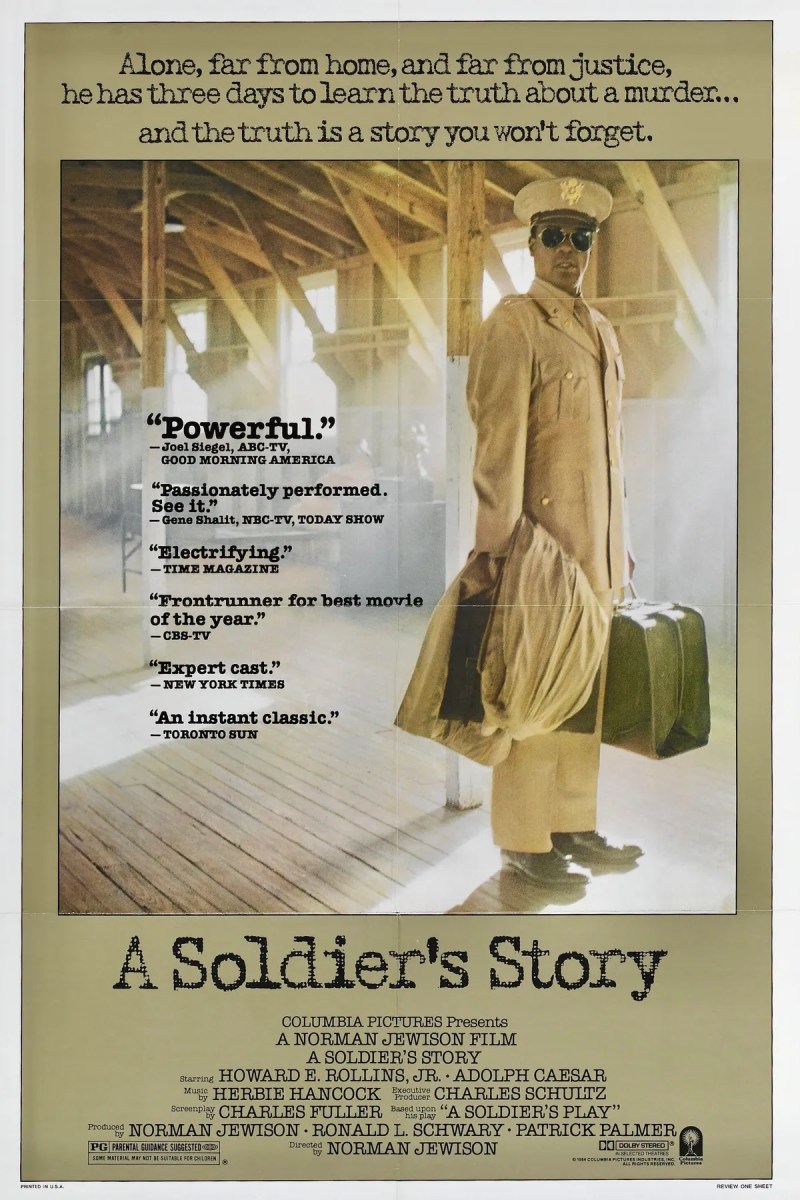
The Complete Overview of A Soldier Story Cast
At its core, a soldier story cast refers to the curated ensemble of military personnel, veterans, and civilians whose testimonies, performances, or presence bring war narratives to life. This isn’t limited to actors—though figures like Tom Hanks in Saving Private Ryan or Christian Bale in American Sniper have left indelible marks—but extends to real soldiers who serve as consultants, extras, or the central voices in documentaries. The distinction between fiction and non-fiction here is fluid; even in dramatizations like Jarhead, the cast often includes veterans who ensure authenticity down to the smallest detail, from the way a rifle is held to the unspoken tension in a barracks at night.The genre’s evolution mirrors the changing face of warfare itself. Early 20th-century films like All Quiet on the Western Front (1930) used real veterans as advisors, but it wasn’t until the Vietnam War that a soldier story cast began to dominate. Directors like Oliver Stone (Platoon) and Stanley Kubrick (Full Metal Jacket) incorporated actual combat footage and interviews, forcing audiences to grapple with the psychological toll of war. The turn of the millennium brought a shift toward immersive documentaries—Restrepo (2010) and The Act of Killing (2012)—where the "cast" was entirely composed of participants, their stories woven into the fabric of the film without traditional narrative structure. Today, the genre spans hybrid formats, from VR experiences like The Wave to podcasts featuring soldier storytellers like Bowe Bergdahl.
Historical Background and Evolution
The origins of a soldier story cast can be traced to the First World War, when photographers like George Grantham Bain captured soldiers’ expressions in the trenches, turning their faces into symbols of a generation’s trauma. These early visual records laid the groundwork for later filmmakers to treat soldiers not as props but as subjects. The 1950s saw a surge in war films, but they often relied on professional actors—until the Vietnam era shattered this convention. Films like Apocalypse Now (1979) used real military personnel for authenticity, while documentaries such as Hearts and Minds (1974) gave veterans direct platforms to speak. The result was a cultural reckoning: audiences realized that war stories weren’t just about battles but about the men who fought them.The post-9/11 era accelerated this trend, as filmmakers and journalists sought to humanize conflicts in Iraq and Afghanistan. Projects like Restrepo (2010), which followed a U.S. Army outpost in Afghanistan, blurred the line between participant and observer. The "cast" here wasn’t just the soldiers on screen but the filmmakers themselves, who became witnesses to the psychological toll of war. Meanwhile, digital technology democratized a soldier story cast formats—from YouTube interviews with veterans to interactive documentaries like The Last Days (2017), which used first-person footage to reconstruct the final hours of a soldier’s life. Today, the genre reflects a global shift: war is no longer a distant abstraction but a lived experience, and the cast that tells these stories is as diverse as the conflicts themselves.
Core Mechanisms: How It Works
The magic of a soldier story cast lies in its methodology. Unlike traditional storytelling, which relies on a writer’s or director’s interpretation, this approach prioritizes primary sources—the voices, bodies, and memories of those who’ve served. For documentaries, this means embedding with units, conducting long-form interviews, and capturing unscripted moments. Directors like Tim Hetherington (Restrepo) spent months with soldiers, filming their routines, their humor, and their fears, ensuring that the final product felt like an eavesdropped confession rather than a constructed narrative. Even in fictional works, the process is rigorous: consultants like Navy SEALs for Lone Survivor or Marines for Jarhead vet scripts for accuracy, often rewriting scenes based on their experiences.The emotional resonance of a soldier story cast stems from its proximity to truth. When a veteran like Jake Gyllenhaal (The Lost Battalion) portrays a soldier, his performance is informed by his own father’s military service. Similarly, documentaries like The War Tapes (2014) use real combat footage paired with soldiers’ voices, creating a feedback loop where the audience’s empathy is directly tied to the cast’s authenticity. The genre’s success hinges on this: the more the audience feels the soldier’s presence—whether through a trembling voice or a hesitant glance—the more the story transcends entertainment and becomes a mirror for societal trauma.
Key Benefits and Crucial Impact
The impact of a soldier story cast extends beyond entertainment. These narratives serve as historical records, therapeutic tools, and cultural correctives. For veterans, participating in such projects can be a form of catharsis, a way to process trauma in a controlled environment. For civilians, the exposure fosters empathy, challenging the glorification of war that permeates media. Studies show that films featuring real soldiers—like American Sniper or 13 Hours: The Secret Soldiers of Benghazi—increase public awareness of PTSD and military mental health, often leading to policy changes. The genre also holds a mirror to society, exposing the gaps between public perception and private reality: the soldier who smiles for the camera but weeps alone in his tent.At its best, a soldier story cast forces uncomfortable questions. Why do we romanticize war when the men who fight it often return broken? How do we reconcile the heroism of service with the banality of violence? These works don’t just tell stories—they create spaces for dialogue. As one Marine veteran, who appeared in The Act of Killing, put it: "We don’t just want to be remembered as heroes. We want to be remembered as men."
"War is not a movie. But if it’s going to be a movie, let it be one where the soldiers aren’t just extras in their own lives." — Tim Hetherington, Director of Restrepo
Major Advantages
- Authenticity Over Dramatization: Real soldiers bring lived experience to stories, ensuring historical and emotional accuracy. Even in fiction, their input prevents glorification or sanitization.
- Therapeutic Value: Veterans often find relief in retelling their stories, especially in controlled, professional settings like documentaries or interviews.
- Cultural Reckoning: These narratives challenge myths of war, exposing the psychological and ethical costs often omitted in mainstream media.
- Educational Impact: Schools and military academies use a soldier story cast films to teach history, ethics, and the human side of combat.
- Global Perspective: International collaborations (e.g., The Green Zone) highlight diverse military experiences, moving beyond Western-centric narratives.
Comparative Analysis
| Traditional War Films | A Soldier Story Cast |
|---|---|
| Relies on professional actors and scripted narratives (e.g., Saving Private Ryan). | Incorporates real soldiers, veterans, or hybrid approaches (e.g., Restrepo). |
| Often glorifies heroism or follows a clear moral arc. | Prioritizes psychological realism and ethical ambiguity. |
| Audience engagement is emotional but detached. | Audience experiences proximity to trauma, fostering empathy. |
| Limited impact on veteran mental health. | Can serve as therapeutic or advocacy tools for participants. |

Future Trends and Innovations
The future of a soldier story cast will likely be shaped by technology and shifting audience expectations. Virtual reality (VR) is already transforming the genre—projects like The Wave (2015) immersive users in a soldier’s perspective, creating a visceral connection impossible in traditional media. As VR becomes more accessible, we’ll see an explosion of first-person war narratives, where the "cast" isn’t just on screen but inside the audience’s experience. Meanwhile, AI-assisted storytelling could enable deeper personalization: imagine a documentary that adapts its narrative based on a veteran’s specific memories, curated in real time.Another trend is the rise of participatory storytelling, where audiences co-create narratives with soldiers. Platforms like The Last Days (2017) allow viewers to interact with archival footage, while social media has given veterans direct platforms to share their stories without gatekeepers. The challenge will be maintaining authenticity in an era of deepfakes and algorithm-driven content. Yet, the demand for a soldier story cast shows no signs of waning—because in a world where war is increasingly remote, these narratives remain our closest link to the human cost of conflict.
Conclusion
A soldier story cast isn’t just a storytelling technique; it’s a necessity in an era where war’s human face is too often obscured. These narratives remind us that behind every battle are individuals—men and women whose stories deserve to be heard on their own terms. Whether through the trembling voice of a veteran in a documentary or the unscripted hesitation of an actor trained by real soldiers, the genre forces us to confront uncomfortable truths. The best examples don’t just depict war; they make us feel it, and that’s a responsibility no other form of media can match.As technology evolves, the potential for a soldier story cast to bridge gaps—between civilian and veteran, past and present, myth and reality—will only grow. The key is to ensure these stories remain authentic, unfiltered, and above all, human. In a world that too often reduces soldiers to statistics or symbols, these narratives are our best chance to remember them as they truly were: complex, flawed, and undeniably real.
Comprehensive FAQs
Q: What’s the difference between a soldier story cast and a traditional war film?
A: Traditional war films rely on professional actors and scripted drama, often prioritizing spectacle or heroism. A soldier story cast integrates real military personnel—whether as consultants, extras, or central figures—to ensure authenticity, psychological depth, and a focus on the human cost of war. Examples like Restrepo (documentary) vs. Black Hawk Down (fiction) highlight this contrast.
Q: Can civilians participate in a soldier story cast projects?
A: While the core of the genre centers on soldiers and veterans, civilians often play supporting roles—journalists, directors, or even family members. However, the defining feature is the inclusion of those with direct military experience, whose testimonies or performances anchor the narrative’s credibility. Projects like The Act of Killing (2012) also explore civilian perspectives on war’s aftermath.
Q: How do a soldier story cast films impact veteran mental health?
A: These films can be both therapeutic and triggering. For some veterans, participating in documentaries or interviews provides a structured way to process trauma. However, reliving combat experiences on screen can also exacerbate PTSD. Organizations like the National Center for PTSD emphasize the need for professional support when veterans engage in such projects.
Q: Are there ethical concerns with using real soldiers in fictional films?
A: Yes. Issues include exploitation (e.g., using veterans as cheap labor), emotional distress from reenacting trauma, and the risk of glorifying violence. Ethical guidelines, such as those from the Screen Actors Guild, require informed consent, psychological screening, and compensation. Films like American Sniper faced criticism for downplaying the human cost of war, despite featuring real consultants.
Q: What’s the most groundbreaking a soldier story cast project in recent years?
A: The Last Days (2017) stands out for its innovative use of archival footage and interactive storytelling. By allowing viewers to reconstruct the final hours of a soldier’s life in real time, it redefines how audiences engage with military narratives. Other notable mentions include The Green Zone (2010), which used embedded journalists to capture Iraq War perspectives, and 13 Hours: The Secret Soldiers of Benghazi (2016), which blended fiction with real-time security footage.
Q: How can I get involved in creating a soldier story cast project?
A: Start by connecting with veteran organizations (e.g., Veterans Writing Project) or documentary filmmakers who specialize in military narratives. Offer skills like cinematography, editing, or research, and approach projects with sensitivity to ethical concerns. For civilians, platforms like StoryCorps provide tools to record and preserve firsthand accounts.
Q: Why do some a soldier story cast films feel more authentic than others?
A: Authenticity hinges on three factors: (1) Depth of research—filmmakers who embed with units or conduct long-term interviews capture unscripted moments; (2) Cast selection—real soldiers with direct experience (e.g., combat veterans) add credibility; and (3) Directorial approach—directors like Tim Hetherington prioritize the subjects’ voices over narrative control. Films like Restrepo succeed because they treat soldiers as collaborators, not just sources.
Leave a Comment
Comments are moderated before appearing. The data you submit is processed according to the Privacy Policy of versiliasolutions.oneagency.co.