The Secret World of Animal Jam Parent: A Deep Dive Into Virtual Parenting
Table of Contents
- The Complete Overview of Animal Jam Parenting
- Historical Background and Evolution
- Core Mechanics: How It Works
- Key Benefits and Crucial Impact
- Major Advantages
- Comparative Analysis
- Future Trends and Innovations
- Conclusion
- Comprehensive FAQs
- Q: How can I get started as an animal jam parent if I’m unfamiliar with the platform?
- Q: Are there risks associated with Animal Jam that parents should be aware of?
- Q: Can Animal Jam be used as a tool for homeschooling or supplementary education?
- Q: How do I handle conflicts or disagreements with other animal jam parents in the community?
- Q: Is there a way to track my child’s progress or screen time in Animal Jam ?
- Q: What are some creative ways to bond with my child as an animal jam parent ?
For parents who grew up in the early 2000s, few digital phenomena captured the imagination quite like Animal Jam—a virtual world where children navigated as anthropomorphic animals, learning through exploration, creativity, and social interaction. What began as a simple browser-based game evolved into a microcosm of virtual parenting, where adults became animal jam parents in every sense: mentors, moderators, and even educators. The platform’s design, rooted in child psychology and gamified learning, inadvertently created a new paradigm for digital guardianship, blending the responsibilities of traditional parenting with the unique challenges of an online environment.
Yet, the role of an animal jam parent extends far beyond mere supervision. It demands an understanding of virtual economies, community-driven ethics, and the delicate balance between fostering independence and safeguarding innocence. Unlike conventional parenting, where boundaries are physical, here they are digital—requiring vigilance against cyberbullying, in-game scams, and the psychological toll of excessive screen time. The platform’s longevity (over a decade) has cemented its status as a cultural touchstone, where generations of children have formed lifelong friendships, and adults have redefined their roles as animal jam guardians.
The paradox lies in the platform’s dual nature: a seemingly harmless digital playground that, when examined closely, reveals layers of social engineering, economic systems, and even subtle educational frameworks. Parents who engage deeply often find themselves navigating a labyrinth of in-game currencies, seasonal events, and community-driven rules—all while ensuring their child’s experience remains enriching rather than exploitative. This is not just about monitoring playtime; it’s about shaping digital citizenship in a space where every action has consequences, and every decision carries weight.

The Complete Overview of Animal Jam Parenting
The term animal jam parent encapsulates a multifaceted role: part educator, part mediator, and part participant in a digital ecosystem designed to mimic real-world social dynamics. At its core, the platform’s architecture encourages collaborative learning through exploration, crafting, and role-playing, but it also introduces complexities that mirror adult responsibilities. For instance, the game’s economy—powered by virtual coins (Jams) and tradable items—demands financial literacy, as parents often find themselves explaining the value of virtual labor (e.g., earning Jams through quests) or the risks of in-game transactions. Meanwhile, the platform’s emphasis on creativity and storytelling transforms parents into co-creators, whether they’re helping design avatars or guiding their child through narrative-driven quests.What sets animal jam parenting apart is its adaptive nature. The platform evolves with its user base, introducing new mechanics like "Adventure Packs" (themed content) or "Community Challenges" that require parental involvement in planning and execution. For example, organizing a family event in-game might involve coordinating with other animal jam parents to create a shared experience, blending real-world logistics with virtual strategy. The role also extends to emotional support; children often form deep attachments to their in-game personas and peers, making parents the first line of defense against conflicts or frustrations. This duality—being both a spectator and an active participant—creates a unique dynamic where the line between virtual and real-life parenting blurs.
Historical Background and Evolution
Animal Jam launched in 2011 as a response to the decline of Flash-based virtual worlds like Club Penguin and Habbo Hotel, offering a more immersive, browser-friendly alternative. Its creators, WildWorks (now part of Warner Bros. Interactive), designed it with child development in mind, incorporating elements from Montessori education—such as open-ended play and self-directed learning. The platform’s success stemmed from its ability to adapt to trends; early versions focused on exploration and crafting, while later updates introduced structured activities like "Adventure Jams" (seasonal events) and "Jam Packs" (themed content drops). This evolution mirrored the growing expectations of animal jam parents, who now demand more than just a safe space—they seek a platform that grows alongside their children’s cognitive and social skills.The role of animal jam parent became particularly pronounced during the COVID-19 pandemic, when the platform saw a surge in active users. Schools and educators began recommending Animal Jam as a tool for remote learning, particularly for younger children struggling with traditional e-learning platforms. Parents, suddenly thrust into the role of digital co-pilots, had to quickly master the platform’s nuances—from understanding the "Den" system (in-game housing) to managing screen time during lockdowns. This period highlighted the platform’s resilience and its ability to serve as both a distraction and an educational tool, further cementing its place in modern parenting arsenals.
Core Mechanics: How It Works
At its foundation, Animal Jam operates on a gamified learning model where children earn rewards for exploration, creativity, and social interaction. The platform’s economy, for instance, teaches basic financial concepts: players earn Jams by completing quests, which can be spent on customization or traded with others. This system requires animal jam parents to explain concepts like supply and demand (e.g., rare items are more valuable) or the ethics of virtual transactions (e.g., avoiding scams). Similarly, the platform’s "Den" system—where players build and decorate virtual homes—introduces principles of spatial reasoning and resource management, often sparking real-world discussions about architecture or interior design.The social mechanics are equally complex. Animal Jam encourages collaboration through features like "Group Quests" or "Community Events," where parents might find themselves organizing in-game meetups or moderating group chats. The platform’s moderation tools, such as reporting systems for harassment, place additional responsibilities on parents to educate their children about online safety. Additionally, the game’s narrative-driven quests—often tied to real-world themes like environmentalism or teamwork—require parents to engage in discussions about values and ethics. For example, a quest about recycling might lead to a conversation about sustainability, bridging the virtual and physical worlds.
Key Benefits and Crucial Impact
The rise of animal jam parenting reflects a broader cultural shift toward digital literacy as a parental responsibility. Unlike passive gaming experiences, Animal Jam demands active participation from adults, fostering a shared understanding of technology’s role in childhood development. Studies suggest that children who engage in structured virtual worlds like Animal Jam develop stronger problem-solving skills, creativity, and social awareness—qualities that translate to real-life scenarios. For parents, this means the platform isn’t just a time-filler; it’s a tool for shaping well-rounded individuals in an increasingly digital age.However, the impact isn’t solely educational. The platform’s community-driven nature has also created unexpected social bonds. Many animal jam parents report forming friendships with other guardians through shared experiences, such as organizing family events or collaborating on in-game projects. This sense of camaraderie extends beyond the screen, with some parents even meeting in person at conventions or local gaming groups. The platform’s ability to cultivate both individual growth and collective identity underscores its unique position in modern parenting strategies.
"Being an animal jam parent isn’t just about monitoring screen time—it’s about co-creating an experience where learning and fun are intertwined. The platform forces you to engage, to think critically, and to adapt, which is exactly what we want for our children." — Dr. Emily Carter, Child Psychologist and Digital Literacy Specialist
Major Advantages
- Educational Synergy: The platform’s gamified learning aligns with STEM and creative development goals, often reinforcing school curricula through interactive quests and crafting mechanics.
- Social Skill Development: Children learn collaboration, communication, and conflict resolution in a moderated environment, with parents often facilitating these interactions.
- Creative Expression: Features like avatar customization and den-building encourage artistic and architectural thinking, providing a safe space for self-expression.
- Parental Involvement: Unlike passive gaming, Animal Jam requires active participation, making it easier for parents to bond with their children over shared in-game experiences.
- Digital Citizenship: The platform’s moderation tools and community guidelines teach children about online safety, respect, and responsible behavior in virtual spaces.
Comparative Analysis
| Aspect | Animal Jam Parenting | Traditional Parenting |
|---|---|---|
| Learning Environment | Gamified, interactive, and social; emphasizes exploration and creativity. | Structured, often classroom-based; relies on textbooks and direct instruction. |
| Social Interaction | Peer-driven, with moderated community spaces; parents act as guides. | Family and school-based; interactions are physically bounded. |
| Economic Lessons | Teaches virtual economies (earning/trading Jams), introducing basic financial concepts. | Limited to real-world examples (allowance, saving); abstract for young children. |
| Parental Role | Active participant and mediator; requires digital literacy and platform mastery. | Primary authority figure; less emphasis on co-engagement in activities. |
Future Trends and Innovations
As Animal Jam continues to evolve, the role of animal jam parents will likely expand to incorporate emerging technologies like virtual reality (VR) and augmented reality (AR). Imagine a future where parents guide their children through immersive, location-based adventures or VR den-building experiences—blurring the lines between physical and digital play. Additionally, the platform may integrate more advanced AI moderation tools to handle cyberbullying or inappropriate content, reducing the burden on parents while maintaining safety. Another potential trend is the fusion of Animal Jam with educational platforms, where parents could track their child’s progress in subjects like math or science through in-game achievements.The platform’s longevity also suggests a shift toward intergenerational gaming, where grandparents or older siblings might engage as animal jam guardians, creating multi-layered family experiences. As digital literacy becomes a core parenting skill, Animal Jam could serve as a gateway for teaching children about ethics in technology, data privacy, and even basic coding through modding or scripting tools. The future of animal jam parenting may well redefine what it means to raise a child in the digital age—one where virtual and real-world responsibilities are seamlessly intertwined.
Conclusion
The phenomenon of animal jam parenting is a testament to the platform’s ability to transcend its origins as a simple virtual world. It has become a microcosm of modern parenting, where adults navigate the complexities of digital guardianship with the same care they would in the physical world. The role demands adaptability, patience, and a willingness to learn alongside one’s child—a partnership that extends beyond screen time into the realms of education, social development, and emotional growth.For parents who embrace this responsibility, Animal Jam offers more than entertainment; it provides a structured yet flexible environment to nurture creativity, collaboration, and critical thinking. Yet, it also serves as a reminder of the challenges inherent in raising children in a digital-first society. The key lies in balance—leveraging the platform’s strengths while remaining vigilant about its pitfalls. As the line between virtual and real life continues to blur, the animal jam parent will remain at the forefront, shaping the next generation of digital citizens.
Comprehensive FAQs
Q: How can I get started as an animal jam parent if I’m unfamiliar with the platform?
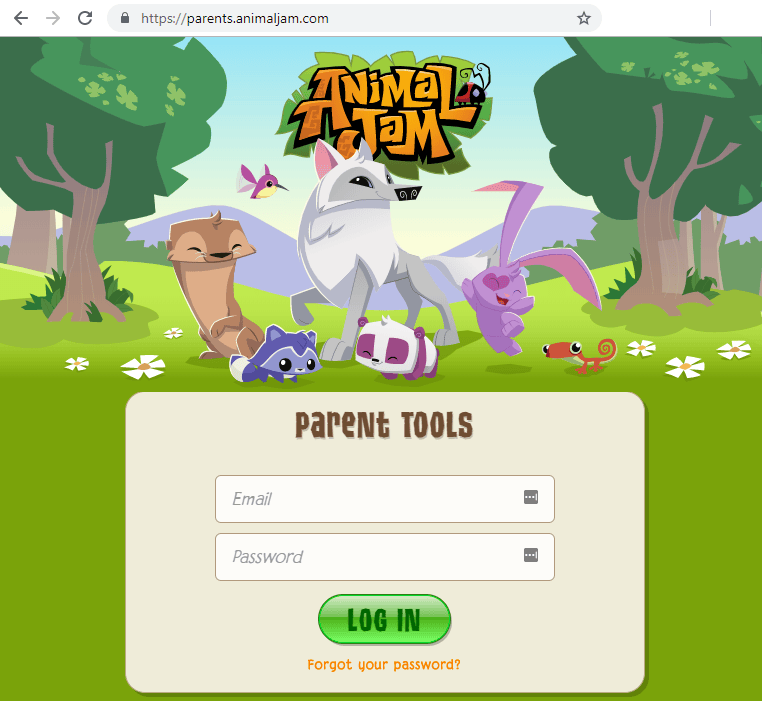
Begin by creating a parent account (if available) or using a shared family account to monitor your child’s activity. Familiarize yourself with the game’s mechanics—such as quests, den-building, and the economy—by playing alongside your child. Join parent forums or community groups (like the official Animal Jam Facebook page) to ask questions and share experiences. Many parents also recommend starting with the "Adventure Guides" in-game to understand the latest updates.
Q: Are there risks associated with Animal Jam that parents should be aware of?
Yes. Common risks include exposure to in-game scams (e.g., fake Jam trades), cyberbullying in chat rooms, or excessive screen time. To mitigate these, enable parental controls (such as chat filters and playtime limits), educate your child about online safety, and regularly review their activity. The platform’s moderation team actively monitors for harassment, but proactive parental involvement remains crucial.
Q: Can Animal Jam be used as a tool for homeschooling or supplementary education?
Absolutely. The platform’s quests often align with educational standards, covering topics like math (e.g., calculating Jam earnings), science (e.g., environmental quests), and creativity (e.g., designing dens). Many homeschooling parents use Animal Jam to reinforce lessons or as a reward system for completing assignments. However, it’s best used as a supplement rather than a replacement for structured curriculum.
Q: How do I handle conflicts or disagreements with other animal jam parents in the community?
Disputes often arise over in-game rules, event organization, or differing parenting styles. The best approach is to communicate openly in community forums or through the platform’s reporting system for moderators. If conflicts persist, focus on setting clear boundaries for your child’s interactions and encourage them to disengage from toxic dynamics. Many communities have unspoken codes of conduct that emphasize respect and collaboration.
Q: Is there a way to track my child’s progress or screen time in Animal Jam?
While the platform lacks built-in parental tracking tools, third-party apps like Qustodio or Bark can monitor activity and set limits. Additionally, Animal Jam offers playtime reminders, and parents can manually check their child’s den or inventory for signs of excessive engagement. Regular conversations about balance and real-world responsibilities are also effective.
Q: What are some creative ways to bond with my child as an animal jam parent?
Collaborate on den-building projects, participate in family quests together, or host in-game events like virtual scavenger hunts. You can also discuss the platform’s themes—such as teamwork in quests or ethics in trading—during offline conversations. Some parents even create shared family avatars or organize real-life meetups with other Animal Jam families to extend the virtual bond into the physical world.
Leave a Comment
Comments are moderated before appearing. The data you submit is processed according to the Privacy Policy of versiliasolutions.oneagency.co.