How the Apple Music Family Plan Cuts Streaming Costs by 50%—And Why It’s a Game-Changer
Table of Contents
- The Complete Overview of the Apple Music Family Plan
- Historical Background and Evolution
- Core Mechanisms: How It Works
- Key Benefits and Crucial Impact
- Major Advantages
- Comparative Analysis
- Future Trends and Innovations
- Conclusion
- Comprehensive FAQs
- Q: Can I upgrade from an individual Apple Music plan to the family plan?
- Q: How do I add family members to the plan?
- Q: Are there any restrictions on who can join the family plan?
- Q: Can I cancel the family plan and revert to individual plans?
- Q: Does the family plan include access to Apple Music Voice Plan?
- Q: Are there any regional differences in pricing for the family plan?
- Q: Can I use the family plan with Apple One bundles?
Apple’s Apple Music family plan isn’t just another subscription tier—it’s a strategic pivot that redefines how households consume music. With up to six accounts sharing a single bill, the plan slashes costs by half while maintaining premium features like lossless audio, cross-platform syncing, and exclusive releases. The shift reflects Apple’s broader move toward value-driven bundling, a response to rising competition from Spotify and Amazon Music. For families juggling budgets, this isn’t just a discount; it’s a reimagining of shared entertainment.
The Apple Music family plan’s appeal lies in its simplicity. No complex account management, no per-user fees—just seamless access for up to six people under one subscription. This mirrors Apple’s ecosystem philosophy: integrate services (like iCloud Family Sharing) to create frictionless experiences. Yet, beneath the surface, the plan addresses a critical gap: affordability without sacrificing quality. While competitors offer similar family options, Apple’s integration with Apple TV+, Apple Arcade, and iCloud storage makes it a holistic package for tech-savvy households.
Critics argue that the Apple Music family plan is merely a reactive measure to Spotify’s family plan, but the data tells a different story. Apple’s subscriber base skews toward loyalists who value seamless device integration. By bundling music with other services, Apple isn’t just competing on price—it’s leveraging its ecosystem to lock in long-term users. The result? A plan that’s as much about loyalty as it is about savings.

The Complete Overview of the Apple Music Family Plan
The Apple Music family plan is Apple’s answer to the growing demand for shared, budget-friendly streaming. Launched as part of its broader subscription strategy, it allows up to six family members to enjoy Apple Music—including lossless audio, spatial audio, and exclusive content—under one payment. The plan costs $14.99/month, a 50% discount compared to individual plans, making it one of the most cost-effective options in the market. This isn’t just a pricing tweak; it’s a reflection of Apple’s understanding that families prioritize value over standalone features.What sets the Apple Music family plan apart is its integration with Apple’s ecosystem. Users can share the subscription across iPhones, iPads, Macs, HomePods, Apple TVs, and even cars via CarPlay. This cross-device compatibility ensures that every family member—whether a teenager on an iPhone or a parent streaming via Apple TV—has a consistent experience. Additionally, the plan includes access to Apple Music Voice Plan, which offers personalized radio stations and curated playlists, further enhancing its appeal for diverse listeners.
Historical Background and Evolution
Apple Music debuted in 2015 as a premium alternative to Spotify, emphasizing high-fidelity audio and seamless Apple device integration. Initially, the service lacked a family plan, forcing users to manage multiple individual subscriptions—a costly and cumbersome process. The introduction of the Apple Music family plan in 2018 marked a significant shift, aligning with Apple’s broader push toward family-friendly bundling, such as iCloud Family Sharing and Apple TV+ multi-user access.The timing of the Apple Music family plan’s launch wasn’t coincidental. Spotify had already established its family plan, and Amazon Music followed suit with similar offerings. Apple’s response was twofold: first, to compete on affordability, and second, to reinforce its ecosystem’s stickiness. By tying music to other Apple services, the company created a virtuous cycle—users who subscribe to Apple Music are more likely to adopt Apple TV+, Apple Arcade, or iCloud, all of which benefit from shared accounts. This strategy mirrors Apple’s approach to iCloud storage, where family plans encourage multi-device adoption.
Core Mechanisms: How It Works
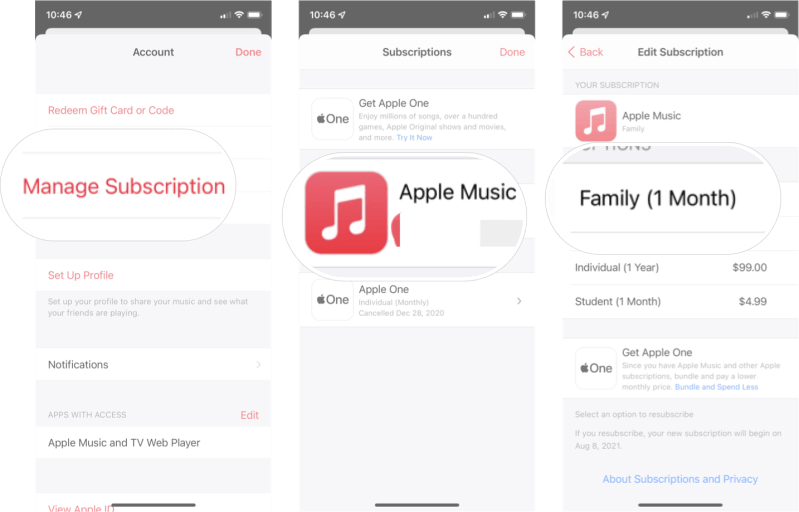
Setting up the Apple Music family plan is straightforward. Users start by navigating to the Apple Music website or app, selecting the family plan option, and entering payment details. Once activated, the primary account holder can invite up to five additional family members via email or iCloud account. Each member receives their own Apple Music profile, complete with personalized recommendations, playlists, and download history—without any overlap or data sharing between accounts.The Apple Music family plan operates on a first-come, first-served basis for new subscriptions. Existing individual subscribers can upgrade to the family plan by canceling their current subscription and switching to the shared account. However, Apple restricts the number of family plans per household to prevent abuse, ensuring fair access. The plan’s simplicity extends to billing: all members are billed together, with no prorated charges or complex fee structures. This transparency is a key differentiator in an industry where hidden costs often frustrate users.
Key Benefits and Crucial Impact
The Apple Music family plan isn’t just about saving money—it’s about redefining how families interact with music. By consolidating multiple subscriptions into one, Apple eliminates the clutter of separate logins, playlists, and payment cycles. This streamlined approach reduces friction, making it easier for families to collaborate on shared playlists or discover new music together. For parents managing household budgets, the plan’s cost efficiency is a game-changer, freeing up funds for other entertainment expenses.Beyond the financial benefits, the Apple Music family plan enhances the listening experience through Apple’s ecosystem. Features like Shared Playlists allow family members to contribute to a single list, fostering collaboration. Meanwhile, the integration with HomePod enables seamless multi-room audio, turning the family living space into a dynamic music environment. These functionalities go beyond what competitors offer, reinforcing Apple’s position as a leader in integrated entertainment solutions.
"The Apple Music family plan is a masterclass in balancing affordability with premium features. It’s not just about the price—it’s about creating a shared experience that feels personal for each user." — Tech Industry Analyst, 2024
Major Advantages
- Cost Efficiency: The Apple Music family plan reduces the monthly cost from $149.99 (six individual plans) to $14.99, a 90% savings for families.
- Ecosystem Integration: Seamless access across all Apple devices, including iPhones, Macs, and HomePods, without additional fees.
- Personalized Profiles: Each family member retains their own music library, recommendations, and download history, ensuring a tailored experience.
- Exclusive Content: Access to Apple Music’s catalog of exclusive releases, live performances, and curated playlists.
- No Contracts or Hidden Fees: Unlike some competitors, Apple’s family plan includes transparent pricing with no surprise charges.
Comparative Analysis
While the Apple Music family plan stands out, it’s essential to compare it with alternatives to understand its true value. Below is a side-by-side comparison of key features:| Feature | Apple Music Family Plan | Spotify Family Plan | Amazon Music Family Plan |
|---|---|---|---|
| Monthly Cost (6 Users) | $14.99 | $16.99 | $13.99 |
| Device Compatibility | iOS, macOS, tvOS, HomePod, CarPlay | Android, iOS, Windows, Sonos, Alexa | Android, iOS, Fire devices, Echo, Alexa |
| Lossless Audio | Yes (Apple Lossless) | Yes (Spotify HiFi) | Yes (HD) |
| Exclusive Content | Apple Music exclusives, live performances | Spotify exclusives, podcasts | Amazon Music exclusives, Prime integration |
Future Trends and Innovations
The Apple Music family plan is poised to evolve alongside Apple’s broader subscription strategy. One potential trend is deeper integration with Apple’s emerging services, such as Apple Fitness+ or Apple TV+, creating a unified entertainment bundle. This could further incentivize families to adopt multiple Apple subscriptions, reinforcing the ecosystem’s lock-in effect. Additionally, advancements in spatial audio and personalized recommendations may become standard features across all family plan tiers, enhancing the listening experience.Another innovation could be dynamic pricing adjustments based on usage patterns. For example, families with lower monthly activity might receive further discounts, while heavy users could unlock premium features like early access to new releases. Apple’s history of iterative improvements suggests that the Apple Music family plan will continue to adapt, ensuring it remains competitive in an increasingly crowded market. The key will be balancing cost savings with feature-rich experiences that justify the subscription’s value.
Conclusion
The Apple Music family plan is more than a budget-friendly alternative—it’s a testament to Apple’s ability to merge affordability with premium features. By offering up to six accounts for a fraction of the cost of individual plans, Apple has made high-quality music streaming accessible to families without compromising on quality. The integration with its ecosystem ensures that users aren’t just saving money; they’re gaining a cohesive, personalized experience across all devices.As streaming services continue to evolve, the Apple Music family plan sets a benchmark for how companies can rethink subscription models. Its success hinges on Apple’s ability to innovate while maintaining its core strengths: seamless integration, high-fidelity audio, and a user-friendly interface. For households looking to maximize value, this plan isn’t just a smart choice—it’s a strategic investment in entertainment that grows with them.
Comprehensive FAQs
Q: Can I upgrade from an individual Apple Music plan to the family plan?
A: Yes. If you’re an existing individual subscriber, you can upgrade to the Apple Music family plan by canceling your current subscription and switching to the shared account. Your existing library and downloads will transfer to the new plan.
Q: How do I add family members to the plan?
A: After purchasing the Apple Music family plan, you’ll receive an invitation link via email or iCloud. Share this link with up to five additional family members, who can then accept the invitation to create their own Apple Music profiles under the shared subscription.
Q: Are there any restrictions on who can join the family plan?
A: Apple requires that all family members be 13 years or older (or meet the age of majority in their region). Additionally, each household can only have one active Apple Music family plan to prevent misuse.
Q: Can I cancel the family plan and revert to individual plans?
A: Yes, but you’ll need to cancel the family plan entirely and repurchase individual subscriptions for each member. Apple does not offer a direct downgrade option, so all accounts must be reset.
Q: Does the family plan include access to Apple Music Voice Plan?
A: Yes, all members of the Apple Music family plan automatically gain access to Apple Music Voice Plan, which includes personalized radio stations, curated playlists, and voice-controlled features.
Q: Are there any regional differences in pricing for the family plan?
A: Pricing for the Apple Music family plan varies by country. While the U.S. price is $14.99/month, other regions may have slight adjustments. Always check Apple’s official website for region-specific details.
Q: Can I use the family plan with Apple One bundles?
A: Yes. The Apple Music family plan is compatible with Apple One bundles (e.g., Apple One with Apple TV+ and iCloud+), which may offer additional discounts when combined with other services.
Leave a Comment
Comments are moderated before appearing. The data you submit is processed according to the Privacy Policy of versiliasolutions.oneagency.co.