The Best Apps to Read Books for Free in 2024: A Curated List
Table of Contents
- The Complete Overview of Apps to Read Books for Free
- Historical Background and Evolution
- Core Mechanisms: How It Works
- Key Benefits and Crucial Impact
- Major Advantages
- Comparative Analysis
- Future Trends and Innovations
- Conclusion
- Comprehensive FAQs
- Q: Are there truly free apps to read books for free, or do they hide costs?
- Q: Can I read any book for free, or are there restrictions?
- Q: Do these apps work on all devices?
- Q: How do I avoid pirated content when using free book apps?
- Q: Can I donate or support these apps if I want to help?
The shift from physical books to digital formats has redefined how we consume literature. Gone are the days when accessing a library required a trip to the nearest branch or a hefty subscription fee. Today, the question isn’t whether you can read books for free—it’s which apps to read books for free will best suit your preferences, from classic novels to niche genres. These platforms have democratized literature, offering millions of titles without cost, often with additional features like audiobooks, annotations, and community discussions.
Yet not all free book apps are created equal. Some prioritize public domain works, others rely on partnerships with publishers, and a few operate in legal gray areas. The key lies in understanding the mechanics behind these services—whether they use crowdsourced lending, library integrations, or exclusive free content deals. Without this knowledge, users risk encountering limited catalogs, ads, or even legal risks. The right app can transform your reading habits, while the wrong one may leave you frustrated with restrictions or poor user experience.
The rise of apps to read books for free mirrors broader trends in digital consumption: convenience, accessibility, and personalization. What began as a niche experiment in the early 2000s—when platforms like Project Gutenberg digitized out-of-copyright texts—has evolved into a thriving ecosystem. Today, these tools cater to every reader, from students on a budget to avid fiction lovers seeking their next obsession. The challenge? Navigating the options without sacrificing quality or legality.

The Complete Overview of Apps to Read Books for Free
The modern landscape of apps to read books for free is fragmented but highly specialized. At one end of the spectrum, you have platforms like Libby and Hoopla, which leverage public library systems to provide free ebooks and audiobooks. These apps thrive on partnerships with publishers and authors who opt into library lending programs, ensuring a steady stream of legal, high-quality content. On the other end, niche players like Open Library or Z-Library (despite its controversial status) offer vast catalogs, often including newer titles through less conventional means.What unites these services is their core mission: to eliminate financial barriers to reading. However, the methods vary. Some apps rely on donations or ads to sustain operations, while others operate as nonprofits or government-backed initiatives. The result is a diverse range of user experiences—from sleek, ad-free interfaces to cluttered, ad-supported platforms. For the discerning reader, the choice often comes down to catalog size, device compatibility, and whether the app aligns with ethical publishing standards.
Historical Background and Evolution
The origins of apps to read books for free trace back to the late 1990s and early 2000s, when the internet began digitizing books en masse. Project Gutenberg, launched in 1971 but gaining traction in the digital age, was one of the first projects to offer free ebooks by scanning and distributing public domain works. Its success proved that there was demand for accessible digital literature, paving the way for similar initiatives. By the mid-2000s, platforms like ManyBooks and BookYards emerged, aggregating free ebooks from various sources, including user uploads and publisher partnerships.The turning point came with the rise of smartphones and tablets, which made reading on the go not just possible but seamless. Apps like Kindle (Amazon’s e-reader) introduced free daily deals, while library-based apps like OverDrive (now Libby) transformed public libraries into digital hubs. The 2010s saw further innovation, with platforms like Google Play Books and Apple Books offering free samples or promotions. Meanwhile, open-access movements pushed universities and research institutions to release academic texts for free, expanding the scope of apps to read books for free beyond fiction. Today, the ecosystem is a blend of legacy projects, modern tech-driven solutions, and grassroots initiatives.
Core Mechanisms: How It Works
The functionality of apps to read books for free hinges on two primary models: legal distribution and user-driven content sharing. Legal platforms, such as Libby or Hoopla, operate through partnerships with publishers and libraries. Users borrow books digitally, often with a limit on loans (e.g., one book at a time) and return periods (typically 14–28 days). These apps use DRM (Digital Rights Management) to prevent piracy, ensuring that publishers retain control over their content while still offering free access to readers.In contrast, user-driven platforms like Open Library or Z-Library rely on crowdsourcing and donations. Open Library, a project by the Internet Archive, allows users to borrow books or donate copies to its collection. Z-Library, though controversial due to its reliance on pirated content, operates on a peer-to-peer model where users upload and download books. The mechanics differ sharply: one is a legal, library-backed system, while the other operates in a legal gray area. Understanding these differences is crucial for readers who prioritize legality and sustainability over convenience.
Key Benefits and Crucial Impact
The proliferation of apps to read books for free has had a profound impact on literacy, education, and cultural consumption. For students and low-income readers, these platforms provide access to books that would otherwise be financially out of reach. Libraries, both public and digital, have expanded their reach beyond physical walls, allowing rural communities to access the same titles as urban centers. Additionally, these apps have fostered a global reading culture, with multilingual catalogs and translations making literature from non-English-speaking countries more accessible.The benefits extend beyond cost savings. Many of these apps offer features like adjustable font sizes, night mode, and text-to-speech, catering to readers with disabilities or visual impairments. Some even include social features, such as book clubs or reading challenges, creating communities around shared interests. However, the ethical implications cannot be ignored. While legal platforms uphold copyright laws, others blur the lines, raising questions about fair compensation for authors and publishers.
"The democratization of knowledge through digital platforms is one of the most significant cultural shifts of the 21st century. Yet, it’s not just about access—it’s about responsibility. Readers must choose platforms that respect creators while still providing value." — Maria Kozlowska, Digital Rights Advocate
Major Advantages
- Zero Cost: Unlike traditional ebook stores, these apps eliminate subscription or purchase fees, making literature accessible to all.
- Diverse Catalogs: From classic literature to self-published works, many apps offer genres and niches that mainstream platforms overlook.
- Offline Access: Most apps allow downloads for reading without an internet connection, ideal for travel or areas with poor connectivity.
- Educational Tools: Features like annotations, dictionaries, and audiobook narration enhance comprehension, especially for language learners.
- Environmental Impact: Digital reading reduces paper waste, aligning with sustainability goals for eco-conscious readers.
Comparative Analysis
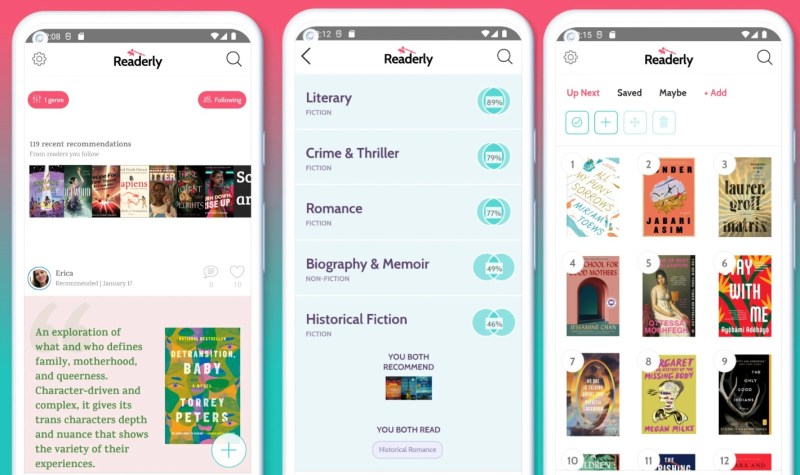
Not all apps to read books for free are equal. Below is a comparison of four leading platforms based on key criteria:| Platform | Key Features |
|---|---|
| Libby (OverDrive) | Library-based; requires a library card; DRM-protected; integrates with Libby app; limited to publisher-partnered titles. |
| Open Library | Nonprofit; no library card needed; borrows from global collections; some DRM-free titles; donations support operations. |
| Z-Library | Massive catalog (including newer titles); no DRM; relies on user uploads; legal status disputed; ad-supported. |
Hoopla
| Library-based; requires a library card; includes audiobooks, comics, and movies; limited monthly downloads. |
|
Future Trends and Innovations
The future of apps to read books for free will likely be shaped by advancements in AI and personalized reading experiences. Imagine an app that not only recommends books based on your reading history but also adjusts the narrative’s difficulty in real time for language learners. AI-driven summaries and interactive storytelling could further blur the line between reading and engagement, making literature more dynamic. Additionally, blockchain technology may introduce decentralized libraries, where users can own and lend digital copies without intermediaries, potentially reducing costs and increasing transparency.Another trend is the integration of social and educational features. Apps could evolve into hybrid platforms, combining reading with collaborative annotation, study groups, or even VR book clubs. For nonprofits and governments, there’s an opportunity to expand free access further, perhaps through partnerships with schools or public housing programs. However, the biggest challenge will remain balancing accessibility with ethical publishing practices—ensuring that free access doesn’t come at the expense of authors’ livelihoods.
Conclusion
The world of apps to read books for free is vast, offering something for every reader—whether you’re a student, a casual reader, or a literature enthusiast. The key to leveraging these tools effectively lies in understanding their mechanisms, ethical implications, and limitations. Legal platforms like Libby and Open Library provide a sustainable model, while others push the boundaries of what’s possible, albeit with risks. As technology advances, the line between free and paid reading may continue to blur, but the core principle remains: literature should be accessible to all.For now, the best approach is to explore these apps critically. Test their catalogs, evaluate their legality, and choose the ones that align with your values. Whether you’re drawn to the simplicity of a library app or the vastness of a user-driven platform, the right apps to read books for free can transform your reading journey—without ever touching your wallet.
Comprehensive FAQs
Q: Are there truly free apps to read books for free, or do they hide costs?
Most legal apps to read books for free are genuinely free, but some may require a library card (which is often free) or rely on ads. Platforms like Z-Library operate without ads but may involve legal risks. Always check for hidden fees, such as premium features or mandatory subscriptions.
Q: Can I read any book for free, or are there restrictions?
Legal apps typically restrict access to titles that publishers have opted into lending programs (e.g., Libby) or public domain works (e.g., Project Gutenberg). Platforms like Z-Library may offer newer titles but often violate copyright laws. Always verify the legality of the source.
Q: Do these apps work on all devices?
Most apps to read books for free are cross-platform, supporting iOS, Android, and web browsers. However, some may have limited functionality on older devices or require specific file formats (e.g., EPUB, PDF). Always check the app’s system requirements before downloading.
Q: How do I avoid pirated content when using free book apps?
Stick to legally verified platforms like Libby, Open Library, or Google Play Books’ free promotions. Avoid sites that offer "too good to be true" catalogs or lack clear copyright policies. If in doubt, consult resources like the Electronic Frontier Foundation for guidance.
Q: Can I donate or support these apps if I want to help?
Yes! Many nonprofits, such as Open Library and Project Gutenberg, rely on donations to sustain operations. You can also support authors by purchasing their works legally when possible or contributing to crowdfunding campaigns for indie writers.
Leave a Comment
Comments are moderated before appearing. The data you submit is processed according to the Privacy Policy of versiliasolutions.oneagency.co.