Baby Boomer Ages Now: The Generation Shaping Retirement, Tech, and Culture
Table of Contents
- The Complete Overview of Baby Boomer Ages Now
- Historical Background and Evolution
- Core Mechanisms: How It Works
- Key Benefits and Crucial Impact
- Major Advantages
- Comparative Analysis
- Future Trends and Innovations
- Conclusion
- Comprehensive FAQs
- Q: What percentage of the U.S. population are baby boomers today?
- Q: How has the pandemic changed retirement plans for boomers?
- Q: Are baby boomers more likely to downsize their homes?
- Q: What are the biggest financial challenges facing boomers today?
- Q: How do boomers compare to Gen X in terms of technology adoption?
- Q: What role do boomers play in the gig economy?
- Q: How is climate change affecting boomers’ retirement planning?
- Q: Will Social Security remain solvent for current boomers?
- Q: How are boomers influencing the housing market?
- Q: What’s the biggest misconception about aging boomers?
The baby boomer cohort, born between 1946 and 1964, has spent decades shaping economies, politics, and consumer trends. Now, as baby boomer ages now push into their late 60s and 70s, their influence persists—but in new ways. Unlike earlier generations, these retirees are not fading into obscurity. Instead, they’re leveraging wealth, digital literacy, and unmatched life experience to redefine aging, from remote work to healthcare innovation.
What began as a post-WWII demographic surge has evolved into a financial and cultural powerhouse. Today, baby boomer ages now command nearly 25% of the U.S. population, controlling over half of all disposable income. Their spending habits—whether on travel, healthcare, or technology—continue to dictate market trends, even as younger generations emerge. The question isn’t if they’ll shape the future; it’s how.
Yet, the transition isn’t seamless. Rising healthcare costs, inflation, and shifting social norms force boomers to adapt. Many are delaying retirement, downsizing, or even returning to the workforce. Meanwhile, their digital adoption—accelerated by the pandemic—has blurred the line between "tech-savvy senior" and "early adopter." Understanding this generation’s trajectory isn’t just academic; it’s essential for policymakers, businesses, and families alike.
The Complete Overview of Baby Boomer Ages Now
The baby boomer generation, now in its seventh decade, represents a unique intersection of financial stability and evolving needs. With baby boomer ages now ranging from 59 to 77, this group is neither the frail retirees of stereotype nor the passive consumers of the past. They are active participants in the economy, wielding influence through spending, advocacy, and even entrepreneurship. Their retirement savings—totaling over $30 trillion in the U.S. alone—make them a critical demographic for financial markets, real estate, and healthcare providers.At the same time, the challenges of aging are undeniable. Chronic health conditions, cognitive decline, and longevity risks require proactive planning. Unlike their parents, who relied on pensions and Social Security, today’s boomers face a landscape of 401(k) volatility, rising medical costs, and the uncertainty of long-term care. The gap between their expectations and reality is widening, forcing a reevaluation of traditional retirement models.
Historical Background and Evolution
The baby boom was a direct consequence of post-WWII prosperity, with birth rates soaring from 1946 to 1964. This generation entered the workforce during the rise of suburban America, the civil rights movement, and the digital revolution’s infancy. Their early careers were defined by unionized labor, defined-benefit pensions, and a strong social safety net—standards that have eroded for subsequent generations.As baby boomer ages now advance, their historical context shapes their priorities. Many prioritize legacy planning, whether through trusts, philanthropy, or intergenerational wealth transfer. The "sandwich generation" phenomenon—supporting both aging parents and adult children—has also delayed their own retirement for millions. This dual responsibility has created a unique financial strain, with boomers now the primary caregivers for an unprecedented number of elderly relatives.
Core Mechanisms: How It Works
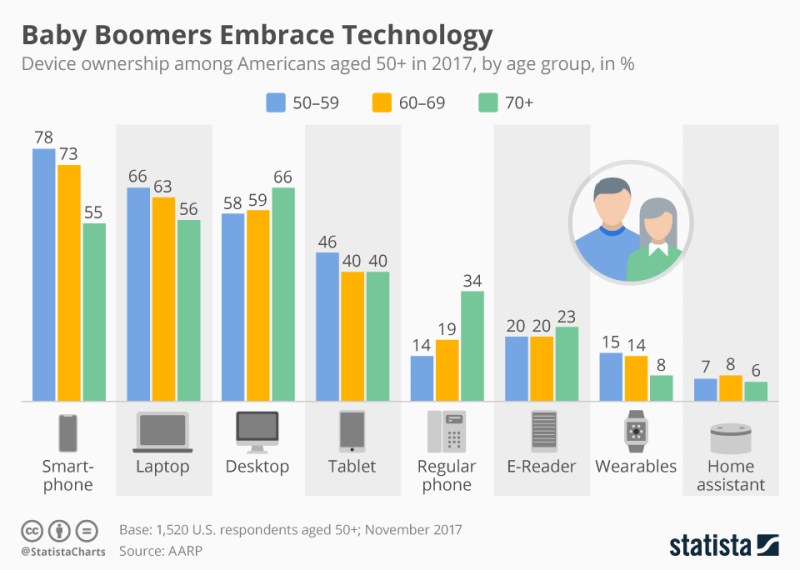
The financial mechanics of baby boomer ages now are a study in adaptation. Traditional retirement planning assumed a three-phase model: work, retire, and enjoy leisure. Today, that model is obsolete. Instead, boomers are adopting phased retirement, where they transition gradually from full-time employment to part-time roles or consulting. This shift is driven by necessity—many cannot afford to stop working entirely—and by desire, as many find purpose in semi-retirement.Technology plays an unexpected role in this evolution. While boomers were once dismissed as "digital immigrants," the pandemic forced mass adoption of tools like video calls, online banking, and telehealth. Today, baby boomer ages now are among the fastest-growing segments on platforms like Facebook, LinkedIn, and even cryptocurrency trading apps. Their digital fluency isn’t just a survival skill; it’s a competitive advantage in an aging workforce.
Key Benefits and Crucial Impact
The economic and social impact of baby boomer ages now is multifaceted. Their spending power sustains industries from luxury travel to assisted living, while their political engagement ensures policies like Medicare and Social Security remain priorities. Yet, their influence extends beyond dollars. Boomers are redefining what it means to age with dignity, challenging stereotypes of dependency and isolation."The boomer generation has always been about reinvention. Now, as they age, they’re proving that retirement isn’t an endpoint—it’s a new beginning, on their own terms." — Dr. Ken Dychtwald, Age Wave FounderTheir ability to blend tradition with innovation—whether through downsizing to smart homes or investing in renewable energy—highlights a generation that refuses to be pigeonholed. The ripple effects of their choices will shape the next 20 years of economic policy, healthcare, and even urban planning.
Major Advantages
- Financial Resilience: Boomers hold the majority of wealth in the U.S., with median retirement savings exceeding $200,000. Their ability to weather economic downturns stabilizes markets.
- Healthcare Innovation: As the largest cohort in long-term care, they drive demand for aging-in-place technologies, telemedicine, and personalized healthcare solutions.
- Workforce Adaptability: Many boomers now fill gaps in skilled labor shortages, particularly in healthcare, education, and trades, through flexible or seasonal work.
- Intergenerational Influence: Their role as mentors, caregivers, and financial supporters bridges generational divides, shaping family dynamics and estate planning.
- Political Leverage: With high voter turnout rates, boomers continue to dictate policy agendas, from Social Security reforms to housing subsidies for seniors.
Comparative Analysis
| Baby Boomers (Ages 59–77) | Millennials (Ages 28–43) |
|---|---|
| Control 70% of disposable income; prioritize legacy planning and asset preservation. | Struggle with student debt and housing costs; focus on financial flexibility over long-term savings. |
| Adopt technology late but rapidly; use it for convenience (e.g., telehealth, online banking). | Early adopters of digital tools; prioritize social media, fintech, and remote work platforms. |
| Retirement age rising; many work past 65 due to financial necessity or passion. | Delay traditional milestones (homeownership, marriage) due to economic instability. |
| Healthcare focus shifts to chronic disease management and preventive care. | Healthcare concerns center on accessibility, mental health, and reproductive rights. |

Future Trends and Innovations
The next decade will see baby boomer ages now further blur the lines between retirement and productivity. The rise of "encore careers"—second acts in fields like nonprofit work or creative pursuits—will gain traction, fueled by boomers’ desire for meaning. Simultaneously, advancements in longevity science (e.g., senolytics, gene therapy) may extend healthy lifespans, forcing a redefinition of retirement itself.Urban planning will also adapt, with demand for age-friendly infrastructure (e.g., walkable neighborhoods, smart home integrations) growing. Boomers’ influence on real estate—whether downsizing to smaller homes or investing in rental properties—will reshape housing markets. Meanwhile, their digital footprint will expand, with AI-driven tools tailored to their needs, from health monitoring to financial management.
Conclusion
The baby boomer generation’s journey from youthful idealists to seasoned leaders is far from over. As baby boomer ages now continue to evolve, their impact will be felt in boardrooms, ballot boxes, and living rooms alike. The key to harnessing this influence lies in recognizing their agency—not as a group in decline, but as architects of their own legacy.For businesses, this means designing products and services that cater to their evolving needs without patronizing them. For families, it’s about preparing for the financial and emotional transitions that come with multigenerational care. And for society at large, it’s an opportunity to learn from a generation that has consistently redefined expectations at every life stage.
Comprehensive FAQs
Q: What percentage of the U.S. population are baby boomers today?
A: Baby boomers currently make up about 22% of the U.S. population, though their share is gradually declining as younger generations grow. However, their economic influence remains disproportionate due to wealth concentration.
Q: How has the pandemic changed retirement plans for boomers?
A: The pandemic accelerated early retirement for some boomers due to health concerns, while others delayed retirement due to job losses or market volatility. Many also adopted remote work or hybrid models, extending their careers.
Q: Are baby boomers more likely to downsize their homes?
A: Yes. With home equity as their largest asset, many boomers are downsizing to reduce maintenance costs, access single-level living, or fund travel. The trend has boosted demand for active-adult communities and urban condos.
Q: What are the biggest financial challenges facing boomers today?
A: The top challenges include inadequate retirement savings, rising healthcare costs (especially long-term care), inflation eroding fixed incomes, and the need to support adult children or aging parents simultaneously.
Q: How do boomers compare to Gen X in terms of technology adoption?
A: While Gen X (ages 44–58) was raised with early personal computers, boomers adopted technology later in life. However, baby boomer ages now have closed the gap, especially in areas like mobile banking, video calls, and health apps, often outpacing Gen Z in some digital skills.
Q: What role do boomers play in the gig economy?
A: Boomers are a growing segment of the gig workforce, particularly in consulting, freelance writing, and part-time trades. Their experience and reliability make them valuable to businesses, though they often face age-related discrimination in hiring.
Q: How is climate change affecting boomers’ retirement planning?
A: Boomers are increasingly considering climate risks in retirement locations, favoring areas with lower wildfire/hurricane exposure. Some are also investing in sustainable real estate or renewable energy projects as part of legacy planning.
Q: Will Social Security remain solvent for current boomers?
A: Current projections suggest Social Security’s trust fund will be depleted by 2034, but benefits won’t disappear. Boomers should expect reduced payouts unless reforms (e.g., increased payroll taxes or later retirement ages) are implemented.
Q: How are boomers influencing the housing market?
A: Boomers are driving demand for affordable, accessible housing, from 55+ communities to ADU (Accessory Dwelling Unit) developments. Their downsizing trends are also stabilizing home prices in suburban areas.
Q: What’s the biggest misconception about aging boomers?
A: The stereotype that boomers are uniformly resistant to change or technology is outdated. While some struggle with adaptation, many are early adopters in niche areas (e.g., cryptocurrency, genealogy apps), proving their generation’s resilience.
Leave a Comment
Comments are moderated before appearing. The data you submit is processed according to the Privacy Policy of versiliasolutions.oneagency.co.