Untitled
Table of Contents
- The Complete Overview of Baby Boomers Age
- Historical Background and Evolution
- Core Mechanisms: How It Works
- Key Benefits and Crucial Impact
- Major Advantages
- Comparative Analysis
- Future Trends and Innovations
- Conclusion
- Comprehensive FAQs
- Q: How will the aging of baby boomers affect Social Security and Medicare?
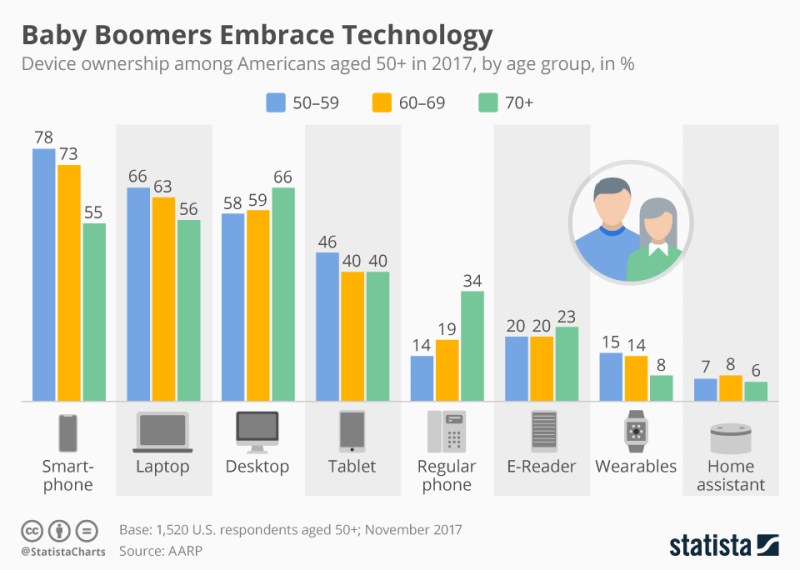
- Q: Are baby boomers adopting technology as they age?
- Q: Will the housing market crash due to boomer downsizing?
- Q: How are boomers impacting the labor market?
- Q: What are the biggest health challenges for aging boomers?
- Q: How will boomer aging affect intergenerational relationships?
- Q: Can boomers afford retirement, or are they facing a crisis?
[JUDUL]
Baby Boomers Age: The Silent Revolution Reshaping Society
[/JUDUL]
[META_DESCRIPTION]
The baby boomer generation is aging at an unprecedented pace, transforming economies, healthcare, and cultural landscapes. Explore the historical impact, biological realities, and future trends of this demographic shift.
[/META_DESCRIPTION]
[TAGS]
demographics, aging population, generational shifts, retirement trends, baby boomers, socioeconomic impact, healthcare policy, intergenerational dynamics
[/TAGS]
[CATEGORY]
General
[/CATEGORY]
The baby boomer generation—those born between 1946 and 1964—now stands at the precipice of a demographic earthquake. With the oldest boomers entering their 80s and the youngest nearing 60, the question is no longer if they will age but how their aging will redefine societies, economies, and family structures. Unlike previous generations, boomers arrived at retirement with vastly different expectations: they delayed marriage, prioritized careers, and redefined what it means to grow old. Their aging isn’t just a biological process; it’s a cultural and economic upheaval, one that will dictate the next two decades of global policy, labor markets, and even technological adoption.
The implications are staggering. By 2030, one in four Americans will be a boomer, straining Social Security, Medicare, and long-term care systems. Yet, this generation’s refusal to fade quietly—whether through activism, entrepreneurship, or digital reinvention—means their influence won’t wane with age. From the rise of "silver tech" to the boomer-dominated housing market, their later years are rewriting the rules of aging itself. The paradox is clear: a generation that once challenged norms is now forcing the world to confront what it means to live longer—and how to do so meaningfully.
What separates boomers from their predecessors is not just longevity but agency. They’ve spent decades defying expectations, and their aging reflects that defiance. Whether it’s the boomer-controlled stock market, the surge in "encore careers," or the redefinition of retirement as a phase of reinvention rather than decline, their later years are a masterclass in adaptability. But beneath the headlines about financial security and healthcare lies a quieter truth: the emotional and psychological toll of aging for a generation that once believed time was on its side. The question isn’t just about how long baby boomers will live—it’s about what they’ll demand from life, society, and technology in the years ahead.

The Complete Overview of Baby Boomers Age
The aging of baby boomers is the most significant demographic shift of the 21st century, with ripple effects spanning from economic policy to family dynamics. Unlike previous generations, boomers entered adulthood during a period of unprecedented prosperity and social upheaval—factors that now shape their later years. Their aging isn’t a linear decline but a series of transitions: from peak earning years to retirement, from caregiving for parents to needing care themselves, and from analog lives to digital immersion. This generation’s trajectory is unique because it bridges two eras—one defined by scarcity and another by abundance—and their aging reflects that duality.What makes their aging particularly complex is the sheer scale of their impact. Boomers represent nearly 25% of the U.S. population, a cohort so large that their decisions—whether to downsize, relocate, or return to work—move markets. Their retirement savings, healthcare needs, and consumer habits are reshaping industries from real estate to pharmaceuticals. Yet, their aging also exposes systemic vulnerabilities: a generation that delayed traditional milestones (marriage, parenthood) now faces longer periods of dependency, while their children—Gen X and millennials—are still navigating their own financial instability. The tension between boomer expectations and societal readiness to support them is the defining challenge of this decade.
Historical Background and Evolution
The baby boomer generation emerged from the post-WWII economic boom, a time when full employment, homeownership, and pensions were within reach for the first time in history. This prosperity allowed them to defer key life decisions—many married later, had children in their 30s, and pursued education or careers well into their 40s. By the time they approached retirement, they had redefined what it meant to age: no longer a time of withdrawal, but of reinvention. The boomer retirement narrative shifted from "golden years" to "encore careers," with many returning to work not out of necessity but passion, whether as consultants, entrepreneurs, or activists.Their aging is also a product of medical and technological advancements. The boomer cohort is the first to benefit from modern geriatric care, life-extending medications, and preventive healthcare. Yet, this longevity comes with new challenges: chronic diseases like diabetes and Alzheimer’s are on the rise, and the boomer generation is the first to face the dual burden of caring for aging parents while managing their own health. The "sandwich generation" phenomenon—where boomers juggle financial support for adult children and elderly relatives—was largely uncharted territory before their aging became inevitable. This generational overlap has forced policymakers to confront the limits of traditional support systems, from Social Security to Medicaid.
Core Mechanisms: How It Works
The aging process for boomers is influenced by three interconnected factors: biology, economics, and cultural mindset. Biologically, their later years are marked by a decline in physical resilience but an increase in cognitive longevity, thanks to better nutrition, healthcare, and mental stimulation. Economically, their aging is tied to the collapse of defined-benefit pensions and the rise of 401(k)s, forcing many to rely on personal savings and part-time work. Culturally, boomers have rejected the passive retirement model, opting instead for active engagement—whether through volunteer work, travel, or digital literacy programs.The mechanics of their aging also reflect generational habits. Boomers who owned homes in the 1980s and 1990s now face decisions about downsizing, with many reluctant to leave neighborhoods where they’ve raised families. Their consumer behavior—from travel to technology—remains influential, with companies racing to capture their spending power. Meanwhile, their digital adoption, though slower than younger generations, is accelerating, creating a unique hybrid of analog nostalgia and tech-savvy pragmatism. This blend of tradition and innovation defines how they navigate aging, from using smartphones to resist isolation to leveraging social media for activism.
Key Benefits and Crucial Impact
The aging of baby boomers is not merely a demographic shift but a catalyst for societal evolution. Their later years are driving innovations in healthcare, housing, and workforce participation, while also exposing gaps in public policy. What was once seen as a "burden" of an aging population is now being reframed as an opportunity—one where experience, savings, and influence can be harnessed for collective benefit. The challenge lies in balancing their needs with those of younger generations, ensuring that their longevity doesn’t come at the expense of future economic stability.At its core, the boomer aging revolution is about redefining productivity and purpose in later life. A generation that once challenged the status quo is now proving that aging can be a time of contribution, not just consumption. From mentoring younger workers to shaping political discourse, their influence persists well beyond traditional retirement age. Yet, the impact is not without friction. The strain on healthcare systems, the housing market, and intergenerational equity highlights the need for adaptive solutions—ones that recognize boomers as both beneficiaries and architects of change.
"The boomer generation didn’t just age—they reengineered aging itself. Their refusal to accept decline has forced society to confront what it means to grow old in a world where 60 is the new 40." — Dr. Laura Carstensen, Stanford Center on Longevity
Major Advantages
- Economic Resilience: Boomers control a disproportionate share of wealth, with their spending power driving industries from luxury travel to healthcare. Their delayed retirement has also softened labor market shortages in skilled professions.
- Policy Influence: As a politically engaged cohort, boomers shape legislation on healthcare, Social Security, and age discrimination, ensuring their needs remain a priority in government agendas.
- Intergenerational Transfer: Their wealth and experience position boomers as key mentors and investors for younger generations, fostering economic mobility through entrepreneurship and education.
- Healthcare Innovation: The boomer aging crisis has accelerated advancements in geriatric care, telemedicine, and chronic disease management, benefiting all age groups.
- Cultural Reinvention: From "actives" (active aging communities) to silver tech adoption, boomers are redefining retirement as a phase of exploration, not withdrawal.
Comparative Analysis
| Boomers Aging (1946–1964) | Silent Generation (1928–1945) |
|---|---|
|
|
| Gen X (1965–1980) | Millennials (1981–1996) |
|
|
Future Trends and Innovations
The next decade will see boomer aging evolve into a phenomenon of "prolonged vitality," where longevity is paired with sustained engagement. Advances in biotechnology—such as senolytics (drugs that clear aging cells) and gene therapy—could extend healthy lifespans, while AI-driven healthcare will personalize aging solutions. The housing market will adapt with "aging-in-place" designs, and cities will prioritize walkable, senior-friendly infrastructure. Yet, the biggest shift may be cultural: as boomers remain active in the workforce, the concept of retirement itself may fade, replaced by flexible, purpose-driven phases.The economic implications are equally transformative. With boomers controlling trillions in assets, financial products tailored to their needs—such as longevity annuities and fractional real estate investments—will proliferate. Meanwhile, the labor market will grapple with the "great retirement squeeze," where younger workers compete with boomers for jobs they’ve delayed leaving. Policymakers will face pressure to reform Social Security and Medicare, while corporations will innovate to retain boomer talent. The aging of this generation isn’t just a demographic story; it’s a blueprint for how societies will structure work, care, and leisure in the 21st century.
Conclusion
The aging of baby boomers is more than a statistical trend—it’s a cultural earthquake. A generation that once upended norms is now reshaping the very idea of aging, proving that later life can be a time of reinvention, not just decline. Their influence will be felt for decades, from the shape of cities to the future of work. Yet, their aging also serves as a mirror, reflecting the strengths and vulnerabilities of modern society. The challenge ahead is to harness their experience while ensuring that their longevity doesn’t come at the cost of younger generations’ opportunities.What’s clear is that the boomer aging revolution is far from over. Whether through technological adaptation, policy shifts, or intergenerational collaboration, their later years will continue to define the contours of the future. The question is no longer if society can accommodate their aging but how it will do so—equitably, innovatively, and with the same defiance of convention that defined their lives.
Comprehensive FAQs
Q: How will the aging of baby boomers affect Social Security and Medicare?
The boomer exodus into retirement will strain Social Security and Medicare, with projections showing insolvency by the 2030s if no reforms occur. Boomers’ longer lifespans mean they’ll draw benefits for decades, while fewer workers per retiree reduce payroll tax revenue. Potential solutions include raising the retirement age, means-testing benefits, or increasing payroll taxes—all politically contentious.
Q: Are baby boomers adopting technology as they age?
Yes, but at a slower pace than younger generations. While only about 40% of boomers are "digital natives," adoption rates are rising, particularly in areas like video calls, online banking, and social media. Companies are responding with user-friendly interfaces (e.g., larger fonts, simplified navigation), and many boomers now use smartphones for healthcare management and social connection.
Q: Will the housing market crash due to boomer downsizing?
Unlikely, but it will undergo significant shifts. Boomers hold about 50% of U.S. home equity, and as they downsize or relocate, inventory will rise in suburban and rural areas while urban markets may see slower growth. However, demand for "aging-in-place" homes (single-story, no-stairs) and senior communities will create new opportunities in construction and real estate.
Q: How are boomers impacting the labor market?
Boomers are delaying retirement at record rates, filling gaps in skilled professions like healthcare and trades. This has eased labor shortages but also created competition with younger workers. Many boomers now work part-time or as consultants, while others return to full-time roles in "encore careers," blurring the line between retirement and employment.
Q: What are the biggest health challenges for aging boomers?
The top concerns are chronic diseases (heart disease, diabetes, Alzheimer’s), mobility issues, and mental health (depression, isolation). Boomers are also the first generation to face the dual burden of caring for aging parents while managing their own health. Preventive care, telemedicine, and community-based support systems are critical to addressing these challenges.
Q: How will boomer aging affect intergenerational relationships?
Boomers are increasingly relying on their adult children for financial and caregiving support, creating a "reverse dependency" dynamic. Meanwhile, younger generations may resent the economic strain caused by boomer housing demand and healthcare costs. Successful intergenerational relationships will require open communication, shared responsibility, and policies that balance support with equity.
Q: Can boomers afford retirement, or are they facing a crisis?
About 40% of boomers report feeling financially unprepared for retirement, with many relying on part-time work or family support. The crisis is most acute for those with low savings, high medical costs, or early retirement. However, boomers with homes or pensions are faring better, highlighting the need for targeted financial planning and policy interventions.
[/KONTEN]
Leave a Comment
Comments are moderated before appearing. The data you submit is processed according to the Privacy Policy of versiliasolutions.oneagency.co.