Baby Boomers Age Now: How a Generation Is Redefining Retirement, Legacy, and Modern Living
Table of Contents
- The Complete Overview of Baby Boomers Aging Now
- Historical Background and Evolution
- Core Mechanisms: How It Works
- Key Benefits and Crucial Impact
- Major Advantages
- Comparative Analysis
- Future Trends and Innovations
- Conclusion
- Comprehensive FAQs
- Q: What percentage of baby boomers are still working past traditional retirement age?
- Q: How are baby boomers adapting to healthcare costs as they age?
- Q: What role does technology play in the lives of aging baby boomers?
- Q: Are baby boomers more likely to downsize their homes as they age?
- Q: How is the baby boomer generation influencing estate planning trends?
- Q: What are the biggest financial challenges facing baby boomers today?
The baby boomers, born between 1946 and 1964, are no longer the dominant force in the workforce—they are now the largest cohort reshaping retirement, healthcare, and intergenerational dynamics. As baby boomers age now, their choices ripple through economies, family structures, and even political landscapes. Unlike previous generations, this group enjoys unprecedented longevity, technological access, and financial flexibility, yet they also confront rising healthcare costs, evolving social norms, and the legacy of their own midlife decisions.
Their aging trajectory is not linear but layered with contradictions: many remain active in careers or volunteerism, while others grapple with chronic conditions or caregiving burdens. The phrase "baby boomers age now" encapsulates a pivotal moment—one where their accumulated wealth, life experiences, and shifting priorities collide with systemic challenges. From downsizing suburban homes to navigating digital divides, this generation is redefining what it means to grow older in an era of rapid change.
What distinguishes baby boomers aging now from their parents or children? The answer lies in their unique blend of privilege and vulnerability: they were the first to benefit from post-war prosperity, yet they now face a future where pensions are uncertain, inflation erodes savings, and long-term care costs are skyrocketing. Their journey offers critical lessons for policymakers, families, and younger generations watching how to age with dignity—and how to prepare for it.
The Complete Overview of Baby Boomers Aging Now
The demographic wave of baby boomers aging now is reshaping global societies, with profound implications for labor markets, housing, and healthcare. By 2030, one in four Americans will be 65 or older, a shift that demands rethinking infrastructure, social services, and even urban planning. This generation’s aging trajectory is marked by three defining trends: delayed retirement, increased longevity, and the blending of traditional and modern lifestyles. Unlike the rigid retirement models of past decades, many boomers now work part-time, pursue passions, or engage in "encore careers"—a phenomenon fueled by financial necessity and a desire for purpose.Yet beneath the surface of flexibility lies a web of complexities. The baby boomer generation aging now is the first to confront the full brunt of an aging population in an era of strained public resources. Their healthcare needs—from managing chronic diseases to accessing specialized care—strain systems built for shorter lifespans. Simultaneously, their financial strategies, from reverse mortgages to downsizing, reflect both resilience and vulnerability. Understanding this generation’s evolution requires examining not just their numbers but their narratives: how they reconcile nostalgia with innovation, and how their choices will echo for decades to come.
Historical Background and Evolution
The baby boomer cohort emerged from the post-World War II economic boom, a period that granted them unparalleled opportunities in education and employment. As baby boomers age now, their life stages mirror the broader arc of 20th-century progress: they witnessed the rise of suburban living, the decline of manufacturing jobs, and the digital revolution. Their early adulthood coincided with the expansion of social safety nets, including Medicare and Medicaid, systems that now face the test of their aging beneficiaries. Unlike their parents, who retired by 65 with defined-benefit pensions, boomers entered retirement with 401(k)s, variable markets, and the looming specter of outliving their savings.The cultural shifts of their youth—from civil rights to counterculture—continue to influence their aging process. Many boomers reject the passive stereotypes of retirement, instead embracing active aging through travel, fitness, or advocacy. This defiance of traditional roles is evident in statistics: 29% of Americans aged 65–74 are still in the workforce, a figure nearly double that of 20 years ago. Their aging trajectory is also shaped by the baby boomer aging now phenomenon’s intersection with gender and race, with women and minorities often facing greater financial and health disparities. The generation’s evolution is not monolithic but a mosaic of individual stories, each navigating the tensions between legacy and reinvention.
Core Mechanisms: How It Works
The mechanics of baby boomers aging now are driven by three interconnected systems: financial planning, healthcare access, and social engagement. Financially, their strategies reflect a generation that prioritized homeownership and deferred gratification. Today, they rely on a mix of Social Security, personal savings, and part-time income, with many turning to reverse mortgages or downsizing to sustain retirement. Healthcare, meanwhile, is a patchwork of private insurance, Medicare supplements, and long-term care solutions—an area where boomers’ choices are increasingly dictated by cost rather than quality. The rise of telemedicine and AI-driven diagnostics offers new tools, but disparities persist in rural areas where boomers are concentrated.Socially, their aging is characterized by a deliberate effort to stay connected, whether through family networks, volunteer work, or technology. Platforms like Facebook and Zoom have bridged generational gaps, allowing boomers to maintain relationships despite mobility challenges. Yet, the baby boomer aging now dynamic also exposes vulnerabilities: isolation among those without digital literacy, and the emotional toll of caregiving for aging spouses or parents. The core mechanisms of their aging—financial, health, and social—are not static but adaptive, shaped by both personal agency and systemic constraints.
Key Benefits and Crucial Impact
The aging of the baby boomer generation is not merely a demographic shift but a catalyst for economic and cultural transformation. Their accumulated wealth, experience, and consumer power are recalibrating industries from real estate to entertainment. As baby boomers age now, they are also redefining intergenerational dynamics, forcing younger generations to confront their own responsibilities as caregivers, heirs, or supporters. The impact is twofold: boomers are both beneficiaries of past systems and architects of future ones, whether through estate planning or advocacy for senior-friendly policies.Their influence extends beyond personal spheres. The baby boomer aging now trend is accelerating innovation in aging-related technologies, from wearable health monitors to age-friendly housing designs. Politically, their voting blocs remain formidable, shaping debates on Social Security, healthcare reform, and age discrimination laws. Yet, the benefits of their aging are unevenly distributed—while some boomers enjoy financial security and vibrant communities, others struggle with debt, poor health, or inadequate support networks.
"Aging is not lost youth but a new kind of life, one that demands as much courage and wisdom as the last 60 years." — Mary Pipher, sociologist and author
Major Advantages
- Financial Leverage: Boomers control 70% of disposable income in the U.S., driving demand for senior-focused products and services, from travel to healthcare tech.
- Healthcare Innovation: Their aging has spurred advancements in geriatric care, including telehealth solutions and early detection tools for age-related diseases.
- Intergenerational Wealth Transfer: As the largest generation to inherit wealth, boomers are reshaping estate planning, with trends favoring digital assets and charitable giving.
- Policy Influence: Their advocacy has led to expansions in Medicare benefits, age discrimination protections, and age-friendly urban design initiatives.
- Cultural Reinvention: Boomers are challenging stereotypes by embracing entrepreneurship, creative pursuits, and activism in retirement.
Comparative Analysis
| Aspect | Baby Boomers Aging Now | Silent Generation (Aging Parents) |
|---|---|---|
| Retirement Age | Delayed retirement (avg. 67+ years) | Traditional retirement (avg. 62–65 years) |
| Healthcare Access | Medicare + private supplements; rising long-term care costs | Medicare with limited supplemental options |
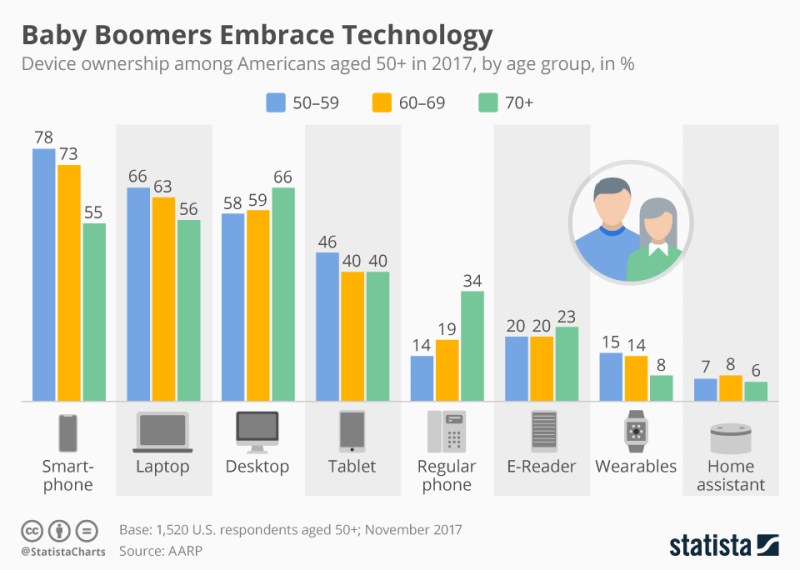
| Digital Engagement | High adoption of smartphones/tablets; social media use | Lower tech adoption; reliance on in-person interactions |
| Legacy Planning | Focus on digital assets, charitable trusts, and blended families | Traditional wills and direct heirs |

Future Trends and Innovations
Looking ahead, the baby boomer aging now phenomenon will continue to drive innovation in aging support systems. By 2035, the U.S. will have more seniors than children under 18, necessitating reforms in housing, transportation, and elder care. Technology will play a pivotal role, with AI-powered care assistants and smart homes becoming mainstream. However, the greatest challenge may be addressing the "graying" of the workforce—how to retain boomer expertise while preparing younger generations for leadership roles.Demographically, the trends suggest a future where aging is not a decline but a transition. Boomers’ children (Millennials and Gen X) will inherit both their financial burdens and their legacies, creating a new era of intergenerational collaboration. The baby boomer aging now narrative will also shape global policies, from pension reforms to age-inclusive urban planning. The key question remains: Can societies adapt quickly enough to meet the needs of a generation that refuses to fade quietly?
Conclusion
The aging of baby boomers is more than a statistical footnote—it is a defining chapter in modern history. As baby boomers age now, they are forcing a reckoning with the myths of retirement, the realities of longevity, and the responsibilities of legacy. Their journey offers a blueprint for future generations, illustrating the importance of financial preparedness, health advocacy, and community engagement. Yet, their story is also a warning: without proactive planning, the benefits of their aging—innovation, wealth transfer, and cultural renewal—could be overshadowed by systemic strains.The generation that once defined youth culture is now redefining maturity, proving that aging is not an endpoint but a continuum. Their choices will echo for decades, shaping the world their grandchildren inherit. For policymakers, families, and individuals, the lesson is clear: the baby boomer aging now trend is not just about them—it’s about all of us.
Comprehensive FAQs
Q: What percentage of baby boomers are still working past traditional retirement age?
As of 2023, approximately 29% of Americans aged 65–74 remain in the workforce, with many working part-time or in "encore careers." This trend is driven by financial necessity, health, and a desire for purpose.
Q: How are baby boomers adapting to healthcare costs as they age?
Boomers are using a mix of Medicare supplements, long-term care insurance, and reverse mortgages to manage costs. Many also rely on health savings accounts (HSAs) and telemedicine to reduce expenses while maintaining access to care.
Q: What role does technology play in the lives of aging baby boomers?
Technology is bridging gaps in healthcare, social connection, and daily living. Boomers are adopting smartphones for banking, social media for family communication, and wearables for health monitoring, though digital divides persist in rural areas.
Q: Are baby boomers more likely to downsize their homes as they age?
Yes, downsizing is a common strategy for boomers to reduce maintenance costs and access more manageable living spaces. However, emotional attachments to homes and community ties often delay this transition.
Q: How is the baby boomer generation influencing estate planning trends?
Boomers are increasingly incorporating digital assets (like cryptocurrency or online accounts) into wills and using trusts to manage wealth for blended families or charitable causes. Traditional wills are being supplemented with detailed directives for end-of-life care.
Q: What are the biggest financial challenges facing baby boomers today?
The top challenges include outliving retirement savings, rising healthcare costs (especially long-term care), and inflation eroding fixed incomes. Many are also burdened by student loan debt or supporting adult children financially.
Q: How do baby boomers compare to previous generations in terms of longevity?
Boomers enjoy significantly longer lifespans than their parents, thanks to advances in medicine and lifestyle changes. Life expectancy at birth for boomers is ~79 years (men) and ~84 years (women), compared to ~68 and ~73 for the Silent Generation.
Leave a Comment
Comments are moderated before appearing. The data you submit is processed according to the Privacy Policy of versiliasolutions.oneagency.co.