Find the Best Badminton Stringing Near Me: Expert Tips & Local Pros
Table of Contents
- The Complete Overview of Badminton Stringing Near Me
- Historical Background and Evolution
- Core Mechanisms: How It Works
- Key Benefits and Crucial Impact
- Major Advantages
- Comparative Analysis
- Future Trends and Innovations
- Conclusion
- Comprehensive FAQs
- Q: How often should I get my badminton racket restrung?
- Q: Can I use tennis stringing machines for badminton?
- Q: What’s the difference between hybrid and all-polyester strings?
- Q: How do I find a reputable stringer for badminton near me?
- Q: Does string tension affect shuttlecock speed?
The right stringing job can transform your game—adding power, control, and longevity to your racket. Yet, finding quality badminton stringing near me isn’t just about proximity; it’s about expertise, equipment, and a shop that understands the nuances of shuttlecock dynamics. Many players overlook this critical step, settling for mediocre tension or mismatched string materials that degrade performance faster than expected.
A poorly strung racket isn’t just frustrating—it’s a wasted investment. The strings you choose, the tension applied, and even the technique of the stringer affect everything from your serve speed to your smash accuracy. Without professional badminton stringing near me, subtle imbalances can creep in, leading to inconsistent shots and unnecessary strain on your arm. The difference between a $200 racket strung by a novice and one handled by a specialist? It’s the difference between a game-winning rally and a premature racket replacement.
If you’ve ever wondered why your shuttlecock feels "dead" after a few months or why your forehand lacks the snap it once had, the answer likely lies in your stringing. Whether you’re a casual player or a competitive athlete, locating a trusted local stringer—or mastering the DIY approach—is non-negotiable. Below, we break down everything you need to know to ensure your racket is always at its best.

The Complete Overview of Badminton Stringing Near Me
Finding reliable badminton stringing near me starts with recognizing that not all stringers are created equal. The process involves more than threading strings through a frame; it requires precision in tension calibration, string selection, and even racket bedding (the gradual adjustment of strings to your playing style). Many players assume that any shop offering stringing services will suffice, but the reality is that badminton demands a different approach than tennis or squash. The lighter gauge of badminton strings, combined with the unique motion of the shuttlecock, means tension must be dialed in meticulously to avoid excessive vibration or string breakage.The best badminton stringing near me providers often specialize in the sport, using high-speed machines that can handle the delicate strings without fraying or misalignment. They’ll also offer string options tailored to your playstyle—whether you prioritize control (higher tension) or power (lower tension with thicker strings). Ignoring these details can lead to premature wear, inconsistent shots, and even injury from improper racket balance. For serious players, this isn’t just about convenience; it’s about maintaining a competitive edge.
Historical Background and Evolution
Badminton stringing has evolved alongside the sport itself, which traces its origins to 19th-century British colonial India. Early rackets were strung with gut strings, similar to tennis, but as the game grew in popularity, synthetic materials like nylon and polyester became standard. The shift to these materials in the 1970s and 1980s revolutionized stringing, offering better durability and consistency. Today, high-performance strings like Yonex NanoString or Victor Brave are engineered for badminton’s unique demands, with features like anti-tear coatings and vibration dampening.The rise of badminton stringing near me services reflects the sport’s global growth, particularly in Asia, where stringing shops now rival tennis stringing hubs in expertise. What was once a niche service has become essential, as players demand customization—from hybrid string setups (mixing materials for different shots) to specialized tension patterns for speed or control. Even professional players rely on trusted stringers to fine-tune their equipment before tournaments, proving that this often-overlooked step is a cornerstone of performance.
Core Mechanisms: How It Works
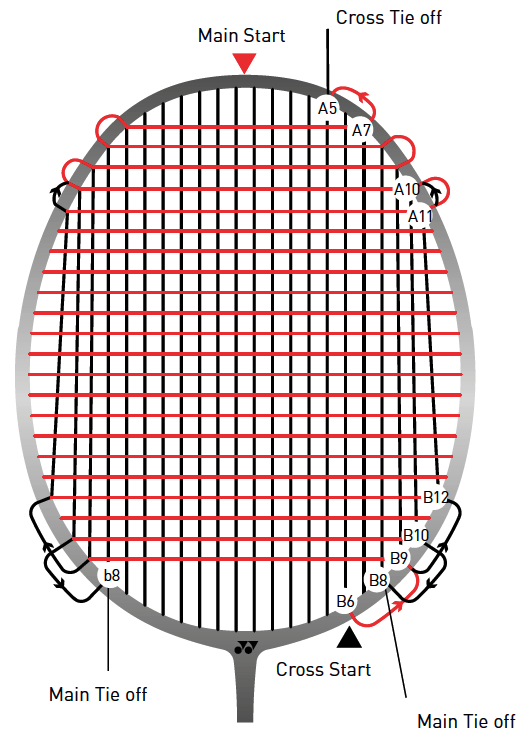
At its core, badminton stringing near me involves three critical phases: string selection, tension application, and racket bedding. The strings themselves are categorized by material (nylon, polyester, or hybrid blends), each offering trade-offs between power, control, and durability. Nylon strings, for instance, provide excellent control but wear out faster, while polyester strings last longer but can feel stiffer. The tension—measured in pounds—directly impacts how the shuttlecock reacts; higher tension (30+ lbs) suits defensive players, while lower tension (20-25 lbs) benefits aggressive hitters.The stringing process begins with the racket’s frame being measured for string pattern (typically 20-26 mains and 16-20 crosses for badminton). The stringer then threads the strings through the frame, ensuring even distribution to prevent imbalances. Modern machines use laser-guided tensioners to apply precise pressure, but the human element—experience in badminton-specific stringing—remains irreplaceable. Poorly strung rackets can develop "sweet spots" that mislead players into bad habits, while expert stringing ensures consistency across the entire hitting surface.
Key Benefits and Crucial Impact
Investing in professional badminton stringing near me isn’t just about immediate performance—it’s a long-term strategy for racket longevity and injury prevention. A well-strung racket reduces vibration, which minimizes arm strain during repetitive shots, a common issue among players who neglect string maintenance. Additionally, the right string setup can enhance shuttlecock speed by up to 10%, giving you a tangible advantage in rallies. Many players overlook this until they notice their racket "feels off," at which point the damage—uneven tension, frayed strings—is already done.The psychological impact is equally significant. Confidence in your equipment translates to sharper focus during matches. When your racket responds predictably, your mind stays locked in the game rather than second-guessing every shot. For competitive players, this can be the difference between a championship run and an early exit. Even recreational players will appreciate the smoother gameplay and reduced risk of string breakage mid-match.
"Stringing is the unsung hero of badminton. A great stringer doesn’t just put strings in a racket—they engineer a tool that adapts to your style." — Lee Chong Wei, Former World Champion
Major Advantages
- Extended Racket Lifespan: Proper stringing reduces wear on the frame and strings, delaying the need for costly replacements. Polyester strings, for example, can last 6-12 months with correct tension.
- Optimized Power and Control: Custom tension and string materials allow players to fine-tune their racket for speed (lower tension) or precision (higher tension).
- Injury Prevention: Reduced vibration from balanced stringing lowers the risk of tendonitis and elbow strain, common in badminton.
- Consistency in Play: Even tension across the strings ensures the shuttlecock behaves predictably, eliminating surprises during critical points.
- Cost-Effective Long-Term: While professional badminton stringing near me services cost $20-$50 per racket, the savings from avoiding premature racket failures outweigh the expense.
Comparative Analysis
| Professional Stringing | DIY Stringing |
|---|---|
|
|
| Best for: Competitive players, frequent users, or those who prioritize performance. | Best for: Casual players, budget-conscious users, or those with basic stringing needs. |
Future Trends and Innovations
The future of badminton stringing near me is being shaped by advancements in materials and technology. Smart strings embedded with sensors are already in development, capable of monitoring tension in real-time and alerting players to wear or imbalance. Meanwhile, AI-driven stringing machines promise to eliminate human error, offering perfectly balanced setups tailored to biometric data (e.g., swing speed, grip pressure). In Asia, where badminton is a cultural staple, stringing shops are adopting eco-friendly materials like recycled nylon, catering to the growing demand for sustainable sports equipment.Another emerging trend is the rise of mobile stringing units, bringing professional services directly to clubs and tournaments. This reduces downtime for players and ensures rackets are strung under optimal conditions. As the sport continues to grow globally, the line between amateur and professional stringing will blur, with even local shops adopting high-tech tools to compete with specialized centers. For now, the best badminton stringing near me remains a blend of traditional craftsmanship and cutting-edge innovation.
Conclusion
The search for badminton stringing near me isn’t just about finding a convenient location—it’s about partnering with someone who understands the sport’s intricacies. Whether you’re a weekend warrior or a pro training for the Olympics, the right stringing job can elevate your game in ways you might not expect. Neglecting this step is like playing with a dull blade; the potential is there, but without the edge. By prioritizing quality stringing, you’re not just maintaining your racket—you’re investing in your performance, longevity, and enjoyment of the game.Start by researching local shops with badminton-specific expertise, ask for recommendations from club coaches, and don’t hesitate to ask questions about string materials and tension. Your racket is your most important piece of equipment—treat it as such.
Comprehensive FAQs
Q: How often should I get my badminton racket restrung?
A: Most badminton strings last 3-6 months for recreational players and 6-12 months for competitive use, depending on frequency of play and string material. Polyester strings typically outlast nylon but may feel stiffer. Monitor for fraying, loss of tension, or inconsistent shuttlecock behavior as signs it’s time for a restring.
Q: Can I use tennis stringing machines for badminton?
A: While possible, it’s not ideal. Badminton strings are thinner and require lower tension, and tennis machines often lack the precision needed for even distribution. Specialized badminton stringing machines or a professional with experience in both sports can achieve better results.
Q: What’s the difference between hybrid and all-polyester strings?
A: Hybrid strings combine materials (e.g., polyester mains for power, nylon crosses for control), offering a balance of durability and playability. All-polyester strings provide maximum power and longevity but can feel harsh on the arm. Hybrids are popular among all-around players.
Q: How do I find a reputable stringer for badminton near me?
A: Look for shops with badminton-specific reviews, ask local clubs for recommendations, or check if they offer free consultations. A good stringer will discuss your playstyle, recommend strings, and explain tension options without upselling unnecessary upgrades.
Q: Does string tension affect shuttlecock speed?
A: Yes. Lower tension (20-25 lbs) increases shuttlecock speed and power but reduces control, while higher tension (30+ lbs) offers better precision at the cost of speed. Most pros use mid-range tension (25-28 lbs) for a balance of both. Experiment to find what suits your game.
Leave a Comment
Comments are moderated before appearing. The data you submit is processed according to the Privacy Policy of versiliasolutions.oneagency.co.