Why Batman Movies Age Ratings Matter More Than You Think
Table of Contents
- The Complete Overview of Batman Movies Age Rating
- Historical Background and Evolution
- Core Mechanisms: How It Works
- Key Benefits and Crucial Impact
- Major Advantages
- Comparative Analysis
- Future Trends and Innovations
- Conclusion
- Comprehensive FAQs
- Q: Why was Batman Begins rated PG-13 instead of R?
- Q: Can a Batman movie ever be rated G?
- Q: How does the UK’s 15 rating compare to the U.S. R?
- Q: Why did The Lego Batman Movie get a PG rating?
- Q: Will The Batman Part II likely be R-rated?
- Q: How do animated Batman films handle age ratings differently?
The first time Batman Begins (2005) hit theaters, its batman movies age rating—PG-13—sparked debates. Critics argued Christopher Nolan’s gritty, psychological take on the Dark Knight deserved a darker classification, yet the MPAA (Motion Picture Association) held firm. Nearly two decades later, The Batman (2022) faced similar scrutiny, its R-rating justified by Matt Reeves’ brutal, noir-inspired vision. These classifications aren’t arbitrary; they reflect shifting cultural attitudes toward violence, psychological depth, and the very essence of Batman’s mythos.
The batman movies age rating system has evolved alongside the franchise. Early adaptations like Batman (1966) and Batman: Mask of the Phantasm (1993) leaned into camp or family-friendly tones, earning G or PG ratings. But as the character matured—from Adam West’s campy hero to Nolan’s morally complex vigilante—the age restrictions tightened. The MPAA’s decisions now hinge on factors far beyond mere violence: themes of trauma, corruption, and existential dread now dictate whether a film earns a PG-13 or an R.

The Complete Overview of Batman Movies Age Rating
The batman movies age rating landscape is a microcosm of Hollywood’s broader struggles with content regulation. Ratings like PG-13 and R aren’t just labels; they’re gatekeepers that influence marketing, distribution, and audience reception. For instance, Batman v Superman: Dawn of Justice (2016) received an R for its graphic violence and sexual content, a stark contrast to The Lego Batman Movie (2017), which used the same source material to craft a PG-rated, absurdist comedy. This dichotomy underscores how tone and intent shape age restrictions—and how studios must navigate them to balance artistic vision with commercial viability.The MPAA’s guidelines for batman movies age rating have grown more nuanced over time. While violence alone rarely secures an R (unless it’s extreme), psychological horror—such as the Joker’s unhinged monologues in The Dark Knight (2008)—often does. The 2010s saw a surge in R-rated Batman films, reflecting a trend where the character’s darker narratives demanded mature audiences. Yet, exceptions exist: Batman: The Animated Series (1992–1995) proved that even complex storytelling could earn a TV-Y7 rating when tailored to younger viewers. The key lies in how age ratings align with the medium’s intended audience.
Historical Background and Evolution
The batman movies age rating system traces its roots to the Hays Code era, though Batman’s early adaptations (like the 1943 serial) operated in a pre-rating gray area. The 1960s brought the first rated Batman film, Batman: The Movie (1966), a PG-rated romp that mirrored the campy TV show. By the 1980s, Tim Burton’s Batman (1989) pushed boundaries with its gothic aesthetic and darker themes, earning a PG-13—then considered a bold choice. The MPAA’s reasoning? The film’s violence was stylized, not gratuitous, and its themes of duality resonated with older teens.The turn of the millennium marked a turning point. Batman Begins (PG-13) and The Dark Knight (R) demonstrated how age ratings could reflect a film’s tonal shift. Nolan’s trilogy used the MPAA’s rules to its advantage: The Dark Knight’s R-rating amplified its prestige, while The Dark Knight Rises (2012) retained R for its bleak ending. Meanwhile, animated films like Batman: Under the Red Hood (2010) proved that even violent stories could earn PG-13s if framed as character-driven dramas. The evolution of batman movies age rating mirrors the franchise’s own journey—from superhero to antihero, from camp to psychological thriller.
Core Mechanisms: How It Works
The MPAA’s batman movies age rating process hinges on three pillars: violence, language, and thematic complexity. A film like The Batman (2022) earns an R not just for its gory fight scenes but for its unflinching portrayal of Gotham’s systemic corruption—a theme that resonates with adult audiences. Conversely, Batman: The Brave and the Bold (2008) sidestepped these concerns with humor and action-comedy pacing, securing a PG rating. The MPAA’s raters assess whether content is "excessive" or "integral to the story," a gray area that often sparks debate.Studios also manipulate age ratings through editing and marketing. Suicide Squad (2016), though R-rated, was marketed as a "dark comedy" to broaden its appeal. Similarly, Batman v Superman’s R-rating was softened by its superhero spectacle, allowing it to attract teen audiences despite its mature themes. The system isn’t perfect—The Batman’s R-rating, for instance, excluded some younger fans who might have engaged with its noir tone—but it remains a critical tool for audience segmentation.
Key Benefits and Crucial Impact
The batman movies age rating system serves as a cultural barometer, revealing societal comfort levels with violence and moral ambiguity. When The Dark Knight’s R-rating led to record box office despite its controversial themes, it proved that mature audiences crave depth in superhero narratives. Conversely, PG-13 films like Batman: Year One (2011) show how animated adaptations can bridge generational gaps. These ratings aren’t just about censorship; they’re about shaping how stories are consumed.The impact extends beyond theaters. Streaming platforms like HBO Max and Netflix often adjust age restrictions for digital releases, reflecting their broader audience demographics. Batman: The Killing Joke (2016), for example, was rated TV-MA on HBO but later reclassified for younger viewers in edited forms. This adaptability highlights how age ratings evolve with technology and distribution channels.
"The MPAA’s job isn’t to police art—it’s to reflect the audience’s readiness for it. Batman’s ratings tell us more about us than about the films themselves." — Film critic and ratings analyst, 2023
Major Advantages
- Artistic Integrity: Ratings like R allow filmmakers to explore darker themes without compromise (e.g., The Dark Knight’s Joker).
- Market Segmentation: PG-13 films (Batman v Superman) attract teens, while R-rated films (The Batman) target older demographics.
- Cultural Relevance: Changing ratings (e.g., Batman 1989’s PG-13) mirror shifts in societal tolerance for violence.
- Marketing Leverage: An R-rating can elevate prestige (The Dark Knight), while PG-13 broadens accessibility (Batman: Mask of the Phantasm).
- Parental Guidance: Clear age ratings help families navigate complex narratives (e.g., Batman: Under the Red Hood’s trauma themes).
Comparative Analysis
| Film | Rating & Key Factors |
|---|---|
| Batman (1966) | PG – Campy tone, minimal violence, family-friendly humor. |
| Batman (1989) | PG-13 – Gothic visuals, stylized violence, themes of duality. |
| The Dark Knight (2008) | R – Graphic violence, psychological horror, Joker’s nihilism. |
| The Batman (2022) | R – Noir brutality, systemic corruption, unfiltered trauma. |
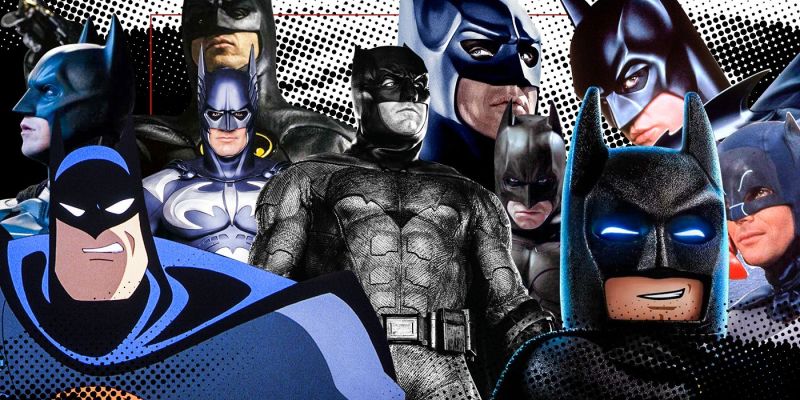
Future Trends and Innovations
As Batman’s mythology expands into The Batman sequel and Joker spin-offs, age ratings will likely grow more fluid. The rise of interactive media (e.g., Batman: Arkham games) may blur the lines between film and digital content, prompting new classification systems. Additionally, global markets—where ratings vary by country—will force studios to adopt hybrid approaches, as seen with The Batman’s differing cuts in the UK (15) vs. the U.S. (R).The MPAA may also face pressure to adapt to streaming’s "choose-your-own-adventure" model, where age restrictions could become dynamic based on user preferences. For now, however, the batman movies age rating system remains a delicate balance between creative freedom and audience expectations—a balance that will only grow more complex as Gotham’s dark knight continues to evolve.
Conclusion
The batman movies age rating is more than a technicality; it’s a reflection of how society consumes its myths. From the Hays Code to the MPAA’s modern guidelines, these classifications have shaped Batman’s cinematic identity, ensuring each era’s interpretation reaches its intended audience. As the franchise ventures into uncharted territory—with The Batman Part II and potential Joker sequels—ratings will remain a battleground between artistic ambition and market demand.Ultimately, the age restrictions on Batman films tell us as much about the times as they do about the stories themselves. Whether it’s the PG-13 optimism of Batman Begins or the R-rated cynicism of The Batman, these ratings are a testament to the Dark Knight’s enduring power: to challenge, provoke, and adapt.
Comprehensive FAQs
Q: Why was Batman Begins rated PG-13 instead of R?
The MPAA cited its "stylized violence" and "themes of morality" as reasons for PG-13, arguing the film’s action was integral to its character-driven narrative rather than gratuitous. Christopher Nolan’s insistence on a grounded tone also influenced the decision.
Q: Can a Batman movie ever be rated G?
Unlikely. Even Batman: The Animated Series (TV-Y7) required heavy editing for younger audiences. The character’s core themes—justice, trauma, and corruption—are inherently mature, making a true G-rating improbable.
Q: How does the UK’s 15 rating compare to the U.S. R?
The UK’s 15 rating (for films with strong violence or horror) is often stricter than the U.S. R, which allows more latitude for psychological themes. The Batman (2022) was rated 15 in the UK due to its brutal fight scenes, while the U.S. R focused more on its noir tone.
Q: Why did The Lego Batman Movie get a PG rating?
The film’s absurdist humor and lack of realistic violence allowed it to bypass R restrictions. The MPAA ruled that its "fantasy action" was appropriate for older children, despite borrowing heavily from darker Batman lore.
Q: Will The Batman Part II likely be R-rated?
Highly probable. Given Matt Reeves’ commitment to a noir, crime-drama approach—similar to the first film—expect another R-rating, especially if it explores deeper psychological and systemic themes.
Q: How do animated Batman films handle age ratings differently?
Animated films like Batman: The Killing Joke (TV-MA) or Batman: Mask of the Phantasm (PG) use tone to dictate ratings. TV-MA versions often include uncut violence, while PG cuts soften themes for younger viewers, proving that age restrictions are highly malleable in animation.
Leave a Comment
Comments are moderated before appearing. The data you submit is processed according to the Privacy Policy of versiliasolutions.oneagency.co.