The Definitive Guide to Choosing the Best Hunting Rangefinder
Table of Contents
- The Complete Overview of the Best Hunting Rangefinder
- Historical Background and Evolution
- Core Mechanisms: How It Works
- Key Benefits and Crucial Impact
- Major Advantages
- Comparative Analysis
- Future Trends and Innovations
- Conclusion
- Comprehensive FAQs
- Q: What’s the difference between a laser rangefinder and a ballistic rangefinder?
- Q: Can I use a rangefinder in low-light conditions?
- Q: How does angle compensation work in rangefinders?
- Q: Are hybrid rangefinder/binoculars worth the investment?
- Q: What maintenance does a rangefinder require?
The best hunting rangefinder is more than a tool—it’s the difference between a clean shot and a missed opportunity. Whether tracking game at 300 yards or glassing from a blind, accuracy hinges on reliable distance measurement. Modern rangefinders have evolved beyond basic laser tech, integrating advanced ballistics, environmental sensors, and even AI-assisted targeting. Yet, with options ranging from budget-friendly models to high-end binocular hybrids, hunters often struggle to distinguish between gimmicks and genuine performance.
Missteps in selection can lead to costly errors: a rangefinder that falters in low light, one that miscalculates due to atmospheric conditions, or a unit that’s too bulky for field use. The stakes are higher for hunters who rely on precision—whether for ethical harvests or competitive shooting. This guide cuts through the noise, dissecting the mechanics, evaluating the top contenders, and projecting where the technology is headed.
Precision isn’t just about distance. It’s about understanding how a rangefinder interacts with your rifle, the environment, and your shooting style. A $200 unit might suffice for close-range plinking, but long-range hunters demand features like angle compensation, multiple reticle options, and rugged durability. The right choice depends on your discipline, terrain, and budget—but the wrong one can turn a perfect setup into a liability.

The Complete Overview of the Best Hunting Rangefinder
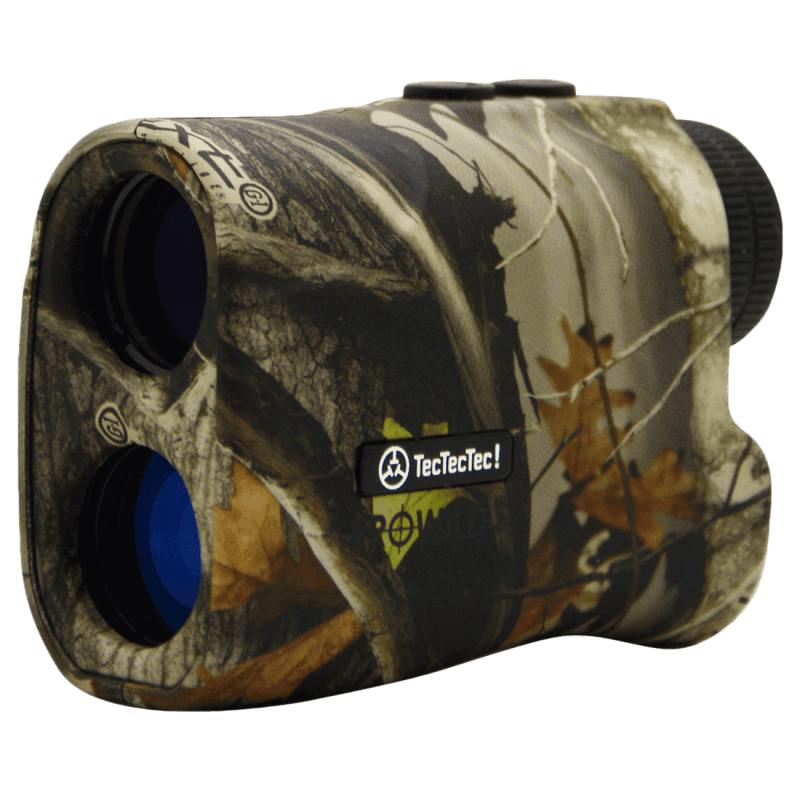
The best hunting rangefinder bridges the gap between raw data and actionable intelligence. At its core, it’s a laser-based device that measures distance by calculating the time it takes for an infrared pulse to travel to a target and back. However, the modern rangefinder has expanded far beyond this basic function. High-end models now incorporate ballistic calculators, environmental sensors (for wind speed, temperature, and humidity), and even GPS integration to adjust for bullet drop and windage in real time.
For serious hunters, the choice often boils down to two primary categories: standalone rangefinders and hybrid binoculars with built-in ranging capabilities. Standalone units offer dedicated precision, while hybrids provide the convenience of glassing and ranging in one device. The trade-off lies in portability and feature depth—some hunters prioritize a lightweight, single-purpose tool, while others prefer the versatility of a multifunctional optic. The best hunting rangefinder for you depends on whether you value specialization or adaptability.
Historical Background and Evolution
The concept of rangefinding dates back to the early 20th century, when military and surveying applications drove innovations in optical measurement. The first practical rangefinders used mechanical stereoscopic systems, where two telescopes captured slightly offset images to calculate distance. These devices were bulky, expensive, and limited to professional use. The breakthrough came in the 1960s with the advent of laser technology, which allowed for portable, electronic rangefinders capable of instant readings.
By the 1990s, consumer-grade rangefinders entered the market, catering to hunters and shooters who needed affordable, reliable distance measurement. Early models were rudimentary—offering basic yardage readings with minimal environmental adjustments. Today, the best hunting rangefinders leverage advancements in laser diodes, microprocessors, and sensor fusion to deliver sub-inch accuracy at extreme distances. Features like continuous ranging, multiple target acquisition (MTA), and customizable ballistic profiles have redefined what hunters expect from their optics.
Core Mechanisms: How It Works
The heart of any rangefinder is its laser diode, which emits an infrared pulse (typically in the 905nm or 1550nm range) toward the target. The pulse travels at the speed of light, reflects off the target, and returns to the device’s sensor. The time difference between emission and reception is measured in nanoseconds, and the rangefinder’s firmware converts this data into distance using the formula: distance = (speed of light × time delay) / 2. High-end models refine this calculation by accounting for atmospheric conditions, target reflectivity, and even the angle of the shot.
Modern rangefinders also incorporate advanced algorithms to mitigate errors. For instance, some units use "multiple target acquisition" (MTA) to average readings from multiple pulses, reducing the impact of erratic reflections. Others employ "angle compensation" to adjust for uphill or downhill shots, ensuring the rangefinder provides the true horizontal distance needed for accurate ballistics. The best hunting rangefinders combine these technical refinements with user-friendly interfaces, allowing hunters to focus on the shot rather than the data.
Key Benefits and Crucial Impact
The best hunting rangefinder isn’t just a convenience—it’s a critical component of ethical hunting and precision shooting. In the field, knowing exact distances eliminates guesswork, reducing the risk of wounded game or missed opportunities. For long-range hunters, even a 5-yard miscalculation can mean the difference between a clean kill and a botched shot. Beyond accuracy, these devices enhance safety by minimizing the need for multiple shots, which is especially important in high-pressure scenarios.
Beyond practical benefits, rangefinders have democratized access to advanced shooting techniques. Hunters who once relied on rule-of-thumb estimates can now leverage real-time ballistic data, adjusting for wind, temperature, and elevation. This precision extends to competitive shooting, where marginal gains in accuracy can determine victory. The psychological advantage is equally significant—a hunter with a reliable rangefinder approaches each shot with confidence, knowing they have the data to make an informed decision.
"A rangefinder is the hunter’s compass in the digital age—it doesn’t just measure distance; it maps the path to a clean, ethical harvest."
— John "Big Game" Whitaker, Legendary Hunter and Conservationist
Major Advantages
- Unmatched Precision: The best hunting rangefinders deliver sub-inch accuracy at distances exceeding 1,000 yards, far surpassing the limitations of traditional estimation methods.
- Ballistic Integration: Advanced models sync with riflescopes or ballistic apps to provide real-time holdovers, eliminating the need for manual calculations.
- Environmental Adaptability: Built-in sensors adjust for temperature, humidity, and barometric pressure, ensuring consistent performance across varying conditions.
- Versatility: Hybrid rangefinder/binoculars combine ranging capabilities with high-magnification glassing, ideal for scouting and long-range engagements.
- Durability and Portability: Rugged construction with nitrogen-purged tubes and magnesium housings ensures reliability in harsh environments, while compact designs fit seamlessly into hunting packs.
Comparative Analysis
Selecting the best hunting rangefinder requires weighing performance against practical needs. Below is a comparison of four top-tier models, each excelling in different scenarios:
| Model | Key Features |
|---|---|
| Leupold RX-2400i | 4.5x magnification, 2400-yard range, angle compensation, multiple reticles, and a rugged magnesium body. Ideal for long-range precision shooting. |
| Vortex Optics Viper HD | 6x magnification, 1,600-yard range, high-definition reticles, and a bright, clear display. Best for mid-range hunters who prioritize clarity. |
| Bushnell Legend Elite | 5x magnification, 1,400-yard range, multiple target acquisition (MTA), and a lightweight design. A versatile choice for all-around hunting. |
| Nikon Monarch M8 | Hybrid binocular/rangefinder with 8x magnification, 1,300-yard range, and a compact form factor. Perfect for scouting-heavy hunters. |
Future Trends and Innovations
The next generation of rangefinders is poised to integrate artificial intelligence and augmented reality. Early prototypes already demonstrate the ability to recognize game species, estimate bullet trajectory in real time, and even suggest optimal shooting positions based on terrain. As laser technology becomes more efficient, we’ll see rangefinders with extended battery life and instant-on capabilities, eliminating the need for manual power cycling in critical moments.
Another emerging trend is the fusion of rangefinders with smart riflescopes. Future systems may allow hunters to input ballistic data once and have the rangefinder automatically adjust the riflescope’s reticle for every shot. Additionally, advancements in materials science could lead to lighter, more durable optics, while environmental sensors may expand to include real-time weather forecasting. For hunters, this means a future where technology doesn’t just assist—it anticipates.
Conclusion
The best hunting rangefinder is a marriage of technology and tradition, offering hunters the precision they need without sacrificing the instinctive connection to the wild. Whether you’re a bowhunter dialing in yardage or a rifle shooter adjusting for wind, the right tool can transform an educated guess into a calculated certainty. The key is understanding your specific needs—whether that’s long-range accuracy, all-terrain durability, or the convenience of a hybrid optic.
As the technology evolves, so too will the standards for what constitutes the best hunting rangefinder. Today’s top models are already pushing the boundaries of performance, but tomorrow’s innovations promise to redefine the limits of precision hunting. For now, the choice comes down to one question: What does your hunting style demand, and which rangefinder will meet that demand without compromise?
Comprehensive FAQs
Q: What’s the difference between a laser rangefinder and a ballistic rangefinder?
A: A laser rangefinder measures distance using infrared pulses, while a ballistic rangefinder integrates that data with environmental sensors (wind, temperature, etc.) to calculate precise holdovers for shooting. The best hunting rangefinders often combine both functions.
Q: Can I use a rangefinder in low-light conditions?
A: Most modern rangefinders perform well in low light, but visibility can be affected by heavy foliage or rain. Look for models with high-reflectivity coatings and adjustable brightness settings for optimal performance in challenging conditions.
Q: How does angle compensation work in rangefinders?
A: Angle compensation adjusts the horizontal distance reading based on the angle of your shot (uphill/downhill). The best hunting rangefinders use inclinometers to detect tilt and recalculate the true horizontal distance needed for accurate ballistics.
Q: Are hybrid rangefinder/binoculars worth the investment?
A: Hybrid models offer convenience for hunters who prioritize scouting and ranging in one device. However, they may sacrifice some precision compared to dedicated rangefinders. Consider your primary use case—if glassing is as critical as ranging, a hybrid is a smart choice.
Q: What maintenance does a rangefinder require?
A: Regular cleaning with a microfiber cloth and lens cleaner is essential. Avoid exposing the device to extreme moisture or impacts. Some high-end models feature nitrogen-purged tubes to prevent fogging, but routine checks ensure longevity.
Leave a Comment
Comments are moderated before appearing. The data you submit is processed according to the Privacy Policy of versiliasolutions.oneagency.co.