How to Choose the Best Safest Police Scanner for Reliable Monitoring
Table of Contents
- The Complete Overview of the Best Safest Police Scanner
- Historical Background and Evolution
- Core Mechanisms: How It Works
- Key Benefits and Crucial Impact
- Major Advantages
- Comparative Analysis
- Future Trends and Innovations
- Conclusion
- Comprehensive FAQs
- Q: Are police scanners legal to use?
- Q: Can I use a police scanner to listen to encrypted police radio?
- Q: What’s the difference between a trunking scanner and a conventional scanner?
- Q: Do I need a license to use a police scanner?
- Q: How do I choose between Uniden, Grepsky, and Whistler scanners?
- Q: Can a police scanner be used for emergency preparedness?
- Q: Are there any risks of signal interference from police scanners?
- Q: How often should I update my police scanner’s firmware?
- Q: What’s the lifespan of a high-quality police scanner?
Police scanners have long been the silent sentinels of public safety, bridging the gap between law enforcement and civilians. Whether you're a journalist tracking unfolding emergencies, a first responder coordinating with dispatch, or simply a concerned citizen seeking real-time updates, the right device can mean the difference between chaos and clarity. But not all scanners are created equal—some prioritize raw power over safety, others sacrifice functionality for stealth. The best safest police scanner balances legal compliance, encryption, and durability, ensuring you stay informed without crossing ethical or legal lines.
In an era where surveillance and privacy debates dominate headlines, the stakes are higher than ever. A poorly chosen scanner can expose users to legal risks, signal interference, or even compromise sensitive operations. Meanwhile, advancements in digital encryption and frequency-hopping technology have made older models obsolete. The market now offers a spectrum of options—from rugged, military-grade units to sleek, app-integrated solutions—each catering to different needs. Navigating this landscape requires more than just a glance at specifications; it demands an understanding of how these devices interact with the broader ecosystem of emergency communications.
The safest police scanners aren’t just about reception—they’re about responsibility. They must adhere to federal regulations (like the FCC’s Part 90 rules), avoid jamming or interfering with critical frequencies, and provide features like automatic identification systems (AIS) to prevent misuse. Yet, despite these safeguards, the wrong choice can land users in legal hot water or, worse, hinder genuine public safety efforts. This guide cuts through the noise to highlight the most secure, legally sound, and high-performance scanners available today—backed by expert insights and real-world use cases.
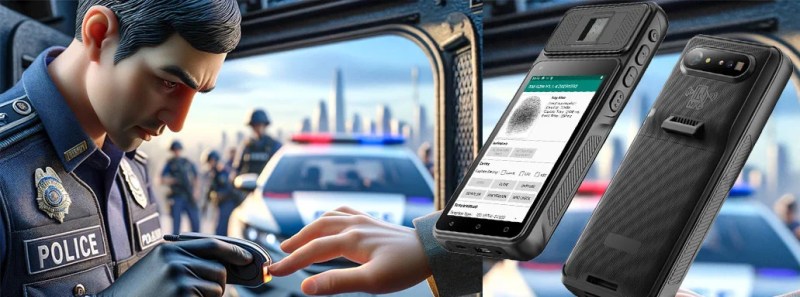
The Complete Overview of the Best Safest Police Scanner
The evolution of police scanners mirrors the broader trajectory of communication technology: from bulky, analog-only devices to compact, multi-band, digital-ready powerhouses. What began as a niche tool for ham radio enthusiasts and journalists in the 1950s has grown into a critical asset for emergency responders, private security firms, and even urban planners monitoring traffic patterns. Today’s top-rated safest police scanners are no longer just passive listeners—they’re active participants in the digital ecosystem, integrating GPS, data logging, and even AI-assisted frequency analysis.
Yet, the shift toward digital and encrypted communications has forced manufacturers to rethink design. Modern scanners must now contend with encrypted P25 (Project 25) systems, which dominate law enforcement bands in the U.S. and Europe. While older scanners could intercept unencrypted chatter, today’s most secure police scanners require advanced decoding capabilities—often via third-party software or proprietary firmware updates. This has created a bifurcation in the market: high-end units that decode P25 and NXDN (a Japanese standard) versus budget-friendly models limited to conventional VHF/UHF bands. The choice hinges on your primary use case—whether you need compliance monitoring, tactical intelligence, or simply situational awareness.
Historical Background and Evolution
The first police scanners emerged in the post-WWII era, when surplus military radios were repurposed for civilian use. By the 1970s, companies like Uniden and Grepsky introduced the first consumer-grade models, targeting hobbyists and journalists. These early devices were analog-only, relying on simple frequency modulation (FM) to pick up unencrypted transmissions. The golden age of police scanning arrived in the 1980s and 1990s, when analog systems dominated law enforcement communications, making interception relatively straightforward—though not without legal gray areas.
The turn of the millennium brought two seismic shifts: the rise of digital encryption and the FCC’s crackdown on scanner misuse. In 2007, the FCC’s Part 90 rules explicitly prohibited the use of scanners to intercept encrypted digital transmissions, a move that forced manufacturers to pivot. Today, the safest legal police scanners operate within a tightly regulated framework, often requiring users to register as "auxiliary communicators" or restrict monitoring to non-encrypted, public-safety bands. This regulatory landscape has pushed innovation toward hybrid models—units that can toggle between analog and digital modes while maintaining compliance.
Core Mechanisms: How It Works
At its core, a police scanner functions as a specialized radio receiver, tuned to specific frequency bands allocated for public safety (e.g., VHF 150–174 MHz, UHF 450–512 MHz, and 800 MHz trunking systems). The most reliable safest police scanners employ superheterodyne architecture, which translates incoming signals into a fixed intermediate frequency (IF) for processing. Modern units add layers of digital signal processing (DSP) to filter noise, enhance audio clarity, and even decode encrypted protocols—though legally, this is restricted to non-encrypted bands.
Key components include the antenna (often a high-gain directional or omnidirectional model), the tuner (which selects frequencies), and the decoder (for digital modes like P25). Higher-end scanners incorporate features like automatic band switching (ABS), which dynamically adjusts to trunked radio systems used by police and fire departments. Some advanced models also integrate with mobile apps for remote monitoring or logging, though these often require additional hardware like Raspberry Pi setups. The safest police scanner for legal use will prioritize compliance with FCC Part 90, avoiding any functionality that could be misused for eavesdropping or signal interference.
Key Benefits and Crucial Impact
The right best safest police scanner isn’t just a tool—it’s a gateway to real-time intelligence. For journalists, it’s the difference between breaking a story first or being left behind. For security professionals, it provides early warnings of unfolding incidents. Even for casual users, the ability to monitor emergency broadcasts during disasters can be a lifeline. Beyond practical applications, these devices foster transparency, allowing citizens to hold public agencies accountable by verifying official communications. Yet, the benefits are tempered by legal and ethical considerations: misuse can lead to fines, equipment seizures, or even criminal charges.
What sets the most secure police scanners apart is their ability to balance functionality with responsibility. Features like frequency logging (for legal documentation), built-in noise reduction, and compliance with FCC guidelines ensure users operate within the law. Additionally, the best units offer durability—whether for field use in rugged environments or long-term reliability in a home office. Investing in a scanner that aligns with your ethical and legal boundaries isn’t just prudent; it’s essential for sustainable, long-term use.
"A police scanner is only as good as its operator’s understanding of the law. The safest devices are those that don’t tempt users into crossing the line—whether through poor design or misleading marketing."
— Captain Richard Langley, Retired Law Enforcement Communications Officer
Major Advantages
- Legal Compliance: Adheres to FCC Part 90 rules, avoiding encrypted bands and ensuring no signal jamming or interference.
- Multi-Band Capability: Covers VHF, UHF, and 800 MHz trunking systems, providing broad coverage for different regions.
- Durability and Portability: Rugged construction with shock-resistant designs, ideal for field use or emergency response teams.
- Advanced Decoding: Supports non-encrypted digital modes (e.g., DMR, analog trunking) while avoiding P25/NXDN violations.
- User-Friendly Interface: Intuitive controls, customizable alerts, and optional app integration for remote monitoring.
Comparative Analysis
| Feature | Best Safest Police Scanner Options |
|---|---|
| Legal Compliance |
|
| Frequency Coverage |
|
| Durability |
|
| Advanced Features |
|

Future Trends and Innovations
The next generation of safest police scanners will likely integrate artificial intelligence to filter noise and prioritize critical transmissions. Companies are already experimenting with machine learning algorithms that can distinguish between routine chatter and emergency calls, reducing false alerts. Additionally, the rise of 5G and IoT-enabled public safety networks may force scanner manufacturers to develop hybrid devices capable of decoding both traditional radio and digital IP-based communications—though regulatory hurdles remain significant.
On the legal front, expect stricter enforcement of Part 90 rules, particularly as encrypted systems like P25 Phase 3 become standard. The most secure police scanners of the future may require biometric authentication or blockchain-based logging to ensure compliance. Meanwhile, open-source communities are pushing for "white-hat" scanning tools that legally monitor public safety frequencies while contributing anonymized data to disaster response efforts. The balance between innovation and legality will define the industry’s trajectory.
Conclusion
Selecting the best safest police scanner isn’t just about technical specifications—it’s about aligning your needs with ethical and legal boundaries. The right device will empower you to stay informed without compromising integrity or risking legal repercussions. Whether you’re a professional journalist, a security consultant, or a concerned citizen, prioritize units that offer transparency, durability, and compliance. The market has evolved beyond the days of simple analog receivers; today’s scanners are sophisticated tools that demand respect for their capabilities—and their limitations.
As technology advances, so too will the challenges of responsible monitoring. Staying ahead means investing in equipment that grows with the times, adapting to new regulations, and fostering a culture of accountability. The safest legal police scanners aren’t just products—they’re partners in public safety, provided they’re used with care and discernment.
Comprehensive FAQs
Q: Are police scanners legal to use?
A: Yes, but with strict conditions. The FCC’s Part 90 rules permit monitoring of non-encrypted public safety frequencies (e.g., VHF/UHF analog) as long as you don’t interfere with transmissions or decode encrypted digital signals (like P25). Always register as an auxiliary communicator if required in your state.
Q: Can I use a police scanner to listen to encrypted police radio?
A: No. Decoding encrypted digital transmissions (e.g., P25, NXDN) is illegal under FCC regulations. Only non-encrypted analog or digital modes (like DMR) are permissible for civilian use.
Q: What’s the difference between a trunking scanner and a conventional scanner?
A: Trunking scanners dynamically assign frequencies to multiple users (e.g., police dispatch systems), while conventional scanners lock onto a single fixed frequency. The best safest police scanner for trunking will include automatic band switching (ABS) to track these systems.
Q: Do I need a license to use a police scanner?
A: Generally, no—unless you’re transmitting (e.g., as a ham radio operator). However, some states require registration as an auxiliary communicator. Check local laws, as penalties for misuse can include fines or equipment confiscation.
Q: How do I choose between Uniden, Grepsky, and Whistler scanners?
A: Uniden offers the most advanced features (GPS, Bluetooth) but at a higher cost. Grepsky provides broader UHF coverage for urban use, while Whistler excels in simplicity and legal compliance. Your choice depends on budget, primary use case (journalism vs. casual monitoring), and regional frequency needs.
Q: Can a police scanner be used for emergency preparedness?
A: Absolutely. A reliable safest police scanner can provide real-time updates during disasters, helping you coordinate with authorities or avoid hazardous areas. Pair it with a backup power source (e.g., solar charger) for extended outages.
Q: Are there any risks of signal interference from police scanners?
A: Yes. Transmitting on police frequencies (even accidentally) or using jamming devices is illegal and can result in severe penalties. Always operate in receive-only mode and avoid modifying your scanner to transmit.
Q: How often should I update my police scanner’s firmware?
A: Regularly—manufacturers release updates to fix bugs, improve compatibility with new frequencies, and ensure FCC compliance. Check for updates every 3–6 months or enable automatic notifications.
Q: What’s the lifespan of a high-quality police scanner?
A: With proper care, a premium durable safest police scanner can last 5–10 years. Factors like battery health, environmental exposure, and firmware updates influence longevity. Store it in a dry, temperature-controlled space when not in use.
Q: Can I use a police scanner for business purposes (e.g., security firms)?h3>
A: Only if you comply with FCC rules and state laws. Security firms may need additional licensing. Always consult legal counsel to avoid unintended violations, especially when monitoring sensitive client operations.
Leave a Comment
Comments are moderated before appearing. The data you submit is processed according to the Privacy Policy of versiliasolutions.oneagency.co.