The Secret to Perfect Boneless Beef Short Ribs Recipe: A Masterclass
Table of Contents
- The Complete Overview of Boneless Beef Short Ribs Recipe
- Historical Background and Evolution
- Core Mechanisms: How It Works
- Key Benefits and Crucial Impact
- Major Advantages
- Comparative Analysis
- Future Trends and Innovations
- Conclusion
- Comprehensive FAQs
- Q: Can I substitute boneless beef short ribs with another cut?
- Q: How do I prevent the ribs from drying out?
- Q: What’s the best way to store leftovers?
- Q: Can I make this recipe in an Instant Pot?
- Q: How can I add depth to the sauce without wine or tomato?
- Q: What sides pair best with boneless beef short ribs?
Boneless beef short ribs represent the pinnacle of comfort food—where rich, caramelized flavors meet melt-in-your-mouth tenderness. Unlike their bone-in counterparts, they offer unparalleled ease of preparation without sacrificing depth. The key lies in understanding their unique texture profile: lean yet marbled, designed to absorb slow-cooking techniques that transform tough cuts into velvety perfection. This is not just a recipe; it’s a study in patience, where hours of simmering yield a dish that feels like a hug on a plate.
The allure of the boneless beef short ribs recipe extends beyond its simplicity. Chefs and home cooks alike gravitate toward it for its versatility—equally at home in a rustic stew, a refined braise, or a showstopping pasta dish. The absence of bones streamlines plating while preserving the meat’s natural richness, making it a favorite for both weeknight dinners and special occasions. Yet, mastering it requires more than just following steps; it demands an appreciation for the science behind collagen breakdown and the art of balancing sweet, savory, and umami profiles.
What separates an ordinary beef short rib preparation from an extraordinary one? The answer lies in technique: a precise sear to lock in juices, a strategic deglaze to preserve flavor, and a slow simmer that renders fat while tenderizing the meat. This guide decodes those techniques, offering a roadmap to achieve restaurant-quality results in your own kitchen—without the guesswork.
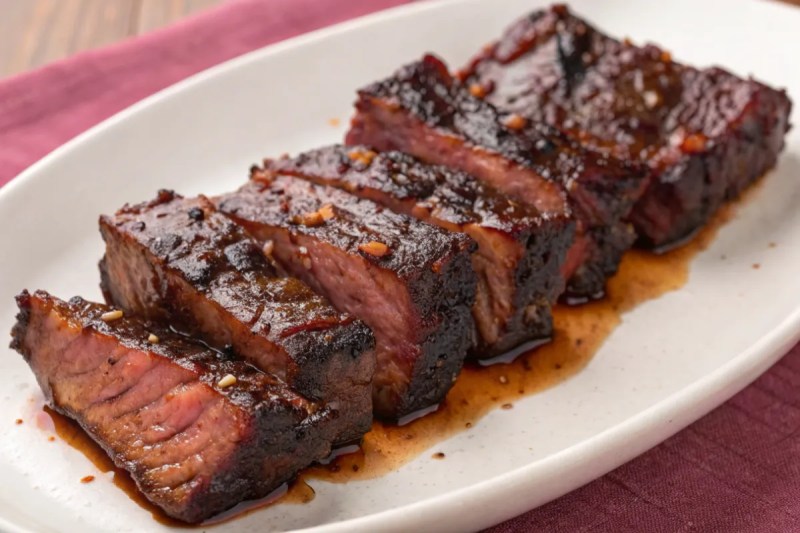
The Complete Overview of Boneless Beef Short Ribs Recipe
The boneless beef short ribs recipe is a testament to culinary alchemy, where inexpensive cuts of meat are elevated through time and temperature control. Unlike bone-in ribs, which require careful handling to avoid splintering, boneless versions offer a cleaner canvas for experimentation. They’re prized for their ability to absorb marinades and braising liquids, making them ideal for global cuisines—from Italian stracotto to Korean galbi-jjim. The trade-off? A slightly shorter cooking window, as the meat’s natural structure lacks the protective collagen of bones. But with the right approach, the result is a dish that’s both efficient and deeply satisfying.At its core, this recipe hinges on two principles: low-and-slow cooking and layered seasoning. The former breaks down connective tissue into gelatin, while the latter ensures every bite carries complexity. Whether you’re working with rib tips, flat iron cuts, or pre-trimmed short ribs, the goal remains consistent: to achieve a texture that’s tender yet resilient, with a surface crust that’s crisp enough to stand up to rich sauces. The boneless beef short ribs recipe isn’t just about the end product—it’s about the journey, where each step builds toward a dish that feels both rustic and refined.
Historical Background and Evolution
The origins of beef short ribs trace back to medieval Europe, where resourceful cooks developed methods to tenderize tough cuts using salt, vinegar, and long simmering. By the 18th century, French cuisine bourgeoise refined these techniques, introducing the concept of braisage—a slow-cooking method that became the foundation for modern stews and pot roasts. The shift to boneless preparations emerged later, driven by practicality in home kitchens and the rise of modern butchery practices. Today, the boneless beef short ribs recipe bridges tradition and innovation, adapting to global palates while retaining its core principles.In the 20th century, the dish gained prominence in American and European bistros, where it was reimagined as a centerpiece for its ability to pair with bold wines and hearty sides. Chefs like Julia Child popularized it in home cooking, emphasizing the importance of proper seasoning and acid balance. Meanwhile, Asian cuisines adopted it with their own twists—Japanese karaage-style frying for quick searing, or Chinese red-cooked techniques using soy and star anise. The evolution of the boneless beef short ribs recipe mirrors broader culinary trends: a move toward efficiency without sacrificing depth.
Core Mechanisms: How It Works
The magic of the boneless beef short ribs recipe lies in its collagen-to-gelatin conversion, a process that begins at around 160°F (71°C) and completes near 203°F (95°C). As the meat simmers, connective tissues dissolve into the liquid, which is then reduced to form a glossy, flavor-packed sauce. This dual-purpose technique not only tenderizes the meat but also creates a sauce that clings to each bite. The absence of bones accelerates this process slightly, as there’s no need to account for the insulating effect of marrow.Seasoning plays an equally critical role. A dry brine of salt and pepper penetrates the meat overnight, while aromatic vegetables (carrots, celery, onions) form a socca—a flavor base that infuses the cooking liquid. Acidic ingredients like red wine or tomato paste cut through the richness, while sweet elements (honey, brown sugar) caramelize during searing. The result is a harmonious balance: the meat’s natural umami amplified by a sauce that’s both silky and complex. Understanding these mechanics allows cooks to customize the boneless beef short ribs recipe to their taste—whether leaning toward smoky BBQ, herby Provençal, or sweet-and-sour Asian profiles.
Key Benefits and Crucial Impact
Few dishes embody the philosophy of slow cooking as effectively as the boneless beef short ribs recipe. It’s a celebration of patience, where hours in the oven or on the stovetop yield a dish that’s far more rewarding than its preparation time suggests. For home cooks, this recipe democratizes gourmet techniques, proving that restaurant-quality results are achievable with basic equipment. The versatility of the finished product—equally suited to sandwiches, tacos, or pasta—makes it a staple for meal preppers and busy professionals alike.Beyond its practical advantages, the boneless beef short ribs recipe offers a sensory experience that’s hard to replicate. The contrast between the meat’s velvety interior and its caramelized exterior creates a textural symphony, while the sauce’s depth satisfies even the most discerning palates. It’s a dish that transcends cultural boundaries, adapting to regional ingredients while retaining its core appeal: comfort with sophistication.
"A well-braised short rib is like a love letter to the palate—rich, tender, and impossible to resist." — Jacques Pépin
Major Advantages
- Efficiency: Boneless cuts cook faster than bone-in ribs, reducing total time without compromising tenderness.
- Versatility: The recipe adapts to braising, grilling, or even sous-vide, making it suitable for any cooking method.
- Flavor Concentration: Without bones to dilute the sauce, every spoonful delivers maximum umami and depth.
- Presentation: The absence of bones simplifies plating, allowing for elegant garnishes and sauces.
- Cost-Effectiveness: Short ribs are often more affordable than premium cuts like filet mignon, offering luxury at a lower price.
Comparative Analysis
| Boneless Beef Short Ribs | Bone-In Beef Short Ribs |
|---|---|
| Cooks 20–30% faster due to no bone mass. | Requires longer braising (3–5 hours) to render collagen from bones. |
| Sauce is more concentrated; no bone marrow to dilute flavors. | Bone marrow infuses the sauce with a deeper, earthy richness. |
| Ideal for quick weeknight meals or meal prep. | Better suited for slow-cooked, labor-intensive dishes like French poulet à la royale. |
| Easier to slice and serve; no bone handling. | Requires careful carving to avoid splintering. |

Future Trends and Innovations
As home cooking continues to evolve, the boneless beef short ribs recipe is poised to embrace new techniques. Sous-vide precision cooking, for instance, allows for exact temperature control, ensuring collagen breakdown without overcooking. Meanwhile, global fusion trends are pushing the dish into uncharted territory—think Korean galbi meets Italian ragù, or Japanese miso-braised ribs with a French reduction. Sustainability is also shaping the future, with chefs opting for grass-fed or ethically sourced beef to align with modern values.Technology will play a role, too. Smart slow cookers with app integration could optimize cooking times based on cut thickness, while AI-driven recipes might suggest pairings based on dietary preferences. Yet, at its heart, the boneless beef short ribs recipe will remain rooted in tradition: a celebration of time-honored methods that deliver unmatched comfort.
Conclusion
The boneless beef short ribs recipe is more than a culinary technique—it’s a philosophy. It teaches that great food isn’t about shortcuts but about respecting the process, from the initial sear to the final reduction. Whether you’re a seasoned chef or a home cook, this dish offers a blank canvas to experiment with flavors, textures, and presentation. The key is to approach it with curiosity, understanding that the best results come from balancing science and intuition.As you prepare your own batch, remember: the secret isn’t in the recipe itself but in your willingness to savor each step. The sizzle of the sear, the aroma of the braising liquid, the moment the meat yields to a fork—these are the intangibles that elevate a simple dish into something extraordinary. Now, roll up your sleeves and get cooking.
Comprehensive FAQs
Q: Can I substitute boneless beef short ribs with another cut?
A: While short ribs are ideal, you can use chuck roast, beef brisket, or even pork shoulder in a pinch. Adjust cooking time—pork requires less time due to its lower collagen content, while beef chuck benefits from an extra 30–60 minutes of braising.
Q: How do I prevent the ribs from drying out?
A: Keep the meat submerged in liquid throughout cooking. If using a Dutch oven, add enough liquid to cover the ribs by at least 1 inch. For oven braising, tent with foil to retain moisture, and avoid lifting the lid unnecessarily.
Q: What’s the best way to store leftovers?
A: Let the ribs cool to room temperature, then refrigerate in an airtight container with any remaining sauce. They’ll keep for 3–4 days. For longer storage, freeze in portions; reheat in the sauce or with a splash of water to restore moisture.
Q: Can I make this recipe in an Instant Pot?
A: Yes, but with adjustments. Sear the ribs first, then cook on high pressure for 40 minutes (for 2–3 lbs of meat). Release pressure naturally, then reduce the sauce on the stovetop. The texture will be slightly different—more fork-tender than gelatinous—but still delicious.
Q: How can I add depth to the sauce without wine or tomato?
A: Use a combination of soy sauce, fish sauce, or Worcestershire for umami, plus a touch of miso paste or coconut aminos for complexity. For acidity, try apple cider vinegar or lemon juice. A splash of stout beer or coffee can also add richness.
Q: What sides pair best with boneless beef short ribs?
A: Hearty starches like creamy mashed potatoes, polenta, or crusty bread complement the dish. For contrast, add bitter greens (arugula, radicchio) or roasted root vegetables. A sharp mustard or horseradish sauce cuts through the richness.
Leave a Comment
Comments are moderated before appearing. The data you submit is processed according to the Privacy Policy of versiliasolutions.oneagency.co.