The Secret to Perfect Boneless Short Ribs Recipe: A Masterclass
Table of Contents
- The Complete Overview of a Boneless Short Ribs Recipe
- Historical Background and Evolution
- Core Mechanisms: How It Works
- Key Benefits and Crucial Impact
- Major Advantages
- Comparative Analysis
- Future Trends and Innovations
- Conclusion
- Comprehensive FAQs
- Q: Can I substitute boneless short ribs for bone-in in a recipe?
- Q: How do I prevent boneless short ribs from drying out?
- Q: What’s the best liquid for braising boneless short ribs?
- Q: Can I cook boneless short ribs in an Instant Pot?
- Q: How should I store and reheat leftover boneless short ribs?
- Q: What’s the ideal internal temperature for perfectly cooked boneless short ribs?
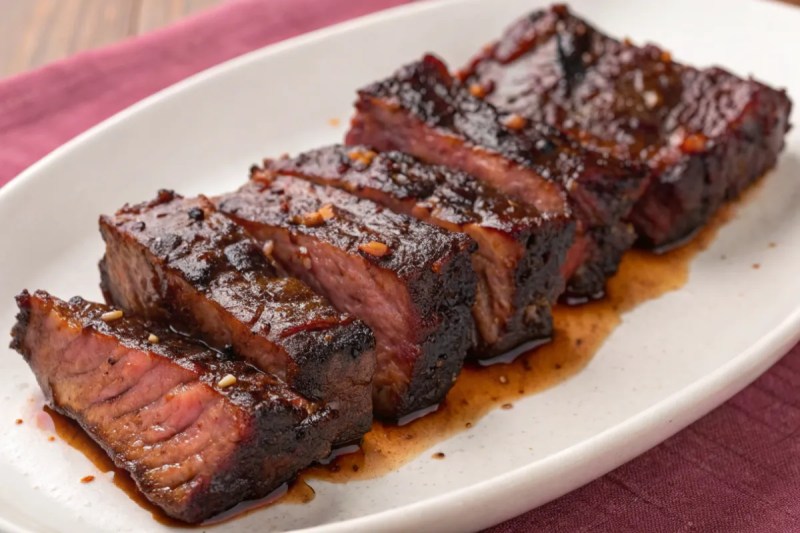
The first time a boneless short ribs recipe crosses your kitchen counter, it doesn’t just promise a meal—it delivers a revelation. Unlike their bone-in counterparts, these ribs are stripped of their natural weight, transforming into a velvety, tender slab of meat that clings to the bone’s absence with unmatched precision. The key lies in the cut itself: the chuck primal, rich in marbling and connective tissue, yields when braised or slow-cooked, dissolving into a texture that’s both luxurious and effortless. Yet, mastering this dish isn’t about shortcuts; it’s about understanding the science of collagen breakdown, the alchemy of acid and fat, and the patience required to turn a tough cut into something so tender it nearly melts on the tongue.
What separates a good boneless short ribs recipe from a great one? The answer isn’t just technique—it’s intuition. The right balance of acidity (a splash of wine or vinegar), the slow simmer that coaxes out the meat’s natural juices, and the finishing touch of a high-heat sear to lock in flavor. This isn’t a dish for the impatient; it’s a labor of love that rewards with a depth of flavor and tenderness that bone-in ribs can’t always match. The absence of bone doesn’t weaken the experience—it refines it, allowing the meat to shine in ways that feel almost indulgent.
But here’s the paradox: despite its simplicity, the boneless short ribs recipe remains underrated. Home cooks often shy away from it, assuming it’s too finicky or that the bone-in version is superior. The truth? This cut is a blank canvas, adaptable to braising, grilling, or even sous vide, and its versatility makes it a staple in professional kitchens worldwide. Whether you’re serving it at a dinner party or treating yourself to a weeknight indulgence, the result is a dish that feels both rustic and refined—a testament to how the right technique can elevate the ordinary into the extraordinary.

The Complete Overview of a Boneless Short Ribs Recipe
A boneless short ribs recipe is more than a cooking method; it’s a philosophy of meat preparation. The cut, typically sourced from the chuck or plate primal, is prized for its high collagen content, which breaks down during slow cooking into gelatin, enriching the dish with moisture and depth. Unlike bone-in ribs, which require careful trimming and longer cooking times to avoid dryness, boneless short ribs cook uniformly, absorbing flavors and marinades with efficiency. This makes them ideal for braising, where the meat is submerged in liquid, allowing it to tenderize without losing structural integrity. The result is a dish that’s forgiving yet demanding—perfect for both novice cooks and seasoned chefs looking to refine their skills.
The beauty of this recipe lies in its adaptability. It can be prepared in a Dutch oven on the stovetop, in a slow cooker for hands-off cooking, or even in an Instant Pot for those who prioritize speed without sacrificing quality. Each method offers a unique texture and flavor profile, from the caramelized crust of a stovetop braise to the fall-apart tenderness of a slow-cooked version. The absence of bone also simplifies plating, making it a favorite for restaurants that prioritize presentation. Yet, despite its versatility, the core principle remains: patience. Rushing the process risks tough, dry meat, while proper timing yields a dish that’s rich, succulent, and impossible to resist.
Historical Background and Evolution
The tradition of slow-cooking short ribs stretches back centuries, rooted in the necessity of preserving meat in colder climates. Before refrigeration, braising was a practical solution to tenderize tough cuts, and short ribs—with their high collagen content—were a natural choice. The technique spread across cultures, evolving with regional ingredients: French bœuf bourguignon relied on red wine and mushrooms, while Korean galbi-jjim incorporated soy sauce and pear for balance. The shift to boneless preparations is a more modern innovation, driven by convenience and the rise of home cooking where precision and presentation matter as much as flavor.
In professional kitchens, the boneless short ribs recipe gained traction in the late 20th century as chefs sought to streamline service while maintaining quality. The absence of bone reduced cooking times slightly and eliminated the need for careful bone removal, making it a staple in fast-casual and fine-dining establishments alike. Today, the dish is celebrated for its versatility—equally at home in a rustic stew or as the centerpiece of an upscale tasting menu. Its evolution mirrors broader culinary trends: a balance between tradition and innovation, where technique meets creativity.
Core Mechanisms: How It Works
The magic of a boneless short ribs recipe hinges on two scientific principles: collagen conversion and moisture retention. Collagen, a protein found in connective tissue, begins to break down at temperatures between 160°F and 180°F (71°C–82°C), transforming into gelatin—a process that adds moisture and richness to the dish. This is why slow cooking, whether in a liquid bath or under controlled heat, is essential. The meat’s natural fats render during cooking, further enhancing flavor and texture. Meanwhile, the absence of bone allows for more even heat distribution, ensuring the entire cut reaches the ideal doneness without overcooking the exterior.
Acidity plays a critical role in tenderizing the meat, as it helps break down proteins and denature the collagen. A splash of wine, vinegar, or even citrus juice in the braising liquid accelerates this process, while aromatic vegetables like onions, carrots, and celery (the "holy trinity" of mirepoix) infuse the meat with layers of flavor. The final sear, often done in a hot pan or under a broiler, creates a Maillard reaction on the surface, sealing in juices and adding a caramelized crust that contrasts with the tender interior. This multi-step process is what transforms a simple cut of meat into a dish that feels luxurious.
Key Benefits and Crucial Impact
A boneless short ribs recipe isn’t just a meal—it’s a statement. For home cooks, it’s a way to impress without the fuss of bone-in preparations, offering a restaurant-quality result with minimal effort. For professionals, it’s a tool for efficiency, allowing for consistent texture and flavor across large batches. The dish’s adaptability—whether braised, grilled, or even deconstructed into tacos or ramen—makes it a culinary chameleon, capable of fitting into any cuisine or dietary preference. And perhaps most importantly, it’s a dish that transcends seasons, equally satisfying in the heat of summer or the chill of winter.
The impact of this recipe extends beyond the plate. It teaches patience, precision, and the value of technique over shortcuts. In an era of instant gratification, the slow-cooked short rib is a reminder that some of life’s best flavors require time. It’s a dish that builds confidence in the kitchen, proving that even the most intimidating cuts can yield extraordinary results with the right approach. For those who master it, the boneless short ribs recipe becomes more than a recipe—it’s a skill, a tradition, and a legacy passed down through generations of cooks.
"The secret to great short ribs isn’t just the cooking—it’s the confidence to let the meat do the work. The bone may be gone, but the soul remains."
— Chef Thomas Keller
Major Advantages
- Uniform Cooking: Without bone, the meat cooks evenly, eliminating the risk of dry edges or undercooked centers common in bone-in cuts.
- Faster Preparation: Boning the ribs upfront saves time during cooking, making it ideal for weeknight dinners or large gatherings.
- Versatility: The recipe adapts to braising, grilling, or even sous vide, allowing for creative variations like Korean-style galbi or Italian stracotto.
- Rich Flavor Profile: The high collagen content releases gelatin during cooking, creating a naturally saucy, velvety texture that’s hard to replicate with leaner cuts.
- Presentation-Friendly: The clean, unencumbered shape of boneless ribs makes them ideal for plating, whether stacked high on a dinner plate or served in a bread bowl.
Comparative Analysis
| Boneless Short Ribs | Bone-In Short Ribs |
|---|---|
| Cooks faster and more evenly; ideal for braising or slow cooking. | Requires longer cooking to avoid dryness; bone adds flavor but complicates timing. |
| More forgiving for beginners; less risk of overcooking. | Demands precision; bone can shield meat from heat, leading to uneven doneness. |
| Easier to plate; no need for bone removal. | Bone removal adds labor; plating requires careful presentation. |
| Versatile for tacos, ramen, or stews; no structural limitations. | Best suited for whole cuts or ribs; deconstructing requires extra effort. |
Future Trends and Innovations
The boneless short ribs recipe is poised for evolution, driven by advancements in cooking technology and shifting dietary trends. Sous vide and precision cooking are already changing how chefs approach tenderness, allowing for shorter cook times while maintaining the dish’s signature melt-in-your-mouth quality. Meanwhile, the rise of plant-based alternatives has spurred innovation in meat substitutes that mimic the texture and flavor of short ribs, catering to flexitarians and vegans without sacrificing depth. Expect to see more hybrid recipes—perhaps a blend of traditional braising techniques with modern fermentation or cold-smoking methods—to keep the dish fresh and relevant.
Sustainability will also play a role, with chefs sourcing ribs from grass-fed or regenerative farms to reduce environmental impact. The focus on nose-to-tail cooking may lead to creative uses of offcuts, like turning trimmings into broths or ground meat for burgers. As home cooks embrace multi-cooker devices (like air fryers or electric pressure cookers), the boneless short ribs recipe will likely see a resurgence in accessibility, proving that even the most classic dishes can adapt to the future without losing their soul.
Conclusion
A boneless short ribs recipe is more than a cooking technique—it’s a celebration of meat’s potential. By stripping away the bone, we don’t lose flavor; we gain control, precision, and a canvas for creativity. Whether you’re a home cook looking to elevate a weeknight dinner or a professional refining your menu, this dish offers a balance of tradition and innovation that’s hard to match. The key isn’t just following a recipe; it’s understanding the science behind it, respecting the ingredients, and trusting the process. In a world of quick meals and disposable dining, the slow-cooked short rib stands as a testament to the enduring power of patience and craftsmanship.
So the next time you’re faced with a slab of boneless short ribs, remember: this isn’t just another recipe. It’s an invitation to slow down, savor, and create something extraordinary. The bone may be gone, but the magic remains—and with the right approach, you’ll discover why this cut has stood the test of time.
Comprehensive FAQs
Q: Can I substitute boneless short ribs for bone-in in a recipe?
A: While the flavors are similar, the cooking times and techniques differ. Boneless ribs cook faster and more evenly, so reduce braising time by 20–30% and avoid overcooking. If the recipe relies on bone marrow flavor (e.g., a bone broth), consider adding a small amount of beef stock or a beef bone-in broth to mimic the depth.
Q: How do I prevent boneless short ribs from drying out?
A: The secret is low-and-slow cooking with liquid. Braise at a gentle simmer (180°F–200°F) and avoid boiling, which can toughen the meat. Adding a splash of acid (wine, vinegar, or citrus) and fatty ingredients (butter, cream, or bacon) helps retain moisture. For extra insurance, finish with a quick sear to lock in juices.
Q: What’s the best liquid for braising boneless short ribs?
A: A balanced braising liquid should include a mix of acid, fat, and aromatics. Start with a 1:1 ratio of red wine (or broth) to water, add a splash of vinegar or tomato paste for acidity, and include onions, garlic, carrots, and herbs like thyme or bay leaf. For richness, a splash of cream or a piece of butter at the end works wonders.
Q: Can I cook boneless short ribs in an Instant Pot?
A: Absolutely. Sear the ribs first, then add aromatics and liquid (broth, wine, or beer) to the pot. Cook on high pressure for 45–60 minutes, then allow a natural release for 10–15 minutes. The pressure cooker’s efficiency reduces cooking time while maintaining tenderness. For extra flavor, deglaze the pot with a splash of wine after searing.
Q: How should I store and reheat leftover boneless short ribs?
A: Store cooked ribs in an airtight container in the fridge for up to 4 days or freeze for 3 months. To reheat, warm in a skillet with a little broth or water over low heat until heated through (165°F internal temp). Avoid microwaving, as it can make the meat rubbery. For sandwiches or tacos, reheat briefly to retain texture.
Q: What’s the ideal internal temperature for perfectly cooked boneless short ribs?
A: Aim for 195°F–203°F (90°C–95°C) for maximum tenderness. At this range, the collagen has fully broken down, and the meat will be fork-tender. Use a meat thermometer to monitor doneness, inserting it into the thickest part of the cut. Overcooking beyond 205°F can dry out the meat, so pull them just as they reach the upper limit.
Leave a Comment
Comments are moderated before appearing. The data you submit is processed according to the Privacy Policy of versiliasolutions.oneagency.co.