The Hidden World of Bouncy House Rentals: What Parents and Event Planners Need to Know
Table of Contents
- The Complete Overview of Bouncy House Rentals
- Historical Background and Evolution
- Core Mechanisms: How It Works
- Key Benefits and Crucial Impact
- Major Advantages
- Comparative Analysis
- Future Trends and Innovations
- Conclusion
- Comprehensive FAQs
- Q: What safety certifications should I look for in a bouncy house rental provider?
- Q: How much does a typical inflatable party rental cost, and what factors influence pricing?
- Q: Are there age restrictions for using bounce houses, and how are they enforced?
- Q: Can bouncy house rentals be used in all weather conditions?
- Q: What’s the difference between a bounce house and an inflatable obstacle course?
- Q: How far in advance should I book a bouncy house rental for a summer event?
- Q: Are there eco-friendly options for inflatable entertainment rentals ?
- Q: What should I do if a child gets injured during a bounce house rental?
- Q: Can I rent a bounce house for a corporate event, and what themes work best?
- Q: How do I transport a bounce house if I’m renting from a local provider?
The first time a child’s laughter erupts from inside a towering, rainbow-colored inflatable castle, it’s impossible not to smile. Bouncy house rentals have become a cornerstone of children’s parties, community events, and even corporate gatherings, transforming ordinary spaces into playgrounds of joy. Yet behind the vibrant exteriors lies a complex industry—one governed by safety regulations, shaped by technological advancements, and driven by ever-evolving consumer demands. Understanding how bouncy house rentals function, their impact on events, and the nuances of selecting the right provider can mean the difference between a memorable celebration and a logistical nightmare.
What begins as a simple rental inquiry often uncovers layers of consideration: the structural integrity of inflatable structures, the hidden costs of delivery and setup, or the legal liabilities of operating one. Parents and event organizers alike grapple with questions about age restrictions, weather limitations, and even the environmental footprint of these temporary attractions. Meanwhile, the industry itself is in flux, with innovations in materials, safety certifications, and smart technology redefining what inflatable party rentals can offer. From backyard blowouts to large-scale festivals, the choice of bounce house isn’t just about entertainment—it’s about trust, preparation, and foresight.
Yet for all their popularity, bouncy houses remain misunderstood. Misconceptions about their durability, the skill required to operate them safely, or the true cost of renting persist. The truth is that bouncy house rentals are a calculated investment—one that requires research, negotiation, and an awareness of both the visible and invisible factors at play. Whether you’re a first-time party planner or a seasoned event professional, navigating this space demands more than a cursory glance at a company’s website. It requires a deep dive into the mechanics, the market, and the future of inflatable entertainment.
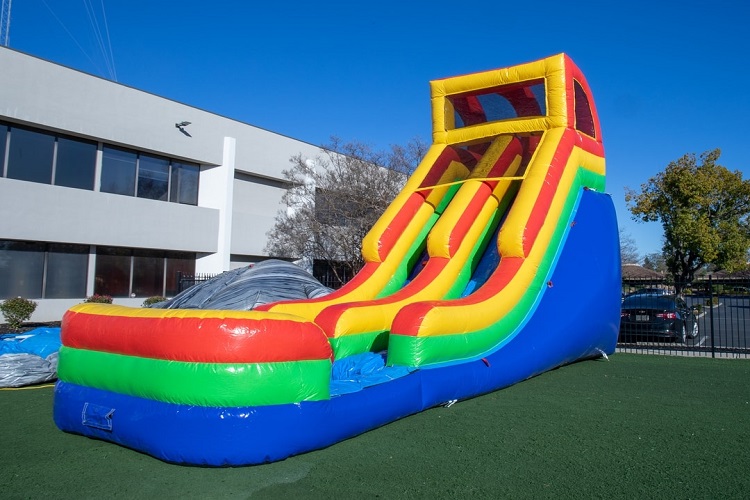
The Complete Overview of Bouncy House Rentals
Bouncy house rentals represent a multi-billion-dollar segment of the event entertainment industry, blending simplicity with sophistication. At their core, these inflatable structures are designed to provide hours of active play, making them a staple at birthday parties, fairs, and corporate functions. Their appeal lies in their versatility—whether it’s a compact bounce house for a small gathering or a multi-level obstacle course for a large crowd, the options are vast. What’s often overlooked, however, is the infrastructure that supports them: the fleet of vehicles for transport, the trained staff for setup, and the compliance with local safety codes that ensure every rental meets stringent standards.
The industry’s growth reflects broader cultural shifts. As parents seek interactive, screen-free entertainment for children, and as event planners prioritize experiences over static decor, inflatable party rentals have become a go-to solution. Companies specializing in these services have expanded their offerings beyond basic bounce houses to include themed structures, water slides, and even VR-enhanced play zones. This evolution has turned what was once a novelty into a specialized service requiring expertise in logistics, customer service, and risk management. For those considering a rental, the first step is recognizing that this is not a one-size-fits-all product—each structure, provider, and event demands a tailored approach.
Historical Background and Evolution
The origins of bouncy house rentals can be traced back to the 1970s, when inflatable amusement parks began popping up at fairs and carnivals. These early versions were rudimentary—often little more than large fabric tents with elasticized floors—and were primarily used for adult entertainment or novelty attractions. It wasn’t until the 1980s that bounce houses evolved into the family-friendly structures we recognize today, thanks to advancements in synthetic fabrics and portable inflation systems. The shift toward child-centric designs coincided with the rise of the "experience economy," where consumers began prioritizing memorable interactions over material goods.
By the 2000s, the industry had professionalized. Companies emerged that specialized exclusively in inflatable party rentals, offering standardized safety certifications, insurance coverage, and nationwide delivery networks. The introduction of high-strength PVC fabrics and reinforced seams improved durability, while innovations like UV-resistant coatings extended the lifespan of these structures. Today, the market is dominated by franchised operators with rigorous training programs for staff, ensuring that every setup adheres to industry best practices. This evolution from a carnival sideshow to a regulated, high-demand service underscores the industry’s maturity—and the level of expertise now required to operate within it.
Core Mechanisms: How It Works
The functionality of a bouncy house rental hinges on three key components: the structure itself, the inflation system, and the anchoring mechanism. The fabric housing is typically constructed from layered PVC or vinyl, reinforced with polyester or nylon fibers to withstand the wear and tear of repeated use. Inside, the floor consists of a stretchy, elastic material—often a high-density polyethylene (HDPE) webbing—that provides the signature bounce. This webbing is anchored to a heavy-duty frame, usually made of steel or aluminum, which distributes weight evenly and prevents collapse under heavy use.
The inflation process is equally critical. Most modern bounce houses use electric blowers to fill the structure with air in minutes, though some larger units may require industrial-grade compressors. Once inflated, the structure is secured to the ground using sandbags, stakes, or weighted anchors, depending on the terrain and local regulations. The entire process—from delivery to breakdown—is orchestrated by trained technicians who follow a checklist to ensure structural integrity. For event planners, this behind-the-scenes coordination is invisible but essential; a single misstep in anchoring or inflation could compromise safety, making the choice of provider as important as the choice of structure.
Key Benefits and Crucial Impact
The decision to incorporate bouncy house rentals into an event is rarely made on impulse. For parents, the primary draw is the immediate engagement it provides—children are active, happy, and distracted from screens, while adults benefit from a low-maintenance entertainment option. For businesses, bounce houses serve as a draw for corporate retreats or team-building exercises, offering a break from traditional activities. The impact, however, extends beyond the event itself: well-managed rentals can enhance a company’s reputation for reliability, while poorly executed setups risk liability issues and negative reviews. The key to leveraging these benefits lies in understanding the trade-offs—balancing cost, safety, and convenience without compromising on quality.
Beyond the practical advantages, inflatable party rentals play a psychological role in event success. Studies in child development suggest that physical play boosts cognitive function, coordination, and social skills, making bounce houses more than just a fun addition—they’re an investment in children’s growth. For event planners, the presence of a bounce house can also signal a commitment to creating a dynamic atmosphere, differentiating a party from a static, decor-heavy affair. The challenge, then, is to select a provider that aligns with these goals, offering not just a product, but a seamless experience.
"A bounce house isn’t just an attraction; it’s a statement about the values of the event—safety, inclusivity, and joy. The best providers don’t just deliver a structure; they deliver peace of mind."
—Sarah Chen, Event Safety Consultant, PlaySafe Industries
Major Advantages
- Instant Entertainment: Bounce houses eliminate the need for structured activities, allowing children to engage independently while adults supervise from a distance.
- Space Efficiency: Unlike traditional playgrounds, inflatable structures can be set up in small backyards, parking lots, or even indoor venues, making them ideal for urban or limited-space events.
- Customization Options: From themed designs (e.g., castles, spaceships) to multi-level obstacle courses, providers offer structures tailored to age groups, event themes, and budget constraints.
- Safety Certifications: Reputable bouncy house rental companies adhere to ASTM International standards and local safety codes, reducing the risk of accidents when properly managed.
- Turnkey Service: Many providers include delivery, setup, breakdown, and cleanup, allowing event organizers to focus on other logistics without added stress.
Comparative Analysis
Not all bouncy house rentals are created equal, and the differences between providers can significantly impact an event’s success. Below is a comparison of key factors to consider when evaluating options:
| Factor | Traditional Rental Companies | Franchise/National Chains | Local/Independent Operators |
|---|---|---|---|
| Pricing | Mid-range; may offer discounts for multi-day rentals. | Higher upfront cost but often includes insurance and nationwide support. | Variable; may be cheaper but could lack transparency in fees. |
| Safety Compliance | Varies; some may not meet ASTM standards. | Strict adherence to industry certifications and regular inspections. | Depends on operator; smaller companies may cut corners. |
| Delivery & Setup | Local delivery only; setup times may be longer. | Nationwide delivery with dedicated crews; faster turnaround. | Limited by geographic reach; setup may require DIY assistance. |
| Customization | Standardized options; limited themed designs. | Extensive themed and modular structures available. | Highly personalized but may lack variety. |

Future Trends and Innovations
The bouncy house rental industry is on the cusp of transformation, driven by advancements in materials science and smart technology. One of the most promising developments is the integration of eco-friendly fabrics, such as recycled PVC or biodegradable alternatives, which address growing consumer concerns about sustainability. Additionally, the rise of augmented reality (AR) and interactive projections is poised to redefine inflatable play spaces, turning them into dynamic, tech-enhanced environments. Imagine a bounce house that projects games onto its walls or responds to children’s movements with light and sound—these innovations are already in testing phases and could become standard within the next decade.
Another emerging trend is the hybridization of bounce houses with other event elements. For example, some providers are experimenting with modular designs that can be combined with trampolines, water slides, or even mini-golf courses, creating multi-activity complexes for large events. Meanwhile, data analytics are being used to optimize fleet management, allowing companies to predict demand, reduce downtime, and even personalize recommendations for customers based on past event sizes and preferences. As the industry continues to evolve, the line between traditional inflatable party rentals and high-tech entertainment experiences will blur, offering planners more creative freedom than ever before.
Conclusion
The world of bouncy house rentals is far more complex than it appears at first glance. What seems like a simple addition to a party involves careful consideration of safety, logistics, and cost—factors that can make or break an event. For parents and planners, the key is to approach the process with informed skepticism: research providers thoroughly, ask the right questions, and never underestimate the importance of a well-executed setup. The best rentals don’t just deliver a bounce house; they deliver an experience that aligns with the event’s goals, whether that’s pure fun, team-building, or creating lasting memories.
As the industry advances, those who stay ahead of trends—whether by adopting sustainable materials, leveraging technology, or prioritizing safety—will set the standard for inflatable entertainment rentals. For consumers, the message is clear: the effort put into selecting a provider today will determine the joy experienced tomorrow. In a world where every detail matters, a bounce house isn’t just an accessory—it’s an investment in happiness.
Comprehensive FAQs
Q: What safety certifications should I look for in a bouncy house rental provider?
A: Prioritize providers certified by ASTM International (specifically ASTM F2478 for bounce houses) and those compliant with local and state safety codes. Reputable companies will display these certifications on their website and provide proof upon request. Additionally, check if their insurance covers liability for injuries, as this is non-negotiable for legal protection.
Q: How much does a typical inflatable party rental cost, and what factors influence pricing?
A: Costs vary widely based on location, structure size, and rental duration. A basic bounce house for a 4-hour party might range from $100 to $300, while premium themed units or multi-day rentals can exceed $1,000. Factors like delivery fees (often $50–$150), setup time, and additional services (e.g., face painting, extra staff) will further impact the total. Always ask for a detailed breakdown to avoid hidden charges.
Q: Are there age restrictions for using bounce houses, and how are they enforced?
A: Most providers recommend bounce houses for children ages 3–12, with height or weight limits (typically under 150 lbs). Enforcement varies: some companies assign a staff member to supervise, while others rely on parental oversight. Always confirm the provider’s age policy and whether they offer adult-only or mixed-age structures for larger events.
Q: Can bouncy house rentals be used in all weather conditions?
A: No. Most inflatables are not suitable for rain, high winds (over 20 mph), or extreme temperatures (below 40°F or above 90°F). Providers will typically cancel setups for inclement weather, so ensure your contract includes a weather contingency clause. For outdoor events, always check the forecast and have a backup plan, such as a tented area or indoor alternative.
Q: What’s the difference between a bounce house and an inflatable obstacle course?
A: While both fall under inflatable party rentals, bounce houses are designed for free-form jumping, whereas obstacle courses feature structured challenges like tunnels, slides, and climbing walls. Obstacle courses are ideal for older children or competitive events, while bounce houses suit younger kids or casual play. Some providers offer hybrid models that combine elements of both.
Q: How far in advance should I book a bouncy house rental for a summer event?
A: Popular dates (especially weekends in June–August) book out months in advance. Aim to reserve at least 8–12 weeks prior, particularly if you’re working with a national chain or during peak season. Local operators may have shorter lead times, but confirm availability early to avoid disappointment. Pro tip: Book during off-peak hours (e.g., weekdays) for better rates and availability.
Q: Are there eco-friendly options for inflatable entertainment rentals?
A: Yes. Some providers now offer bounce houses made from recycled PVC or biodegradable materials, though these may be pricier. Look for companies that participate in fabric recycling programs or use solar-powered inflators to reduce their carbon footprint. Ask about their sustainability practices—transparency in this area is a good sign.
Q: What should I do if a child gets injured during a bounce house rental?
A: First, ensure the child receives immediate medical attention. Document the incident with photos, witness statements, and the provider’s incident report. Contact your rental company to file a claim and review your insurance policy for coverage. If the injury was due to negligence (e.g., improper setup), consult a lawyer specializing in event liability. Always choose providers with robust emergency protocols in place.
Q: Can I rent a bounce house for a corporate event, and what themes work best?
A: Absolutely. Corporate events often use bounce houses for team-building or as a break activity during conferences. Themed options like "ninja warrior" courses or "space adventure" structures add a playful element to professional settings. Avoid overly childish themes unless the audience includes families; instead, opt for neutral or activity-focused designs that appeal to all ages.
Q: How do I transport a bounce house if I’m renting from a local provider?
A: Most local providers deliver and set up the structure, but if you’re handling transport yourself, you’ll need a truck or trailer with a ramp to load the deflated unit. Measure your vehicle’s cargo space beforehand—standard bounce houses require at least 8–10 feet of length and 4–5 feet of height. Never attempt to transport an inflated structure, as it poses a safety hazard and could damage the unit.
Leave a Comment
Comments are moderated before appearing. The data you submit is processed according to the Privacy Policy of versiliasolutions.oneagency.co.