Can Babies Have Maple Syrup? The Full Truth on Safety, Risks, and Alternatives
Table of Contents
- The Complete Overview of Can Babies Have Maple Syrup
- Historical Background and Evolution
- Core Mechanisms: How It Works
- Key Benefits and Crucial Impact
- Major Advantages
- Comparative Analysis
- Future Trends and Innovations
- Conclusion
- Comprehensive FAQs
- Q: Is pure maple syrup safer than honey for babies?
- Q: Can I give my 9-month-old a tiny bit of maple syrup on toast?
- Q: My family traditionally uses maple syrup for teething babies. Is there a "safe" way?
- Q: Does organic or grade B maple syrup have fewer risks for babies?
- Q: My toddler loves maple syrup on pancakes. How much is "too much"?
- Q: Are there any maple syrup products designed for babies?
- Q: What are the signs that my baby is sensitive to maple syrup?
- Q: Can maple syrup replace breast milk or formula?
The golden liquid dripping from a maple tree has been a breakfast staple for generations, but when it comes to can babies have maple syrup, the answer isn’t as simple as pouring a dollop onto pancakes. Pediatric nutritionists and health authorities have long debated the appropriateness of maple syrup for infants, not because of its cultural charm, but due to its concentrated sugar content and potential health implications. While maple syrup’s natural origin might make it seem like a safer sweetener than refined table sugar, its high fructose and glucose levels raise concerns—especially for a developing baby’s metabolism and dental health.
The confusion often stems from misconceptions about "natural" sweeteners. Parents may assume that because maple syrup isn’t chemically processed like high-fructose corn syrup, it poses no risk. However, the American Academy of Pediatrics (AAP) and the World Health Organization (WHO) emphasize that can babies have maple syrup depends on age, quantity, and dietary context. For infants under 12 months, the focus should be on breast milk or formula, with solids introduced gradually after six months—none of which should include added sugars, including maple syrup. Even for toddlers, the recommendation is cautious, as excessive sugar intake can contribute to obesity, tooth decay, and metabolic disorders later in life.
What makes this question particularly complex is the cultural and regional variations in infant feeding practices. In some Indigenous communities, maple syrup is traditionally used in small amounts for older babies, while Western pediatric guidelines lean toward strict avoidance until at least age 2. The key lies in understanding the science behind sugar consumption in early development, the nutritional trade-offs, and how maple syrup compares to other sweeteners. This guide cuts through the ambiguity to provide clear, evidence-based answers.
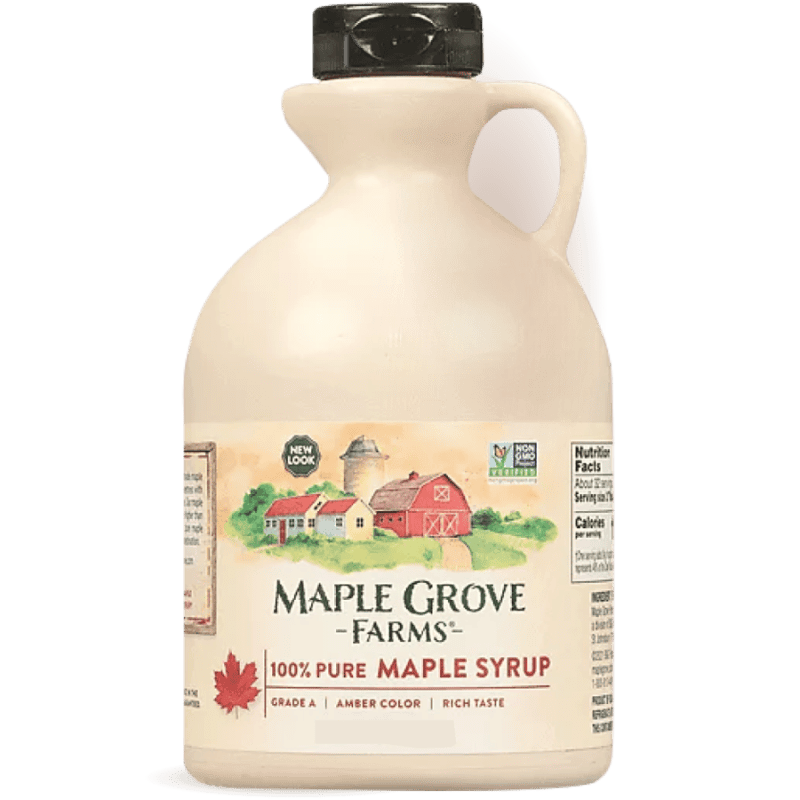
The Complete Overview of Can Babies Have Maple Syrup
The short answer to can babies have maple syrup is no—not for infants under 12 months, and only in minimal, occasional amounts for toddlers aged 1–2. The primary concern isn’t toxicity but the long-term impact of sugar exposure on a child’s health. Maple syrup, while less processed than white sugar, still contains roughly 60–70% sugar by volume, with a near-equal split between fructose and glucose. For a baby’s delicate digestive system and developing taste preferences, this level of sweetness can disrupt natural feeding patterns and encourage a preference for sugary foods.Pediatric nutritionists often highlight that the first year of life is critical for establishing healthy eating habits. Introducing sweeteners like maple syrup too early can train a baby to crave sugar, increasing the risk of childhood obesity and type 2 diabetes. The AAP’s guidelines explicitly recommend avoiding added sugars—including maple syrup—until after a child’s second birthday. This isn’t an arbitrary rule; it’s rooted in developmental biology. A baby’s kidneys, for instance, are still maturing, making them less efficient at processing high sugar loads. Even "natural" sugars in maple syrup can overwhelm this system if consumed regularly.
Historical Background and Evolution
Maple syrup’s role in human diet stretches back millennia, particularly among Indigenous peoples of North America, who used it as a preservative and energy source during long winters. Early European settlers adopted the practice, but traditional use was limited to small, controlled amounts—often as a condiment rather than a primary sweetener. It wasn’t until the 19th and 20th centuries, with the rise of industrialized food production, that maple syrup became a household staple, marketed as a "healthier" alternative to refined sugar.The shift in perception—from a seasonal delicacy to a pantry staple—coincided with growing concerns about sugar’s impact on public health. By the late 20th century, pediatric organizations began issuing warnings about early sugar exposure, positioning maple syrup in the same cautionary category as honey (due to botulism risks in infants under 1) and table sugar. The distinction between "natural" and "processed" sugars became less relevant in medical discourse, as research showed that the body metabolizes them similarly. This historical context explains why, despite its cultural significance, can babies have maple syrup is now met with skepticism by modern health authorities.
Core Mechanisms: How It Works
The body processes maple syrup’s sugars through a dual pathway: fructose is metabolized primarily in the liver, while glucose enters the bloodstream directly, triggering insulin release. In adults, this system is well-regulated, but in infants, the liver’s enzymatic pathways are still developing. Excess fructose, for example, can overwhelm a baby’s liver, leading to fat accumulation—a precursor to non-alcoholic fatty liver disease (NAFLD). Additionally, the rapid spike in blood glucose from maple syrup can cause energy crashes, leaving an infant irritable and disrupting sleep patterns.Another critical mechanism involves taste preference conditioning. Studies in developmental psychology show that infants exposed to sweet flavors early develop a stronger preference for sugary foods later in life. Maple syrup’s intense sweetness (often graded by "darkness," which correlates with sugar concentration) can reinforce this preference, making it harder to introduce less sweet, nutrient-dense foods like fruits or vegetables. This is why pediatricians often recommend delaying added sugars until after age 2, giving a child’s palate time to adapt to the natural sweetness of whole foods.
Key Benefits and Crucial Impact
While the risks of can babies have maple syrup are well-documented, it’s worth noting that maple syrup does contain trace minerals like manganese and zinc, which are essential for growth. However, these are present in such minuscule amounts that they don’t meaningfully contribute to a baby’s nutritional needs. The real "benefit" often cited by proponents is its "natural" status, but this is a double-edged sword: natural doesn’t equate to safe, especially when it comes to sugar density.The crux of the debate lies in moderation. Occasional, tiny amounts of maple syrup (e.g., a single drop on a teething biscuit for a 12-month-old) are unlikely to cause harm, but regular consumption—even in small doses—can have cumulative effects. The WHO recommends limiting added sugars to less than 10% of total daily calories for children, a threshold that’s easily exceeded with frequent maple syrup use. For babies, where caloric intake is tightly regulated, this becomes even more critical.
"Early sugar exposure isn’t just about cavities—it’s about rewiring a child’s relationship with food. The brain’s reward pathways become hyper-sensitive to sweetness, making healthy eating a lifelong challenge."
— Dr. Eliana Gil, Pediatric Nutritionist, Harvard Medical School
Major Advantages
Despite the risks, some parents and cultures argue for the inclusion of maple syrup in a baby’s diet under specific conditions. Here are the potential advantages—when balanced against the risks:- Cultural Tradition: In some Indigenous communities, maple syrup is introduced in minimal amounts as part of heritage diets, symbolizing shared family practices.
- Antioxidant Content: Darker grades of maple syrup contain polyphenols, which may have anti-inflammatory properties. However, the quantities in typical servings are negligible for a baby’s needs.
- Familiar Flavor Transition: For babies weaned from breast milk/formula, a very small taste of maple syrup (e.g., on oatmeal) might ease the transition to solid foods, though this is controversial.
- No Artificial Additives: Unlike many commercial syrups, pure maple syrup contains no preservatives or artificial flavors, making it a "cleaner" option if used sparingly.
- Quick Energy Source: The glucose in maple syrup can provide a rapid energy boost, which might be useful for active toddlers—though this should never replace balanced meals.
Comparative Analysis
To contextualize can babies have maple syrup, it’s helpful to compare it to other common sweeteners. Below is a side-by-side analysis of sugar sources and their suitability for infants and toddlers:| Sweetener | Safety for Babies/Toddlers |
|---|---|
| Maple Syrup | Avoid under 12 months; limit to <1 tsp/day for toddlers 1–2. High sugar concentration despite "natural" status. |
| Honey | Never under 1 year (botulism risk); can be introduced in tiny amounts after 12 months. |
| White Sugar | Avoid until after 2 years; linked to higher obesity risk when introduced early. |
| Fruit Purees (e.g., banana, apple) | Safe in moderation for babies 6+ months; natural sweetness without added sugars. |

Future Trends and Innovations
The conversation around can babies have maple syrup is evolving alongside broader shifts in pediatric nutrition. One emerging trend is the development of "low-sugar" maple syrup alternatives, where manufacturers reduce sugar content through dilution or fermentation processes. While these may offer a slightly safer option for toddlers, they still require careful monitoring. Another innovation is the rise of "functional" sweeteners derived from maple syrup, such as those enriched with probiotics or vitamins, though these are not yet widely available for infant consumption.Looking ahead, advances in gut microbiome research may provide clearer guidelines on how early sugar exposure affects long-term health. Current studies suggest that the gut bacteria of breastfed infants are more resilient to sugar disruptions, reinforcing the AAP’s stance on exclusive milk feeding for the first year. As cultural diets continue to globalize, there may also be a push for standardized international guidelines on when and how to introduce maple syrup—or any added sweetener—to babies, bridging the gap between tradition and modern health science.
Conclusion
The question of can babies have maple syrup boils down to a simple but critical principle: prioritize nutrition over nostalgia. While maple syrup holds a cherished place in many culinary traditions, its high sugar content makes it unsuitable for infants and risky for toddlers when consumed regularly. The goal of early childhood nutrition isn’t just to avoid harm but to foster lifelong healthy habits. Parents should focus on introducing whole, minimally processed foods—like mashed avocado, sweet potatoes, or steamed apples—to let a baby’s palate develop naturally.For those who wish to incorporate maple syrup into a toddler’s diet, the key is strict moderation: no more than a teaspoon per day, and only after consulting a pediatrician. Even then, it should be an occasional treat, not a dietary staple. The alternative? Embrace the natural sweetness of fruits and vegetables, which provide fiber, vitamins, and antioxidants without the metabolic drawbacks of concentrated sugars. In the end, the answer to can babies have maple syrup isn’t just about safety—it’s about setting the foundation for a lifetime of balanced eating.
Comprehensive FAQs
Q: Is pure maple syrup safer than honey for babies?
A: No. While honey is banned for infants under 1 due to botulism risks, maple syrup’s danger lies in its sugar content, not microbial hazards. Both should be avoided until at least 12 months, with maple syrup limited even for toddlers.
Q: Can I give my 9-month-old a tiny bit of maple syrup on toast?
A: The AAP advises against added sugars—including maple syrup—for babies under 12 months. At 9 months, focus on iron-rich foods like pureed meats or lentils. If you introduce solids early, opt for unsweetened options like mashed banana or pear.
Q: My family traditionally uses maple syrup for teething babies. Is there a "safe" way?
A: Some Indigenous practices include small amounts of maple syrup for older babies (12+ months) as a soothing agent. If you choose this path, use <1/4 teaspoon on a teething biscuit and monitor for signs of digestive upset or increased fussiness.
Q: Does organic or grade B maple syrup have fewer risks for babies?
A: Organic maple syrup may have lower pesticide residues, but the sugar concentration remains the same. Grade B (darker) syrup has a stronger flavor and slightly more minerals, but neither organic status nor grade changes the core risk: high sugar content.
Q: My toddler loves maple syrup on pancakes. How much is "too much"?
A: The AAP recommends limiting added sugars to <1 teaspoon per day for toddlers 1–2 years old. For a 2-year-old, this translates to ~4 grams of sugar—about 1 teaspoon of maple syrup. After age 2, gradually increase to <2 teaspoons/day as part of a balanced diet.
Q: Are there any maple syrup products designed for babies?
A: Currently, no commercial maple syrup products are marketed specifically for infants or toddlers. Always choose 100% pure maple syrup without additives, but avoid introducing it before age 1.
Q: What are the signs that my baby is sensitive to maple syrup?
A: Watch for digestive issues (gas, diarrhea, or constipation), increased fussiness, or signs of a sugar crash (lethargy or irritability). If introduced after 12 months, start with a microscopic amount (e.g., a drop) and observe for 24–48 hours.
Q: Can maple syrup replace breast milk or formula?
A: Absolutely not. Maple syrup lacks the protein, fats, and essential nutrients babies need for growth. It should never be used as a milk substitute, even in diluted forms.
Leave a Comment
Comments are moderated before appearing. The data you submit is processed according to the Privacy Policy of versiliasolutions.oneagency.co.