Can You Get Scammed on Cash App Sugar Daddy? Risks & Real Stories
Table of Contents
- The Complete Overview of Cash App Sugar Daddy Scams
- Historical Background and Evolution
- Core Mechanisms: How It Works
- Key Benefits and Crucial Impact
- Major Advantages
- Comparative Analysis
- Future Trends and Innovations
- Conclusion
- Comprehensive FAQs
- Q: Can you get scammed on Cash App sugar daddy arrangements?
- Q: Are there any red flags to watch for?
- Q: What should I do if I’ve been scammed?
- Q: Can Cash App reverse fraudulent transactions?
- Q: Are there safer alternatives for sugar daddy arrangements?
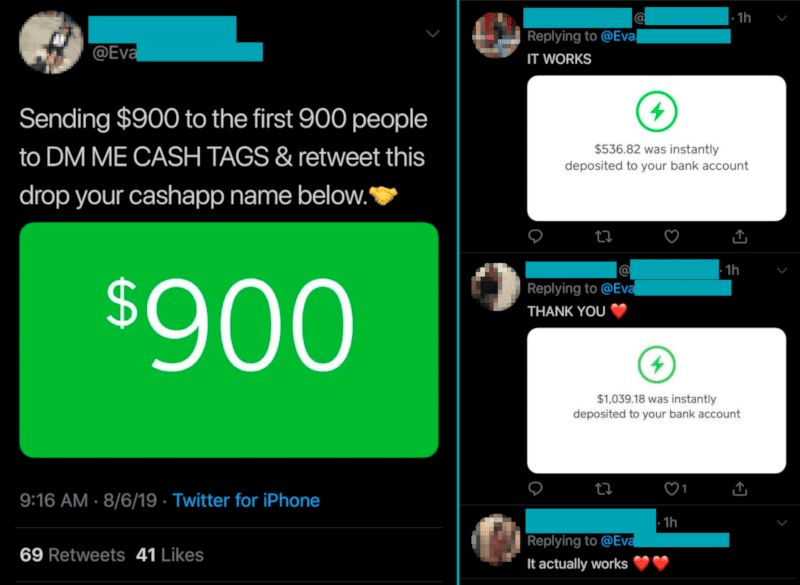
The Cash App platform has become a magnet for financial transactions—both legitimate and fraudulent. When sugar daddy arrangements enter the mix, the risks multiply. Unlike traditional dating apps, Cash App transactions lack built-in fraud protection, leaving users vulnerable to exploitation. Scammers often pose as wealthy individuals seeking companionship, only to vanish after receiving payments. The lack of verification for cash transfers means victims have little recourse once funds are sent.
Cash App’s anonymity feature—where users can send money without linking accounts—has made it a favorite for fraudsters targeting sugar daddy schemes. Many victims report being pressured into sending money under false pretenses, only to discover they’ve been scammed after the fact. The platform’s customer service has been criticized for slow responses in fraud cases, leaving victims in limbo.
While some genuine sugar daddy arrangements exist, the rise of impersonation scams has turned Cash App into a high-risk zone. Without proper safeguards, users must navigate this space with extreme caution.

The Complete Overview of Cash App Sugar Daddy Scams
Cash App’s peer-to-peer payment system was designed for convenience, not security. When combined with sugar daddy arrangements—where financial exchanges are common—the platform becomes a prime target for fraudsters. Unlike credit card transactions, Cash App payments are irreversible, making them ideal for scammers who exploit emotional manipulation. Many victims report being lured into relationships where the "sugar daddy" demands cash upfront, often under the guise of "testing commitment" or covering "emergency expenses."The anonymity of Cash App transactions further complicates recovery. Unlike bank transfers, which can sometimes be traced, Cash App payments disappear into a digital void once sent. This lack of oversight means that once money is transferred, it’s nearly impossible to retrieve—even if the recipient is later identified as a scammer.
Historical Background and Evolution
Cash App’s rise in popularity coincided with the growth of "sugar baby" and "sugar daddy" culture, where individuals exchange money for companionship. Initially, these arrangements were facilitated through dating apps and classified ads. However, as digital payment methods became more accessible, Cash App emerged as a preferred tool due to its speed and lack of transaction limits. By 2020, reports of Cash App scams in sugar daddy schemes surged, with victims losing thousands before realizing they’d been deceived.The platform’s failure to implement robust fraud detection for cash transfers has allowed scammers to operate with impunity. Unlike PayPal or Venmo, which offer buyer protection in some cases, Cash App provides no guarantees. This has turned the app into a breeding ground for financial exploitation, particularly in relationships where trust is manipulated.
Core Mechanisms: How It Works
Scammers operating under the guise of sugar daddies typically follow a predictable pattern. They create profiles on dating apps or social media, posing as affluent individuals seeking companionship. Once they establish trust, they transition conversations to Cash App, claiming it’s the "safest" way to handle transactions. Victims are often pressured into sending money under pretexts like "verifying their identity" or covering "unexpected expenses."The irreversible nature of Cash App payments ensures that once funds are sent, there’s no way to reverse the transaction—even if the recipient is later exposed as a fraudster. This mechanism is exploited by scammers who disappear after receiving payments, leaving victims with no recourse.
Key Benefits and Crucial Impact
While Cash App offers convenience, its lack of fraud protection has severe consequences. Victims of sugar daddy scams often face financial ruin, with some losing life savings in a matter of days. The emotional toll is equally devastating, as trust is betrayed and relationships dissolve into fraud. Unlike traditional banking systems, Cash App provides no dispute resolution for unauthorized transactions, leaving users powerless against scammers.The platform’s design prioritizes speed over security, making it an attractive tool for fraudsters. However, this convenience comes at a steep cost—financial loss, emotional distress, and the erosion of trust in digital transactions.
"Cash App’s lack of fraud protection turns every transaction into a gamble. Once money is sent, it’s gone forever—no questions asked." — Financial Fraud Analyst, 2023
Major Advantages
Despite the risks, Cash App remains popular for its:- Instant Transfers: Funds move in seconds, unlike bank transfers.
- No Transaction Fees: Unlike credit cards, Cash App charges minimal fees.
- Anonymity: Users can send money without linking accounts.
- Global Accessibility: Works internationally, unlike some banking systems.
- Integration with Other Apps: Can be linked to Venmo, PayPal, and more.
Comparative Analysis
While Cash App is a common target, other payment apps also pose risks. Below is a comparison of key platforms:| Platform | Fraud Protection |
|---|---|
| Cash App | None (irreversible transactions) |
| Venmo | Limited (disputes possible but rare) |
| PayPal | Moderate (buyer protection in some cases) |
| Zelle | None (bank-linked, no fraud safeguards) |
Future Trends and Innovations
As digital payment fraud evolves, Cash App may introduce stricter verification measures to combat scams. However, without regulatory intervention, users remain at risk. The rise of AI-driven fraud detection could help identify suspicious transactions, but until then, victims must rely on personal vigilance.The sugar daddy scam landscape is likely to shift as scammers adapt to new platforms. With the growth of crypto payments, fraudsters may soon exploit decentralized finance (DeFi) for even greater anonymity. Until then, users must exercise extreme caution when engaging in financial exchanges online.
Conclusion
Cash App’s convenience comes at a cost—one that many users have paid dearly. The platform’s lack of fraud protection makes it a prime target for scammers operating under the guise of sugar daddies. While some genuine arrangements exist, the risks far outweigh the benefits for those unaware of the dangers.Victims of Cash App sugar daddy scams often face financial ruin and emotional trauma, with little recourse to recover lost funds. Until the platform implements stronger safeguards, users must approach such transactions with skepticism and caution.
Comprehensive FAQs
Q: Can you get scammed on Cash App sugar daddy arrangements?
A: Yes. Scammers frequently pose as sugar daddies, requesting Cash App payments under false pretenses. Once funds are sent, they disappear, leaving victims with no way to recover the money.
Q: Are there any red flags to watch for?
A: Common warning signs include sudden requests for money, vague excuses for payments, and pressure to act quickly. Always verify the person’s identity before sending funds.
Q: What should I do if I’ve been scammed?
A: Report the transaction to Cash App immediately, but note that recovery is unlikely. File a police report and notify your bank if linked accounts were used.
Q: Can Cash App reverse fraudulent transactions?
A: No. Unlike banks, Cash App does not offer fraud protection for peer-to-peer transfers. Once sent, funds are irreversible.
Q: Are there safer alternatives for sugar daddy arrangements?
A: Yes. Use platforms with built-in fraud protection, such as PayPal (with buyer safeguards) or escrow services for high-value transactions.
Leave a Comment
Comments are moderated before appearing. The data you submit is processed according to the Privacy Policy of versiliasolutions.oneagency.co.