Protect What Matters: The Smart Renter’s Guide to Contents Insurance for Renters
Table of Contents
- The Complete Overview of Contents Insurance for Renters
- Historical Background and Evolution
- Core Mechanisms: How It Works
- Key Benefits and Crucial Impact
- Major Advantages
- Comparative Analysis
- Future Trends and Innovations
- Conclusion
- Comprehensive FAQs
- Q: Does my landlord’s insurance cover my personal belongings?
- Q: What’s the difference between actual cash value (ACV) and replacement cost coverage?
- Q: Can I get contents insurance for renters if I live in a high-risk area?
- Q: Are there discounts available for tenant insurance coverage ?
- Q: What should I do if I need to file a claim?
- Q: Does contents insurance for renters cover natural disasters?
- Q: Can I cancel my policy if I move?
Your apartment isn’t just four walls—it’s a curated space filled with irreplaceable items: a vintage record collection, a high-end gaming setup, or even sentimental heirlooms. Yet, most renters assume their landlord’s insurance covers these possessions, only to face devastating losses when disaster strikes. The reality? Landlord policies typically only protect the building’s structure, leaving your belongings exposed to theft, water damage, or accidental fires. That’s where contents insurance for renters steps in—a financial safety net tailored to the modern tenant’s needs.
Consider this: In 2023, the average renter in the U.S. spent over $12,000 on personal belongings, yet only 37% carried contents insurance for renters, according to a survey by the Insurance Information Institute. The gap is a ticking time bomb. A single burglary or apartment fire could wipe out years of savings in an instant. Yet, the solution isn’t just about buying a policy—it’s about understanding tenant insurance coverage intricacies, from deductibles to exclusions, to ensure you’re not left high and dry when it matters most.
The misconception that renters are inherently low-risk is a myth. Natural disasters, petty theft, and even a burst pipe can turn a rented home into a financial nightmare. Without contents insurance for renters, replacing a stolen laptop, damaged furniture, or ruined electronics falls squarely on your shoulders. The question isn’t whether you need it—it’s how to choose the right tenant contents insurance that aligns with your lifestyle and budget.
The Complete Overview of Contents Insurance for Renters
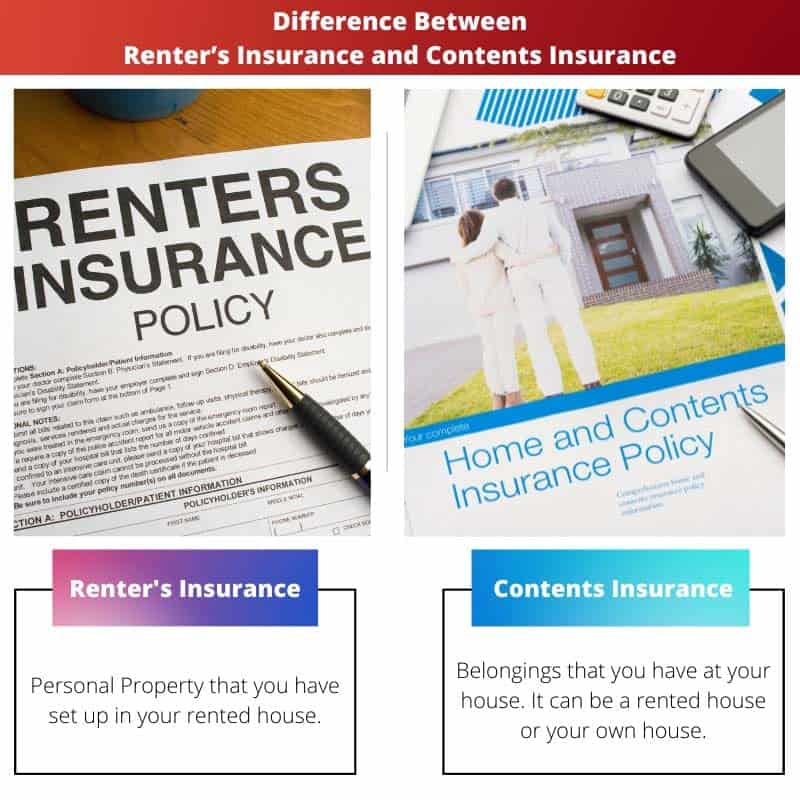
Contents insurance for renters is a specialized policy designed to reimburse tenants for the loss or damage of personal property within a rented property. Unlike homeowners’ insurance, which covers both structure and belongings, this insurance focuses solely on your possessions—whether you’re in a studio apartment or a sprawling townhouse. The policy typically includes coverage for theft, fire, vandalism, and sometimes even accidental damage or water leaks, depending on the plan.
What sets tenant insurance coverage apart is its flexibility. Policies can be bundled with liability protection (covering injuries to guests or property damage you accidentally cause) or standalone. Some insurers even offer add-ons like jewelry coverage or high-value item endorsements. The cost varies widely—typically between $10 and $30 per month—but factors like location, coverage limits, and deductible choices play a significant role. For example, renters in urban areas with higher crime rates may pay more, while those in low-risk zones could secure discounts.
Historical Background and Evolution
The roots of contents insurance for renters trace back to the early 20th century, when urbanization led to a surge in apartment living. Initially, insurance was a niche product, primarily marketed to high-net-worth individuals in cities like New York and London. However, the 1970s saw a shift as insurers recognized the growing demand among middle-class renters. The introduction of standardized policies in the 1980s—such as the National Flood Insurance Program in the U.S.—began to address gaps in tenant protection, though contents insurance for renters remained underutilized.
Today, the evolution of tenant insurance coverage is driven by digital transformation. Online platforms and comparison tools have democratized access, allowing renters to customize policies in minutes. Insurtech startups now offer on-demand coverage for short-term rentals (like Airbnb stays) or even hourly protection for high-value items during moves. Meanwhile, traditional insurers have expanded add-ons, such as identity theft protection or coverage for cybercrime-related losses. The result? A market that’s more responsive than ever to the needs of modern renters.
Core Mechanisms: How It Works
When you purchase contents insurance for renters, you’re essentially creating a financial contract between you and the insurer. The policy outlines what’s covered (e.g., furniture, electronics, clothing) and what’s excluded (e.g., business equipment, certain high-value items). You’ll pay a premium—either monthly or annually—and in return, the insurer agrees to reimburse you for covered losses up to your policy’s limits. For instance, if your apartment is burglarized and a thief steals your $2,000 television, filing a claim with your tenant contents insurance could cover the cost of replacement, minus your deductible.
The claims process is designed to be straightforward: you report the incident to your insurer, provide documentation (like police reports for theft or photos for damage), and submit receipts or appraisals for lost items. Most insurers offer 24/7 claims support, and some even provide temporary housing assistance if your rental becomes uninhabitable. However, the speed of reimbursement depends on the insurer’s efficiency and the complexity of your claim. For example, a simple theft claim might be resolved in days, while a dispute over water damage could take weeks. Understanding these mechanics upfront—such as the difference between actual cash value (ACV) and replacement cost coverage—can save you headaches later.
Key Benefits and Crucial Impact
Beyond the obvious protection, contents insurance for renters offers peace of mind in an unpredictable world. Imagine waking up to find your apartment flooded due to a burst pipe in the unit above yours. Without coverage, replacing ruined furniture, electronics, and personal documents could cost thousands. With tenant insurance coverage, you’re not just protecting your wallet—you’re safeguarding your quality of life. The psychological relief of knowing your belongings are insured is invaluable, especially in high-stress scenarios like natural disasters or criminal activity.
Financial security is another critical benefit. The average cost to replace stolen or damaged personal property for renters exceeds $5,000, yet most lack savings to cover such losses. Contents insurance for renters acts as a buffer, ensuring you’re not forced into debt or forced to sell assets to recover. Additionally, many policies include liability protection, which can shield you from lawsuits if a guest slips and falls in your rental. Without this coverage, a single accident could drain your savings or damage your credit.
“Renters often underestimate how quickly their personal property can become a liability—both financially and legally. A single incident, like a fire or break-in, can turn a manageable budget into a crisis. Contents insurance for renters isn’t just about replacing stuff; it’s about preserving your stability.”
— Jane Carter, Senior Risk Analyst, Renters’ Insurance Association
Major Advantages
- Comprehensive Coverage: Protects against theft, fire, vandalism, explosions, and sometimes even accidental damage or water leaks (depending on the policy). Some insurers also cover losses from power surges or falling objects.
- Liability Protection: Covers medical expenses or legal fees if someone is injured in your rental or if you accidentally damage someone else’s property. Limits typically range from $100,000 to $500,000.
- Affordability: Policies start as low as $10–$15 per month, making them one of the most cost-effective forms of insurance. Bundling with renters’ liability can further reduce costs.
- Portability: Most contents insurance for renters policies are portable, meaning you can take them with you if you move to a new rental—no need to purchase a new policy each time.
- Additional Living Expenses (ALE): Some policies reimburse you for hotel stays or meals if your rental becomes uninhabitable due to a covered event, such as a fire or flood.
Comparative Analysis
Not all contents insurance for renters policies are created equal. The table below compares key features of four leading providers to help you evaluate options:
| Provider | Key Features |
|---|---|
| Allstate | Customizable coverage limits (up to $100,000), optional identity theft protection, and 24/7 claims support. Deductibles start at $250. |
| Lemonade | AI-driven instant claims processing, optional "Renters Plus" add-ons (e.g., bike theft coverage), and flat-rate pricing. Best for tech-savvy renters. |
| State Farm | td>Bundling discounts with auto insurance, optional scheduled items coverage (e.g., jewelry, art), and a strong reputation for claims handling. |
| Progressive | Flexible deductible options ($500–$2,500), optional equipment breakdown coverage, and a mobile app for easy policy management. |
When comparing tenant insurance coverage, pay close attention to exclusions (e.g., mold damage, wear and tear) and optional add-ons. For example, if you own high-value items like designer handbags or musical instruments, you may need to schedule them separately for full coverage. Additionally, some insurers offer discounts for renters who install smart home security systems or have claims-free histories.

Future Trends and Innovations
The contents insurance for renters landscape is evolving rapidly, driven by technological advancements and shifting tenant expectations. One major trend is the rise of pay-per-use or short-term policies, catering to gig economy workers and frequent movers. Companies like Hippo and Lemonade now offer hourly or daily coverage for items during moves or temporary stays, eliminating the need for long-term commitments. Another innovation is the integration of IoT devices—smart locks, leak detectors, and security cameras—into insurance policies. Renters who install these systems often qualify for discounts, as they reduce risk for insurers.
Artificial intelligence is also transforming claims processing. Insurers like Lemonade use AI to auto-approve straightforward claims within minutes, reducing paperwork and speeding up payouts. Meanwhile, blockchain technology is being explored to streamline fraud detection and policy verification. Looking ahead, we can expect tenant contents insurance to become even more personalized, with dynamic pricing based on real-time risk factors (e.g., weather alerts, neighborhood crime rates) and AI-driven recommendations for coverage adjustments. The future of renters’ insurance isn’t just about protection—it’s about proactive, adaptive safeguards tailored to individual lifestyles.
Conclusion
Renting doesn’t mean sacrificing financial security. Contents insurance for renters is a non-negotiable tool for anyone who values their belongings and peace of mind. The data is clear: without coverage, a single unexpected event can derail your finances. Yet, the solution is simpler than ever, with affordable, customizable policies just a few clicks away. The key is to act before disaster strikes—assess your needs, compare providers, and select a policy that aligns with your budget and lifestyle.
Remember, tenant insurance coverage isn’t just about replacing what you own; it’s about preserving your stability in an unpredictable world. Whether you’re a student in a shared apartment or a professional in a luxury rental, taking the time to secure the right protection today can save you from devastating losses tomorrow. Don’t wait until it’s too late—your future self will thank you.
Comprehensive FAQs
Q: Does my landlord’s insurance cover my personal belongings?
A: No. Landlord insurance typically only covers the structure of the building, not your personal property. Contents insurance for renters is separate and essential for protecting your belongings.
Q: What’s the difference between actual cash value (ACV) and replacement cost coverage?
A: ACV pays you the depreciated value of your items (e.g., a 5-year-old laptop might be worth $300), while replacement cost coverage reimburses you for the full price to buy new items. Replacement cost is more expensive but offers better protection.
Q: Can I get contents insurance for renters if I live in a high-risk area?
A: Yes, but premiums may be higher due to increased risk. Some insurers specialize in high-risk areas (e.g., flood-prone zones) and offer tailored policies. Always disclose your location for accurate quotes.
Q: Are there discounts available for tenant insurance coverage?
A: Yes! Common discounts include bundling with auto insurance, installing security systems, having a claims-free history, or paying annually. Always ask your insurer about available savings.
Q: What should I do if I need to file a claim?
A: Contact your insurer immediately, document the damage (with photos/videos), and gather receipts or appraisals for lost items. Keep records of all communications and follow up in writing if needed.
Q: Does contents insurance for renters cover natural disasters?
A: It depends on the policy. Standard plans often exclude floods or earthquakes, but you can purchase separate endorsements for these risks. Always review your coverage details.
Q: Can I cancel my policy if I move?
A: Yes, most tenant contents insurance policies are portable, so you can cancel or transfer coverage when you move. Check with your insurer for specific terms.
Leave a Comment
Comments are moderated before appearing. The data you submit is processed according to the Privacy Policy of versiliasolutions.oneagency.co.