How Direct Advertising Reshapes Marketing—Strategies, Impact & Future
Table of Contents
- The Complete Overview of Direct Advertising
- Historical Background and Evolution
- Core Mechanisms: How It Works
- Key Benefits and Crucial Impact
- Major Advantages
- Comparative Analysis
- Future Trends and Innovations
- Conclusion
- Comprehensive FAQs
- Q: What’s the difference between direct advertising and digital marketing?
- Q: Is direct mail still effective in 2024?
- Q: How do I calculate ROI for direct advertising?
- Q: Can small businesses afford direct advertising?
- Q: What’s the best channel for B2B direct advertising?
- Q: How often should I send direct emails?
Direct advertising isn’t just a relic of the past—it’s a precision tool in modern marketing, blending old-world tact with cutting-edge analytics. While digital ads dominate screens, direct response campaigns—whether via email, SMS, or physical mail—deliver measurable results by speaking directly to the consumer. The shift isn’t about choosing one over the other but leveraging the strengths of each: direct advertising thrives where personalization and accountability matter most.
Consider the numbers: 73% of consumers prefer brands that use personalized messaging, yet only 29% of businesses consistently execute it. That gap explains why direct advertising remains a cornerstone for high-converting campaigns. It’s not about broadcasting; it’s about dialogue. Whether a luxury retailer sending curated catalogs or a SaaS company deploying hyper-targeted emails, the principle is the same: eliminate the noise and speak to the individual.
Yet, direct advertising isn’t monolithic. It spans direct mail’s tactile allure, email’s scalability, and even influencer collaborations that feel one-on-one. The key lies in execution—balancing creativity with data to ensure every touchpoint feels intentional, not intrusive. This is where brands that master direct advertising outperform competitors drowning in ad fatigue.
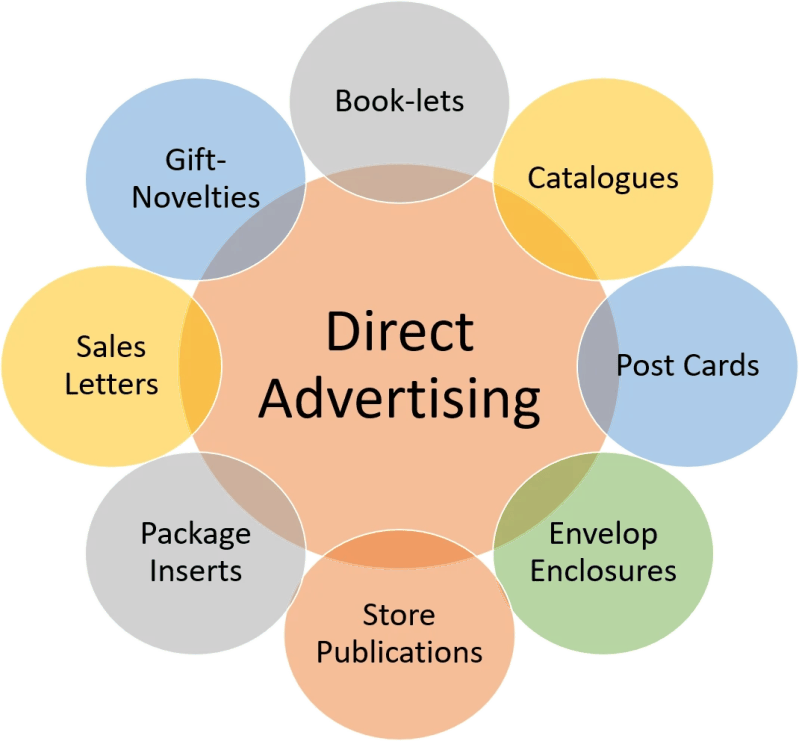
The Complete Overview of Direct Advertising
Direct advertising operates on a simple but powerful premise: bypass intermediaries and engage the audience directly. Unlike mass media campaigns that rely on broad reach, direct advertising focuses on response—whether that’s a purchase, sign-up, or engagement. This isn’t just about sending messages; it’s about crafting experiences that prompt action. The rise of CRM systems and AI-driven personalization has supercharged its effectiveness, allowing brands to tailor content at scale.
What sets direct advertising apart is its measurability. Unlike billboards or TV spots, where attribution is murky, direct campaigns track responses in real time—clicks, opens, redemptions. This clarity makes it a favorite for B2B marketers, e-commerce brands, and nonprofits alike. Even in an era of ad blockers and algorithmic feeds, direct advertising persists because it’s built on permission, not interruption.
Historical Background and Evolution
The roots of direct advertising trace back to the 19th century, when catalogs and door-to-door salesmen laid the groundwork for modern direct response. The Sears, Roebuck & Co. catalog, for instance, wasn’t just a shopping tool—it was a marketing revolution, turning mail into a sales channel. By the mid-20th century, direct mail became a billion-dollar industry, proving that physical touchpoints could drive tangible ROI. The rise of television and digital ads later pushed direct advertising into the background, but its resilience lay in its adaptability.
Fast forward to the 2000s, and direct advertising underwent a digital metamorphosis. Email marketing emerged as a low-cost, high-impact alternative, while social media platforms introduced direct messaging tools. Today, direct advertising encompasses everything from automated SMS campaigns to augmented reality (AR) catalogs. The evolution mirrors broader shifts in consumer behavior: people crave relevance, and direct advertising delivers it.
Core Mechanisms: How It Works
At its core, direct advertising hinges on three pillars: targeting, messaging, and response. Targeting begins with data—whether it’s purchase history, browsing behavior, or demographic filters. Messaging then adapts to the audience: a B2B SaaS company might send a case study-heavy email, while a DTC brand leans into storytelling. The final step is the call-to-action (CTA), designed to be frictionless—whether it’s a QR code, a phone number, or a limited-time offer.
Technology amplifies this process. AI now predicts the best times to send emails, while dynamic content adjusts in real time based on user interactions. Even direct mail isn’t static: variable printing allows for personalized images and text, making each piece feel bespoke. The result? Campaigns that don’t just reach people but resonate with them.
Key Benefits and Crucial Impact
Direct advertising’s appeal lies in its dual nature: it’s both a science and an art. The science comes from analytics—tracking open rates, conversion funnels, and ROI down to the penny. The art lies in creativity, ensuring that even data-driven campaigns feel human. This hybrid approach explains why direct advertising outperforms generic ads in industries where trust and personalization are paramount, from healthcare to finance.
For businesses, the impact is clear: higher conversion rates, lower customer acquisition costs, and stronger brand loyalty. Consumers, meanwhile, benefit from less noise and more value—whether it’s a discount tailored to their interests or a product recommendation based on past behavior. The symbiotic relationship between sender and receiver is what keeps direct advertising relevant in an age of ad overload.
— "Direct advertising isn’t about shouting louder; it’s about speaking clearer."
— David Ogilvy, Founder of Ogilvy & Mather
Major Advantages
- Higher Response Rates: Direct campaigns often see 2–5x higher engagement than generic ads, thanks to personalized CTAs and urgency-driven offers.
- Measurable ROI: Unlike billboards or radio spots, direct advertising tracks every interaction, from opens to purchases, enabling precise budget allocation.
- Permission-Based Engagement: Consumers opt into direct channels (emails, SMS), reducing ad fatigue and improving receptivity.
- Scalability: Tools like automation and dynamic content allow brands to scale personalized campaigns without sacrificing quality.
- Brand Differentiation: In a sea of digital ads, direct mail or hyper-targeted emails stand out as intentional, not intrusive.
Comparative Analysis
| Direct Advertising | Traditional Digital Ads |
|---|---|
| Focuses on response and conversion. | Prioritizes reach and brand awareness. |
| Uses permission-based channels (email, mail, SMS). | Relies on broad distribution (social media, display ads). |
| Measures success via direct actions (purchases, sign-ups). | Tracks impressions, clicks, and indirect metrics (brand lift). |
| Lower customer acquisition cost (CAC) in high-intent audiences. | Higher CAC due to competitive bidding and ad fatigue. |

Future Trends and Innovations
The future of direct advertising is being shaped by two forces: technology and consumer expectations. AI will further refine personalization, using predictive analytics to anticipate needs before they arise. Imagine an email that adjusts its content based on your mood (detected via voice or typing speed) or a direct mail piece that arrives with a handwritten note from a brand representative. The goal isn’t just to sell but to create memorable interactions.
Sustainability is another frontier. As consumers scrutinize environmental impact, direct mail is evolving with eco-friendly materials and digital hybrids (e.g., QR codes linking to physical products). Meanwhile, emerging channels like voice assistants and AR catalogs will blur the line between direct and digital advertising. The brands that thrive will be those that treat direct advertising not as a tactic but as a philosophy: putting the consumer first, always.
Conclusion
Direct advertising endures because it aligns with human psychology. In an era where consumers ignore 90% of ads, direct response campaigns cut through the clutter by speaking directly to desires, pain points, and aspirations. The tools may change—from snail mail to AI—but the principle remains: the most effective marketing isn’t about shouting; it’s about listening and responding.
For businesses, the takeaway is clear: direct advertising isn’t a relic; it’s a dynamic, evolving discipline. Those who master it will build deeper connections, drive higher conversions, and future-proof their marketing against algorithmic changes. The question isn’t whether to adopt direct advertising but how to wield it with precision and creativity.
Comprehensive FAQs
Q: What’s the difference between direct advertising and digital marketing?
A: Direct advertising focuses on one-to-one or one-to-few communication with measurable responses (e.g., emails, direct mail). Digital marketing encompasses broader strategies like SEO, social media, and display ads, which prioritize reach and brand awareness over immediate conversions.
Q: Is direct mail still effective in 2024?
A: Yes, but it must be strategic. Direct mail outperforms digital in industries like finance and real estate due to its tactile, high-trust nature. The key is personalization—using data to make each piece relevant, not generic.
Q: How do I calculate ROI for direct advertising?
A: ROI is calculated by subtracting the campaign cost from revenue generated, then dividing by the cost. For example: (Revenue from 100 emails – $500 spend) / $500 = ROI. Direct advertising’s strength is its ability to track this precisely via UTM links, promo codes, or response forms.
Q: Can small businesses afford direct advertising?
A: Absolutely. Tools like Mailchimp for email or print-on-demand services for direct mail make it cost-effective. The focus should be on high-intent audiences (e.g., past customers, local leads) rather than mass distribution.
Q: What’s the best channel for B2B direct advertising?
A: LinkedIn outreach and targeted email campaigns dominate B2B. For high-ticket sales, direct mail with case studies or whitepapers can also yield strong results. The best approach combines multiple channels for a cohesive funnel.
Q: How often should I send direct emails?
A: Frequency depends on the audience. B2B may tolerate monthly newsletters, while e-commerce brands might send weekly promotions. The rule of thumb: prioritize quality over quantity—always provide value, not just pitches.
Leave a Comment
Comments are moderated before appearing. The data you submit is processed according to the Privacy Policy of versiliasolutions.oneagency.co.