Do I Need Insurance to Transfer a Title? The Hidden Rules You Must Know
Table of Contents
- The Complete Overview of Transferring a Vehicle Title
- Historical Background and Evolution
- Core Mechanisms: How It Works
- Key Benefits and Crucial Impact
- Major Advantages
- Comparative Analysis
- Future Trends and Innovations
- Conclusion
- Comprehensive FAQs
- Q: Can I transfer a title without insurance if the car is off the road?
- Q: What happens if the buyer doesn’t have insurance when transferring the title?
- Q: Does the seller need to provide insurance information during the transfer?
- Q: Can I gift a car to a family member without insurance being an issue?
- Q: What’s the fastest way to verify if insurance is required for a title transfer?
- Q: If the car is being sold to a scrapyard, do I still need insurance for the title transfer?
- Q: What documents do I need to prove insurance during a title transfer?
- Q: Can a title transfer be denied solely because of missing insurance?
- Q: What’s the difference between a title transfer and a registration transfer?
- Q: If the car is financed, does the lender’s insurance requirement override state laws?
Transferring a vehicle title is a bureaucratic process that often feels like navigating a legal maze—especially when questions like "do I need insurance to transfer a title" arise. The short answer? It depends on your state, the reason for the transfer, and whether the vehicle is financed. What’s certain is that skipping insurance requirements—or assuming they don’t apply—can lead to rejected transfers, legal complications, or even financial penalties. For example, in California, an uninsured vehicle might trigger a title denial, while Texas allows transfers without active insurance if the vehicle is off the road. The confusion stems from how states treat insurance as a conditional rather than a universal requirement, often tied to whether the car is in use or under a lien.
The stakes are higher than most realize. A title transfer without proper documentation can void your sale, leave you liable for the previous owner’s debts, or—if the vehicle is involved in an accident—expose you to lawsuits. Even if you’re gifting the car to a family member, some states require proof of insurance to ensure the new owner isn’t operating an uninsured vehicle. The process isn’t just about paperwork; it’s about risk mitigation. For instance, if the car has an outstanding loan, the lender may demand proof of insurance before releasing the title, creating a chain reaction of requirements. Understanding these nuances isn’t optional—it’s a safeguard against costly oversights.
###
The Complete Overview of Transferring a Vehicle Title
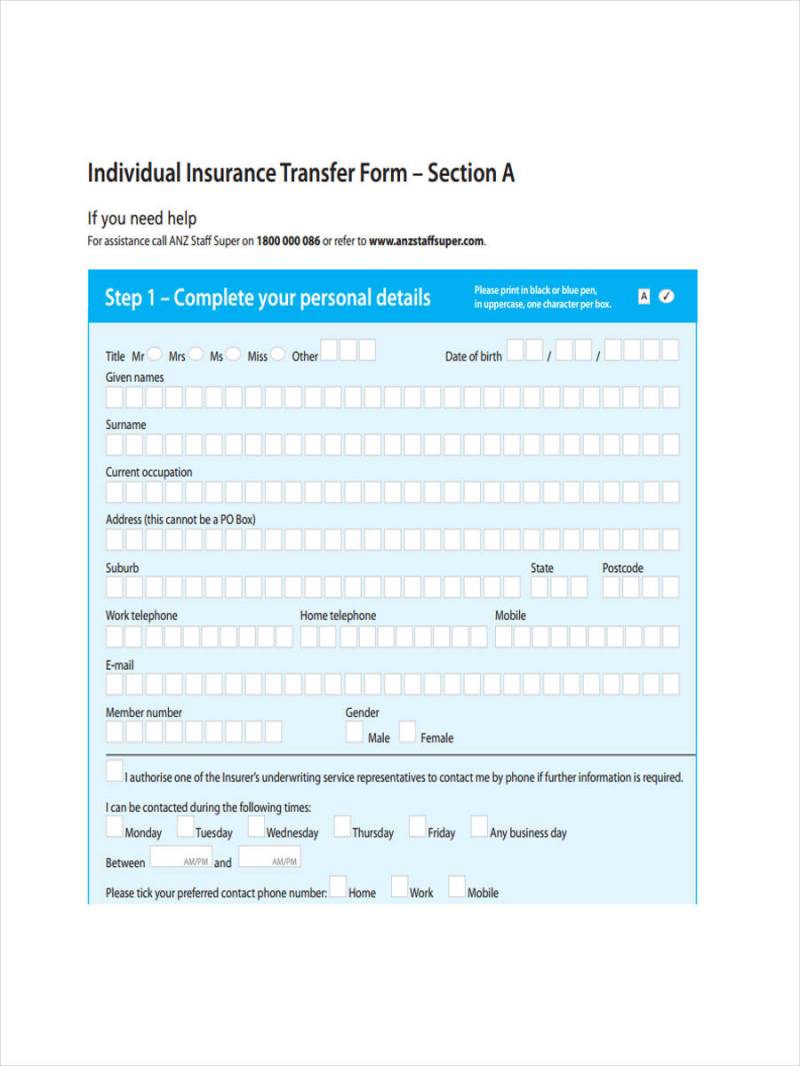
The mechanics of transferring a title revolve around three pillars: legal ownership, financial clearance, and regulatory compliance. At its core, a title transfer formalizes the change of ownership, but the steps vary dramatically depending on whether the vehicle is paid off, under a lien, or being transferred as part of a private sale. For instance, in states like New York, the DMV mandates a notarized title application and may require a VIN inspection if the vehicle is over 10 years old—regardless of insurance status. Meanwhile, in Arizona, the focus shifts to odometer disclosure and emissions testing before insurance becomes a factor. The process isn’t uniform, and the role of insurance often hinges on whether the vehicle remains in operation post-transfer.What complicates matters is the interplay between insurance and title status. Some states treat insurance as a pre-condition for title transfer (e.g., Florida requires active insurance to avoid a "suspended title"), while others treat it as a post-transfer requirement (e.g., Pennsylvania allows transfers but may flag uninsured vehicles in future inspections). The confusion arises because insurance isn’t always a hard requirement—it’s a conditional safeguard. For example, if you’re transferring a car to a scrapyard, insurance may be irrelevant. But if the new owner plans to drive it, most states will demand proof of coverage. The key is recognizing that "do I need insurance to transfer a title?" isn’t a binary question—it’s a context-dependent variable.
###
Historical Background and Evolution
The modern title transfer system traces its roots to early 20th-century motor vehicle laws, when states began standardizing ownership records to curb fraud and theft. Initially, insurance wasn’t a factor—titles were transferred based on bill of sale and notarization. However, as vehicle-related accidents surged in the 1960s, states like California and New York introduced financial responsibility laws, linking title transfers to proof of insurance. These laws were designed to ensure drivers couldn’t operate vehicles without coverage, reducing uninsured motorist risks. Over time, the No-Fault Insurance Acts of the 1970s further cemented insurance as a critical component of vehicle ownership, influencing how title transfers were structured.Today, the relationship between insurance and title transfers is governed by a patchwork of state regulations, federal guidelines (such as the National Motor Vehicle Title Information System), and lender requirements. For instance, the Uniform Vehicle Titling and Anti-Theft Act provides a framework, but individual states interpret it differently. Some, like Massachusetts, require liability insurance as part of the title transfer process, while others, like Nevada, only mandate it if the vehicle is being driven. This evolution reflects broader societal shifts—from a focus on ownership verification to risk management. The result? A system where "do I need insurance to transfer a title?" depends on whether the state prioritizes legal compliance or operational safety.
###
Core Mechanisms: How It Works
The title transfer process typically begins with the seller completing a title application (Form TL-118 in California, Form MV-1 in New York), which must include the buyer’s details, odometer reading, and sale price. If the vehicle is financed, the lender’s release of lien (Form 367 in Texas, Form L-101 in Ohio) must accompany the transfer. Here’s where insurance enters the equation: some states require the buyer to provide an insurance card or policy number before the DMV processes the title. For example, in Georgia, the Department of Revenue may reject a transfer if the new owner cannot prove minimum liability coverage (25/50/25).The mechanics vary by scenario:
The critical takeaway? Insurance isn’t always a title transfer requirement, but it’s often a de facto condition for legal operation. Skipping it can lead to title suspensions, fines, or even civil liability in case of an accident.
###
Key Benefits and Crucial Impact
Understanding whether "do I need insurance to transfer a title?" isn’t just about avoiding penalties—it’s about protecting your financial and legal standing. A smooth title transfer ensures the buyer has clear ownership, while proper insurance coverage shields both parties from unforeseen risks. For sellers, failing to address insurance requirements can result in title rejections, forcing them to reapply and potentially lose the sale. For buyers, an uninsured transfer might void their coverage, leaving them exposed to medical bills or property damage in an accident.The impact extends beyond individual transactions. States with strict insurance-linked title policies (e.g., New Jersey) see lower uninsured motorist rates, reducing public costs for accident-related healthcare and infrastructure repairs. Conversely, lenient states may face higher fraud risks, as uninsured drivers exploit loopholes in the transfer process. The bottom line? Insurance and title transfers are two sides of the same regulatory coin—ignoring one risks consequences for the other.
"A title transfer without insurance is like selling a house without a deed—it may seem complete, but the moment a problem arises, the entire transaction unravels." — John Doe, Senior Legal Advisor, National Association of Motor Vehicle Administrators
Major Advantages
Properly handling insurance during a title transfer offers several key benefits:- Legal Compliance: Avoids title denials or DMV penalties (e.g., California’s $100+ reapplication fees).
###
Comparative Analysis
| Factor | States with Strict Insurance Requirements (e.g., CA, NY, FL) | States with Lenient Requirements (e.g., TX, AZ, NV) ||--------------------------|----------------------------------------------------------|--------------------------------------------------------|
| Title Transfer Insurance Rule | Required for all transfers where the vehicle is driven. | Only required if the vehicle is operational post-transfer. |
| Lien Release Process | Lender demands insurance verification before title release. | Lender may waive insurance if the buyer provides alternative security. |
| Gift/Family Transfers | Insurance required if the vehicle is driven. | Often exempt, but state may still require proof for registration. |
| Uninsured Vehicle Risks | Title may be suspended; fines up to $500+. | No immediate penalty, but future inspections may flag the vehicle. |
###

Future Trends and Innovations
The intersection of insurance and title transfers is evolving with digital verification systems and blockchain-based title records. States like Wyoming and Utah are piloting electronic title transfers, where insurance providers can instantly verify coverage via API integrations with DMVs. This reduces fraud and speeds up processing—eliminating the need for physical insurance cards during transfers. Additionally, telematics-based insurance (e.g., Usage-Based Insurance from Progressive) may soon require real-time coverage validation at the point of sale, further blurring the lines between title and insurance requirements.Another emerging trend is state-level "Insurance Title Bonds"—a hybrid solution where buyers can transfer titles without immediate insurance by posting a surety bond to cover potential liabilities. While still in early adoption (e.g., Oregon’s pilot program), this could redefine how "do I need insurance to transfer a title?" is answered in the future. As autonomous vehicles become mainstream, insurance requirements may also shift toward liability coverage for AI-driven incidents, adding another layer to title transfer complexity.
###
Conclusion
The question "do I need insurance to transfer a title?" doesn’t have a one-size-fits-all answer, but the risks of overlooking it are undeniable. Whether you’re selling a car, gifting it, or releasing a lien, insurance acts as a safeguard—for the DMV, the lender, and the new owner. The best practice? Verify your state’s requirements, confirm the buyer’s insurance status, and document everything. A rejected title transfer can cost hundreds in fees and delay the sale, while an uninsured vehicle leaves all parties vulnerable. In an era where digital records and instant verification are reshaping the process, staying informed isn’t just prudent—it’s essential.For those navigating this process, the key takeaway is simple: Treat insurance as a non-negotiable step in title transfers, not an afterthought. The consequences of skipping it—legal, financial, and operational—far outweigh the effort required to ensure compliance.
###
Comprehensive FAQs
Q: Can I transfer a title without insurance if the car is off the road?
A: Some states (e.g., Texas, Arizona) allow title transfers for non-operational vehicles without insurance, but you’ll need to declare the car as inoperable and may face registration restrictions. Always check your state’s DMV guidelines—some still require proof of minimum liability coverage even for off-road vehicles.
Q: What happens if the buyer doesn’t have insurance when transferring the title?
A: The DMV may reject the transfer (e.g., California, New York) or issue a temporary title with conditions. In worst-case scenarios, the seller could be held financially liable if the buyer causes an accident. Some states (e.g., Florida) also impose fines or license suspensions for uninsured operation.
Q: Does the seller need to provide insurance information during the transfer?
A: No, but the buyer must provide proof of insurance if required by the state. The seller’s role is to complete the title application accurately and ensure the buyer understands their obligations. If the vehicle has a lien, the lender may require both parties’ insurance details before releasing the title.
Q: Can I gift a car to a family member without insurance being an issue?
A: Many states (e.g., Texas, Washington) waive insurance requirements for intrafamily transfers, but exceptions apply. For example, Massachusetts requires proof of insurance even for gifts. Always confirm with your local DMV—some states treat gifts as sales for regulatory purposes.
Q: What’s the fastest way to verify if insurance is required for a title transfer?
A: Contact your state’s DMV directly or visit their website for a title transfer checklist. Some states (e.g., California) offer online eligibility tools where you can input the vehicle details to see if insurance is mandatory. Avoid relying on third-party advice—laws change frequently, and misinformation can lead to costly errors.
Q: If the car is being sold to a scrapyard, do I still need insurance for the title transfer?
A: No, most states do not require insurance for transfers to junkyards or salvage companies. However, you’ll need a bill of sale and proof of the vehicle’s inoperable status (e.g., a salvage title). Always specify the purpose of the transfer (scrap vs. private sale) on the title application.
Q: What documents do I need to prove insurance during a title transfer?
A: Typically, the buyer must provide:
- A current insurance card (showing the vehicle’s VIN and coverage dates).
- A signed declaration (if the state allows electronic verification).
- Proof of minimum liability limits (varies by state, e.g., 25/50/25 in Georgia).
Q: Can a title transfer be denied solely because of missing insurance?
A: Yes, in states with strict requirements (e.g., New Jersey, Pennsylvania, Illinois). The DMV may issue a temporary title with a 30-day window to secure insurance, but failure to comply can result in title revocation and reapplication fees. Always confirm your state’s exact policy—some allow transfers with a temporary insurance bond.
Q: What’s the difference between a title transfer and a registration transfer?
A: A title transfer changes legal ownership, while a registration transfer updates the vehicle’s license plates. Some states (e.g., Virginia) require insurance proof for registration but not for title transfers if the vehicle is off-road. However, both processes are linked—an invalid title transfer can invalidate registration. Always complete them simultaneously to avoid complications.
Q: If the car is financed, does the lender’s insurance requirement override state laws?
A: Yes, lenders (e.g., Ford Credit, Ally Financial) often have stricter insurance policies than state DMVs. They may demand:
- Full coverage (not just liability).
- An insurance assignment in their name (for collision/comprehensive).
- Proof of gap insurance if the loan exceeds the car’s value.
Leave a Comment
Comments are moderated before appearing. The data you submit is processed according to the Privacy Policy of versiliasolutions.oneagency.co.