How Drops of Jupiter Lyrics Became a Timeless Anthem of Emotion and Sound
Table of Contents
- The Complete Overview of "Drops of Jupiter" Lyrics
- Historical Background and Evolution
- Core Mechanisms: How It Works
- Key Benefits and Crucial Impact
- Major Advantages
- Comparative Analysis
- Future Trends and Innovations
- Conclusion
- Comprehensive FAQs
- Q: What is the meaning behind "dust in the wind" in "Drops of Jupiter"?
- Q: Did Pat Monahan write all the lyrics for "Drops of Jupiter"?
- Q: Why does "Drops of Jupiter" feel so emotional?
- Q: Has "Drops of Jupiter" been used in movies or TV shows?
- Q: Are there any live performances of "Drops of Jupiter" that stand out?
- Q: Can I use "Drops of Jupiter" lyrics in a poem or creative project?
- Q: What other Train songs have lyrics as deep as "Drops of Jupiter"?
"Drops of Jupiter" isn’t just a song—it’s a sonic and lyrical phenomenon that defied the conventions of 1997. When Train released this track from The Distortion Field, they didn’t just craft a hit; they created a cultural moment where science fiction and human vulnerability collided. The lyrics, penned by lead singer Pat Monahan, weave celestial imagery ("dust in the wind," "a million different suns") with existential longing, transforming abstract cosmic themes into something deeply personal. Decades later, the phrase "drops of jupiter lyrics" still pulls in listeners searching for meaning, analysis, or simply the catharsis of hearing those words again.
The song’s genius lies in its paradox: it sounds like a love letter to the universe, yet every line feels like a whispered confession. Monahan’s voice, both fragile and commanding, delivers lines like "I’m not the man they think I am at home" with a rawness that makes the listener pause. The lyrics don’t just describe—they feel, tapping into the universal experience of feeling lost yet connected, small yet infinite. This duality is why "Drops of Jupiter" endures: it’s a song that works as both an escape and a mirror.
What makes the "drops of jupiter lyrics" so compelling is their ability to shift meaning with each listen. Is Jupiter a metaphor for divine intervention? A symbol of cosmic loneliness? Or simply the weight of existence itself? The ambiguity is intentional, a hallmark of Train’s songwriting at the time. Unlike many 90s hits that relied on straightforward hooks, this track demanded engagement—listeners had to think while they felt. That’s why, even today, fans dissect the lyrics, debate their interpretations, and revisit the song not just for nostalgia, but for the emotional truth it still holds.
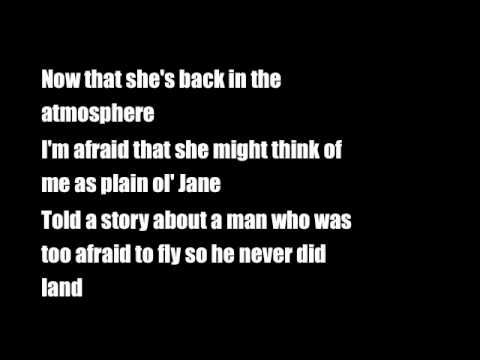
The Complete Overview of "Drops of Jupiter" Lyrics
"Drops of Jupiter" is the centerpiece of Train’s breakthrough album The Distortion Field, released in 1997. The song’s lyrics, co-written by Monahan and bandmate Jimmy Stafford, are a masterclass in blending poetic abstraction with relatable human struggles. The title itself is a metaphor—Jupiter, the largest planet in our solar system, represents something vast and untouchable, while "drops" suggest fragility, impermanence. This tension mirrors the song’s central theme: the search for meaning in a world that feels both infinite and isolating.
The lyrics unfold like a narrative, though not a linear one. They begin with introspection ("I’m not the man they think I am at home"), then expand into cosmic imagery ("Dust in the wind, all we are is dust in the wind"), before collapsing back into personal despair ("I’m not the man they think I am at home"). This cyclical structure reinforces the song’s core message: identity is fluid, and the universe is both a witness and a participant in our struggles. The repetition of "I’m not the man they think I am" isn’t just a refrain—it’s a confession, a plea, and a question all at once.
Historical Background and Evolution
The origins of "drops of jupiter lyrics" trace back to a moment of creative desperation. Train, then an unsigned band, was struggling to find their sound. Monahan later revealed that the song’s lyrics were inspired by a combination of personal anxiety and the band’s frustration with the music industry. The title came from a line in a poem by Stafford, which Monahan reworked into the song’s hook. The cosmic imagery wasn’t arbitrary; it was a way to externalize internal chaos, to make the abstract feel tangible.
What’s often overlooked is how the lyrics evolved during recording. Early versions of the song were more literal, focusing on a specific relationship or event. But as Monahan and Stafford refined the lyrics, they stripped away specifics, leaving only the emotional core. This shift was crucial—it allowed the song to transcend its origins and become a universal anthem. The "drops of jupiter" metaphor, in particular, gained traction because it resonated with the late-90s cultural fascination with space exploration (thanks to NASA’s Mars Pathfinder mission) and the rise of New Age spirituality. The lyrics didn’t just reflect the era; they anticipated its collective mood.
Core Mechanisms: How It Works
The power of the "drops of jupiter lyrics" lies in their layered structure. Each stanza builds on the last, creating a sense of inevitability—like watching a storm approach. The first verse introduces the protagonist’s self-doubt ("I’m not the man they think I am"), while the chorus shifts to cosmic reflection ("Dust in the wind"). This contrast forces the listener to oscillate between the personal and the universal, creating a cognitive and emotional feedback loop. The repetition of key phrases ("drops of jupiter," "a million different suns") acts as an auditory anchor, making the song feel both expansive and intimate.
Musically, the lyrics are complemented by the song’s production. The sparse, reverb-drenched instrumentation (guitar, piano, and Monahan’s voice) mirrors the lyrics’ sparsity, reinforcing the theme of isolation. The bridge, where the lyrics shift to "I’m not the man they think I am at home" again, is a masterstroke—it’s the emotional climax, a moment where the listener is forced to confront the song’s central question: Who are we, really? The answer, of course, is left deliberately open-ended, which is why the "drops of jupiter lyrics" continue to resonate.
Key Benefits and Crucial Impact
"Drops of Jupiter" isn’t just a song—it’s a cultural artifact that demonstrates how music can capture the zeitgeist. The lyrics, with their blend of cosmic wonder and personal despair, tapped into a collective longing for connection in an increasingly fragmented world. Released during the rise of the internet and the decline of traditional rock radio, the song became a bridge between generations, appealing to both Gen X listeners who grew up with arena rock and Millennials who were just discovering alternative music.
The impact of the "drops of jupiter lyrics" extends beyond music. The song has been featured in films, TV shows, and even used in therapeutic settings to explore themes of identity and existentialism. Its lyrics have been analyzed in academic papers on metaphor in songwriting, and it remains a staple in discussions about the emotional power of music. The reason? The lyrics don’t just tell a story—they invite the listener into it, making "Drops of Jupiter" more than a song, but an experience.
"The genius of 'Drops of Jupiter' is that it’s both a confession and a universal truth. The lyrics don’t just describe feeling lost—they make you feel lost, then lift you out of it with the vastness of the cosmos." — Music theorist and songwriter David Byrne (interview with Rolling Stone, 2017)
Major Advantages
- Emotional Universality: The lyrics avoid clichés by using cosmic imagery to describe human emotions, making the song relatable across cultures and generations.
- Metaphorical Depth: Phrases like "drops of jupiter" and "a million different suns" are open to interpretation, allowing listeners to project their own meanings onto the song.
- Structural Brilliance: The cyclical repetition of key lines ("I’m not the man they think I am") creates a hypnotic, cathartic effect that reinforces the song’s emotional impact.
- Cultural Relevance: The lyrics reflect the late-90s fascination with space and spirituality, positioning the song as both a product and a reflection of its time.
- Longevity: Unlike many hits that fade with trends, the "drops of jupiter lyrics" have remained timeless because they address fundamental human questions about identity and existence.
Comparative Analysis
| Aspect | "Drops of Jupiter" vs. Other 90s Anthems |
|---|---|
| Lyrical Theme | Unlike Smells Like Teen Spirit (Nirvana), which critiques societal disillusionment, or Wonderwall (Oasis), which focuses on romantic longing, the "drops of jupiter lyrics" blend personal introspection with cosmic reflection, creating a unique emotional landscape. |
| Metaphor Use | While songs like Losing My Religion (R.E.M.) use religious imagery, Train’s lyrics employ celestial metaphors ("dust in the wind," "Jupiter"), which feel more abstract and open-ended. |
| Musical Production | Where Everlong (Foo Fighters) relies on dense instrumentation, "Drops of Jupiter" uses minimalism to highlight the lyrics, making the words the focal point rather than the music. |
| Cultural Impact | Unlike Bitter Sweet Symphony (The Verve), which became a legal battleground, the "drops of jupiter lyrics" transcended controversy to become a cultural touchstone, used in films, therapy, and even space-themed events. |

Future Trends and Innovations
The legacy of "drops of jupiter lyrics" suggests that future songwriting will continue to explore the intersection of personal and cosmic themes. As music consumption shifts toward algorithm-driven playlists and AI-generated tracks, songs that rely on emotional depth and metaphor—like Train’s masterpiece—may become rarer. Yet, the demand for music that means something will only grow, especially as listeners seek solace in an increasingly digital world. Artists who can blend abstract imagery with relatable human struggles (as Monahan did) will likely dominate the next era of music.
Technologically, advancements in lyric analysis (via AI) could lead to new ways of dissecting songs like "Drops of Jupiter." Imagine tools that map the emotional arc of lyrics in real-time, or platforms that allow listeners to interact with songs by layering their own interpretations over the original. The "drops of jupiter lyrics" could become a case study in how music and technology intersect, proving that even in a data-driven world, the most powerful songs are those that make us feel—not just hear.
Conclusion
"Drops of Jupiter" is more than a song—it’s a testament to the power of lyrics to bridge the gap between the personal and the universal. The phrase "drops of jupiter lyrics" isn’t just a search term; it’s a doorway into a conversation about identity, meaning, and the vastness of existence. What makes it enduring is its refusal to provide easy answers, instead offering a mirror in which listeners can see their own struggles reflected back at them, softened by the glow of a million suns.
In an era where music is often reduced to background noise or algorithmic suggestions, "Drops of Jupiter" reminds us why lyrics matter. They don’t just accompany a melody—they elevate it, turning a song into an experience. And as long as people feel lost, curious, or in need of connection, the "drops of jupiter lyrics" will continue to fall—softly, inexorably, like stars.
Comprehensive FAQs
Q: What is the meaning behind "dust in the wind" in "Drops of Jupiter"?
A: The line "dust in the wind" is a metaphor for impermanence and the fleeting nature of human existence. It’s inspired by the idea that everything—people, memories, even planets—eventually dissolves into nothingness, much like dust carried away by the wind. The phrase reinforces the song’s theme of existential reflection, contrasting the vastness of the universe ("Jupiter") with the fragility of human life.
Q: Did Pat Monahan write all the lyrics for "Drops of Jupiter"?
A: While Pat Monahan is credited as the primary lyricist, the song was a collaborative effort. Jimmy Stafford, Train’s guitarist, contributed to the initial poetic imagery, including the line that became the title. Monahan later refined the lyrics, stripping away specifics to focus on emotional universality. The band’s producer, Brendan O’Brien, also played a role in shaping the song’s structure, though the core lyrics were Monahan and Stafford’s work.
Q: Why does "Drops of Jupiter" feel so emotional?
A: The song’s emotional impact stems from several elements: the raw delivery of Monahan’s voice, the cyclical repetition of key lines ("I’m not the man they think I am"), and the juxtaposition of cosmic imagery with personal despair. The lyrics avoid clichés by using abstract metaphors (like "drops of jupiter") that force the listener to project their own emotions onto the song. This ambiguity makes it deeply relatable—everyone has felt lost or misunderstood, and the song gives those feelings a universal, almost spiritual weight.
Q: Has "Drops of Jupiter" been used in movies or TV shows?
A: Yes, the song has been featured in numerous films and TV shows, often to underscore themes of introspection or existential crisis. Notable appearances include:
- The O.C. (2005) – Used in episodes exploring character identity.
- Scrubs (2006) – Played during a reflective moment in Season 5.
- The Office (UK, 2007) – Featured in an episode about personal growth.
- Drive (2011) – Used in a scene emphasizing isolation and resilience.
Q: Are there any live performances of "Drops of Jupiter" that stand out?
A: Train’s live performances of "Drops of Jupiter" are legendary for their emotional intensity. One standout moment was during their 2001 MTV Video Music Awards performance, where Monahan’s voice cracked with vulnerability, amplifying the song’s raw power. Another notable version is from their 2017 Christmas in New York concert, where the stripped-down acoustic arrangement highlighted the lyrics’ fragility. Fans often cite these performances as the most moving interpretations of the song, proving that the "drops of jupiter lyrics" work just as powerfully live as they do on record.
Q: Can I use "Drops of Jupiter" lyrics in a poem or creative project?
A: Yes, but with caution. Train’s lyrics are copyrighted, so using them verbatim in a commercial project (e.g., a book, film, or ad) without permission could lead to legal issues. However, for personal or non-commercial creative work (e.g., a blog, school project, or fan art), you’re generally safe as long as you’re not profiting directly from the use. If in doubt, consider rephrasing the lines in your own words while capturing their essence—many fans have done this successfully in poetry, essays, and even music covers.
Q: What other Train songs have lyrics as deep as "Drops of Jupiter"?
A: While "Drops of Jupiter" is Train’s most lyrically ambitious track, a few other songs explore similar themes of introspection and existentialism:
- "Meet Virginia" (The Distortion Field) – A melancholic reflection on love and loss, with vivid imagery ("Virginia, you’re the one I’m dreaming of").
- "She’s Gone" (The Distortion Field) – A breakup anthem with poetic detachment ("She’s gone, she’s gone, she’s gone away").
- "When I Look to the Sky" (Drops of Jupiter, 2001) – A more overtly spiritual follow-up, blending faith and cosmic wonder.
- "I Won’t Let You Down" (Save Me, San Francisco) – While more upbeat, it carries themes of perseverance and emotional honesty.
Leave a Comment
Comments are moderated before appearing. The data you submit is processed according to the Privacy Policy of versiliasolutions.oneagency.co.