The Hidden Power of Dwarves in *Game of Thrones*: Beyond Myth and Magic
Table of Contents
- The Complete Overview of the Dwarf on Game of Thrones
- Historical Background and Evolution
- Core Mechanisms: How It Works
- Key Benefits and Crucial Impact
- Major Advantages
- Comparative Analysis
- Future Trends and Innovations
- Conclusion
- Comprehensive FAQs
- Q: Why was Tyrion Lannister’s portrayal of a dwarf on Game of Thrones so groundbreaking?
- Q: How did Peter Dinklage’s casting influence the dwarf on Game of Thrones ?
- Q: Were there other dwarves on Game of Thrones besides Tyrion?
- Q: How does the dwarf on Game of Thrones compare to dwarves in A Song of Ice and Fire books?
- Q: What cultural impact did the dwarf on Game of Thrones have beyond the show?
- Q: Will we see more dwarves on Game of Thrones in House of the Dragon ?
The dwarf on Game of Thrones isn’t just a character—it’s a cultural phenomenon, a subversion of fantasy tropes, and a mirror held up to the prejudices of Westeros. Tyrion Lannister, with his razor wit and unshakable resilience, redefined what it meant to be small in a world obsessed with height, strength, and lineage. Yet the show’s portrayal of dwarves—rooted in Norse mythology, medieval stigma, and George R.R. Martin’s subversive storytelling—goes far deeper than a single character. It forces audiences to confront how societies marginalize the physically different, while simultaneously celebrating their intellectual and emotional depth.
What makes the dwarf on Game of Thrones so compelling is the contrast between expectation and execution. In fantasy, dwarves are often reduced to stereotypes: greedy miners, burly warriors, or comic relief. But Tyrion—and later, figures like the Mountain’s tragic arc—challenge these assumptions. The show doesn’t just include dwarves; it weaponizes their presence, using their struggles to critique nobility, war, and the cost of legacy. Even the smallest details, from Tyrion’s drinking habits to his political maneuvering, reveal a character who is as much a product of his environment as he is its architect.
The dwarf on Game of Thrones also serves as a narrative device to explore themes of identity and resilience. Tyrion’s journey—from outcast to Hand of the Queen to reluctant hero—mirrors the real-world experience of people who’ve been dismissed for their appearance. Yet the show never lets pity define him. Instead, it turns his physical difference into a source of power, proving that intelligence, loyalty, and survival skills often outweigh brute force. This isn’t just a story about a dwarf; it’s a story about how society’s labels can be shattered by those who refuse to conform.
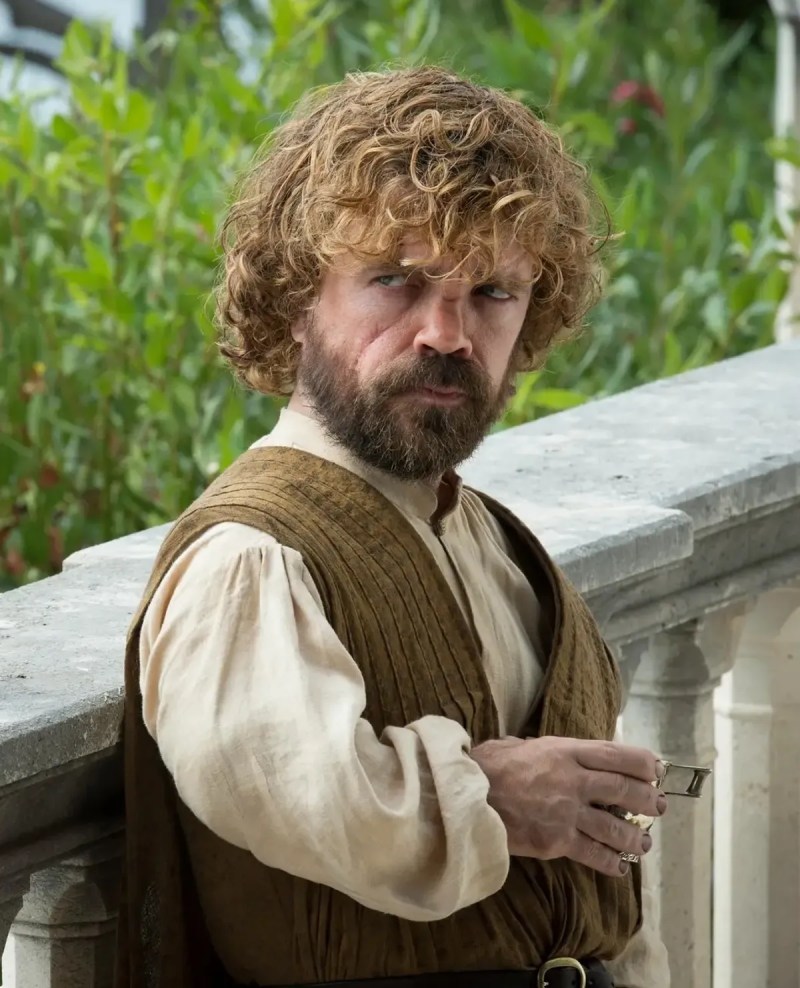
The Complete Overview of the Dwarf on Game of Thrones
At the heart of Game of Thrones’ cultural impact lies its treatment of dwarves, a demographic historically sidelined in fantasy but elevated here to symbolic and narrative prominence. The dwarf on Game of Thrones—primarily Tyrion Lannister, but also figures like the Hound’s interactions with him—isn’t just a character but a lens through which the show examines power dynamics, prejudice, and the fluidity of heroism. Unlike traditional fantasy tropes where dwarves are confined to mines or mountain halls, Game of Thrones uses them to challenge audience expectations, forcing viewers to question why physical traits should dictate worth.The show’s approach is particularly striking when contrasted with its source material, A Song of Ice and Fire. While Martin’s books delve even deeper into the psychology of dwarves (e.g., Tyrion’s complex relationships with his family), the TV adaptation amplifies their visual and emotional weight. Peter Dinklage’s performance, coupled with the show’s cinematography, ensures that every scene featuring a dwarf on Game of Thrones carries gravitational pull—whether it’s Tyrion’s courtroom defense or his quiet moments of vulnerability. This deliberate focus transforms a marginalized archetype into a cornerstone of the narrative.
Historical Background and Evolution
The dwarf on Game of Thrones exists at the intersection of medieval European stigma and Norse mythology, where dwarves were often associated with craftsmanship, trickery, and even curses. In real-world history, people of short stature were frequently marginalized, viewed as either divine punishment or objects of ridicule. This duality—both revered and reviled—seeped into fantasy, where dwarves became either noble miners (as in Tolkien’s The Hobbit) or comedic sidekicks. Game of Thrones flips this script by grounding its dwarves in the harsh realities of Westeros, where their size is both a liability and a weapon.The evolution of the dwarf on Game of Thrones is also tied to the show’s progression. Early seasons use Tyrion as a foil to the Lannister pride, his intelligence and sarcasm highlighting the family’s hypocrisy. But as the series advances, his role expands. By Season 4, he’s not just a clever underdog but a kingmaker, his political acumen rivaling that of Cersei or Daenerys. This arc reflects a broader trend in modern fantasy: the dwarf is no longer a punchline but a protagonist whose struggles resonate with audiences who’ve faced their own battles against prejudice.
Core Mechanisms: How It Works
The narrative power of the dwarf on Game of Thrones lies in its duality—how the show uses physical difference to explore deeper themes. Mechanically, this works through three layers:1. Visual Storytelling: Dinklage’s casting and the show’s framing ensure that Tyrion’s presence is inescapable. Close-ups of his expressions, his towering over characters like Bronn, or his deliberate isolation in scenes like the Red Wedding underscore his otherness—and his refusal to be defined by it.
2. Dialogue as Subversion: Tyrion’s wit isn’t just comedy; it’s a tool of survival. His one-liners dismantle the egos of lords and ladies, proving that words can be sharper than swords. This mirrors real-world strategies of marginalized groups, who often use humor and intellect to navigate hostile spaces.
3. Symbolic Weight: The dwarf on Game of Thrones becomes a metaphor for the show’s central conflicts. His exile from Casterly Rock parallels the outcast status of the smallfolk, while his rise to power reflects the cyclical nature of Westeros’ elite—where bloodlines mean nothing without cunning.
The show’s success in this area stems from its refusal to let the dwarf’s role be passive. Whether it’s Tyrion manipulating the Small Council or the Mountain’s tragic descent into brutality, every dwarf on Game of Thrones is an active participant in the world’s fate—not a victim of it.
Key Benefits and Crucial Impact
The dwarf on Game of Thrones isn’t just a character study; it’s a cultural reset for how fantasy handles marginalized figures. By centering Tyrion’s story, the show forces audiences to confront uncomfortable truths about prejudice, meritocracy, and the cost of legacy. This isn’t accidental—it’s a deliberate choice to align fantasy with real-world struggles, making the narrative feel urgently relevant. The impact extends beyond fandom: discussions about representation in media, the portrayal of disability, and even the ethics of casting (Dinklage’s advocacy for accurate dwarf representation) trace back to Game of Thrones’ bold approach.What’s often overlooked is how the dwarf on Game of Thrones serves as a narrative anchor. In a story overflowing with betrayal and violence, Tyrion’s consistency—his loyalty to Jon Snow, his love for his family, his unyielding morality—grounds the chaos. He’s the audience’s emotional tether, the one character who remains human amid the monstrosity of Westeros. This duality (the outcast who becomes indispensable) is what makes the dwarf on Game of Thrones a masterclass in character development.
"The smallfolk don’t matter. The smallfolk are the ones who have to live with the consequences." — Tyrion Lannister, Game of Thrones (S1E1)
This line encapsulates the show’s treatment of dwarves: they may be small, but their impact is anything but.
Major Advantages
The dwarf on Game of Thrones offers several narrative and thematic advantages that elevate the show’s depth:- Subversion of Tropes: Unlike traditional fantasy, where dwarves are either comic relief or one-dimensional warriors, Game of Thrones presents them as fully realized individuals with agency, flaws, and moral complexity.
- Cultural Critique: The show uses dwarves to critique Westeros’ class system, where physical traits (height, strength) dictate social standing. Tyrion’s success proves that intelligence and adaptability can outweigh birthright.
- Emotional Resonance: Audiences invest in Tyrion because his struggles—being underestimated, seeking redemption, fighting for those he loves—mirror real-world experiences of marginalization.
- Narrative Flexibility: Dwarves serve as wild cards in political intrigue. Their size makes them underrated assets; their intelligence makes them unpredictable. This unpredictability drives tension.
- Legacy of Representation: The dwarf on Game of Thrones paved the way for more nuanced portrayals of disability and difference in fantasy media, influencing later shows like The Witcher and House of the Dragon.
Comparative Analysis
The dwarf on Game of Thrones stands in stark contrast to how other fantasy franchises handle similar characters. Below is a comparison with key examples:| Aspect | Game of Thrones (Tyrion Lannister) | Other Fantasy Works (e.g., The Hobbit, World of Warcraft) |
|---|---|---|
| Primary Role | Political strategist, moral compass, tragic hero | Comic relief, warrior, or craftsmanship archetype |
| Cultural Perception | Marginalized but respected for intellect; symbol of resilience | Often stereotyped (greedy, short-tempered, or humorous) |
| Narrative Impact | Central to major plot arcs; drives character arcs of others (e.g., Jon, Daenerys) | Side characters; rarely central to main conflicts |
| Real-World Parallels | Explores prejudice, meritocracy, and the cost of legacy | Minimal; often treated as fantasy clichés |

Future Trends and Innovations
The legacy of the dwarf on Game of Thrones will likely shape how future fantasy media approaches marginalized characters. As audiences demand more authentic representation, we’ll see a shift away from one-dimensional dwarf archetypes toward deeper, more human portrayals. Shows like House of the Dragon (with its expanded Lannister family) and games like The Witcher 3 (with its morally gray dwarf characters) are already following this trend, proving that the dwarf on Game of Thrones wasn’t an anomaly but a turning point.Innovations may also include:
The dwarf on Game of Thrones has already proven that small characters can have massive narratives. The challenge for future creators is to build on this foundation without repeating its successes.
Conclusion
The dwarf on Game of Thrones is more than a character—it’s a statement. Tyrion Lannister’s journey from outcast to kingmaker isn’t just a personal triumph; it’s a rejection of the idea that physical difference should limit potential. The show’s brilliance lies in its refusal to let the dwarf’s role be passive, instead turning their struggles into a lens for broader themes of power, prejudice, and redemption. Even in the show’s darker moments, Tyrion remains a beacon of humanity, a reminder that the most dangerous weapon isn’t a sword, but the ability to see beyond stereotypes.As Game of Thrones fades into legend, the dwarf on Game of Thrones endures as a testament to the power of subversion. It’s a lesson in storytelling: that the smallest characters can carry the heaviest burdens, and that their voices—when given the chance—can echo louder than any dragon’s roar.
Comprehensive FAQs
Q: Why was Tyrion Lannister’s portrayal of a dwarf on Game of Thrones so groundbreaking?
A: Tyrion’s character broke from traditional fantasy tropes by being neither a comic relief figure nor a one-dimensional warrior. His intelligence, moral complexity, and political acumen made him a fully realized protagonist, while his physical difference became a metaphor for marginalization and resilience. Unlike other dwarves in media, Tyrion’s story was deeply personal, exploring themes of family, redemption, and the cost of legacy.
Q: How did Peter Dinklage’s casting influence the dwarf on Game of Thrones?
A: Dinklage’s casting was pivotal because he brought authenticity and depth to Tyrion’s role. His performance ensured that the dwarf on Game of Thrones was never reduced to a stereotype. Dinklage also advocated for more accurate portrayals of dwarfism in media, pushing the industry to move beyond clichés. His physicality and emotional range made Tyrion’s struggles feel real, elevating the character beyond fantasy conventions.
Q: Were there other dwarves on Game of Thrones besides Tyrion?
A: Yes, though Tyrion was the most prominent. Other examples include:
Q: How does the dwarf on Game of Thrones compare to dwarves in A Song of Ice and Fire books?
A: While the TV show amplifies Tyrion’s visual and emotional impact, the books delve even deeper into his psychology and relationships. Martin’s prose explores Tyrion’s self-loathing, his complex bond with Jaime, and his role as a tragic figure in a corrupt world. The show streamlines some of these nuances for pacing but retains the core themes of intelligence vs. brute force and the burden of legacy.
Q: What cultural impact did the dwarf on Game of Thrones have beyond the show?
A: The portrayal of dwarves in Game of Thrones sparked broader conversations about representation in media. It influenced:
Q: Will we see more dwarves on Game of Thrones in House of the Dragon?
A: While House of the Dragon hasn’t confirmed new dwarf characters, the show has hinted at expanding the Lannister family’s dynamics. Given the success of Tyrion’s arc, it’s plausible that future seasons or spin-offs will explore other dwarf figures, particularly if they serve a political or thematic role. Fans are eagerly awaiting how the show will continue to challenge Westeros’ prejudices.
Leave a Comment
Comments are moderated before appearing. The data you submit is processed according to the Privacy Policy of versiliasolutions.oneagency.co.