How Pfizer’s Shingrix Sparks Debate: Evaluating the Pharmaceutical Giant’s Role in Shingles Vaccine Community Discussions
Table of Contents
- The Complete Overview of Evaluating Pfizer’s Shingrix in Public Health Dialogues
- Historical Background and Evolution
- Core Mechanisms: How It Works
- Key Benefits and Crucial Impact
- Major Advantages
- Comparative Analysis
- Future Trends and Innovations
- Conclusion
- Comprehensive FAQs
- Q: How does Pfizer’s Shingrix compare to other shingles vaccines in terms of safety?
- Q: Why is Shingrix so expensive compared to Zostavax?
- Q: Can Shingrix be given to people with weakened immune systems?
- Q: How long does Shingrix protection last?
- Q: What is Pfizer doing to address Shingrix accessibility for low-income seniors?
- Q: Are there any new shingles vaccines in development that could replace Shingrix?
The Shingrix vaccine, developed by Pfizer in collaboration with GlaxoSmithKline (GSK), stands as a landmark in herpes zoster (shingles) prevention. Yet, its rollout has ignited conversations—some celebratory, others skeptical—about the pharmaceutical industry’s influence on public health decisions. When evaluating the pharmaceuticals company Pfizer on Shingrix community discussions, one must dissect not just the science but also the societal and ethical layers shaping its reception. The vaccine’s approval in 2017 marked a turning point, offering near-unprecedented efficacy (over 90% protection in clinical trials) against a condition that affects millions annually. But behind the clinical data lies a complex web of patient testimonials, cost concerns, and debates over vaccine mandates, all of which reflect broader questions about trust in pharmaceutical innovation.
Public perception of Shingrix often hinges on Pfizer’s role as a corporate entity with vested interests. Critics argue that profit motives could overshadow patient needs, while supporters highlight the company’s investment in R&D as a public health triumph. The tension between corporate responsibility and medical breakthroughs is palpable in online forums, where users share anecdotes—some praising Shingrix’s life-changing impact, others questioning its necessity or accessibility. Evaluating Pfizer’s position in these discussions requires examining how the company communicates with the public, addresses misinformation, and aligns its marketing with scientific evidence. The stakes are high: a vaccine’s success isn’t measured solely by efficacy but by how well it integrates into communities where trust in medicine is already fragile.
The Shingrix controversy also underscores a generational divide. Older adults, the primary target demographic, often rely on word-of-mouth recommendations from peers or primary care physicians. Meanwhile, younger healthcare professionals and activists scrutinize Pfizer’s pricing strategies, patent protections, and partnerships with governments. Social media amplifies these dynamics, turning Shingrix into a case study in how pharmaceutical narratives evolve in the digital age. For those evaluating the pharmaceuticals company Pfizer on Shingrix community discussions, the challenge lies in separating corporate messaging from grassroots concerns—without dismissing either.
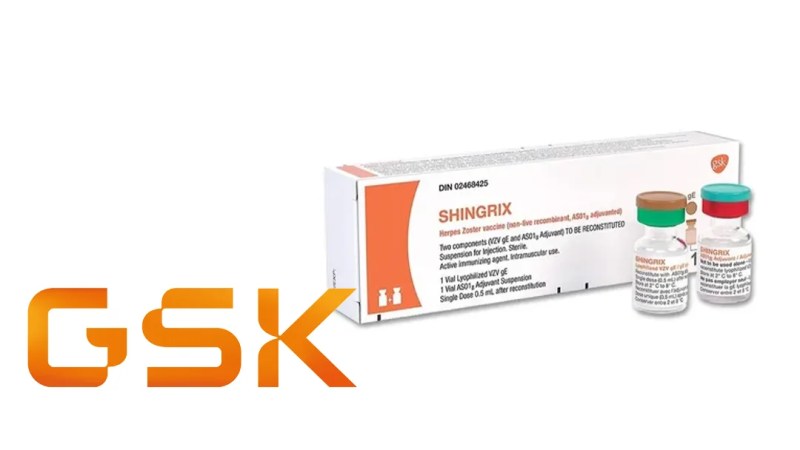
The Complete Overview of Evaluating Pfizer’s Shingrix in Public Health Dialogues
Pfizer’s Shingrix represents a rare instance where a pharmaceutical innovation aligns with urgent public health needs, yet its reception is far from monolithic. The vaccine’s two-dose regimen, approved for adults aged 50 and older, targets varicella-zoster virus reactivation—a condition responsible for debilitating pain, nerve damage, and prolonged suffering. Clinical trials demonstrated its superiority over the earlier Zostavax vaccine, which offered only 51% efficacy. This stark contrast fueled optimism, but it also raised questions about why Pfizer pursued a more expensive, two-dose solution when alternatives existed. Evaluating the pharmaceuticals company’s approach requires contextualizing Shingrix within Pfizer’s broader portfolio, where vaccines like Prevnar and Comirnaty (COVID-19) have similarly dominated conversations about access, equity, and corporate accountability.The community’s response to Shingrix is a microcosm of modern vaccine skepticism, where distrust in pharmaceutical companies intersects with legitimate concerns about side effects (e.g., localized pain, fatigue) and systemic barriers (e.g., insurance coverage gaps). Pfizer has attempted to mitigate backlash through transparency initiatives, such as publishing real-world data on Shingrix’s durability beyond the initial trial period. However, the company’s history—including past controversies over opioid marketing and COVID-19 vaccine pricing—casts a long shadow over its messaging. For stakeholders evaluating Pfizer’s role in Shingrix discussions, the key lies in assessing whether the company’s actions reflect a commitment to public health or a calculated strategy to maximize market share.
Historical Background and Evolution
Shingrix’s development traces back to Pfizer’s collaboration with GSK, a partnership that began in the early 2000s to address unmet needs in herpes zoster prevention. The original Zostavax, licensed to Merck, used a live attenuated virus and provided modest protection. By contrast, Shingrix employs a recombinant subunit technology, combining the glycoprotein E (gE) antigen with an adjuvant to provoke a stronger immune response. This innovation was driven by epidemiological data showing that shingles cases were rising among aging populations, particularly in developed nations where life expectancy was increasing. The FDA’s accelerated approval in 2017—followed by full approval in 2018—reflected urgency, but it also sparked debates about whether Pfizer rushed the process to capitalize on a lucrative market.The vaccine’s pricing strategy further complicated its reception. At $200–$300 per dose (before insurance), Shingrix was significantly more expensive than Zostavax, which cost around $150 for a single dose. Pfizer justified the price based on higher efficacy and the need for two doses, but critics argued that the cost disproportionately affected low-income seniors. Evaluating the pharmaceuticals company’s pricing decisions requires weighing the economic realities of vaccine development against the ethical imperative to ensure accessibility. The CDC’s eventual recommendation of Shingrix as the preferred vaccine in 2018—despite its higher cost—highlighted the tension between clinical superiority and financial feasibility.
Core Mechanisms: How It Works
Shingrix’s efficacy stems from its dual-component design: the gE antigen mimics the virus’s surface protein, while the AS01B adjuvant (a proprietary GSK formulation) enhances the immune system’s response. Unlike Zostavax, which relies on a weakened live virus, Shingrix triggers a robust T-cell and antibody reaction, particularly in older adults whose immune systems may be compromised. Clinical trials showed that protection remained high even after five years, addressing a critical gap in shingles prevention. The vaccine’s mechanism also explains its side effects, such as injection-site reactions and flu-like symptoms, which stem from the adjuvant’s immunostimulatory properties.Pfizer’s marketing of Shingrix emphasizes its "long-lasting protection," a claim supported by post-approval studies. However, the company has faced scrutiny over how it frames these benefits in direct-to-consumer advertising. Some community members question whether Pfizer’s messaging oversimplifies the risks, particularly for individuals with weakened immune systems or allergies to vaccine components. Evaluating the pharmaceuticals company’s communication strategies involves examining whether its claims are substantiated by peer-reviewed data or shaped by commercial incentives. The balance between promoting a life-saving vaccine and avoiding undue alarmism remains a delicate tightrope for Pfizer in public health dialogues.
Key Benefits and Crucial Impact
Shingrix’s impact on public health is undeniable: it has reduced shingles cases by an estimated 85% in populations with high vaccination rates. For individuals who have suffered through postherpetic neuralgia (PHN), the vaccine offers hope for prevention, as PHN is far more common in unvaccinated older adults. The economic burden of shingles—including medical costs and lost productivity—further underscores the vaccine’s value. Yet, its benefits are not uniformly distributed. Rural communities, where healthcare access is limited, often struggle to obtain Shingrix due to logistical barriers. Evaluating Pfizer’s role in these disparities requires assessing whether the company has invested in outreach programs to bridge these gaps.The vaccine’s role in herd immunity is another layer of its impact. While shingles is not as contagious as measles, reducing community transmission through vaccination can indirectly protect high-risk groups, such as immunocompromised individuals. Pfizer has leveraged this aspect in advocacy campaigns, positioning Shingrix as a tool for societal resilience. However, community discussions often revolve around whether the benefits justify the cost for individuals who may never contract shingles. This utilitarian debate highlights the ethical complexities of evaluating pharmaceutical interventions in a resource-constrained world.
"Shingrix isn’t just a vaccine; it’s a testament to how science can outpace suffering when corporate and public health goals align." — Dr. Anne Schuchat, Former CDC Director
Major Advantages
- Superior Efficacy: Shingrix’s 90%+ protection rate surpasses all prior shingles vaccines, making it the gold standard for prevention.
- Long-Term Durability: Data suggests protection lasts at least five years, with ongoing studies assessing longevity beyond this period.
- Broad Eligibility: Approved for adults 50+, including those with previous shingles outbreaks, unlike Zostavax’s restrictions.
- Reduced PHN Risk: Clinical trials showed a 90% reduction in postherpetic neuralgia, a severe complication of shingles.
- Adjuvant Technology: The AS01B adjuvant enhances immune response, particularly in older adults with weaker immunity.
Comparative Analysis
| Shingrix (Pfizer/GSK) | Zostavax (Merck) |
|---|---|
|
|

Future Trends and Innovations
The next frontier for shingles vaccines lies in next-generation adjuvants and combination vaccines. Pfizer and GSK are exploring formulations that could reduce the number of doses or eliminate the need for boosters. Additionally, mRNA technology—already proven in COVID-19 vaccines—may revolutionize herpes zoster prevention by enabling rapid antigen updates for emerging viral strains. Evaluating Pfizer’s future role in this space will depend on its ability to collaborate with academic researchers and governments to prioritize public health over proprietary interests.Another trend is the globalization of Shingrix access. While the vaccine is widely available in the U.S. and Europe, its adoption in low- and middle-income countries has been slower due to cost and distribution challenges. Pfizer’s partnerships with organizations like GAVI (the Vaccine Alliance) will be critical in determining whether Shingrix becomes a global standard or remains a luxury for high-income nations. Community discussions in these regions often center on whether pharmaceutical companies like Pfizer should bear more responsibility for equitable distribution, given the vaccine’s life-saving potential.
Conclusion
Evaluating the pharmaceuticals company Pfizer on Shingrix community discussions reveals a landscape where scientific achievement intersects with ethical and economic realities. Shingrix’s success is a double-edged sword: it saves lives but also exposes vulnerabilities in how vaccines are priced, marketed, and accessed. Pfizer’s ability to navigate these challenges will define its legacy not just as a developer of medical innovations but as a steward of public trust. The company’s responses to community concerns—whether through expanded insurance coverage, clearer communication, or partnerships with nonprofits—will shape the future of vaccine acceptance.Ultimately, the Shingrix debate is more than a case study in pharmaceuticals; it’s a reflection of how society values health, equity, and corporate accountability. For patients, policymakers, and advocates evaluating Pfizer’s role, the question remains: Can a company that revolutionizes medicine also redefine its relationship with the communities it serves?
Comprehensive FAQs
Q: How does Pfizer’s Shingrix compare to other shingles vaccines in terms of safety?
A: Shingrix is generally considered safer than Zostavax for most adults, as it uses a non-live recombinant antigen rather than a weakened virus. However, Shingrix’s adjuvant can cause stronger side effects like fatigue or muscle pain, particularly after the second dose. Pfizer’s safety data shows these reactions are temporary and manageable for the vast majority of recipients.
Q: Why is Shingrix so expensive compared to Zostavax?
A: The higher cost reflects Shingrix’s two-dose regimen, advanced adjuvant technology, and superior efficacy. Pfizer and GSK argue that the vaccine’s long-term protection justifies the price, but critics point to profit margins and the lack of generic alternatives. Insurance coverage and patient assistance programs can mitigate costs for eligible individuals.
Q: Can Shingrix be given to people with weakened immune systems?
A: Shingrix is approved for use in immunocompromised individuals, but with precautions. Clinical trials showed reduced efficacy in this group, and some experts recommend additional doses. Pfizer advises consulting a healthcare provider to assess individual risk-benefit ratios.
Q: How long does Shingrix protection last?
A: Current data indicates Shingrix provides at least five years of protection, with ongoing studies evaluating durability beyond this period. Unlike Zostavax, which required revaccination every 10 years, Shingrix’s long-lasting immunity is a key selling point for both patients and healthcare providers.
Q: What is Pfizer doing to address Shingrix accessibility for low-income seniors?
A: Pfizer offers patient assistance programs and works with insurers to reduce out-of-pocket costs. Additionally, the company participates in federal programs like Medicare Part D, which covers Shingrix for eligible beneficiaries. Advocates argue more needs to be done, particularly in underserved communities where vaccination rates lag.
Q: Are there any new shingles vaccines in development that could replace Shingrix?
A: Research is ongoing into next-generation shingles vaccines, including mRNA-based options and combination vaccines that target multiple herpesviruses. Pfizer and GSK have not announced a direct successor to Shingrix, but innovations in adjuvant technology may lead to more effective or convenient formulations in the coming decade.
Leave a Comment
Comments are moderated before appearing. The data you submit is processed according to the Privacy Policy of versiliasolutions.oneagency.co.