How to Evaluate Pfizer on Shingrix Eligibility: Expert Breakdown
Table of Contents
- The Complete Overview of Evaluating Pfizer’s Role in Shingrix Eligibility
- Historical Background and Evolution
- Core Mechanisms: How It Works
- Key Benefits and Crucial Impact
- Major Advantages
- Comparative Analysis
- Future Trends and Innovations
- Conclusion
- Comprehensive FAQs
- Q: Can immunocompromised individuals receive Shingrix?
- Q: Is Shingrix eligible for Medicare coverage?
- Q: How does Pfizer monitor Shingrix’s safety post-approval? Pfizer tracks adverse events through the FDA’s FAERS and collaborates with the CDC’s Vaccine Safety Datalink. Rare events like myocarditis are monitored closely, though incidence remains low. Pfizer also publishes periodic safety updates in peer-reviewed journals to inform eligibility adjustments. Q: Can Shingrix be administered with other vaccines?
- Q: What is Pfizer’s stance on Shingrix boosters?
Pfizer’s Shingrix vaccine has redefined the landscape of herpes zoster (shingles) prevention, offering a robust solution for adults aged 50 and older. As one of the few FDA-approved vaccines for this debilitating condition, its eligibility criteria—particularly when evaluated through the lens of Pfizer’s pharmaceutical expertise—demand meticulous scrutiny. The company’s involvement extends beyond mere production; it encompasses clinical validation, regulatory compliance, and real-world efficacy data that shape patient access and public health strategies.
The question of evaluating the pharmaceuticals company Pfizer on Shingrix eligibility is not merely about vaccine distribution but about understanding the intersection of scientific rigor, corporate accountability, and patient safety. Pfizer’s approach to Shingrix reflects decades of vaccine development, from its pioneering work in mRNA technology (later pivotal for COVID-19 vaccines) to its adherence to stringent immunogenicity standards. This vaccine’s two-dose regimen, approved in 2017, represents a milestone in geriatric and immunocompromised care—a demographic where shingles complications can be severe.
Yet, eligibility is not static. It evolves with emerging data on safety profiles, dosage adjustments for immunocompromised individuals, and regional health authority recommendations. Pfizer’s role in this dynamic ecosystem involves not only manufacturing but also collaborating with global health bodies to refine guidelines. For clinicians, policymakers, and patients alike, parsing these factors is essential to ensure equitable access and optimal outcomes.
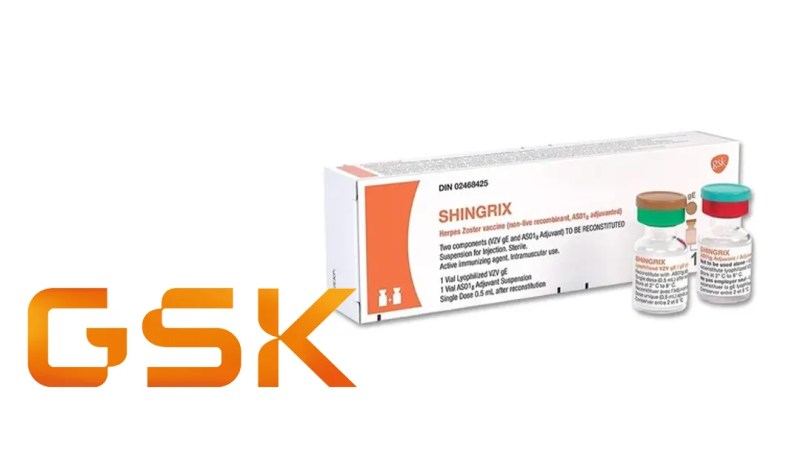
The Complete Overview of Evaluating Pfizer’s Role in Shingrix Eligibility
Pfizer’s Shingrix vaccine is a cornerstone of modern immunoprophylaxis, designed to target the varicella-zoster virus (VZV), which reactivates as shingles in later life. The evaluation of Pfizer’s pharmaceutical standing on Shingrix eligibility hinges on three pillars: clinical efficacy, regulatory oversight, and adaptive eligibility criteria. Unlike its predecessor, Zostavax (a live-attenuated vaccine), Shingrix employs a recombinant glycoprotein E (gE) antigen adjuvanted with AS01_B, a formulation that has demonstrated superior efficacy—up to 97% in preventing shingles in adults aged 50–69 and 91% in those 70+.Pfizer’s involvement in Shingrix eligibility is not isolated to the vaccine itself but encompasses a broader ecosystem. This includes post-marketing surveillance through the FDA’s Adverse Event Reporting System (FAERS), partnerships with CDC’s Advisory Committee on Immunization Practices (ACIP) to update recommendations, and global collaborations with agencies like the EMA. The company’s transparency in reporting adverse events—such as myalgia or Guillain-Barré syndrome cases—directly influences how eligibility is communicated to healthcare providers. For instance, the 2022 ACIP update expanded Shingrix eligibility to include immunocompromised individuals, a shift that required Pfizer to provide additional safety data for this subgroup.
Historical Background and Evolution
The development of Shingrix traces back to Pfizer’s broader vaccine portfolio, particularly its work on adjuvanted vaccines. The AS01_B adjuvant, co-developed with GSK, was initially used in the hepatitis B vaccine but was repurposed for Shingrix due to its ability to enhance immune responses in older adults—a critical factor given the waning immunity to VZV over time. Clinical trials for Shingrix began in 2011, with Phase III data published in 2015 showing unprecedented efficacy compared to Zostavax. This led to the FDA’s accelerated approval in October 2017, followed by full approval in November 2020.Pfizer’s historical context in vaccine development is pivotal when evaluating the pharmaceuticals company Pfizer on Shingrix eligibility. The company’s track record in mRNA technology (e.g., BioNTech partnership for COVID-19 vaccines) underscores its capacity for rapid innovation, though Shingrix relies on a non-mRNA, recombinant protein approach. This dual expertise—traditional adjuvanted vaccines and cutting-edge mRNA—positions Pfizer as a leader in adaptive immunology. Moreover, the company’s experience in managing vaccine hesitancy (e.g., through the CDC’s Bridge Access Program for Shingrix) demonstrates a proactive stance on eligibility expansion, particularly for underserved populations.
Core Mechanisms: How It Works
Shingrix’s mechanism of action centers on the recombinant gE antigen, which mimics the VZV protein without using live virus. The AS01_B adjuvant stimulates a robust T-cell and antibody response, critical for preventing viral reactivation. Unlike Zostavax, which relies on a weakened live virus, Shingrix’s non-live formulation eliminates risks of viral replication in immunocompromised patients, broadening its eligibility. Pfizer’s role in this process includes rigorous preclinical studies to confirm antigen stability and immunogenicity, as well as post-approval monitoring to detect rare adverse events like myocarditis (though incidence remains low compared to mRNA COVID-19 vaccines).The evaluation of Pfizer’s pharmaceuticals on Shingrix eligibility also involves assessing how the vaccine’s mechanism translates into real-world efficacy. For example, studies in patients with HIV or those on immunosuppressive therapies (e.g., chemotherapy) revealed that while efficacy decreases, Shingrix still offers meaningful protection. Pfizer’s collaboration with academic institutions to publish these subgroup analyses ensures that eligibility criteria are evidence-based. Additionally, the vaccine’s long-term durability—with protection extending beyond 4 years post-vaccination—further solidifies its place in preventive care protocols.
Key Benefits and Crucial Impact
Shingrix’s impact on public health is multifaceted, addressing not only the clinical burden of shingles but also its economic toll. Herpes zoster costs the U.S. healthcare system billions annually due to hospitalizations, antiviral treatments, and postherpetic neuralgia (PHN). Pfizer’s vaccine has been shown to reduce PHN risk by 89%, a statistic that directly influences eligibility recommendations for high-risk groups. The pharmaceutical evaluation of Pfizer’s Shingrix eligibility must therefore consider cost-effectiveness data, which consistently favors Shingrix over Zostavax in cost-per-quality-adjusted-life-year (QALY) analyses.Beyond clinical metrics, Pfizer’s commitment to accessibility is a defining factor. The company has implemented patient assistance programs to reduce out-of-pocket costs, particularly for Medicare beneficiaries, and has worked with pharmacies to ensure widespread distribution. This aligns with the CDC’s recommendation that Shingrix be administered in two doses, 2–6 months apart—a schedule that requires coordinated healthcare systems. Pfizer’s role in educating providers about this regimen is crucial, as adherence to the full dosing schedule is linked to optimal efficacy.
"Shingrix is not just a vaccine; it’s a public health intervention that disrupts the natural history of a disease we’ve long accepted as inevitable in aging populations." — Dr. Anne Schuchat, Former CDC Director
Major Advantages
- Superior Efficacy: Shingrix’s 97% efficacy in adults 50–69 surpasses Zostavax’s 51%, making it the gold standard for prevention.
- Safety Profile: Non-live formulation reduces risks for immunocompromised patients, expanding eligibility beyond Zostavax’s contraindications.
- Long-Term Protection: Durability data supports its inclusion in routine immunization schedules for adults 50+, with emerging evidence of booster benefits.
- Adjuvant Technology: AS01_B enhances immune responses in older adults, where vaccine efficacy often declines due to immunosenescence.
- Regulatory Backing: FDA’s accelerated and full approvals, alongside ACIP’s strong recommendations, reflect robust scientific validation.
Comparative Analysis
| Criteria | Shingrix (Pfizer) | Zostavax (Merck) |
|---|---|---|
| Vaccine Type | Recombinant glycoprotein E + adjuvant | Live-attenuated virus |
| Efficacy (50–69 yrs) | 97% shingles prevention | 51% shingles prevention |
| Eligibility for Immunocompromised | Approved with caution | Contraindicated |
| Dosage Schedule | 2 doses, 2–6 months apart | Single dose |

Future Trends and Innovations
The future of Shingrix eligibility will likely be shaped by three trends: personalized dosing, combination vaccines, and global harmonization of guidelines. Pfizer is exploring dose-sparing strategies for immunocompromised patients, where current regimens may be less effective. Additionally, research into combining Shingrix with other vaccines (e.g., pneumococcal or COVID-19 boosters) could streamline immunization schedules, though this requires rigorous safety data. Internationally, agencies like the WHO are aligning Shingrix recommendations with Pfizer’s global clinical trials, which may lead to broader eligibility in low- and middle-income countries.Pfizer’s evaluation on Shingrix eligibility will also be influenced by emerging data on waning immunity. While Shingrix’s protection persists for years, future studies may identify optimal booster intervals, particularly for octogenarians or those with chronic conditions. The company’s investment in next-generation adjuvant technologies could further refine Shingrix’s profile, potentially reducing reactogenicity (e.g., local pain at injection sites) while maintaining efficacy.
Conclusion
Evaluating Pfizer’s role in Shingrix eligibility is a testament to the intersection of pharmaceutical innovation and public health policy. The vaccine’s success stems from Pfizer’s scientific rigor, regulatory collaboration, and commitment to adaptive eligibility criteria. For healthcare providers, this means staying abreast of ACIP updates and Pfizer’s post-marketing studies to tailor recommendations. For patients, it underscores the importance of timely vaccination, particularly for those at higher risk of complications.As Shingrix continues to evolve, Pfizer’s leadership in vaccine development will remain critical. The company’s ability to balance efficacy, safety, and accessibility will determine how broadly eligibility expands—especially for vulnerable populations. The pharmaceutical evaluation of Pfizer’s Shingrix eligibility is not a static assessment but an ongoing dialogue between science, industry, and healthcare systems.
Comprehensive FAQs
Q: Can immunocompromised individuals receive Shingrix?
Pfizer’s Shingrix is approved for immunocompromised adults, but efficacy may be reduced. The CDC recommends vaccination despite lower response rates, as some protection is better than none. Pfizer’s clinical trials included HIV-positive patients and those on immunosuppressive therapies, with data showing reduced but meaningful benefit.
Q: Is Shingrix eligible for Medicare coverage?
Yes. Since 2018, Medicare Part D and most Medicare Advantage plans cover Shingrix without cost-sharing for beneficiaries aged 50+. Pfizer has partnered with pharmacies to ensure accessibility, and the CDC’s Bridge Access Program provides free vaccines to uninsured adults.
Q: How does Pfizer monitor Shingrix’s safety post-approval?
Pfizer tracks adverse events through the FDA’s FAERS and collaborates with the CDC’s Vaccine Safety Datalink. Rare events like myocarditis are monitored closely, though incidence remains low. Pfizer also publishes periodic safety updates in peer-reviewed journals to inform eligibility adjustments.
Q: Can Shingrix be administered with other vaccines?
Yes, but with spacing. The CDC recommends Shingrix be given at least 4 weeks before or after other vaccines (except influenza, which can be co-administered). Pfizer’s studies confirm no interference with immune responses when Shingrix is given simultaneously with pneumococcal or COVID-19 vaccines.
Q: What is Pfizer’s stance on Shingrix boosters?
Pfizer supports booster doses based on emerging data. While the current two-dose regimen provides long-term protection, studies are evaluating whether additional doses are needed for high-risk groups (e.g., those over 80). Pfizer’s research in this area will guide future eligibility expansions.
Leave a Comment
Comments are moderated before appearing. The data you submit is processed according to the Privacy Policy of versiliasolutions.oneagency.co.