How Pfizer’s Shingrix Patient Assistance Program Stands Up: A Critical Evaluation
Table of Contents
- The Complete Overview of Evaluating Pfizer’s Shingrix Patient Assistance
- Historical Background and Evolution
- Core Mechanisms: How It Works
- Key Benefits and Crucial Impact
- Major Advantages
- Comparative Analysis
- Future Trends and Innovations
- Conclusion
- Comprehensive FAQs
- Q: Does Pfizer’s Shingrix Patient Assistance Program cover the full cost for uninsured patients?
- Q: Can patients with insurance but high deductibles use the Shingrix copay card?
- Q: How long does it take to get approved for Pfizer’s Shingrix PAP?
- Q: Are there state-specific variations in Pfizer’s Shingrix patient assistance?
- Q: What happens if a patient’s income exceeds the PAP’s eligibility threshold but they still can’t afford Shingrix?
- Q: Does Pfizer’s Shingrix PAP require a prescription?
- Q: How does Pfizer’s Shingrix patient assistance compare to Merck’s Zostavax aid?
- Q: Can patients apply for Shingrix PAP online, or must they mail in documents?
- Q: Does Pfizer’s Shingrix PAP cover travel or administration fees?
- Q: Are there plans to expand Pfizer’s Shingrix patient assistance in the future?
Shingrix, Pfizer and BioNTech’s recombinant zoster vaccine, has redefined herpes zoster prevention with its unparalleled efficacy—nearly 97% effective in adults aged 50 and older. Yet, behind its clinical success lies a critical question: How does Pfizer’s patient assistance framework for Shingrix function in practice? For millions facing out-of-pocket costs, the distinction between a vaccine’s efficacy and its accessibility can be stark. The company’s patient assistance program (PAP) serves as the bridge between medical necessity and financial feasibility, but its design, limitations, and real-world performance demand rigorous scrutiny.
The stakes are high. Herpes zoster, or shingles, affects over one million Americans annually, with complications like postherpetic neuralgia disproportionately burdening older adults and immunocompromised individuals. While Shingrix’s protection is undisputed, its list price—$244.75 per dose before insurance—poses a barrier for the uninsured, underinsured, or those navigating high-deductible plans. Pfizer’s patient assistance initiatives, including the Shingrix Patient Assistance Program (PAP) and copay cards, are ostensibly crafted to mitigate this gap. Yet, navigating these programs often reveals a labyrinth of eligibility criteria, documentation hurdles, and regional disparities. The question persists: Does Pfizer’s support structure truly evaluate the pharmaceuticals company’s commitment to Shingrix patient assistance—or does it inadvertently exclude those who need it most?
Critics argue that pharmaceutical patient assistance programs, while well-intentioned, frequently operate as a patchwork of bureaucratic requirements rather than a seamless safety net. For Pfizer, the challenge lies in balancing commercial viability with humanitarian obligations. The company’s PAP for Shingrix, for instance, extends aid to qualifying patients but imposes income thresholds, asset limits, and state-specific restrictions that can disqualify eligible individuals through administrative oversight. Meanwhile, alternative pathways—such as 340B drug pricing programs or state-funded initiatives—create a fragmented ecosystem where patients must piece together coverage from multiple sources. This evaluation dissects Pfizer’s Shingrix patient assistance framework, examining its mechanisms, efficacy, and where it falls short in ensuring equitable access to a life-altering vaccine.
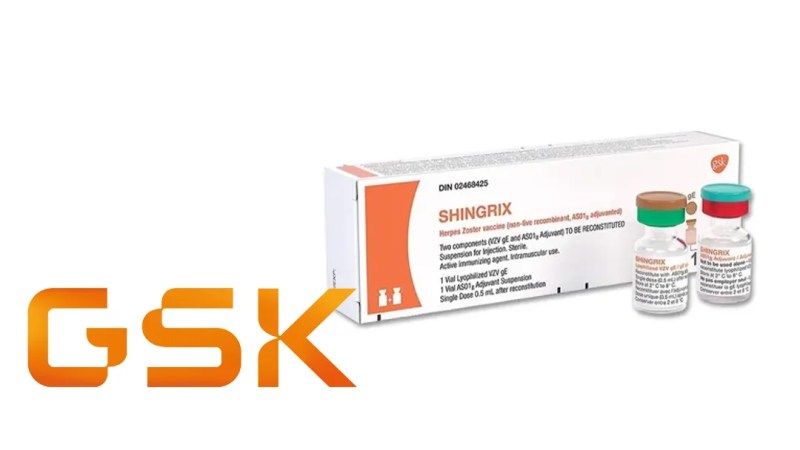
The Complete Overview of Evaluating Pfizer’s Shingrix Patient Assistance
Pfizer’s approach to Shingrix patient assistance reflects a dual strategy: leveraging commercial partnerships to offset costs while maintaining profitability, and deploying targeted aid programs to address gaps in insurance coverage. The Shingrix PAP, administered through Pfizer’s Patient Assistance Foundation (PAF), is the cornerstone of this effort. Eligible patients—primarily those without insurance, underinsured, or facing financial hardship—can receive the vaccine at no cost, provided they meet stringent criteria. These include U.S. residency, proof of income below 200% of the Federal Poverty Level (FPL), and, in some cases, enrollment in Medicaid or other government assistance programs. The program’s design underscores Pfizer’s commitment to accessibility, yet its implementation reveals a tension between corporate policy and patient needs.The effectiveness of Pfizer’s Shingrix patient assistance hinges on three pillars: program transparency, administrative efficiency, and real-world impact. Transparency is often lacking; patients frequently report confusion over eligibility, documentation requirements, and the distinction between the PAP and other aid options like copay cards. Administrative inefficiencies—such as delays in approvals or miscommunication between Pfizer’s call centers and healthcare providers—can deter patients from pursuing assistance. Meanwhile, the program’s impact is measured not just in doses distributed but in lives improved. Studies suggest that unvaccinated populations, particularly those in lower-income brackets, bear a disproportionate burden of shingles-related complications. Thus, the true test of Pfizer’s patient assistance lies in its ability to reach these vulnerable groups without creating additional barriers.
Historical Background and Evolution
The evolution of Pfizer’s patient assistance programs mirrors broader industry trends toward corporate social responsibility in healthcare. Shingrix itself emerged from decades of research into varicella-zoster virus immunology, culminating in its FDA approval in 2017 as the first non-live vaccine for shingles. Initially, Pfizer positioned Shingrix as a premium-priced solution, justified by its superior efficacy compared to the live Zostavax vaccine. However, as insurance reimbursement rates lagged behind the vaccine’s cost, the company faced pressure to address affordability concerns. The launch of the Shingrix PAP in 2018 marked a pivot toward structured patient aid, though it was not without controversy.Critics pointed to the program’s income-based eligibility as a relic of outdated pharmaceutical aid models, where assistance was often tied to poverty thresholds rather than medical necessity. Pfizer’s response was to refine the PAP’s criteria, expanding eligibility to include patients with high-deductible plans or those whose insurance did not fully cover Shingrix. Yet, the program’s evolution has been incremental, with updates often driven by regulatory scrutiny or public outcry rather than proactive innovation. For example, during the COVID-19 pandemic, Pfizer temporarily waived certain documentation requirements for Shingrix PAP applicants, a move that highlighted the program’s flexibility when faced with systemic disruptions. This history underscores a critical question: Is Pfizer’s Shingrix patient assistance a reactive measure or a deliberate, patient-centered strategy?
Core Mechanisms: How It Works
At its core, Pfizer’s Shingrix patient assistance operates through a tiered system of support, each layer designed to address a specific segment of the uninsured or underinsured population. The primary mechanism is the Shingrix Patient Assistance Foundation (PAF), which provides the vaccine at no cost to qualifying patients. To apply, individuals must submit documentation—such as proof of income, residency, and, in some cases, a prescription—through Pfizer’s online portal or by mail. The approval process typically takes 10–14 business days, during which patients may receive guidance from Pfizer’s customer service team. For those who do not qualify for the PAP but still face cost barriers, Pfizer offers a copay card, which reduces out-of-pocket expenses to $0–$50 per dose, depending on insurance coverage.Beyond these direct aid pathways, Pfizer collaborates with third-party organizations, such as NeedyMeds and RxAssist, to streamline access for patients. These partnerships expand the program’s reach but can introduce complexity, as patients must navigate multiple platforms to determine eligibility. Additionally, Pfizer participates in the 340B Drug Pricing Program, which allows eligible healthcare providers to purchase Shingrix at a reduced rate for low-income patients. While this indirect support is valuable, its effectiveness depends on provider participation and patient awareness—a gap that Pfizer’s marketing efforts have yet to fully bridge. The interplay of these mechanisms reveals both the program’s strengths and its structural limitations.
Key Benefits and Crucial Impact
The most compelling argument for Pfizer’s Shingrix patient assistance lies in its tangible benefits: lives saved, complications averted, and financial burdens lifted. For patients who qualify, the program eliminates the prohibitive cost of Shingrix, making prevention accessible regardless of socioeconomic status. This is particularly critical for older adults, who are at highest risk for severe shingles outcomes, yet often face fixed incomes and limited insurance options. The program’s impact extends beyond individual patients to public health, as higher vaccination rates correlate with reduced hospitalizations and long-term care costs. By removing financial barriers, Pfizer’s PAP indirectly supports healthcare systems strained by preventable diseases.Yet, the program’s benefits are not without caveats. The income-based eligibility threshold—200% of the FPL—excludes a significant portion of the population, including middle-class individuals with high-deductible plans or those in states with restrictive Medicaid policies. Additionally, the administrative burden of applying for assistance can deter patients who might otherwise qualify. A 2022 survey by the Kaiser Family Foundation found that 40% of uninsured adults with chronic conditions had not pursued patient assistance programs due to perceived complexity. For Pfizer, the challenge is to expand eligibility without compromising the program’s sustainability—a balance that remains precarious.
"Patient assistance programs are only as good as their ability to reach those who need them most. If the bureaucracy outweighs the benefit, the program fails by design." — Dr. Emily Chen, Infectious Disease Epidemiologist, Johns Hopkins University
Major Advantages
- No-Cost Vaccination for Eligible Patients: The Shingrix PAP provides the full two-dose series at no cost, eliminating a primary barrier to vaccination for low-income individuals.
- Expanded Eligibility for High-Deductible Plans: Patients with insurance but facing high out-of-pocket costs can qualify for the copay card, reducing expenses to $0–$50 per dose.
- Collaboration with Third-Party Aid Organizations: Partnerships with NeedyMeds and RxAssist broaden the program’s reach, offering alternative pathways for those who may not qualify for Pfizer’s direct aid.
- 340B Program Participation: By aligning with the 340B Drug Pricing Program, Pfizer enables healthcare providers to offer Shingrix at reduced rates to underserved communities.
- Temporary Flexibility During Crises: Pfizer’s willingness to adjust documentation requirements during the COVID-19 pandemic demonstrated adaptability, though such measures were not institutionalized.
Comparative Analysis
| Pfizer’s Shingrix PAP | Alternative Vaccine Assistance Programs |
|---|---|
| Eligibility: Income ≤ 200% FPL, U.S. residency, Medicaid enrollment (varies by state). | Merck’s Zostavax (Live Vaccine): Limited patient aid; primarily covered by Medicare Part D. Lower efficacy (51% in adults ≥60). |
| Cost: $0 for PAP recipients; copay card reduces costs to $0–$50 for insured patients. | GlaxoSmithKline (GSK) Vaccines: Similar PAP structures but with stricter income thresholds (e.g., GSK’s pneumococcal vaccine aid requires ≤150% FPL). |
| Administrative Process: Online/mail application; 10–14 day approval timeline. | State-Funded Programs: Varies by state (e.g., California’s Vaccines for Children Program covers Shingrix for low-income seniors). |
| Real-World Impact: High uptake among PAP recipients; limited data on long-term adherence due to eligibility gaps. | Nonprofit Assistance: Organizations like NeedyMeds offer broader eligibility but rely on donor funding, leading to inconsistent availability. |

Future Trends and Innovations
The future of Pfizer’s Shingrix patient assistance will likely be shaped by three converging forces: regulatory pressure, technological innovation, and shifting patient expectations. Regulatory bodies, including the FDA and CMS, are increasingly scrutinizing pharmaceutical aid programs for transparency and equity. Pfizer may face calls to expand eligibility criteria or simplify application processes to align with these expectations. Technologically, the integration of digital health platforms—such as telemedicine-enabled vaccine consultations or AI-driven eligibility screeners—could streamline access, reducing administrative friction for patients.Patient expectations are also evolving. Younger generations, accustomed to seamless digital experiences, may demand more intuitive assistance programs from pharmaceutical companies. Pfizer could respond by adopting predictive analytics to identify at-risk populations before they apply for aid or by partnering with retail pharmacies to offer on-site Shingrix PAP enrollment. Additionally, as biosimilars or next-generation shingles vaccines enter the market, Pfizer may need to re-evaluate its patient assistance strategy to remain competitive. The key question is whether these innovations will prioritize patient needs or continue to serve as tools for corporate risk mitigation.
Conclusion
Evaluating Pfizer’s Shingrix patient assistance reveals a program that, while robust in theory, grapples with the inherent tensions of pharmaceutical aid: balancing profitability with public health imperatives. The PAP’s strengths—no-cost vaccination, copay support, and third-party collaborations—are undeniable, yet its limitations—rigid eligibility, administrative hurdles, and fragmented coverage—undermine its potential. For Pfizer, the path forward lies in reimagining patient assistance as a dynamic, patient-centric ecosystem rather than a static safety net. This could involve expanding eligibility beyond income thresholds, leveraging technology to reduce bureaucracy, and fostering greater transparency in program outcomes.Ultimately, the success of Pfizer’s Shingrix patient assistance will be measured not just by the number of doses distributed, but by the number of lives transformed. Shingles is a preventable disease, yet its burden falls disproportionately on those least able to afford protection. Pfizer’s commitment to addressing this disparity through its patient assistance programs is a step in the right direction—but the journey toward equitable access is far from complete.
Comprehensive FAQs
Q: Does Pfizer’s Shingrix Patient Assistance Program cover the full cost for uninsured patients?
A: Yes, the Shingrix Patient Assistance Foundation (PAF) provides the full two-dose series at no cost to qualifying uninsured patients who meet income and residency criteria (≤200% of the Federal Poverty Level). However, patients must submit documentation, which can delay access.
Q: Can patients with insurance but high deductibles use the Shingrix copay card?
A: Yes, Pfizer’s copay card is available to insured patients facing out-of-pocket costs. It reduces expenses to $0–$50 per dose, depending on insurance coverage. Patients should check with their provider to confirm eligibility before applying.
Q: How long does it take to get approved for Pfizer’s Shingrix PAP?
A: Approval typically takes 10–14 business days from the date of application submission. Delays can occur due to missing documentation or high application volumes, particularly during peak seasons like flu vaccine campaigns.
Q: Are there state-specific variations in Pfizer’s Shingrix patient assistance?
A: Yes, some states have additional programs (e.g., Medicaid expansions or local health department initiatives) that complement Pfizer’s PAP. Patients should contact their state health department or a local pharmacy for tailored assistance options.
Q: What happens if a patient’s income exceeds the PAP’s eligibility threshold but they still can’t afford Shingrix?
A: Patients in this situation may qualify for Pfizer’s copay card or alternative aid through third-party organizations like NeedyMeds. Additionally, some pharmacies offer discount programs for vaccines, though these are not affiliated with Pfizer.
Q: Does Pfizer’s Shingrix PAP require a prescription?
A: Yes, a valid prescription from a healthcare provider is mandatory for all Shingrix PAP applications. Patients should consult their doctor to determine if Shingrix is appropriate for their medical history before applying.
Q: How does Pfizer’s Shingrix patient assistance compare to Merck’s Zostavax aid?
A: Merck’s Zostavax has limited patient assistance, primarily relying on Medicare Part D coverage. In contrast, Pfizer’s Shingrix PAP offers broader aid, including no-cost options for uninsured patients and copay support, alongside higher efficacy (97% vs. 51% for Zostavax).
Q: Can patients apply for Shingrix PAP online, or must they mail in documents?
A: Pfizer’s PAP application is available online, but some patients may need to mail in supporting documents (e.g., proof of income or residency). The online portal guides applicants through required materials step-by-step.
Q: Does Pfizer’s Shingrix PAP cover travel or administration fees?
A: The PAP covers the cost of the vaccine itself but does not include travel or administration fees. Patients should verify with their healthcare provider or local pharmacy about additional out-of-pocket expenses.
Q: Are there plans to expand Pfizer’s Shingrix patient assistance in the future?
A: While Pfizer has not announced major expansions, industry trends suggest potential improvements, such as digital eligibility screeners, broader income thresholds, or partnerships with retail clinics to reduce administrative barriers.
Leave a Comment
Comments are moderated before appearing. The data you submit is processed according to the Privacy Policy of versiliasolutions.oneagency.co.