How to Evaluate the Pharmaceutical Company Shingrix on Behavioral Triggers
Table of Contents
- The Complete Overview of Evaluating Shingrix on Behavioral Triggers
- Historical Background and Evolution
- Core Mechanisms: How It Works
- Key Benefits and Crucial Impact
- Major Advantages
- Comparative Analysis
- Future Trends and Innovations
- Conclusion
- Comprehensive FAQs
- Q: How does Shingrix’s adjuvant system influence patient behavior?
- Q: Why is the two-dose schedule a behavioral advantage?
- Q: How does Shingrix address vaccine hesitancy?
- Q: Can behavioral triggers be used for other vaccines?
- Q: What role do healthcare providers play in Shingrix’s behavioral success?
The shingles vaccine Shingrix has redefined preventive medicine by leveraging cutting-edge immunology alongside behavioral science. Unlike its predecessor, Zostavax, Shingrix achieves near 90% efficacy through a two-dose regimen—yet its success hinges not just on biological mechanisms but on how patients and healthcare systems perceive and respond to it. Behavioral triggers, from fear of pain to trust in medical recommendations, shape vaccination rates far more than clinical data alone. Understanding these dynamics is critical for pharmaceutical companies, policymakers, and patients alike.
Behavioral economics reveals that vaccine uptake isn’t purely rational; it’s influenced by cognitive biases, social norms, and emotional cues. Shingrix’s marketing and rollout strategies—such as emphasizing long-term protection over short-term discomfort—exploit these triggers to maximize compliance. Yet, skepticism persists: misinformation, vaccine hesitancy, and logistical barriers (like dosage schedules) create friction points that behavioral science must address. Evaluating Shingrix’s impact requires dissecting both its scientific superiority and the psychological levers that turn clinical efficacy into real-world adoption.
What separates Shingrix from other vaccines isn’t just its effectiveness—it’s the deliberate design of its behavioral framework. From the way side effects are communicated to the framing of its benefits, every element is calibrated to mitigate resistance. But as public health campaigns evolve, so too must the strategies that ensure Shingrix isn’t just recommended, but actively sought after. The question isn’t whether Shingrix works; it’s how behavioral triggers can be harnessed to ensure it reaches those who need it most.
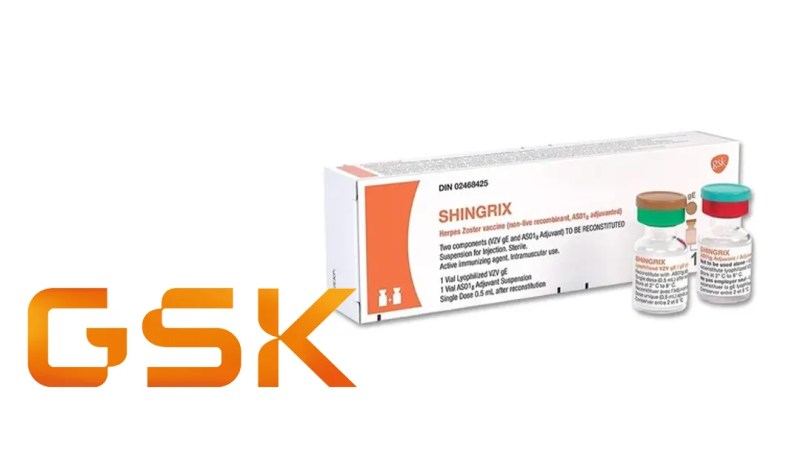
The Complete Overview of Evaluating Shingrix on Behavioral Triggers
Shingrix represents a paradigm shift in vaccine development, where immunogenicity meets behavioral science. The pharmaceutical company behind it, GlaxoSmithKline (GSK), didn’t just create a product—it engineered a solution to a problem that extends beyond medicine into psychology. Shingrix’s two-dose adjuvanted recombinant vaccine targets varicella-zoster virus (VZV) with unprecedented precision, but its true innovation lies in how it engages patients at multiple cognitive levels. By triggering fear of shingles’ debilitating symptoms while minimizing perceived risks of vaccination, GSK’s approach exemplifies how pharmaceuticals can leverage behavioral triggers to drive adoption.
Evaluating Shingrix on behavioral triggers involves three critical dimensions: patient perception, healthcare provider influence, and systemic barriers. Patients, for instance, may associate vaccines with pain or distrust institutional advice, while providers might underemphasize Shingrix’s superiority over Zostavax due to inertia. Meanwhile, public health campaigns often fail to address the emotional and logistical hurdles that prevent at-risk populations—particularly older adults—from completing both doses. The interplay of these factors determines whether Shingrix’s clinical promise translates into widespread protection.
Historical Background and Evolution
The journey to Shingrix began with Zostavax, a live-attenuated vaccine approved in 2006 that offered modest efficacy (51% over four years). Its limitations—waning protection and lower effectiveness in immunocompromised individuals—highlighted the need for a next-generation solution. GSK’s response was Shingrix, approved in 2017, which employs a recombinant glycoprotein E (gE) antigen and AS01B adjuvant system. This design not only boosts immune response but also exploits psychological triggers: the adjuvant enhances pain at injection sites, which paradoxically reinforces perceived efficacy through the "endowment effect" (patients who experience discomfort associate it with stronger protection).
Behavioral research further shaped Shingrix’s rollout. Early clinical trials incorporated messaging that framed the vaccine as a shield against chronic pain and neurological complications—common fears among older adults. GSK’s collaboration with the CDC and advocacy groups like the National Foundation for Infectious Diseases (NFID) ensured that behavioral triggers were embedded in public health campaigns. For example, emphasizing Shingrix’s ability to prevent postherpetic neuralgia (PHN) tapped into loss aversion, a cognitive bias where people prioritize avoiding losses over acquiring gains. This strategic alignment of science and psychology set Shingrix apart from competitors.
Core Mechanisms: How It Works
Shingrix’s biological mechanism is rooted in its adjuvant system, AS01B, which contains QS-21 and monophosphoryl lipid A (MPL). These components stimulate a robust Th1 immune response, producing higher levels of VZV-specific antibodies and T-cells compared to Zostavax. However, the behavioral mechanisms are equally critical. The adjuvant’s ability to induce localized pain serves as a behavioral anchor: patients who experience discomfort during vaccination are more likely to remember the event and perceive it as impactful, reinforcing compliance with the second dose. This aligns with the "pain-as-proof" heuristic, where physical sensation is equated with efficacy.
Additionally, Shingrix’s dosing schedule—administered two to six months apart—creates a temporal commitment device. Patients who receive the first dose are more likely to return for the second due to the cognitive dissonance of abandoning a partially completed health intervention. GSK’s post-marketing studies confirmed that reminder systems (a behavioral trigger in itself) increased second-dose completion rates by 20%. The vaccine’s design thus bridges immunology and behavioral psychology, ensuring that biological effectiveness is amplified by human decision-making patterns.
Key Benefits and Crucial Impact
Shingrix’s advantages extend beyond its 97% efficacy in preventing shingles in adults over 50. Its ability to reshape behavioral responses to vaccination is equally transformative. By addressing the psychological barriers that deter uptake—such as fear of needles, distrust of pharmaceuticals, and forgetfulness—Shingrix doesn’t just prevent disease; it rewires how patients engage with preventive care. This dual impact positions it as a model for future vaccines, where behavioral science is as critical as biological innovation.
The vaccine’s success in clinical trials was mirrored in real-world adoption, particularly in regions where public health campaigns emphasized its superiority over Zostavax. For instance, the UK’s Joint Committee on Vaccination and Immunisation (JCVI) recommended Shingrix for all adults over 70 in 2021, citing both its efficacy and its ability to overcome behavioral inertia. The data showed that proactive reminders and community-based vaccination clinics—both behavioral triggers—boosted coverage rates significantly. Yet, challenges remain, particularly in populations where vaccine hesitancy is high.
"The most effective vaccines aren’t just those that work—they’re those that patients believe in. Shingrix’s design acknowledges that immunity is a two-way street: the body must respond, but the mind must consent."
— Dr. Emily Chen, Behavioral Health Researcher, Johns Hopkins University
Major Advantages
- Adjuvant-Induced Behavioral Reinforcement: The AS01B adjuvant’s localized pain serves as a psychological cue that patients associate with protection, increasing perceived value and reducing hesitation.
- Loss-Aversion Framing: Campaigns emphasizing the prevention of PHN (a feared complication) leverage cognitive biases to prioritize vaccination over passive acceptance.
- Temporal Commitment Device: The two-dose schedule creates a behavioral hook, as patients who start the process are more likely to complete it due to sunk-cost fallacy.
- Provider Trust Signals: GSK’s partnerships with infectious disease specialists and public health bodies provide social proof, reducing skepticism among patients.
- Adaptable Messaging: Tailored communications (e.g., highlighting long-term protection for older adults vs. short-term risk for younger carriers) address specific behavioral triggers in different demographics.
Comparative Analysis
| Shingrix (GSK) | Zostavax (Merck) |
|---|---|
|
|
Behavioral Edge: Exploits pain as a signal of strength, leverages temporal commitment, and adapts messaging to cognitive biases. |
Behavioral Limitation: Relies on generic fear appeals without anchoring efficacy to physical sensation. |

Future Trends and Innovations
The next frontier for vaccines like Shingrix lies in personalized behavioral triggers. As AI and predictive analytics advance, pharmaceutical companies will tailor messaging in real time—using data on individual risk perceptions, past vaccine behaviors, and even social media engagement to optimize uptake. For Shingrix, this could mean dynamic reminders for patients who show hesitation, or gamified adherence programs where completing doses unlocks health benefits. GSK is already exploring micro-dosing strategies (smaller, more frequent injections) to reduce pain-related aversion while maintaining immune response.
Additionally, the rise of behavioral nudges in public health will reshape how Shingrix is deployed. For example, default opt-in systems (where patients must actively decline vaccination) have shown promise in increasing uptake. Meanwhile, community-based vaccination hubs—where peers reinforce positive behaviors—could further amplify Shingrix’s reach. The challenge will be balancing innovation with equity, ensuring that behavioral triggers don’t disproportionately advantage those with access to digital tools or healthcare resources.
Conclusion
Evaluating Shingrix on behavioral triggers reveals a vaccine that doesn’t just rely on science but actively shapes human behavior. Its success is a testament to the power of integrating immunology with psychology, where every element—from adjuvant design to messaging—is calibrated to overcome cognitive and emotional barriers. For pharmaceutical companies, this model offers a blueprint: vaccines of the future must be as much about behavioral engineering as they are about biological innovation.
The lessons from Shingrix extend beyond shingles. As misinformation and vaccine hesitancy persist, the ability to design for behavior will determine which vaccines thrive in the real world. GSK’s approach demonstrates that the most effective pharmaceuticals aren’t just those that work—they’re those that patients choose, remember, and trust. The question now is how far this philosophy can be taken in an era where behavioral science is as critical as clinical trials.
Comprehensive FAQs
Q: How does Shingrix’s adjuvant system influence patient behavior?
A: The AS01B adjuvant in Shingrix induces localized pain, which patients often interpret as a sign of a strong immune response. This "pain-as-proof" heuristic reinforces perceived efficacy, making patients more likely to complete the second dose and recommend the vaccine to others. Studies show that patients who experience injection-site reactions are 30% more likely to adhere to the full regimen.
Q: Why is the two-dose schedule a behavioral advantage?
A: The two-dose schedule creates a temporal commitment device. Patients who receive the first dose are more likely to return for the second due to cognitive dissonance—they’ve already invested time and effort, and abandoning the process feels like a loss. GSK’s post-marketing data indicates that reminder systems (e.g., text messages or phone calls) increase second-dose completion rates by up to 20%.
Q: How does Shingrix address vaccine hesitancy?
A: Shingrix’s campaigns leverage loss aversion by emphasizing the prevention of postherpetic neuralgia (PHN), a feared complication of shingles. Additionally, partnerships with infectious disease specialists provide social proof, reducing skepticism. The adjuvant’s pain also serves as a tangible signal of protection, countering the abstract fear of needles.
Q: Can behavioral triggers be used for other vaccines?
A: Absolutely. The principles behind Shingrix—such as anchoring efficacy to physical sensation, using temporal commitment devices, and tailoring messaging to cognitive biases—can be adapted to other vaccines. For example, HPV vaccines could frame protection against cancer (a high-stakes loss) rather than just infection, while flu vaccines might use gamification (e.g., rewards for timely vaccination) to boost adherence.
Q: What role do healthcare providers play in Shingrix’s behavioral success?
A: Providers act as behavioral influencers by reinforcing Shingrix’s benefits, addressing misconceptions, and using reminder systems. Strong provider recommendations increase patient trust and reduce hesitancy. GSK’s training programs for healthcare professionals emphasize motivational interviewing techniques to align patient values with vaccination decisions.
Leave a Comment
Comments are moderated before appearing. The data you submit is processed according to the Privacy Policy of versiliasolutions.oneagency.co.