How to Secure Event Liability Insurance for One Day Without the Headache
Table of Contents
- The Complete Overview of Event Liability Insurance for One Day
- Historical Background and Evolution
- Core Mechanisms: How It Works
- Key Benefits and Crucial Impact
- Major Advantages
- Comparative Analysis
- Future Trends and Innovations
- Conclusion
- Comprehensive FAQs
- Q: What’s the difference between a waiver and event liability insurance for one day ?
- Q: Can I get one-day event liability insurance for a virtual event?
- Q: How quickly can I get approved for coverage?
- Q: Are there any events that are automatically excluded from one-day policies?
- Q: What happens if my event is canceled? Does the insurance still apply?
- Q: Can I transfer my one-day policy to another organizer if I drop out?
Hosting a one-day festival, a high-profile wedding, or a corporate seminar? The last thing you need is a lawsuit derailing your event—or worse, your reputation. Event liability insurance for one day isn’t just a safety net; it’s a legal and financial necessity for modern event planning. Without it, a single accident—whether it’s a guest slipping on a wet floor, a vendor’s equipment malfunctioning, or an unexpected medical emergency—could expose you to claims running into six or seven figures. Yet, many organizers assume their general liability policy or a simple waiver will suffice. That’s a costly miscalculation.
The problem isn’t just the risk; it’s the timing. Traditional annual policies are rigid, overkill for a single event, and often come with hidden exclusions. One-day event liability insurance fills this gap, offering tailored coverage for the exact duration of your event—no more, no less. But navigating this niche requires precision. The right policy must align with your event’s scale, location, and potential hazards, while the wrong one could leave you exposed. The stakes are high, but the solutions are clearer than ever, thanks to advancements in insurtech and specialized underwriting.
Here’s the catch: most organizers don’t realize they can secure event liability insurance for one day without the bureaucratic hassle of annual policies. Digital platforms now offer instant quotes, 24-hour approvals, and coverage that activates the moment your event begins. The challenge? Cutting through the noise to find a provider that balances affordability with comprehensive protection. This guide breaks down the mechanics, benefits, and future of short-term event insurance—so you can focus on executing your event, not scrambling for coverage.

The Complete Overview of Event Liability Insurance for One Day
Event liability insurance for one day is a specialized policy designed to cover financial losses arising from third-party claims during a single event. Unlike annual policies, which bundle coverage across multiple dates and venues, a one-day policy is laser-focused: it activates at the event’s start time and expires at its conclusion. This model is ideal for organizers of weddings, concerts, trade shows, or even large private parties where the risk window is confined to a few hours. The policy typically covers bodily injury, property damage, and—crucially—personal and advertising injury (e.g., slander claims from vendors or attendees).What sets this coverage apart is its flexibility. Traditional insurers often reject one-day requests due to perceived high risk, but insurtech startups and brokers specializing in short-term event insurance have streamlined the process. These providers leverage data analytics to assess risk in real time, offering quotes within minutes and binding coverage in as little as 24 hours. For example, a wedding planner hosting a destination elopement in a rented vineyard might secure liability insurance for a one-day event that includes coverage for alcohol-related incidents—a scenario most annual policies exclude. The key is matching the policy’s parameters to your event’s specific risks, from crowd density to the nature of activities (e.g., fireworks, food service, or high-energy performances).
Historical Background and Evolution
The concept of event liability insurance for one day emerged in the 1990s as event planning became a professionalized industry. Before then, organizers relied on waivers, which were—and still are—legally flimsy. Courts have repeatedly ruled that signed waivers do not absolve hosts of liability if negligence is proven. The first one-day policies were offered by specialty brokers catering to the wedding and festival sectors, where the need for temporary, high-limit coverage was acute. These early policies were manual, requiring weeks of underwriting and hefty premiums, but they laid the groundwork for what would become a $2 billion+ market.The real transformation came with the rise of insurtech in the 2010s. Companies like EventHelper, Wedsure, and CoverHound automated the underwriting process, using algorithms to evaluate risk factors such as venue capacity, event type, and historical claim data. Today, one-day event liability insurance is often sold as an add-on through event platforms (e.g., Eventbrite, Cvent) or via mobile apps, reducing the time from inquiry to coverage to under an hour. This shift has democratized access, allowing small businesses and independent organizers to secure protection without the overhead of traditional insurance models. However, the evolution hasn’t been without challenges: fraudulent claims and misrepresented risks have led some insurers to tighten underwriting criteria, particularly for high-risk events like concerts or large-scale corporate gatherings.
Core Mechanisms: How It Works
The process begins with a risk assessment. When you apply for event liability insurance for one day, the insurer or platform will ask for details such as:Based on these inputs, the system generates a quote, typically ranging from $50 to $500+ depending on the coverage limits (usually $1M–$2M per occurrence). The policy activates at the event’s start time—often confirmed via a digital check-in—and expires at the end. Claims are filed post-event, with the insurer investigating the incident and compensating the claimant up to the policy’s limits. For example, if a guest trips on a poorly marked step and sues for $300,000 in medical bills, the policy would cover the amount (minus any deductible), provided the incident was covered under the terms.
A critical feature of these policies is their occurrence-based coverage, meaning claims arising from incidents during the event’s duration are covered, even if reported years later. This contrasts with claims-made policies, which expire when the policy ends. However, exclusions vary by provider: some may exclude pre-existing venue conditions, while others might cap coverage for alcohol-related incidents. Always review the fine print for exclusions related to intentional acts, professional services, or known hazards.
Key Benefits and Crucial Impact
The primary advantage of event liability insurance for one day is its precision: you’re not paying for coverage you’ll never use. For a microbrewery hosting a one-off craft beer festival, this means avoiding the $2,000 annual premium for a policy that only protects a single weekend. It’s also a hedge against the unpredictable costs of litigation. In 2022, the average bodily injury claim in the U.S. exceeded $40,000—an amount that could bankrupt a small business. Without insurance, organizers might face personal asset seizure or a tarnished reputation if they’re forced to settle out of court.Beyond financial protection, these policies provide peace of mind for vendors and attendees. When a venue or sponsor requires proof of liability coverage, a one-day certificate of insurance (COI) suffices, eliminating the need for complex annual endorsements. For high-profile events, such as a celebrity-hosted gala, the COI can also serve as a marketing tool, signaling professionalism and risk mitigation to potential sponsors.
> "A single lawsuit can erase years of hard work. One-day event insurance isn’t an expense—it’s the difference between a memorable event and a legal nightmare." — Sarah Chen, Risk Management Consultant, EventPro Insurance
Major Advantages
- Cost-Effective: Pay only for the duration of your event, with premiums as low as $50 for basic coverage. Annual policies often cost 10x more for equivalent limits.
- Tailored Coverage: Adjust limits based on crowd size, venue risks, and activities (e.g., higher limits for fireworks displays).
- Instant Approval: Digital platforms offer same-day binding, unlike traditional policies that take weeks to process.
- Vendor/Sponsor Compliance: Provides a COI that meets contractual requirements without the hassle of annual endorsements.
- Claim Flexibility: Occurrence-based coverage means incidents are covered even if reported months or years later.
Comparative Analysis
| Factor | One-Day Event Liability Insurance | Annual Event Policy ||--------------------------|--------------------------------------|------------------------|
| Cost | $50–$500 (per event) | $1,000–$10,000/year |
| Flexibility | Customizable for event type/date | Fixed terms for 12 months |
| Underwriting Time | Instant to 24 hours | 2–4 weeks |
| Coverage Scope | Single event only | Multiple events/venues |
| Exclusions | Varies by provider (e.g., alcohol caps) | Standardized but broader |
| Best For | Weddings, festivals, pop-up events | Frequent organizers (e.g., concert promoters) |
Note: Annual policies may offer better rates for high-frequency events, but one-day insurance wins in simplicity and cost for sporadic organizers.
Future Trends and Innovations
The next frontier for event liability insurance for one day lies in AI-driven risk assessment and blockchain-based claims processing. Insurers are increasingly using machine learning to analyze real-time data—such as weather forecasts, venue safety records, and historical claim patterns—to adjust premiums dynamically. For example, a storm warning might trigger an automatic premium increase for an outdoor event. Meanwhile, blockchain is being tested to streamline claims, reducing fraud and speeding up payouts from weeks to days.Another emerging trend is modular coverage, where organizers can add specific endorsements (e.g., cyber liability for virtual events, equipment breakdown for tech-heavy expos) via an app. This "build-your-own-policy" approach aligns with the growing demand for micro-insurance, where coverage is as granular as the risks themselves. As events become more hybrid (physical + digital), providers will need to adapt by offering cross-platform liability protection, covering everything from in-person accidents to data breaches during livestreams.
Conclusion
Event liability insurance for one day is no longer a niche product—it’s a standard tool for modern event planning. The shift from annual policies to on-demand coverage reflects a broader industry trend toward agility and risk specificity. For organizers, the message is clear: don’t gamble on waivers or hope for the best. The cost of a one-day policy is a drop in the bucket compared to the potential fallout of a single liability claim. As insurtech continues to evolve, the barriers to securing this protection will only lower, making it easier than ever to host an event with confidence.The key to leveraging this coverage effectively is proactive planning. Start by identifying your event’s highest-risk elements—whether it’s food service, alcohol, or crowd control—and ensure your policy’s limits and exclusions address them. Compare providers not just on price, but on claims responsiveness and customer support, especially for last-minute adjustments. With the right one-day event liability insurance in place, you can focus on what matters: delivering an unforgettable experience, not managing a crisis.
Comprehensive FAQs
Q: What’s the difference between a waiver and event liability insurance for one day?
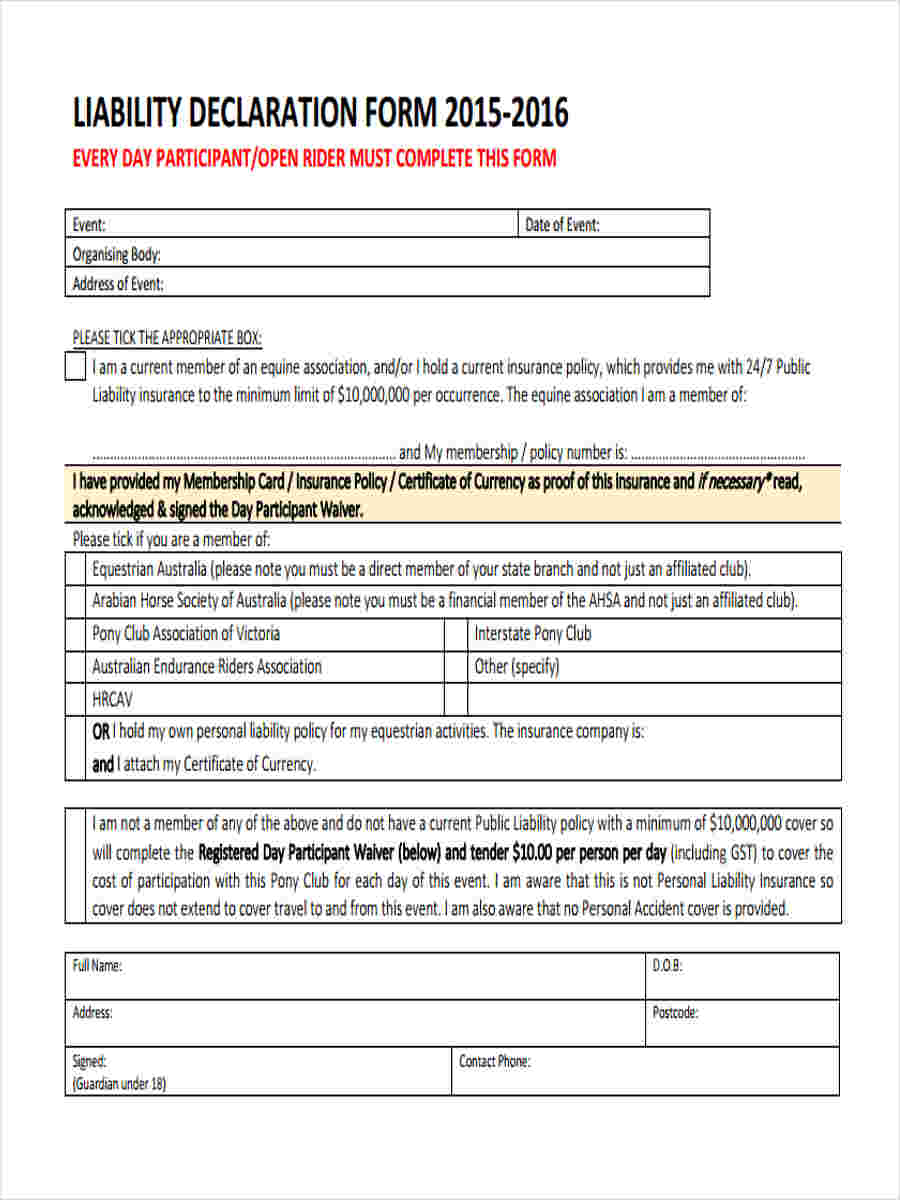
A waiver is a legal document that attempts to shift liability to the attendee, but courts often invalidate them if negligence is involved. Insurance, however, is a financial safety net that covers claims regardless of fault. Waivers are not a substitute for coverage—they’re supplementary at best.
Q: Can I get one-day event liability insurance for a virtual event?
Yes, but the coverage will focus on cyber liability (e.g., data breaches, copyright infringement) rather than physical injuries. Some providers offer hybrid policies that cover both in-person and virtual components of an event.
Q: How quickly can I get approved for coverage?
Most digital platforms offer same-day approvals for low-risk events (e.g., weddings under 100 guests). Higher-risk events (e.g., festivals with 1,000+ attendees) may require 24–48 hours for underwriting. Always apply at least 7 days in advance to avoid delays.
Q: Are there any events that are automatically excluded from one-day policies?
Yes. Common exclusions include:
Q: What happens if my event is canceled? Does the insurance still apply?
Most one-day policies do not cover cancellations unless you purchase additional event cancellation insurance. Liability coverage only activates if the event proceeds. Check the policy wording for "event postponement" clauses, which may offer limited protection if the delay is due to a covered peril (e.g., natural disaster).
Q: Can I transfer my one-day policy to another organizer if I drop out?
No. One-day policies are non-transferable and tied to the original applicant’s details. If you’re unable to host, you’ll need to purchase a new policy under the replacement organizer’s name or risk liability if the event proceeds without coverage.
Leave a Comment
Comments are moderated before appearing. The data you submit is processed according to the Privacy Policy of versiliasolutions.oneagency.co.