How to Perform a Seamless Face Book Video Download in 2024
Table of Contents
- The Complete Overview of Face Book Video Download
- Historical Background and Evolution
- Core Mechanisms: How It Works
- Key Benefits and Crucial Impact
- Major Advantages
- Comparative Analysis
- Future Trends and Innovations
- Conclusion
- Comprehensive FAQs
- Q: Is it legal to download videos from Facebook?
- Q: What’s the safest way to download a Facebook video?
- Q: Why do some tools fail to download Facebook videos?
- Q: Can I download Facebook Live videos?
- Q: How do I avoid malware when using third-party downloaders?
- Q: Will Facebook ban my account if I download videos?
- Q: Are there legal alternatives to downloading Facebook videos?
The act of saving videos from Facebook—whether for personal archives, offline viewing, or content repurposing—has evolved from a niche workaround into a mainstream necessity. Platform policies, technical limitations, and user demand have shaped a fragmented ecosystem where methods range from built-in (but restricted) features to third-party workarounds. What began as a simple copy-paste hack in the early 2010s now involves encrypted streams, dynamic URLs, and AI-driven moderation systems designed to thwart unauthorized access. Yet, the persistence of users seeking to bypass these restrictions has given rise to a gray-market industry of tools, each claiming to simplify the face book video download process while operating in a legal gray area.
At its core, the challenge lies in Facebook’s architecture. Videos are streamed dynamically, often with watermarks, and direct downloads are explicitly prohibited in the platform’s terms of service. This creates a paradox: users want to preserve content for legitimate reasons—such as saving a child’s birthday video or archiving a news clip—yet the tools they rely on frequently violate copyright or privacy laws. The tension between convenience and compliance has led to a proliferation of solutions, from browser extensions that intercept streams to desktop software that decodes Facebook’s proprietary protocols. The result? A landscape where the safest methods are often the most cumbersome, and the easiest methods carry the highest risks.
What remains undeniable is the sheer volume of content at stake. With over 2 billion monthly users uploading billions of hours of video annually, the demand for offline access is only growing. Whether for educational purposes, creative reuse, or simply personal enjoyment, the face book video download process has become a microcosm of broader digital rights debates. The question is no longer if people will seek these downloads, but how they’ll do it—and what the consequences will be for both users and the platforms they rely on.
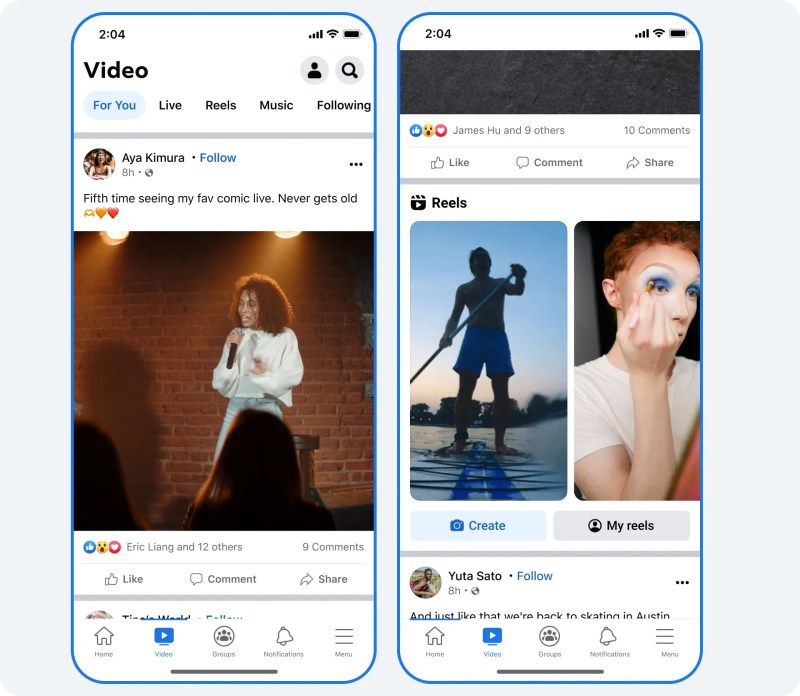
The Complete Overview of Face Book Video Download
The concept of downloading videos from Facebook stems from a fundamental user need: control over digital content. Unlike static images or text posts, videos are ephemeral by nature—they exist only while streaming, subject to buffering, platform updates, or even deletion by the original uploader. This ephemerality clashes with human memory and the desire to revisit meaningful moments. The face book video download phenomenon emerged as a response to this gap, initially through manual methods like screen recording or URL manipulation. As Facebook’s infrastructure scaled, so did the sophistication of these methods, leading to the current array of tools and techniques.
Today, the process is stratified by technical skill and ethical consideration. On one end of the spectrum are users who rely on Facebook’s own (limited) features, such as the "Save Video" option available in certain regions or for specific content types. These methods are legally safer but often fail for copyrighted or restricted videos. On the other end are advanced users who employ Python scripts, browser developer tools, or third-party APIs to extract raw video files. The middle ground is dominated by gray-market software—applications that promise one-click downloads while operating in a legally ambiguous space. Understanding where each method fits within this spectrum is critical for users who prioritize either convenience or compliance.
Historical Background and Evolution
The earliest attempts to save Facebook videos were crude by today’s standards. In 2010–2012, users would copy the video’s URL, append it to a third-party site like savevid.com, and download the file directly. These sites functioned as intermediaries, fetching the video from Facebook’s servers and rehosting it. However, Facebook’s rapid growth and increasing security measures made this approach unreliable. By 2013, the platform introduced dynamic URLs and encrypted streams, forcing users to adapt. Browser extensions like "Video DownloadHelper" emerged, intercepting video requests and offering download links in real time—a method that remains popular today despite occasional bans.
The turning point came in 2015 with Facebook’s shift toward mobile-first video consumption. As the platform’s algorithm prioritized native video playback, traditional URL-based methods became obsolete. Developers responded by creating desktop applications that reverse-engineered Facebook’s API, allowing users to download videos without relying on external websites. Tools like 4K Video Downloader or JDownloader integrated Facebook support, often by scraping the site’s HTML for video sources. Meanwhile, Facebook itself introduced limited download options for certain content, such as live videos or user-uploaded clips, though these were heavily restricted. The evolution reflects a cat-and-mouse game: every time Facebook tightens security, users and developers find new ways to circumvent it, pushing the boundaries of what’s possible with a face book video download.
Core Mechanisms: How It Works
At the technical level, a face book video download hinges on two primary factors: the video’s source location and Facebook’s security protocols. Most videos are hosted on Facebook’s CDN (Content Delivery Network) with URLs that change dynamically. When a user requests a video, Facebook’s server responds with a stream link, often in the form of an mp4 or webm file. Third-party tools exploit this by intercepting the request before Facebook’s security layers (like watermarking or geo-blocking) can interfere. For example, a browser extension might inject JavaScript that captures the video element’s src attribute and triggers a download before the page loads fully.
More advanced methods involve reverse-engineering Facebook’s API or using headless browsers to automate the download process. Some tools, like yt-dlp (a fork of youtube-dlp), support Facebook by parsing the site’s HTML for hidden video sources or using session cookies to maintain authentication. Others rely on Facebook’s "Graph API," which technically allows access to public content—but requires developer approval and is subject to strict rate limits. The most reliable downloads occur when the video is in a "stable" state (e.g., not a live stream or ephemeral post), as these formats are easier to extract. The trade-off? Stability often comes at the cost of quality, as Facebook may serve lower-resolution versions to unauthorized downloaders.
Key Benefits and Crucial Impact
The practical advantages of saving Facebook videos are clear: offline access, content preservation, and the ability to repurpose media for personal or professional use. For educators, a downloaded lecture or tutorial can be reviewed without an internet connection. For parents, a child’s milestone video remains safe from accidental deletion. Even for casual users, downloading a funny clip to share with friends who missed it serves as a social equalizer. Beyond convenience, the face book video download process has economic implications. Creators and businesses often rely on repurposed social media content for marketing, and the ability to extract high-quality videos can save time and resources. However, these benefits must be weighed against legal and ethical concerns, particularly when dealing with copyrighted material.
On a broader scale, the demand for Facebook video downloads highlights a deeper issue: the lack of user-friendly archival tools on major social platforms. Unlike YouTube, which offers direct download options for its own content, Facebook’s restrictive policies force users into a gray area. This creates a paradox where the platform benefits from user-generated content while simultaneously limiting how that content can be accessed. The result is a fragmented ecosystem where users must navigate a maze of tools, each with its own risks and limitations. Understanding these dynamics is essential for anyone considering a face book video download, as the method chosen can have significant repercussions.
— Mark Zuckerberg (2017)
"People expect to be able to save and share content in ways that make sense for them. We’re working on better tools to give people more control over their content."
Major Advantages
- Offline Accessibility: Download videos to watch without buffering or internet dependency, ideal for travel or low-connectivity areas.
- Content Preservation: Protect videos from deletion, account changes, or platform policy updates that may remove or restrict access.
- Repurposing for Creativity: Use downloaded clips in personal projects, educational materials, or professional presentations with proper attribution.
- Bypassing Platform Restrictions: Access videos that may be geo-blocked or require paid subscriptions on Facebook.
- Performance Optimization: Some tools allow format conversion (e.g., MP4 to MOV) or resolution upgrades for better playback on specific devices.
Comparative Analysis
| Method | Pros and Cons |
|---|---|
| Browser Extensions (e.g., Video DownloadHelper) |
|
| Desktop Software (e.g., 4K Video Downloader) |
|
| Manual URL Methods (e.g., savevid.com) |
|
| API/Scripting (e.g., yt-dlp) |
|

Future Trends and Innovations
The next phase of face book video download methods will likely be shaped by two opposing forces: Facebook’s tightening security and the ingenuity of developers. As the platform adopts AI-driven content moderation and real-time encryption, traditional scraping techniques may become obsolete. However, this will spur innovation in areas like browser automation (e.g., Puppeteer scripts) and decentralized storage solutions, where users could host their own copies of downloaded content. Additionally, the rise of blockchain-based content ownership—where creators retain rights to their work—could redefine how downloads are perceived. If successful, such models might render current gray-market tools irrelevant by offering legal, user-controlled alternatives.
Another trend is the convergence of social media and professional workflows. Tools that integrate face book video download with editing software (e.g., Adobe Premiere) or cloud storage (e.g., Google Drive) will gain traction among creators and marketers. Meanwhile, regulatory pressures may force platforms like Facebook to offer more transparent download options, though this remains speculative. For now, users must balance immediate needs with long-term risks, as the tools available today may not be viable tomorrow. The future of Facebook video downloads will depend on whether platforms prioritize user access or continue to treat content as a controlled resource.
Conclusion
The face book video download landscape is a testament to the tension between user needs and platform policies. While the methods available today—from simple extensions to complex scripts—offer solutions, they also highlight the limitations of Facebook’s current infrastructure. Users who proceed with caution, understanding the legal and technical trade-offs, can still achieve their goals. However, the most sustainable approach may lie in advocating for better native tools or exploring legal alternatives, such as requesting permission from content creators or using platforms that explicitly support downloads. As technology evolves, so too will the methods for accessing content—but the underlying question remains: Should users rely on workarounds, or should platforms adapt to meet their needs?
For those who choose to proceed with a face book video download, the key is informed decision-making. Weigh the convenience of third-party tools against the risks of account suspension or legal action. Consider whether the content is worth the potential consequences. And above all, recognize that every download is a small act of resistance against a system designed to keep content fluid and controlled. The tools may change, but the fundamental desire to save and repurpose digital memories endures.
Comprehensive FAQs
Q: Is it legal to download videos from Facebook?
A: Legality depends on the content’s copyright status and Facebook’s terms of service. Downloading videos for personal, non-commercial use may fall under fair use in some jurisdictions, but Facebook explicitly prohibits unauthorized downloads. Copyrighted material (e.g., movies, music videos) is off-limits unless you have permission. Always check local laws and Facebook’s Terms of Service before proceeding.
Q: What’s the safest way to download a Facebook video?
A: The safest method is to use Facebook’s built-in "Save" feature (available for certain videos) or request permission from the uploader. If those options fail, consider using open-source tools like yt-dlp with caution, as they operate in a legal gray area. Avoid pirated software or sites that bundle downloads with malware.
Q: Why do some tools fail to download Facebook videos?
A: Failures typically occur due to:
- Facebook’s dynamic URL system (videos may not have a permanent download link).
- Watermarking or geo-restrictions applied to certain videos.
- Changes in Facebook’s HTML structure or API, breaking third-party tools.
- Account-level restrictions (e.g., if Facebook detects automated activity).
Q: Can I download Facebook Live videos?
A: Downloading Facebook Live videos is significantly harder due to their ephemeral nature. Live streams are often deleted shortly after ending, and Facebook’s servers may block direct access. Some tools claim to save Live videos by intercepting the stream, but success rates are low. If the video is saved to your watch history, you may have better luck using standard download methods.
Q: How do I avoid malware when using third-party downloaders?
A: To minimize risks:
- Use reputable tools like
4K Video DownloaderorJDownloader, which are regularly updated. - Avoid sites that ask for personal information or display excessive ads.
- Scan downloaded files with antivirus software before opening.
- Consider using a sandboxed environment (e.g., a virtual machine) for testing unknown tools.
Q: Will Facebook ban my account if I download videos?
A: The risk varies. Facebook may flag and suspend accounts for repeated use of unauthorized download tools, especially if they detect automated behavior. To reduce risks:
- Use tools sparingly and avoid batch downloads.
- Avoid logging in while using third-party software.
- Monitor your account for unusual activity or login alerts.
Q: Are there legal alternatives to downloading Facebook videos?
A: Yes, if you control the content:
- Use Facebook’s "Save" feature for videos you’ve uploaded or been granted access to.
- Request permission from the uploader before downloading.
- Screen record the video (with consent) using tools like OBS Studio.
- For professional use, consider licensing content through Facebook’s Brand Collabs Manager.
Leave a Comment
Comments are moderated before appearing. The data you submit is processed according to the Privacy Policy of versiliasolutions.oneagency.co.