Gods Unchained Crypto News: The Blockchain Revolution Redefining Digital Collectibles
Table of Contents
- The Complete Overview of Gods Unchained Crypto News
- Historical Background and Evolution
- Core Mechanics: How It Works
- Key Benefits and Crucial Impact
- Major Advantages
- Comparative Analysis
- Future Trends and Innovations
- Conclusion
- Comprehensive FAQs
- Q: How do I get started with Gods Unchained?
- Q: Are Gods Unchained NFTs truly tradable?
- Q: What makes Gods Unchained different from other NFT games?
- Q: Can I earn money playing Gods Unchained?
- Q: Is Gods Unchained safe from hacks or exploits?
- Q: What’s the roadmap for Gods Unchained in 2024?
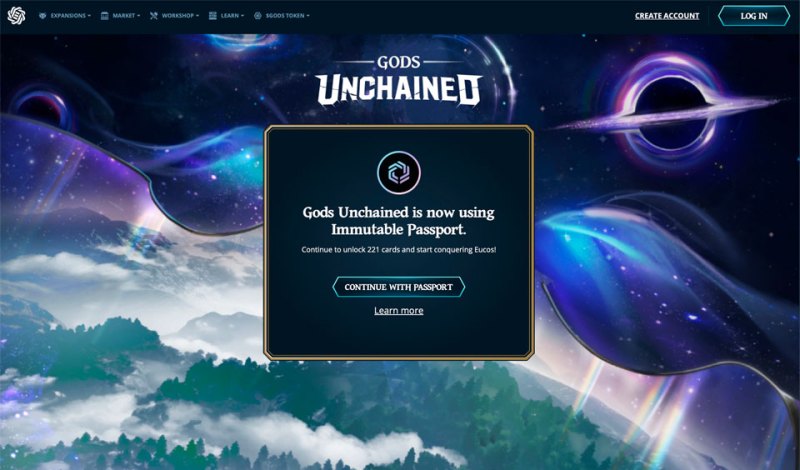
The Gods Unchained crypto news landscape has evolved from a niche experiment into a defining force in blockchain gaming. What began as a free-to-play card game with NFT-powered assets now sits at the intersection of competitive esports, decentralized finance (DeFi), and digital ownership. The project’s seamless integration of Immutable X—an Ethereum Layer 2 solution—has eliminated gas fees while maintaining full on-chain transparency, a rarity in the NFT space. This technical edge isn’t just an operational advantage; it’s a blueprint for how next-gen gaming could function without the friction of traditional blockchain inefficiencies.
Yet the story extends beyond mechanics. Gods Unchained has become a cultural phenomenon, blending the strategic depth of Magic: The Gathering with the economic incentives of Web3. Players aren’t just collecting cards; they’re investing in tradable assets that appreciate in value, creating a feedback loop between gameplay and market speculation. The project’s recent partnerships—from Immutable’s infrastructure to collaborations with major esports organizations—signal a maturation beyond early adopter phases. For crypto enthusiasts, this isn’t just another NFT project; it’s a case study in how blockchain can redefine entertainment economics.
The ripple effects of Gods Unchained crypto news are already being felt across the industry. Competitors are scrambling to replicate its player-first model, while regulators take note of its hybrid approach to monetization. The question isn’t whether Gods Unchained will succeed—it’s how its innovations will reshape the broader digital asset ecosystem. What started as a bold experiment has become a benchmark for what’s possible when gaming, finance, and ownership collide.

The Complete Overview of Gods Unchained Crypto News
Gods Unchained represents a pivotal moment in the convergence of blockchain technology and competitive gaming. Unlike traditional NFT games that rely on speculative hype or pay-to-win models, Gods Unchained operates on a foundation of true digital ownership. Every card in the game is a non-fungible token (NFT) minted on Immutable X, meaning players retain full control over their assets—whether they’re used in-game or traded on secondary markets. This ownership model isn’t just a gimmick; it’s the core mechanic that distinguishes Gods Unchained from its peers in the crypto gaming space.
The project’s success stems from its ability to balance accessibility with innovation. Free-to-play accessibility ensures a broad audience, while the underlying blockchain infrastructure guarantees scarcity and provable rarity. The game’s economy thrives on player-driven demand: rare cards like The First One or Gods Unchained’s legendary artifacts appreciate in value as their scarcity increases. This dynamic creates a self-sustaining ecosystem where gameplay and investment incentives align. For crypto news observers, Gods Unchained isn’t just a game—it’s a live experiment in how digital assets can function as both entertainment and economic tools.
Historical Background and Evolution
Gods Unchained traces its origins to 2018, when developers Cameron and Brooke Yates launched the project as a free-to-play digital card game. The initial concept was simple: a Magic: The Gathering-inspired experience where players could collect and trade cards as NFTs. However, the project’s breakthrough came in 2020 with the introduction of Immutable X, a Layer 2 scaling solution that eliminated gas fees and enabled near-instant transactions. This technical pivot was critical—it allowed Gods Unchained to scale without sacrificing the integrity of its blockchain-based economy.
The game’s evolution has been marked by strategic partnerships and community-driven growth. In 2021, Gods Unchained secured a $2.5 million seed round led by Coinbase Ventures, signaling institutional confidence in its model. The project also introduced competitive playthrough its Gods Unchained Championship Series (GUCS), blending esports with blockchain rewards. More recently, the launch of Gods Unchained: Legends—a standalone mobile game—expanded its reach while maintaining the same NFT ownership principles. Each milestone in Gods Unchained crypto news reflects a deliberate shift from a speculative NFT experiment to a sustainable, player-centric ecosystem.
Core Mechanics: How It Works
At its foundation, Gods Unchained operates on a dual-layer system: the game’s client-side interface and Immutable X’s blockchain infrastructure. Players interact with the game through a user-friendly UI, but all transactions—from card purchases to trades—are recorded on-chain. This hybrid approach ensures transparency while keeping gameplay smooth. The game’s economy is powered by Gods Unchained’s native token, $GODS, which is used for in-game purchases, governance, and staking rewards. However, the real innovation lies in the NFT cards themselves, which are ERC-1155 tokens with dynamic attributes that affect their in-game utility and market value.
The scarcity system is designed to mirror physical trading card markets. Limited editions, such as the Gods Unchained: Legends booster packs, introduce controlled supply, while community votes determine which cards receive future expansions. This democratic approach to game development ensures that players have a stake in the project’s evolution. For instance, the Gods Unchained: Legends beta allowed players to preview new mechanics before full release, a strategy that reinforced trust in the project’s roadmap. The result is a self-regulating economy where demand, not just hype, drives asset appreciation—a key differentiator in Gods Unchained crypto news.
Key Benefits and Crucial Impact
Gods Unchained’s impact extends beyond its player base, influencing how digital collectibles and blockchain gaming are perceived. By eliminating gas fees through Immutable X, the project has demonstrated that high-volume NFT transactions can be both scalable and cost-effective. This technical achievement has set a new standard for blockchain-based games, proving that performance isn’t a trade-off for decentralization. Additionally, the project’s revenue-sharing model—where a portion of secondary market sales returns to the community—has redefined player economics in gaming.
The cultural shift is equally significant. Gods Unchained has positioned NFTs as legitimate collectibles, not just speculative assets. The game’s competitive scene, with tournaments offering cash and NFT prizes, has attracted traditional gamers and crypto natives alike. This crossover appeal is a testament to the project’s ability to merge two previously siloed communities. For investors and developers, Gods Unchained serves as a case study in how blockchain can enhance—not disrupt—existing entertainment models.
"Gods Unchained isn’t just another NFT game; it’s a proof of concept for how digital ownership can coexist with mass-market appeal. The project’s success lies in its ability to make blockchain technology feel intuitive, not alienating."
— Brooke Yates, Co-Founder of Gods Unchained
Major Advantages
- True Digital Ownership: Players own their NFT cards outright, with full control over trading, staking, or selling—unlike traditional games where assets are tied to accounts.
- Zero Gas Fees: Immutable X’s Layer 2 solution ensures instant, low-cost transactions, making the game accessible to global audiences without financial barriers.
- Player-Driven Economy: Card values are determined by in-game rarity and market demand, creating a self-sustaining ecosystem where gameplay and investment align.
- Esports Integration: The Gods Unchained Championship Series (GUCS) blends competitive gaming with blockchain rewards, attracting both esports enthusiasts and crypto investors.
- Community Governance: Players influence game updates and expansions through voting mechanisms, ensuring long-term engagement and transparency.
Comparative Analysis
| Gods Unchained | Competitors (e.g., CryptoBlades, Splinterlands) |
|---|---|
| NFT cards as primary assets with tradable value | Mixed models; some use NFTs for skins/weapons, others for full ownership |
| Immutable X (Layer 2) for zero gas fees | Most rely on Ethereum Mainnet or other Layer 1s, incurring high fees |
| Free-to-play with optional NFT purchases | Many enforce pay-to-win or subscription models |
| Player governance via community votes | Centralized development with limited player input |
Future Trends and Innovations
The next phase of Gods Unchained crypto news will likely focus on cross-chain interoperability and expanded use cases for its NFTs. While currently Ethereum-based, the team has hinted at potential integrations with other blockchains, allowing cards to be used across multiple games or DeFi platforms. This could turn Gods Unchained’s NFTs into versatile digital assets, not just in-game items. Additionally, the project’s exploration of soulbound tokens—a concept where NFTs are tied to player identity—could introduce new layers of security and exclusivity in competitive play.
Beyond technical advancements, Gods Unchained is poised to influence the broader NFT market by setting new standards for player economics. The success of its revenue-sharing model could inspire other games to adopt similar structures, ensuring that players benefit from secondary market activity. As blockchain gaming matures, Gods Unchained’s hybrid approach—combining accessibility with deep utility—may serve as a template for future projects. The question for investors and developers isn’t whether Gods Unchained will remain relevant, but how its innovations will redefine the industry’s trajectory.
Conclusion
Gods Unchained crypto news is more than a snapshot of a single project; it’s a reflection of the broader shifts in digital ownership and blockchain gaming. By solving critical scalability and usability challenges, the project has demonstrated that NFTs can function as both entertainment and economic tools without alienating mainstream audiences. Its blend of competitive gameplay, true ownership, and community-driven development offers a blueprint for what’s possible when blockchain technology is wielded responsibly.
As the space evolves, Gods Unchained’s legacy may lie in its ability to bridge the gap between crypto enthusiasts and traditional gamers. The project’s focus on player incentives over speculative hype ensures its longevity, even as market trends fluctuate. For those following Gods Unchained crypto news, the takeaway is clear: the future of gaming isn’t just about playing—it’s about owning, trading, and shaping the experiences that define digital entertainment.
Comprehensive FAQs
Q: How do I get started with Gods Unchained?
A: To begin, download the official Gods Unchained client from their website and connect a wallet like MetaMask. You can start playing for free, though purchasing NFT cards from the marketplace or booster packs will enhance your collection. The game supports both desktop and mobile via Gods Unchained: Legends.
Q: Are Gods Unchained NFTs truly tradable?
A: Yes. All cards in Gods Unchained are ERC-1155 NFTs on Immutable X, meaning they can be bought, sold, or traded on secondary markets like OpenSea or the game’s native marketplace. Ownership is permanent and verifiable on-chain.
Q: What makes Gods Unchained different from other NFT games?
A: Unlike many NFT games that rely on pay-to-win models or speculative hype, Gods Unchained emphasizes true ownership, zero gas fees (via Immutable X), and a player-driven economy. Its competitive esports scene and community governance further distinguish it from competitors.
Q: Can I earn money playing Gods Unchained?
A: While the game itself is free-to-play, players can monetize their NFT collections by trading rare cards on secondary markets. Additionally, tournament winnings (in $GODS or NFTs) and staking rewards provide passive income opportunities for engaged players.
Q: Is Gods Unchained safe from hacks or exploits?
A: Immutable X’s Layer 2 infrastructure minimizes traditional smart contract risks, and Gods Unchained’s team has a strong track record of security audits. However, as with any blockchain project, users should store private keys securely and only interact with verified marketplaces.
Q: What’s the roadmap for Gods Unchained in 2024?
A: The team has hinted at cross-chain expansions, deeper esports integrations, and potential integrations with DeFi protocols. Exact details are subject to community votes, but future updates will likely focus on enhancing interoperability and player utility for NFTs.
Leave a Comment
Comments are moderated before appearing. The data you submit is processed according to the Privacy Policy of versiliasolutions.oneagency.co.