How Google Makes Billions: The Hidden Engine Behind Its Revenue Sources
Table of Contents
- The Complete Overview of Google’s Revenue Sources
- Historical Background and Evolution
- Core Mechanisms: How It Works
- Key Benefits and Crucial Impact
- Major Advantages
- Comparative Analysis
- Future Trends and Innovations
- Conclusion
- Comprehensive FAQs
- Q: What percentage of Google’s revenue comes from ads?
- Q: How does Google Cloud make money if it’s often called a "loss leader"?
- Q: Are there any non-advertising revenue sources growing faster than ads?
- Q: How does Google’s acquisition of YouTube affect its revenue sources?
- Q: What role does Android play in Google’s revenue model?
- Q: How does Google’s AI strategy impact its revenue sources?
- Q: Could privacy regulations like GDPR hurt Google’s revenue sources?
- Q: What’s the biggest threat to Google’s revenue sources?
- Q: How does Google’s revenue compare to other tech giants like Apple and Amazon?
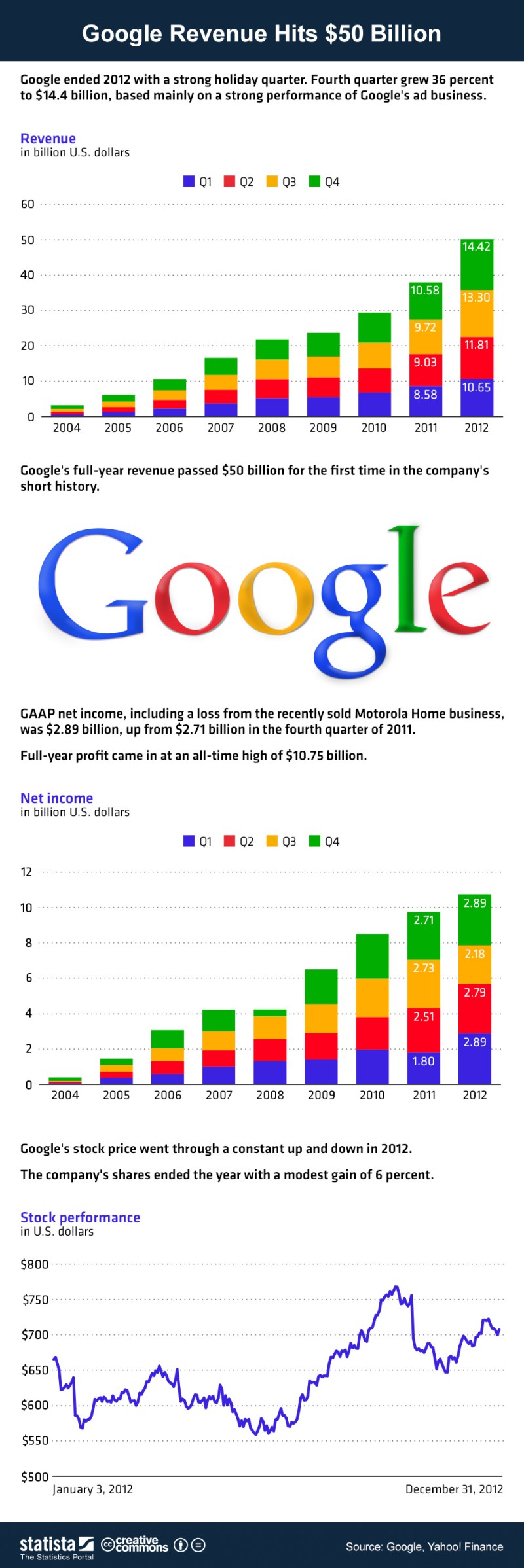
Google isn’t just a search engine—it’s a financial juggernaut, with Google revenue sources underpinning an ecosystem that touches nearly every digital interaction. In 2023, Alphabet (Google’s parent company) reported $282.8 billion in revenue, a figure that dwarfs most nations’ GDPs. Yet, the mechanisms behind this wealth are often obscured by the platform’s ubiquity. The truth? Google’s income isn’t just from ads (though they dominate). It’s a multi-layered system where data, infrastructure, and even hardware play starring roles. Understanding these Google revenue sources reveals why the company remains untouchable in tech, even as competitors scramble to replicate its success.
The dominance of Google revenue sources stems from a deliberate strategy: diversify aggressively while maintaining control over the digital infrastructure that fuels the modern economy. Unlike traditional corporations that rely on single-product revenue, Google’s model is a patchwork of high-margin services, each optimized for scalability. The result? A business that doesn’t just survive economic downturns—it thrives, often growing during recessions when competitors falter. This resilience isn’t accidental; it’s engineered through decades of refining Google revenue sources into an almost self-sustaining ecosystem.
What’s less discussed is how these Google revenue sources interact. For example, YouTube’s ad revenue doesn’t just fund content—it feeds data back into Google’s ad auction system, creating a feedback loop that amplifies profitability. Similarly, Google Cloud’s losses in early years were offset by synergies with its search and ad businesses. The interplay between these streams is what makes Google’s model uniquely formidable. Below, we dissect the anatomy of these Google revenue sources, their evolution, and why they continue to set the standard for digital monetization.
The Complete Overview of Google’s Revenue Sources
Google’s Google revenue sources are often misunderstood as a monolith centered on advertising. While ads remain the cornerstone, the company’s income is a sophisticated blend of digital services, enterprise solutions, and even hardware. The key to this model lies in its ability to cross-subsidize weaker segments with profits from dominant ones—like using search ad revenue to fund ambitious (but initially unprofitable) ventures like Waymo or Google Fiber. This cross-pollination isn’t just smart; it’s a survival tactic in an industry where disruption is constant. The result? A revenue mix that’s both resilient and adaptable, capable of pivoting when market conditions shift.What sets Google apart is its Google revenue sources aren’t static—they’re dynamic, evolving with technological and consumer behavior trends. For instance, the rise of mobile search forced Google to reinvent its ad formats, leading to innovations like responsive ads and programmatic bidding. Meanwhile, the growth of AI-driven tools (like Bard) is quietly reshaping how Google monetizes knowledge itself. The company’s ability to anticipate these shifts and monetize them before competitors even recognize the opportunity is a hallmark of its financial strategy. Below, we explore how these Google revenue sources have been built, optimized, and defended over time.
Historical Background and Evolution
Google’s origins as a Google revenue source were humble: a 1998 garage startup with a novel idea—ranking web pages by relevance rather than backlinks. But the real inflection point came in 2000 with AdWords, the first scalable pay-per-click advertising system. This wasn’t just a new product; it was a revolution in Google revenue sources, proving that data (user search queries) could be monetized at scale. By 2002, AdWords generated $40 million in revenue, and by 2006, it accounted for 99% of Google’s income. The lesson? Google revenue sources thrive when they align with user intent—something competitors like Yahoo! failed to grasp.The evolution of Google revenue sources didn’t stop at ads. The acquisition of YouTube in 2006 (for $1.65 billion) introduced a new dimension: video advertising, which became a powerhouse in its own right. Meanwhile, Google’s foray into hardware (Nexus phones, Chromecast) and software (Android, Chrome) created indirect Google revenue sources by locking users into an ecosystem where ads, data, and services feed off each other. Even "loss leaders" like Google Fiber were strategic—expanding the company’s reach into high-margin cloud computing and smart home devices. This historical trajectory shows that Google revenue sources aren’t just about profit; they’re about control—over data, user behavior, and the digital infrastructure that powers the internet.
Core Mechanisms: How It Works
At its core, Google’s Google revenue sources operate on three pillars: ads, data, and infrastructure. Ads are the obvious driver, but the magic happens in how they’re executed. Google’s auction-based system (where advertisers bid for keywords) ensures that every search query becomes a potential revenue event. The company’s dominance in this space isn’t just due to scale—it’s because its ad tech (like DoubleClick) sets the industry standard, making it harder for rivals to compete. Meanwhile, data fuels these ads. Google’s ability to track user behavior across devices and platforms allows it to serve hyper-targeted ads, maximizing click-through rates and revenue per impression.Infrastructure plays a critical but often overlooked role in Google revenue sources. Google Cloud, for example, isn’t just a standalone business—it’s a way to monetize the company’s existing data centers and engineering expertise. By offering cloud services to enterprises, Google turns its operational costs into revenue streams. Similarly, Android and Chrome aren’t just free products; they’re tools to keep users within Google’s ecosystem, where ads and data collection are more effective. The result? A virtuous cycle where each Google revenue source reinforces the others, creating a moat that competitors can’t easily breach.
Key Benefits and Crucial Impact
The genius of Google’s Google revenue sources lies in their ability to generate outsized returns with minimal marginal cost. For example, serving an additional ad on a search result page costs Google almost nothing, yet it can generate millions in revenue. This high-margin model allows the company to invest heavily in R&D, ensuring it stays ahead of competitors. The impact extends beyond finance: Google’s Google revenue sources have reshaped industries, from media (where traditional publishers now rely on Google’s ad network) to tech (where startups depend on Google Cloud to scale).As Sundar Pichai once noted:
"Google’s strength isn’t just in our products—it’s in how we connect them. Ads fund innovation, innovation fuels growth, and growth creates more opportunities for users and businesses alike."This interconnectedness is why Google’s Google revenue sources are so formidable. They don’t just generate revenue—they create dependencies. Advertisers rely on Google’s reach, developers rely on its tools, and users rely on its services. The result? A self-sustaining ecosystem where disruption is costly, and exit barriers are high.
Major Advantages
- Scale and Network Effects: Google’s Google revenue sources benefit from unparalleled scale. The more users interact with its services, the more valuable its ads and data become, creating a flywheel effect that competitors struggle to replicate.
- High Margins: Most of Google’s Google revenue sources (like search ads) operate on thin-cost models, with margins often exceeding 50%. This allows for aggressive reinvestment in unprofitable but strategic areas (e.g., AI, hardware).
- Data-Driven Precision: Google’s ability to collect and analyze user data ensures its ads are hyper-targeted, maximizing revenue per impression. This precision is a key differentiator in Google revenue sources.
- Diversification Without Dilution: Unlike companies that diversify by acquiring unrelated businesses, Google’s Google revenue sources are tightly integrated. For example, YouTube’s ad revenue enhances Google’s ad auction system, creating synergies.
- Regulatory Arbitrage: Google’s Google revenue sources operate in a legal gray area where data collection and ad targeting are still evolving. This allows the company to push boundaries while competitors navigate stricter regulations.
Comparative Analysis
| Google’s Revenue Sources | Competitors’ Approaches |
|---|---|
| Ads dominate (90%+ of revenue), but cloud and hardware diversify risk. | Most competitors (e.g., Meta, Amazon) rely heavily on single revenue streams (social ads, e-commerce), making them vulnerable to market shifts. |
| Cross-subsidization: Profits from ads fund R&D in AI, cloud, and hardware. | Competitors often treat divisions as silos, leading to inefficiencies (e.g., Microsoft’s cloud growth was slower due to internal competition with Azure). |
| Data is the core asset, used to refine ads, improve search, and drive cloud services. | Rivals like Apple monetize data indirectly (via App Store, services) but lack Google’s granular targeting capabilities. |
| Ecosystem lock-in: Android, Chrome, and Google Workspace keep users within the ad/data loop. | Competitors (e.g., Amazon with Alexa, Apple with Siri) struggle to create similar stickiness without sacrificing user privacy or convenience. |

Future Trends and Innovations
The next frontier for Google revenue sources lies in AI and automation. Google’s investments in generative AI (like Bard and Vertex AI) aren’t just about competition—they’re about creating new monetization avenues. Imagine an AI-powered search that not only displays ads but also generates sponsored content tailored to user queries. This could redefine Google revenue sources by turning every interaction into a potential revenue event. Similarly, Google Cloud’s AI tools (like TensorFlow) are poised to become a major revenue driver as enterprises adopt machine learning at scale.Privacy regulations (like GDPR and CCPA) may seem like a threat to Google revenue sources, but Google is already adapting. Its shift toward "privacy-preserving" ad tech (like Federated Learning) ensures it can continue targeting ads without relying on third-party cookies. Additionally, Google’s push into hardware (like Pixel phones and smart home devices) could create new Google revenue sources by embedding ads and services into physical products. The company’s ability to innovate within these constraints will determine whether its Google revenue sources remain dominant—or if new models emerge to challenge them.
Conclusion
Google’s Google revenue sources are a masterclass in digital monetization, built on decades of refinement and strategic foresight. What started as a simple ad model has grown into a multi-layered empire where ads, data, and infrastructure feed off each other. The company’s success isn’t accidental; it’s the result of relentless optimization, aggressive diversification, and an unmatched ability to turn user interactions into revenue. As AI and privacy reshaped the digital landscape, Google’s Google revenue sources will need to evolve—but the foundation remains unshaken.The real takeaway? Google doesn’t just profit from the internet—it profits because of the internet. Its Google revenue sources are the digital equivalent of a well-oiled machine, where every component is designed to extract value while keeping the system running smoothly. For businesses and investors, the lesson is clear: to compete, you must either replicate this model—or accept being a small player in Google’s ecosystem.
Comprehensive FAQs
Q: What percentage of Google’s revenue comes from ads?
A: Advertising accounts for over 90% of Google’s revenue, with search ads alone contributing roughly 70%. The remaining 10% comes from cloud computing, hardware (like Pixel phones), and other services like Google Play and YouTube subscriptions.
Q: How does Google Cloud make money if it’s often called a "loss leader"?
A: While Google Cloud operates at a loss in some years, it’s not a pure loss leader. The division benefits from Google’s existing infrastructure (data centers, engineering talent) and cross-sells services like AI tools (Vertex AI) and enterprise software (Google Workspace). Over time, it’s expected to become profitable as it scales.
Q: Are there any non-advertising revenue sources growing faster than ads?
A: Yes. Google Cloud is the fastest-growing segment, with revenue increasing at a 40%+ annual clip in recent years. Hardware (like Pixel devices) and YouTube’s subscription services (YouTube Premium) are also outpacing traditional ad growth.
Q: How does Google’s acquisition of YouTube affect its revenue sources?
A: YouTube’s acquisition in 2006 was a game-changer for Google revenue sources. It introduced video ads, which now generate billions annually. Additionally, YouTube’s data (watch time, user preferences) enhances Google’s ad targeting, creating a feedback loop that boosts overall ad revenue.
Q: What role does Android play in Google’s revenue model?
A: Android isn’t a direct revenue driver, but it’s a critical enabler for Google revenue sources. By controlling the OS, Google ensures users interact with its search, ads, and services (like Google Play and Chrome). This lock-in increases ad impressions and data collection, indirectly fueling revenue.
Q: How does Google’s AI strategy impact its revenue sources?
A: AI is poised to create new Google revenue sources by enabling personalized ads, AI-driven search results (with potential sponsored content), and enterprise tools (like Vertex AI). Google’s investments in AI aren’t just defensive—they’re about future-proofing its monetization model.
Q: Could privacy regulations like GDPR hurt Google’s revenue sources?
A: While GDPR and similar laws limit data collection, Google has adapted by developing privacy-preserving ad tech (like Federated Learning). The company has also shifted toward first-party data (collected directly from users) to maintain targeting capabilities, minimizing revenue impact.
Q: What’s the biggest threat to Google’s revenue sources?
A: The biggest threat isn’t regulation or competition—it’s user behavior. If people shift to privacy-focused tools (like DuckDuckGo) or ad blockers, Google’s ad revenue could decline. Additionally, antitrust actions forcing Google to break up its ecosystem (e.g., separating search from ads) would disrupt its Google revenue sources.
Q: How does Google’s revenue compare to other tech giants like Apple and Amazon?
A: Google’s revenue is more concentrated in ads (~90%), while Apple (~60%) and Amazon (~40%) derive income from hardware, services, and e-commerce. Google’s model is higher-margin but more vulnerable to ad market fluctuations, whereas Apple and Amazon have diversified revenue streams.
Leave a Comment
Comments are moderated before appearing. The data you submit is processed according to the Privacy Policy of versiliasolutions.oneagency.co.