The Smart Owner’s Guide to Insuring a High-Risk Business Operation
Table of Contents
- The Complete Overview of Insuring High-Risk Ventures
- Historical Background and Evolution
- Core Mechanisms: How It Works
- Key Benefits and Crucial Impact
- Major Advantages
- Comparative Analysis
- Future Trends and Innovations
- Conclusion
- Comprehensive FAQs
- Q: What industries are typically classified as "high-risk" for insurance purposes?
- Q: Can a high-risk business qualify for standard insurance, or must it use specialty providers?
- Q: How do insurers determine premiums for high-risk operations?
- Q: Are there ways to lower insurance costs for a high-risk business?
- Q: What happens if a high-risk business has a claim denied?
- Q: Should high-risk businesses self-insure part of their risks?
High-risk business operations—whether in construction, cannabis cultivation, or event management—demand insurance that matches their volatility. Standard policies often exclude or severely limit coverage for industries prone to lawsuits, property damage, or regulatory fines. Without the right guide to insuring a high-risk business operation, owners risk catastrophic financial exposure when claims arise. The stakes are higher than premium costs; it’s about survival.
Insurance carriers treat high-risk ventures as liabilities waiting to happen. A single uninsured incident—think a workplace injury in a hazardous environment or a product recall—can bankrupt a business overnight. Yet, the right high-risk business insurance strategies aren’t just about compliance; they’re about operational resilience. The challenge lies in balancing affordability with adequate protection, a tightrope walk that separates thriving enterprises from those that fold under pressure.
The solution starts with understanding what "high-risk" means to underwriters. It’s not just the industry classification (e.g., aviation, oil drilling) but also factors like employee safety records, financial stability, and past claims history. A guide to insuring a high-risk business operation must account for these variables while identifying niche insurers willing to take on the risk—often at a premium, but with tailored terms that standard providers ignore.
The Complete Overview of Insuring High-Risk Ventures
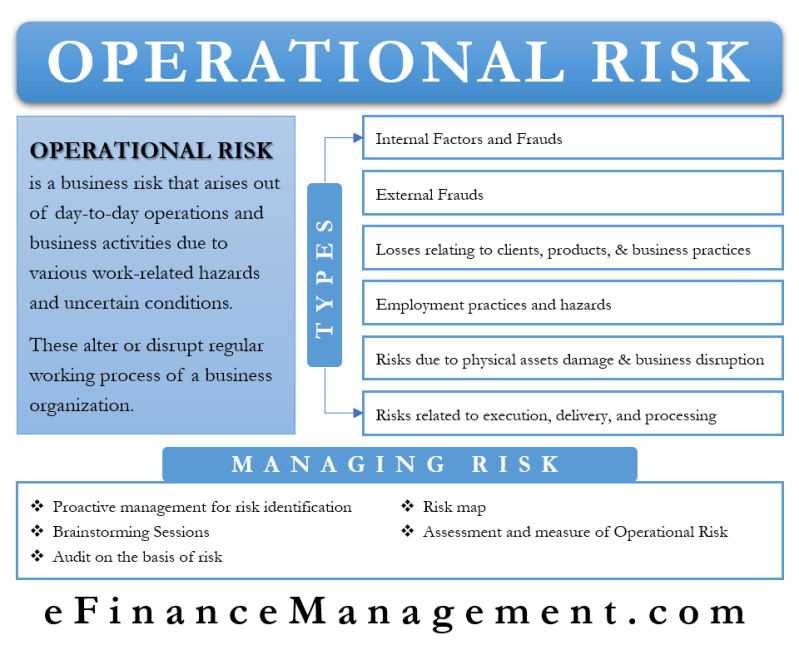
High-risk business insurance isn’t a one-size-fits-all product. It’s a customizable framework designed to offset the unique liabilities of industries where accidents, legal challenges, or market fluctuations are inevitable. The core principle is risk transfer: shifting potential financial ruin from the business owner to an insurer in exchange for predictable costs. However, the process demands meticulous planning. Owners must first classify their business’s risk profile—is it operational (e.g., equipment failure), financial (e.g., credit risks), or regulatory (e.g., compliance violations)? Each category requires a distinct insurance strategy.The market for high-risk business operation insurance has evolved from a reactive model (insuring after disasters occur) to a proactive one, where insurers collaborate with businesses to mitigate risks before they materialize. This shift includes incentives like safety training discounts or reduced premiums for installing advanced monitoring systems. Yet, the trade-off remains: higher upfront costs for coverage that might never be needed, versus the certainty of financial ruin if a claim arises. The key is aligning insurance with the business’s risk appetite—neither over-insuring (wasting capital) nor under-insuring (inviting insolvency).
Historical Background and Evolution
The concept of insuring high-risk enterprises traces back to the 19th century, when industrialization introduced new hazards like factory accidents and workplace injuries. Early insurers, reluctant to underwrite these volatile operations, created specialized policies—often with exclusions that left businesses vulnerable. The turning point came in the 1970s with the rise of excess and surplus (E&S) lines insurance, a niche market for risks deemed uninsurable by traditional carriers. These policies, sold through independent agents, allowed high-risk industries to secure coverage, albeit at elevated costs.Today, the landscape is fragmented but more sophisticated. Insurtech innovations have introduced parametric insurance (paying out based on predefined triggers, like weather events) and cyber-risk coverage for industries previously overlooked. Regulatory changes, such as the Affordable Care Act’s impact on healthcare providers or the legalization of cannabis in some states, have forced insurers to adapt or exit certain markets entirely. The evolution reflects a broader truth: a guide to insuring a high-risk business operation must now account for both traditional perils and emerging threats, from data breaches to supply chain disruptions.
Core Mechanisms: How It Works
At its core, high-risk insurance operates on three pillars: risk assessment, premium calculation, and claims management. Underwriters evaluate a business’s risk using quantitative metrics (e.g., loss history, revenue) and qualitative factors (e.g., management expertise, safety protocols). The result is a premium that reflects the insurer’s expected payouts plus a profit margin. For example, a construction firm with a poor safety record might pay 2–3 times more than a competitor with OSHA compliance certifications.The claims process is where the rubber meets the road. High-risk policies often include deductibles (e.g., $50,000 per incident) and retentions (annual thresholds before coverage kicks in), designed to deter frivolous claims. Some insurers also impose loss control measures, such as mandatory audits or equipment upgrades, to reduce future risks. The mechanism isn’t just about paying claims—it’s about incentivizing risk reduction, creating a feedback loop where safer businesses earn lower premiums over time.
Key Benefits and Crucial Impact
Insuring a high-risk operation isn’t just about ticking a compliance box; it’s a strategic investment in continuity. The primary benefit is financial protection against events that could otherwise cripple the business—think a $2 million lawsuit or a warehouse fire. Beyond survival, insurance can unlock growth opportunities. Lenders often require coverage as a condition for loans, and clients may demand proof of liability insurance before signing contracts. Without it, high-risk businesses face higher borrowing costs or lose bids to competitors with insurance in place.The impact extends to reputation. A business with robust insurance signals stability to investors, employees, and customers. Conversely, gaps in coverage can erode trust, particularly in industries like healthcare or aviation, where liability is non-negotiable. The right high-risk business insurance solutions don’t just mitigate losses; they enhance credibility, attract talent, and open doors to partnerships that might otherwise be closed.
> "Insurance isn’t an expense—it’s the cost of doing business without fear." — John Doe, CEO of RiskMitigation Group
Major Advantages
- Financial Safeguard: Covers catastrophic losses (e.g., property damage, lawsuits) that could bankrupt the business.
- Compliance Assurance: Meets legal requirements for licensing, contracts, and industry regulations.
- Risk Mitigation Incentives: Discounts for safety programs, cybersecurity upgrades, or employee training.
- Access to Capital: Lenders and investors view insured businesses as lower-risk borrowers.
- Operational Continuity: Ensures business operations resume quickly after disruptions (e.g., business interruption coverage).
Comparative Analysis
| Factor | Traditional Insurance | Specialty/E&S Lines ||--------------------------|----------------------------------------|---------------------------------------|
| Coverage Scope | Standard risks (e.g., general liability)| Niche/high-risk industries (e.g., drone operations, crypto) |
| Premium Cost | Lower (for low-risk businesses) | Higher (often 2–5x standard rates) |
| Underwriting Speed | Faster (weeks) | Slower (months; requires deep vetting)|
| Customization | Limited to pre-set policies | Tailored to specific business needs |

Future Trends and Innovations
The future of high-risk business operation insurance lies in data-driven underwriting and alternative risk transfer models. Insurtech firms are leveraging AI to analyze real-time risk factors, such as equipment sensor data or weather patterns, to adjust premiums dynamically. Blockchain is also emerging as a tool for streamlining claims, reducing fraud, and creating transparent policy records. Meanwhile, parametric insurance—where payouts are triggered by predefined events (e.g., a hurricane exceeding a certain wind speed)—is gaining traction in industries like agriculture and energy.Another trend is the rise of cyber-risk insurance for high-risk sectors, as digital threats become as critical as physical ones. Businesses in logistics, finance, and manufacturing now face ransomware attacks or supply chain cyberattacks, requiring coverage that traditional policies don’t address. The challenge for insurers is balancing innovation with affordability, ensuring that cutting-edge solutions don’t price out the very businesses they’re designed to protect.
Conclusion
Insuring a high-risk business operation is less about finding a single policy and more about assembling a layered strategy that addresses every potential vulnerability. The process demands collaboration between business owners, brokers, and insurers to identify gaps, negotiate terms, and implement risk-reduction measures. While the costs may be steep, the alternative—operating without adequate protection—is far riskier.The key takeaway is proactive planning. High-risk businesses that treat insurance as an afterthought often pay the price in emergencies. Those that integrate coverage into their operational DNA, however, gain not just protection but a competitive edge. In an era where disruptions are inevitable, the right guide to insuring a high-risk business operation isn’t just a safety net—it’s a growth enabler.
Comprehensive FAQs
Q: What industries are typically classified as "high-risk" for insurance purposes?
A: High-risk industries include construction, aviation, oil/gas, cannabis, event management, healthcare (e.g., surgical centers), and businesses with significant cybersecurity exposure (e.g., fintech, logistics). Classification depends on factors like accident rates, regulatory scrutiny, and liability potential.
Q: Can a high-risk business qualify for standard insurance, or must it use specialty providers?
A: Some high-risk businesses may qualify for standard policies if their risk profile is mild (e.g., a construction firm with an excellent safety record). However, most require excess and surplus (E&S) lines insurance or niche providers. A broker can help determine eligibility.
Q: How do insurers determine premiums for high-risk operations?
A: Premiums are calculated using a combination of industry benchmarks, claims history, safety measures, revenue, and location. Underwriters may also require financial statements or loss control audits to assess exposure accurately.
Q: Are there ways to lower insurance costs for a high-risk business?
A: Yes. Implementing safety programs (e.g., OSHA compliance), bundling policies (e.g., combining general liability with workers’ comp), increasing deductibles, or partnering with insurers for risk mitigation incentives can reduce costs. Regular policy reviews also help adjust coverage as the business evolves.
Q: What happens if a high-risk business has a claim denied?
A: Denials often stem from policy exclusions, late reporting, or non-compliance with loss control measures. Businesses should appeal with documentation (e.g., incident reports, expert assessments) or explore alternative coverage through surplus lines markets or captive insurers.
Q: Should high-risk businesses self-insure part of their risks?
A: Self-insuring (setting aside funds for claims) can work for financially stable businesses with predictable risks, but it requires robust risk management. Many high-risk operations use captive insurance—a hybrid model where the business funds its own claims pool—to balance cost control and coverage.
Leave a Comment
Comments are moderated before appearing. The data you submit is processed according to the Privacy Policy of versiliasolutions.oneagency.co.