Protecting Your Livelihood: The Smart Guide to Home Based Business Insurance
Table of Contents
- The Complete Overview of Home Based Business Insurance
- Historical Background and Evolution
- Core Mechanisms: How It Works
- Key Benefits and Crucial Impact
- Major Advantages
- Comparative Analysis
- Future Trends and Innovations
- Conclusion
- Comprehensive FAQs
- Q: Does homeowners insurance cover my home business?
- Q: How much does home business insurance cost?
- Q: What’s the difference between general liability and professional liability?
- Q: Can I get home business insurance if I work from a co-working space?
- Q: What should I do if my home business is sued?
- Q: Are there tax deductions for home business insurance?
Every year, thousands of home-based entrepreneurs face financial ruin—not from lack of demand, but from unforeseen incidents. A client slips on your yoga mat, a fire damages your Etsy inventory, or a cyberattack exposes customer data. Without proper home based business insurance, these events can wipe out years of hard work. The reality is stark: 40% of small businesses never recover from a single major claim, and home-based ventures are no exception.
Yet most entrepreneurs assume their standard homeowners policy will suffice. It won’t. Personal insurance excludes commercial activity, leaving gaps that can cost tens of thousands in legal fees or property losses. The solution? Tailored home business insurance—a shield designed for the unique risks of operating from a kitchen table, garage, or spare room.
This isn’t just about ticking a regulatory box. It’s about preserving the stability of your income, protecting your personal assets from business liabilities, and ensuring that one bad day doesn’t derail your entire career. The right policy transforms a home office from a liability into a fortified workspace—one where creativity thrives without the constant fear of financial collapse.
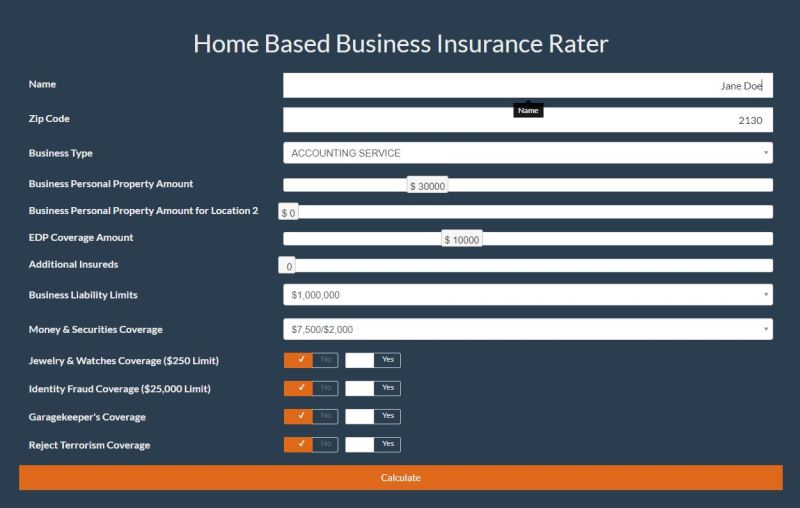
The Complete Overview of Home Based Business Insurance
Home based business insurance refers to specialized coverage packages designed for entrepreneurs who operate their ventures from residential properties. Unlike commercial insurance, which targets office spaces or retail stores, these policies account for the hybrid risks of blending personal and professional life under one roof. They typically bundle protection for property, liability, equipment, and even cyber threats—all while addressing the legal distinctions between home and business use.
The market for home business insurance has evolved significantly in the last decade, driven by the rise of gig economy workers, freelancers, and digital nomads. Insurers now offer modular policies, allowing entrepreneurs to mix and match coverages (e.g., adding professional liability for consultants or product liability for artisans). The key distinction lies in the policy’s ability to separate personal assets from business exposures—a critical feature when a client lawsuit could otherwise target your home equity.
Historical Background and Evolution
The origins of home based business insurance trace back to the 1980s, when the U.S. saw a surge in cottage industries and telecommuting. Early policies were rudimentary, often requiring entrepreneurs to purchase separate endorsements to their homeowners insurance. By the 1990s, insurers began offering standalone "home business" policies, though coverage was limited to low-risk ventures like consulting or craft sales. The real turning point came post-2010, as the digital revolution enabled global e-commerce and remote service-based businesses. Today, policies account for everything from 3D printing startups to AI-driven coaching services.
Regulatory frameworks also played a role. States like California and New York now mandate certain liability protections for home-based businesses, forcing insurers to innovate. The rise of shared economy platforms (e.g., Airbnb for short-term rentals) further complicated risk assessment, leading to niche products like "home-based rental insurance." Meanwhile, the pandemic accelerated demand, with 63% of small businesses reporting increased reliance on home-based operations—a trend that insurers now treat as permanent.
Core Mechanisms: How It Works
Most home based business insurance policies operate on a modular system, where entrepreneurs select coverages based on their specific risks. The foundation typically includes general liability insurance, which protects against third-party claims (e.g., a client alleging negligence). For businesses handling client data, cyber liability insurance becomes essential, covering breaches and regulatory fines. Property coverage extends to business equipment, inventory, and even the cost of relocating operations during repairs. The policy’s "business personal property" rider often covers tools, computers, or raw materials stored at home.
What sets home business insurance apart is the home business endorsement—a clause added to homeowners insurance that legally separates business assets from personal ones. Without this, a lawsuit could jeopardize your primary residence. Premiums vary widely (typically $300–$1,500 annually) based on revenue, industry, and coverage limits. High-risk ventures (e.g., food trucks or childcare services) may require additional endorsements, while low-risk consultants might qualify for bundled discounts with their existing home policy.
Key Benefits and Crucial Impact
The financial stakes of operating without home based business insurance are clear: a single lawsuit or property loss can force closure. Yet beyond the obvious protection, these policies offer strategic advantages. They provide access to better financing terms (lenders often require proof of insurance), enhance credibility with clients, and mitigate the emotional toll of unexpected disruptions. For freelancers and solopreneurs, it’s the difference between a temporary setback and a career-ending crisis.
Consider the case of a handmade jewelry seller whose workshop caught fire, destroying $50,000 in inventory. Without coverage, they’d face personal debt to restock. With a home business insurance policy, the loss was fully reimbursed—and their personal savings remained intact. The peace of mind alone justifies the cost for most entrepreneurs.
"Insurance isn’t an expense; it’s the cost of doing business without fear." — Robert Kiyosaki, Author of Rich Dad Poor Dad
Major Advantages
- Asset Protection: Separates business liabilities from personal assets, shielding your home equity from lawsuits.
- Revenue Continuity: Covers lost income during property repairs or legal disputes, ensuring cash flow stability.
- Compliance Safeguard: Meets state/local requirements for business operations (e.g., liability limits for childcare or food services).
- Equipment Coverage: Reimburses high-value tools or tech (e.g., a $3,000 3D printer) stolen or damaged in a break-in.
- Cybersecurity Shield: Protects against ransomware, data leaks, and client notification costs in the digital age.
Comparative Analysis
| Homeowners Insurance + Endorsement | Standalone Home Business Policy |
|---|---|
| Adds a rider to existing home policy; limited coverage (e.g., $2,500 for business property). | Customizable limits (e.g., $50,000 for equipment/inventory). |
| Cheaper upfront ($100–$500/year), but gaps in liability protection. | Higher premiums ($500–$2,000/year), but comprehensive risk management. |
| Best for low-risk ventures (consulting, freelancing). | Ideal for higher-risk operations (e.g., home bakery, daycare). |
| No separate deductibles for business claims. | May include lower deductibles for business-related incidents. |

Future Trends and Innovations
The next decade will see home based business insurance evolve with technology and shifting work norms. Insurtech startups are already piloting AI-driven risk assessments, using data from smart home devices to dynamically adjust premiums. For example, a policy might offer discounts if motion sensors detect low activity during off-hours, reducing theft risks. Meanwhile, blockchain-based policies could streamline claims processing, eliminating paperwork for freelancers who invoice globally.
Another trend is the rise of "micro-insurance" products, tailored for gig workers and side hustles. Imagine a $20/month policy for a food delivery driver’s phone and vehicle—scalable coverage for the modern entrepreneur. Regulators will also play a role, with potential mandates for cyber liability in home-based tech services. As remote work becomes the norm, insurers will need to redefine "business premises," possibly expanding coverage to co-working spaces or temporary pop-up shops.
Conclusion
Ignoring home based business insurance is a gamble—one that most entrepreneurs can’t afford to lose. The policies aren’t just about mitigating risk; they’re about future-proofing your livelihood in an era where personal and professional boundaries blur. Whether you’re a graphic designer, a home-based baker, or a virtual assistant, the right coverage ensures that your passion project remains resilient against the unpredictable.
Start by auditing your risks: Do you store inventory? Work with clients on-site? Handle sensitive data? Each scenario demands a tailored approach. Consult an independent insurance broker to navigate the options—because in the world of home-based business, the smartest investment isn’t marketing or equipment; it’s protection.
Comprehensive FAQs
Q: Does homeowners insurance cover my home business?
A: No. Homeowners policies exclude commercial activity unless you add a home business endorsement, which typically limits coverage to low-risk operations (e.g., consulting) and caps business property at $2,500. For anything beyond that, a standalone home based business insurance policy is essential.
Q: How much does home business insurance cost?
A: Premiums vary widely based on revenue, industry, and coverage limits. A basic policy for a freelancer might cost $300–$800/year, while a home bakery or daycare could pay $1,500–$3,000/year. High-risk ventures (e.g., home-based construction) may exceed $5,000 annually. Always compare quotes from multiple insurers.
Q: What’s the difference between general liability and professional liability?
A: General liability insurance covers third-party bodily injury or property damage (e.g., a client tripping in your home office). Professional liability insurance (or errors & omissions) protects against claims of negligence in your services (e.g., a client suing for missed deadlines). Many home business insurance policies bundle both, but high-stakes professions (e.g., legal or medical consulting) often need separate policies.
Q: Can I get home business insurance if I work from a co-working space?
A: Yes, but the policy must explicitly cover "non-traditional business locations." Some insurers offer hybrid policies that transition between home and co-working spaces. Always disclose your work environment to avoid claim denials. If you split time between locations, a business owner’s policy (BOP) might be more appropriate.
Q: What should I do if my home business is sued?
A: Act immediately:
- Document everything (emails, contracts, incident reports).
- Notify your insurer within the policy’s notice period (usually 30 days).
- Avoid admitting fault or negotiating directly with the claimant.
- Let your insurer handle communications to prevent waiving rights.
Q: Are there tax deductions for home business insurance?
A: Yes. Premiums for home business insurance are typically deductible as a business expense under IRS Section 162. Keep receipts and consult a tax professional to ensure compliance, especially if you’re self-employed. Some insurers also offer tax-advantaged payment plans for annual policies.
Leave a Comment
Comments are moderated before appearing. The data you submit is processed according to the Privacy Policy of versiliasolutions.oneagency.co.