The Smart Owner’s Guide to Home Based Business Insurance Coverage
Table of Contents
- The Complete Overview of Home Based Business Insurance Coverage
- Historical Background and Evolution
- Core Mechanisms: How It Works
- Key Benefits and Crucial Impact
- Major Advantages
- Comparative Analysis
- Future Trends and Innovations
- Conclusion
- Comprehensive FAQs
- Q: Does my homeowners’ insurance cover my home-based business?
- Q: What’s the difference between general liability and professional liability insurance?
- Q: Can I get home-based business insurance if I work from a co-living space or Airbnb?
- Q: How do deductibles affect my home-based business insurance?
- Q: What’s the best way to reduce premiums for home-based business insurance?
- Q: Do I need business interruption insurance if I work from home?
- Q: How often should I review my home-based business insurance coverage?
Running a business from home offers flexibility, but it also exposes you to unique risks—liability claims, property damage, or even lawsuits from clients. Without the right home based business insurance coverage, a single incident could derail years of work. The gap between standard homeowners’ policies and specialized home-based business insurance is wider than most entrepreneurs realize. Many assume their existing coverage extends to professional activities, but insurers often exclude business-related claims unless explicitly documented. This oversight isn’t just costly; it’s a silent threat to financial stability.
The stakes are higher than ever. Remote work has blurred the lines between personal and professional spaces, creating legal gray areas. A client trip-and-fall lawsuit, a data breach from unsecured client files, or even a fire damaging inventory—these scenarios demand home based business insurance coverage tailored to modern risks. Yet, navigating the options requires more than a cursory glance at premiums. It demands an understanding of policy exclusions, deductibles, and the evolving landscape of digital threats. The right coverage isn’t just about mitigating risk; it’s about future-proofing your livelihood.
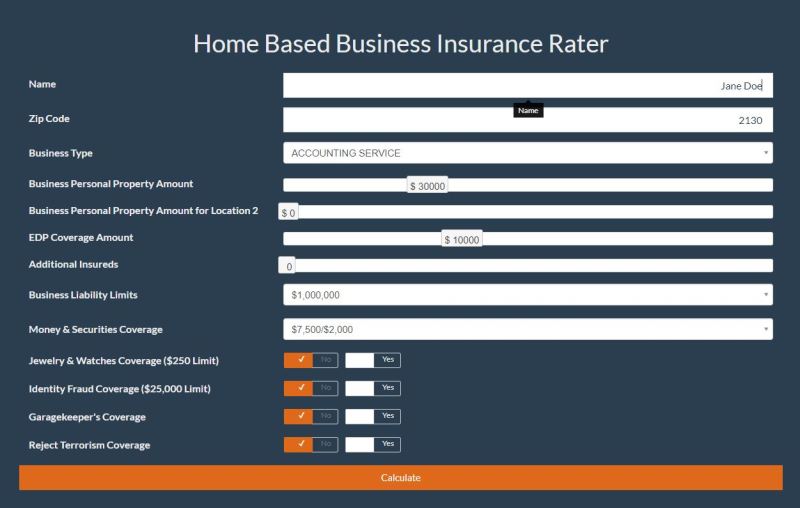
The Complete Overview of Home Based Business Insurance Coverage
Home based business insurance coverage isn’t a one-size-fits-all solution. It’s a dynamic framework designed to address the specific vulnerabilities of entrepreneurs operating from residential properties. Whether you’re a freelance graphic designer, an e-commerce seller, or a consultant, your insurance needs differ from those of a brick-and-mortar business. The core distinction lies in the scope of protection: while homeowners’ insurance covers personal property and liability, home based business insurance coverage extends to professional assets, equipment, and third-party claims arising from business operations.The misconception that personal insurance suffices stems from a fundamental oversight—most policies explicitly exclude business activities. For example, a homeowner’s policy may cover a guest slipping on your porch, but it won’t defend you if that guest is a client who claims your advice caused financial harm. This is where home based business insurance coverage steps in, offering specialized endorsements like professional liability (E&O), general liability, and business property coverage. The challenge lies in selecting the right blend of these protections without overpaying for redundant or irrelevant add-ons.
Historical Background and Evolution
The origins of home based business insurance coverage trace back to the late 20th century, as the rise of telecommuting and the gig economy forced insurers to adapt. Traditional policies, designed for industrial-era risks, struggled to address the intangible liabilities of digital work—such as copyright infringement or cyberattacks. The 1990s saw the first home-based business endorsements added to homeowners’ policies, but these were often limited in scope, focusing primarily on liability rather than comprehensive risk management.The turn of the millennium accelerated the need for home based business insurance coverage as e-commerce and remote services exploded. Insurers began offering business owner’s policies (BOPs) tailored for home-based ventures, bundling general liability, property coverage, and even business interruption insurance. However, the post-2008 financial crisis revealed a critical gap: many policies excluded coverage for home office equipment or client data breaches. This gap persists today, necessitating a closer look at modern policy structures.
Core Mechanisms: How It Works
At its core, home based business insurance coverage operates on three pillars: liability protection, asset safeguarding, and operational continuity. Liability coverage—often called general liability insurance—defends against third-party claims of bodily injury, property damage, or advertising injuries (e.g., slander). For instance, if a client alleges your website’s content defamed their business, this coverage would handle legal fees and settlements.Asset protection, meanwhile, addresses tangible and intangible property. A business property endorsement covers laptops, printers, or inventory stored at home, while cyber liability insurance shields against data breaches or ransomware attacks. The third pillar, business interruption insurance, replaces lost income if a covered event (e.g., a fire) forces you to halt operations temporarily. The mechanics hinge on deductibles and policy limits: higher deductibles lower premiums but increase out-of-pocket costs during claims.
Key Benefits and Crucial Impact
The value of home based business insurance coverage extends beyond financial protection—it’s a safeguard for reputation, cash flow, and long-term viability. Without it, a single lawsuit or equipment failure could force you to shut down. The peace of mind alone is invaluable, but the tangible benefits—such as legal defense costs and revenue replacement—make it a non-negotiable investment for serious entrepreneurs.Consider the case of a freelance web developer whose client sued for $250,000 after a poorly coded website caused financial losses. Without professional liability insurance, the developer faced personal bankruptcy. With coverage, the insurer handled the claim, preserving the developer’s business and credit. These real-world scenarios underscore why home based business insurance coverage isn’t optional—it’s a strategic asset.
"Insurance isn’t just about recovering from loss; it’s about ensuring your business survives the storm." — National Association of Insurance Commissioners (NAIC)
Major Advantages
- Liability Shield: Protects against lawsuits from clients, vendors, or even neighbors affected by your business activities (e.g., a delivery driver slipping on your walkway).
- Equipment and Inventory Coverage: Reimburses costs for stolen or damaged business property, including high-value items like cameras or specialized software.
- Cybersecurity Safeguards: Covers expenses related to data breaches, including notification costs and credit monitoring for affected clients.
- Income Continuity: Replaces lost revenue if a covered event (e.g., a pipe burst flooding your workspace) disrupts operations for weeks or months.
- Tax and Legal Compliance: Many home based business insurance coverage policies include employer practices liability insurance (EPLI) if you hire contractors, ensuring adherence to labor laws.
Comparative Analysis
Not all home based business insurance coverage is equal. Below is a side-by-side comparison of common policy types to help you determine the best fit for your needs:| Policy Type | Key Coverage Areas |
|---|---|
| Homeowners’ Policy (with Endorsement) | Limited liability for business-related incidents; excludes professional errors or cyber risks. Best for solopreneurs with minimal assets. |
| Business Owner’s Policy (BOP) | Bundles general liability, property, and business interruption. Ideal for low-risk home-based businesses (e.g., consulting, freelance writing). |
| Professional Liability (E&O) | Covers errors, omissions, or negligence in professional services. Critical for advisors, designers, or accountants. |
| Cyber Liability Insurance | Addresses data breaches, ransomware, and regulatory fines. Essential for businesses handling client data (e.g., healthcare consultants, digital marketers). |

Future Trends and Innovations
The landscape of home based business insurance coverage is evolving rapidly, driven by technological advancements and shifting risk profiles. AI-powered risk assessment is becoming standard, allowing insurers to tailor policies based on real-time data (e.g., monitoring your workspace for fire hazards). Additionally, micro-insurance models—offering coverage for specific, short-term risks (e.g., a single project’s liability)—are gaining traction among freelancers.Another emerging trend is the integration of cybersecurity tools into insurance policies. Instead of merely reimbursing breach costs, some insurers now provide proactive protection, such as automated backups or employee training modules. As remote work becomes permanent for millions, expect home based business insurance coverage to expand its scope, potentially including health and wellness add-ons for self-employed individuals.
Conclusion
Home based business insurance coverage is no longer a niche concern—it’s a cornerstone of modern entrepreneurship. The days of assuming personal insurance suffices are over. The right policy doesn’t just mitigate risk; it empowers you to scale, innovate, and operate with confidence. The key is to assess your unique exposures, whether it’s client lawsuits, equipment theft, or digital vulnerabilities, and select a policy that aligns with those risks.Don’t wait for a claim to realize the gap in your coverage. Start by auditing your assets, identifying potential liabilities, and consulting an independent insurance agent who specializes in home based business insurance coverage. The cost of inaction—whether financial, reputational, or operational—far outweighs the premiums you’ll pay for protection.
Comprehensive FAQs
Q: Does my homeowners’ insurance cover my home-based business?
A: Most standard homeowners’ policies exclude business activities. You’ll need a home-based business endorsement or a separate business owner’s policy (BOP) to ensure coverage. Always review your policy wording—terms like "business pursuit" often trigger exclusions.
Q: What’s the difference between general liability and professional liability insurance?
A: General liability insurance covers third-party claims of bodily injury or property damage (e.g., a client tripping in your home office). Professional liability (E&O), however, protects against errors or omissions in your professional services (e.g., a client suing for missed deadlines causing financial harm). Many home-based businesses need both.
Q: Can I get home-based business insurance if I work from a co-living space or Airbnb?
A: Standard home based business insurance coverage typically requires a permanent residential address. For flexible workspaces, you may need a commercial policy or a landlord’s consent endorsement. Always disclose your work location to avoid claim denials.
Q: How do deductibles affect my home-based business insurance?
A: Higher deductibles lower your premium but increase out-of-pocket costs during claims. For example, a $1,000 deductible means you pay the first $1,000 of a $5,000 claim. Choose a deductible that balances affordability with your ability to cover unexpected expenses—typically 1–5% of your annual revenue.
Q: What’s the best way to reduce premiums for home-based business insurance?
A: Bundle policies (e.g., combine general liability with cyber insurance), implement risk-reduction measures (e.g., fireproofing your workspace), and maintain a clean claims history. Some insurers also offer discounts for home office safety certifications or remote work security protocols. Shop annually—prices fluctuate based on market trends.
Q: Do I need business interruption insurance if I work from home?
A: Yes, if your income depends on uninterrupted operations. Business interruption insurance replaces lost revenue during covered events (e.g., a burst pipe flooding your equipment). Without it, a temporary shutdown could deplete your savings. Calculate your monthly overhead to determine the right coverage limit.
Q: How often should I review my home-based business insurance coverage?
A: At least annually, or whenever you experience major changes—hiring employees, expanding services, or relocating your workspace. Insurers may adjust rates based on inflation, new risks (e.g., AI-related liabilities), or updates to local laws. Set a calendar reminder to avoid lapses in protection.
Leave a Comment
Comments are moderated before appearing. The data you submit is processed according to the Privacy Policy of versiliasolutions.oneagency.co.