How Does Life Insurance Work? The Hidden Mechanics Behind Financial Security
Table of Contents
- The Complete Overview of How Does Life Insurance Work
- Historical Background and Evolution
- Core Mechanisms: How It Works
- Key Benefits and Crucial Impact
- Major Advantages
- Comparative Analysis
- Future Trends and Innovations
- Conclusion
- Comprehensive FAQs
- Q: Can I still get life insurance if I have a pre-existing health condition?
- Q: What happens if I stop paying premiums on a term policy?
- Q: Is life insurance taxable for beneficiaries?
- Q: Can I change the beneficiary on my life insurance policy?
- Q: How long does it take to process a life insurance claim?
- Q: What’s the difference between a policy’s face value and cash value?
- Q: Do I need life insurance if I’m single with no dependents?
- Q: Can I have multiple life insurance policies?
- Q: What’s the role of an insurance agent vs. an independent broker?
- Q: How does inflation affect life insurance coverage?
Life insurance is one of those financial tools that most people understand in broad strokes but rarely grasp in full depth. At its core, it’s a contract between an individual and an insurer: you pay premiums, and in exchange, the insurer guarantees a lump-sum payout to your loved ones—or your estate—upon your death. But the mechanics behind this promise are far more intricate than a simple "pay now, claim later" transaction. The way policies are structured, underwritten, and activated reveals a system designed to balance risk, responsibility, and long-term security.
What makes life insurance particularly compelling is its dual nature. For some, it’s a safety net—a way to replace lost income or cover debts after a breadwinner’s death. For others, it’s an investment vehicle, a tax-advantaged tool, or even a charitable legacy. Yet despite its versatility, confusion persists. How does life insurance work when the policyholder dies unexpectedly? What if premiums become unaffordable? How do insurers determine who qualifies, and at what cost? These questions expose the gap between perception and reality, where assumptions often clash with the fine print.
The truth is, life insurance operates on a delicate interplay of actuarial science, legal frameworks, and human behavior. It’s not just about the payout; it’s about the when, the how, and the who—factors that can turn a straightforward policy into a complex financial instrument. Understanding these elements isn’t just for advisors or actuaries; it’s essential for anyone who wants to ensure their policy serves its intended purpose without hidden pitfalls.
The Complete Overview of How Does Life Insurance Work
Life insurance is built on a fundamental premise: the pooling of risk. Insurers collect premiums from thousands of policyholders, using statistical models to predict mortality rates and calculate payouts. The key innovation lies in the insurer’s ability to absorb individual risks while guaranteeing outcomes for the collective. This system ensures that even if a small percentage of policyholders pass away, the premiums from the majority fund the claims, creating a self-sustaining cycle. The result is a product that transforms an unpredictable event—death—into a predictable financial transfer.Yet the mechanics extend beyond mere risk distribution. Life insurance policies are customized based on individual needs, whether that means term coverage for temporary protection or whole life policies that accumulate cash value over decades. The choice of policy type, the amount of coverage, and even the insurer’s underwriting process all shape how the system functions. For example, a healthy 30-year-old might secure a low-cost term policy, while a 60-year-old with pre-existing conditions could face higher premiums—or be denied coverage altogether. These variations highlight why understanding how does life insurance work in practice is critical to making informed decisions.
Historical Background and Evolution
The origins of life insurance trace back to ancient civilizations, where burial societies and guilds provided financial support to families after a member’s death. However, the modern concept emerged in 18th-century Europe, particularly in Britain, where the first formal life insurance policies were issued. These early contracts were tied to maritime trade, offering payouts to families if a sailor perished at sea. The innovation was revolutionary: for the first time, individuals could quantify the value of a human life in financial terms, creating a market where risk was commodified.By the 19th century, life insurance evolved into a mainstream financial product, driven by industrialization and urbanization. Insurers began using mortality tables—statistical data on life expectancy—to set premiums, shifting from speculative gambling to actuarial science. The introduction of mutual insurance companies, where policyholders shared profits, further democratized access. Today, life insurance is a cornerstone of personal finance, with policies tailored to everything from mortgage protection to estate planning. The historical trajectory underscores a simple truth: how does life insurance work has always been about adapting to societal needs, from maritime risks to modern financial complexities.
Core Mechanisms: How It Works
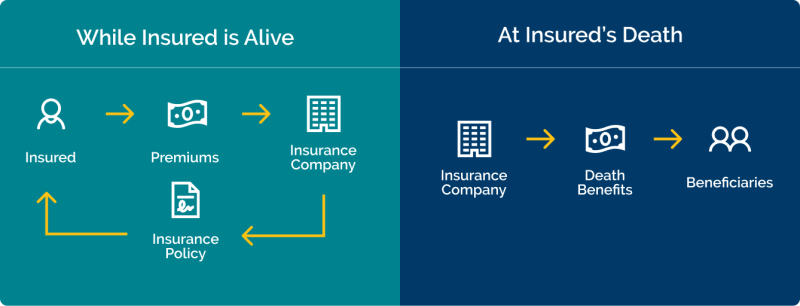
At its most basic level, life insurance operates on a straightforward exchange: the policyholder pays regular premiums, and the insurer provides a death benefit to beneficiaries upon the insured’s passing. The process begins with underwriting, where the insurer assesses the applicant’s risk profile—age, health, occupation, and lifestyle habits—to determine eligibility and premium costs. This step is critical, as it ensures the insurer can accurately predict the likelihood of a claim and set fair pricing. For instance, a non-smoker with no family history of heart disease will typically pay lower premiums than someone with a high-risk job or chronic illness.Once approved, the policy activates, and premiums are paid either monthly, annually, or in lump sums, depending on the agreement. The insurer then holds these funds in reserve, investing a portion to generate returns that help offset claims and administrative costs. When the insured dies, beneficiaries file a claim, and the insurer disburses the death benefit—usually within 30 to 60 days—tax-free in most cases. The speed and efficiency of this process depend on the policy type, with term insurance offering simplicity and permanent policies (like whole or universal life) adding layers like cash value accumulation or riders for additional coverage.
Key Benefits and Crucial Impact
Life insurance is often framed as a tool for financial protection, but its impact extends far beyond the death benefit. For families, it provides a critical safety net, replacing lost income and covering expenses like mortgages, education, or medical bills. For businesses, it can fund buy-sell agreements or key-person insurance to ensure continuity. Even from a tax perspective, life insurance offers advantages: death benefits are generally income-tax-free, and certain policies allow for tax-deferred growth. These benefits make it a versatile instrument, capable of addressing immediate needs and long-term goals alike.The psychological and emotional value of life insurance is equally significant. Knowing that loved ones will be financially secure after a loss can alleviate stress and provide peace of mind. Conversely, the absence of coverage can leave families vulnerable, forcing them to liquidate assets or take on debt during an already difficult time. This duality—security versus risk—is why understanding how does life insurance work isn’t just a financial exercise; it’s a matter of preparing for life’s most uncertain moments.
"Life insurance is the only financial product where the risk you’re insuring against is certain to happen—just not when. The question isn’t if you’ll need it, but how you’ll structure it to work for you." — Dr. Steven Weisbart, Life Insurance Expert
Major Advantages
- Income Replacement: Ensures dependents maintain their standard of living after the policyholder’s death by replacing lost wages.
- Debt Protection: Covers outstanding debts (mortgages, loans, credit cards) so beneficiaries aren’t burdened with financial obligations.
- Estate Planning Tool: Provides liquidity to pay estate taxes or inheritance taxes, preventing forced asset sales.
- Tax Benefits: Death benefits are typically tax-free, and some policies offer tax-deferred growth on cash value.
- Legacy Creation: Allows policyholders to leave a financial gift to heirs, charities, or business partners without probate delays.
Comparative Analysis
| Term Life Insurance | Permanent Life Insurance (Whole/Universal) |
|---|---|
|
|

Future Trends and Innovations
The life insurance industry is undergoing a transformation driven by technology and shifting consumer expectations. Insurtech startups are leveraging AI and big data to streamline underwriting, offering instant approvals and personalized pricing based on real-time health metrics (e.g., wearables, genetic testing). This shift toward dynamic underwriting could make coverage more accessible and affordable, particularly for those previously deemed high-risk. Additionally, hybrid policies—combining life insurance with long-term care or disability coverage—are gaining traction, reflecting a broader trend toward integrated financial protection.Another emerging trend is the rise of "insurtech" partnerships, where insurers collaborate with fintech companies to embed life insurance into everyday financial products (e.g., bank accounts, investment platforms). Blockchain is also being explored for claims processing, promising faster, more transparent payouts. As these innovations reshape how does life insurance work, the industry must balance efficiency with ethical considerations, ensuring that technological advancements don’t outpace consumer understanding or regulatory safeguards.
Conclusion
Life insurance remains one of the most powerful yet misunderstood financial tools available. Its ability to turn an abstract fear—losing a loved one—into a concrete plan is what makes it indispensable. Yet the system’s complexity, from underwriting to claims, means that without proper knowledge, policyholders risk overpaying, underinsuring, or missing out on critical benefits. The key to leveraging life insurance effectively lies in aligning the policy with personal goals, whether that’s protecting a family, funding a business, or leaving a legacy.As the industry evolves, staying informed about how does life insurance work in its modern form will be essential. Whether through traditional term policies or cutting-edge digital solutions, the core principle remains: life insurance is not just about preparing for death, but about securing life’s most valuable assets—time, stability, and peace of mind.
Comprehensive FAQs
Q: Can I still get life insurance if I have a pre-existing health condition?
A: Yes, but approval depends on the severity of the condition and the insurer’s underwriting guidelines. Some policies may offer graded benefits (limited payouts for the first 2–3 years) or higher premiums. Working with an independent broker can help identify insurers specializing in high-risk cases.
Q: What happens if I stop paying premiums on a term policy?
A: Term policies typically expire if premiums aren’t paid, and no death benefit is issued. However, some insurers offer a "return of premium" rider, which refunds payments if the policyholder outlives the term. Permanent policies may allow you to borrow against cash value to cover premiums, but this reduces the death benefit.
Q: Is life insurance taxable for beneficiaries?
A: No, death benefits are generally income-tax-free in most countries. However, if the policyholder surrenders the policy for cash value before death, the gains may be taxable. Interest earned on unpaid loans against cash value is also taxable. Consult a tax advisor for specific scenarios.
Q: Can I change the beneficiary on my life insurance policy?
A: Yes, you can update beneficiaries at any time by submitting a written request to the insurer. It’s wise to review beneficiary designations periodically (e.g., after marriage, divorce, or the birth of a child) to ensure they reflect your current wishes.
Q: How long does it take to process a life insurance claim?
A: Most claims are settled within 30–60 days, provided all required documents (death certificate, policy details, beneficiary information) are submitted promptly. Delays can occur due to missing paperwork or disputes over the cause of death, which may require an autopsy or additional investigation.
Q: What’s the difference between a policy’s face value and cash value?
A: The face value is the death benefit paid to beneficiaries. The cash value (found in permanent policies like whole or universal life) is a savings component that grows tax-deferred and can be accessed via loans or withdrawals. Cash value accumulates over time but reduces the death benefit if not managed properly.
Q: Do I need life insurance if I’m single with no dependents?
A: It depends on your goals. While you may not need income replacement, life insurance can serve other purposes: paying off debts, covering funeral expenses, or leaving a charitable donation. For young professionals, a small term policy (e.g., 10–20 years) can be a cost-effective way to build coverage that can be converted later.
Q: Can I have multiple life insurance policies?
A: Yes, many people hold multiple policies for different needs—for example, a term policy for mortgage protection and a whole life policy for estate planning. However, insurers may limit total coverage based on your income and health. Diversifying policies can provide flexibility but requires careful management to avoid over-insurance.
Q: What’s the role of an insurance agent vs. an independent broker?
A: An agent represents a single insurer and can only sell their company’s products. An independent broker works with multiple insurers, offering unbiased comparisons and access to policies you might not find elsewhere. Brokers are ideal for complex needs (e.g., high-value policies or specialized riders), while agents may provide simpler, faster service for standard policies.
Q: How does inflation affect life insurance coverage?
A: Over time, a fixed death benefit may lose purchasing power due to inflation. To mitigate this, some policies offer inflation riders, which increase the death benefit annually by a set percentage (e.g., 2–5%). Alternatively, you can opt for a policy with a higher initial coverage amount or review your coverage periodically to adjust for rising costs.
Leave a Comment
Comments are moderated before appearing. The data you submit is processed according to the Privacy Policy of versiliasolutions.oneagency.co.