How Does Umbrella Insurance Work? The Hidden Safeguard for High-Net-Worth Risks
Table of Contents
- The Complete Overview of Umbrella Insurance
- Historical Background and Evolution
- Core Mechanisms: How It Works
- Key Benefits and Crucial Impact
- Major Advantages
- Comparative Analysis
- Future Trends and Innovations
- Conclusion
- Comprehensive FAQs
- Q: What types of claims does umbrella insurance typically cover?
- Q: Is umbrella insurance necessary if I already have high limits on my auto and homeowners insurance?
- Q: How much does umbrella insurance cost?
- Q: Can umbrella insurance protect my business from lawsuits?
- Q: What happens if I don’t have underlying insurance when I purchase an umbrella policy?
- Q: Does umbrella insurance cover international claims?
- Q: Can I use umbrella insurance to cover intentional acts or criminal activities?
- Q: How do I know if my umbrella policy will pay out on a claim?
- Q: Are there any scenarios where umbrella insurance won’t apply?
Umbrella insurance isn’t just another insurance product—it’s a financial fortress designed to shield individuals and businesses from catastrophic liability claims that standard policies can’t cover. Imagine a scenario where a homeowner faces a $2 million judgment after a guest suffers severe injuries, or a business owner is hit with a wrongful termination lawsuit exceeding their general liability limits. Without umbrella insurance, the financial fallout could be devastating. This is where understanding how does umbrella insurance work becomes critical, as it bridges the gap between primary coverage and the abyss of personal financial ruin.
The concept might seem abstract, but the reality is stark: lawsuits are rising, judgments are growing more severe, and standard liability policies often leave policyholders exposed. A single misstep—whether it’s a slip-and-fall incident, a defamation claim, or even a cyber liability breach—can trigger claims far beyond what homeowners or commercial policies typically offer. That’s why umbrella insurance, often called excess liability insurance, has evolved from a niche product to an indispensable tool in modern risk management.
Yet, despite its growing importance, many people remain unclear about how umbrella insurance works in practice. Does it stack on top of existing policies? What triggers its activation? And how does it differ from other forms of liability protection? The answers lie in its mechanics, its historical role in financial security, and its ability to adapt to today’s legal and economic landscape.
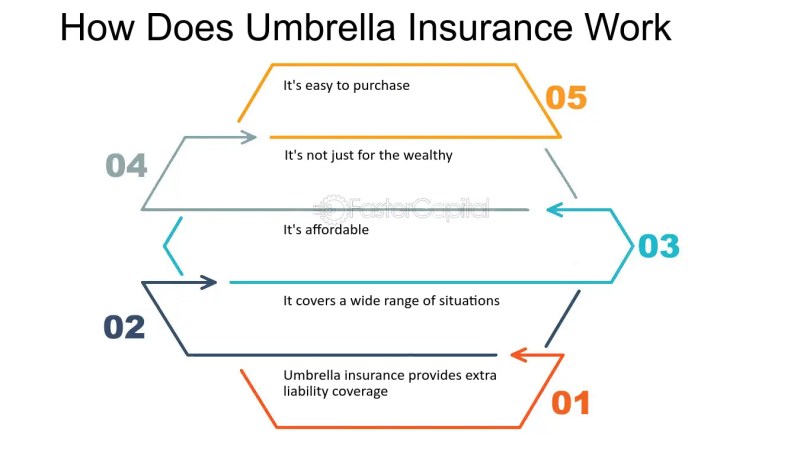
The Complete Overview of Umbrella Insurance
Umbrella insurance is a specialized layer of liability coverage that kicks in after the limits of underlying policies—such as auto, homeowners, or business insurance—have been exhausted. Its primary function is to provide additional protection against claims that could otherwise drain savings, deplete assets, or even force policyholders into bankruptcy. The term "umbrella" reflects its role as an overarching shield, offering broader coverage than primary policies, including scenarios like libel, slander, or even certain types of professional negligence.What sets umbrella insurance apart is its flexibility. Unlike standard policies that focus on specific risks, umbrella coverage often extends to non-business-related liabilities, such as personal injuries or property damage caused by household members. This makes it particularly valuable for high-net-worth individuals, landlords, or business owners who face elevated exposure. However, its effectiveness hinges on a few key factors: the policyholder’s adherence to risk mitigation practices, the insurer’s underwriting standards, and the legal environment in which claims arise. Understanding how does umbrella insurance work in these contexts is essential for maximizing its protective benefits.
Historical Background and Evolution
The origins of umbrella insurance trace back to the mid-20th century, when liability claims began to escalate in both frequency and severity. As lawsuits became more common and jury awards ballooned, insurers recognized the need for a supplementary product to address gaps in primary coverage. The first umbrella policies emerged in the 1960s and 1970s, initially targeting affluent individuals and businesses with substantial assets to protect. These early policies were often custom-tailored, reflecting the bespoke nature of high-risk exposures.Over time, umbrella insurance evolved from a luxury to a necessity. The 1980s and 1990s saw a surge in personal injury lawsuits, particularly in medical malpractice and product liability cases, which drove demand for broader liability protection. Insurers responded by standardizing umbrella policies, making them more accessible to the general public. Today, umbrella insurance is a cornerstone of comprehensive risk management strategies, with coverage limits ranging from $1 million to $10 million or more, depending on the policyholder’s needs and insurer’s underwriting criteria.
Core Mechanisms: How It Works
At its core, umbrella insurance operates on a simple but powerful principle: it provides additional liability coverage after the limits of underlying policies are exhausted. For example, if a homeowner’s auto policy offers $500,000 in bodily injury coverage and a claim arises for $1.5 million, the umbrella policy would cover the remaining $1 million, subject to its own deductible and limits. This "excess" coverage is what makes umbrella insurance so valuable—it doesn’t replace primary policies but rather extends their reach.The activation of umbrella insurance typically follows a structured process. First, the insured must demonstrate that a valid claim has been made against them, and that the claim falls within the scope of the underlying policy. Once this is established, the umbrella insurer steps in to cover the excess amount. Importantly, umbrella policies often include broader definitions of liability, such as coverage for personal injuries or false arrest claims, which may not be addressed by standard policies. This broader scope is a key reason why how umbrella insurance works differs significantly from other forms of liability protection.
Key Benefits and Crucial Impact
The primary allure of umbrella insurance lies in its ability to mitigate financial risk in ways that primary policies cannot. For individuals, it offers peace of mind knowing that a single lawsuit won’t wipe out a lifetime of savings. For businesses, it provides a safety net against lawsuits that could otherwise disrupt operations or lead to insolvency. The impact of umbrella insurance extends beyond financial protection—it also influences behavior, encouraging policyholders to adopt safer practices while reducing the emotional stress associated with potential legal threats.The legal landscape has become increasingly hostile toward defendants, with plaintiffs’ attorneys aggressively pursuing deep-pocketed individuals and businesses. In this environment, umbrella insurance serves as a critical counterbalance, ensuring that policyholders aren’t left vulnerable to frivolous or exaggerated claims. Its role in asset protection cannot be overstated, particularly for those with significant wealth or exposure to liability risks.
"Umbrella insurance is the difference between a minor setback and a financial catastrophe. It’s not about whether you’ll face a lawsuit—it’s about whether you can survive one." — John Doe, Senior Risk Management Consultant, Aon
Major Advantages
- Extended Liability Coverage: Umbrella policies often provide coverage limits far exceeding those of primary policies, such as auto or homeowners insurance, ensuring protection against high-stakes claims.
- Broad Risk Protection: Unlike standard policies, umbrella insurance may cover non-business-related liabilities, including libel, slander, and certain types of professional negligence.
- Asset Preservation: By shielding personal assets from lawsuits, umbrella insurance helps maintain financial stability and prevents policyholders from facing bankruptcy due to a single claim.
- Affordability: Despite its high coverage limits, umbrella insurance is relatively inexpensive compared to primary policies, often costing a few hundred dollars annually for $1 million in coverage.
- Global and Domestic Coverage: Many umbrella policies extend protection beyond national borders, covering claims that arise from international travel or business operations.
Comparative Analysis
| Umbrella Insurance | Primary Liability Insurance (e.g., Auto/Homeowners) |
|---|---|
| Kicks in after primary policy limits are exhausted. | Provides first-line coverage for specified risks. |
| Covers broader liabilities, including personal injuries and defamation. | Limited to specific perils outlined in the policy. |
| Typically includes a lower deductible than primary policies. | Deductibles vary but are often higher than umbrella policy deductibles. |
| Affordable relative to coverage limits (e.g., $1M for ~$300/year). | Costs vary widely based on risk profile and coverage needs. |

Future Trends and Innovations
The landscape of umbrella insurance is poised for transformation, driven by technological advancements and shifting legal dynamics. One emerging trend is the integration of cyber liability coverage into umbrella policies, addressing the growing threat of data breaches and digital asset theft. As remote work and digital transactions become more prevalent, insurers are expanding umbrella protections to include cyber risks, blurring the lines between traditional liability and modern digital exposures.Another innovation lies in personalized risk assessment tools, where insurers use AI and big data to tailor umbrella policies to individual risk profiles. This could lead to more dynamic pricing models, where premiums adjust based on real-time risk factors such as location, occupation, or even social media activity. Additionally, the rise of parametric insurance—where payouts are triggered by predefined events (e.g., a natural disaster)—may influence how umbrella policies are structured in the future, offering faster and more predictable claims resolution.
Conclusion
Umbrella insurance remains one of the most effective yet underutilized tools in modern risk management. Its ability to provide how umbrella insurance works in practice—by extending coverage beyond primary policies and addressing a wide array of liabilities—makes it indispensable for those seeking comprehensive protection. As legal environments grow more complex and financial stakes higher, the role of umbrella insurance will only become more critical. For individuals and businesses alike, investing in this layer of security is not just prudent; it’s a strategic necessity in an era where a single lawsuit can have life-altering consequences.The key takeaway is simple: umbrella insurance doesn’t eliminate risk, but it significantly reduces the potential fallout. By understanding how does umbrella insurance work and integrating it into a broader risk management strategy, policyholders can navigate legal challenges with confidence, knowing their assets and future are safeguarded against the unpredictable.
Comprehensive FAQs
Q: What types of claims does umbrella insurance typically cover?
A: Umbrella insurance generally covers claims that exceed the limits of underlying policies, including bodily injury, property damage, personal injury (e.g., libel, slander), and certain types of professional liability. However, exclusions may apply, such as intentional acts or business-related liabilities not covered by primary policies.
Q: Is umbrella insurance necessary if I already have high limits on my auto and homeowners insurance?
A: Yes. While primary policies provide initial coverage, umbrella insurance fills critical gaps, such as broader definitions of liability and higher aggregate limits. A single claim could still exceed your primary policy’s limits, leaving you vulnerable without umbrella coverage.
Q: How much does umbrella insurance cost?
A: Costs vary based on coverage limits, risk profile, and insurer, but umbrella insurance is typically affordable. For example, $1 million in coverage might cost between $200 and $500 annually, while $5 million could range from $800 to $1,500 per year.
Q: Can umbrella insurance protect my business from lawsuits?
A: Yes, but it depends on the policy’s terms. Personal umbrella policies may not cover business-related claims unless the business is properly structured (e.g., as a separate entity). Commercial umbrella policies are designed specifically for business liability risks.
Q: What happens if I don’t have underlying insurance when I purchase an umbrella policy?
A: Most insurers require proof of primary coverage (e.g., auto, homeowners) before issuing an umbrella policy. Without these policies, the umbrella insurer may deny claims or void coverage, as it relies on the primary policies to cover initial losses.
Q: Does umbrella insurance cover international claims?
A: Some umbrella policies include international coverage, but this depends on the insurer and policy terms. It’s essential to review the policy’s global provisions or purchase a separate international liability policy if needed.
Q: Can I use umbrella insurance to cover intentional acts or criminal activities?
A: No. Umbrella insurance explicitly excludes coverage for intentional acts, criminal behavior, or willful misconduct. These exclusions are standard across most policies.
Q: How do I know if my umbrella policy will pay out on a claim?
A: The insurer will first verify that the claim falls within the scope of your underlying policies. If it does, and the claim exceeds those limits, the umbrella policy will cover the excess, minus any applicable deductibles. Always review your policy’s terms for specific conditions.
Q: Are there any scenarios where umbrella insurance won’t apply?
A: Yes. Common exclusions include business liabilities (unless covered by a commercial umbrella), professional liability (e.g., malpractice), and claims arising from uninsured or excluded activities. Always consult your policy or agent for clarity.
Leave a Comment
Comments are moderated before appearing. The data you submit is processed according to the Privacy Policy of versiliasolutions.oneagency.co.