How Much to Install Sump Pump? Costs, Factors & Smart Investments
Table of Contents
- The Complete Overview of How Much to Install Sump Pump
- Historical Background and Evolution
- Core Mechanisms: How It Works
- Key Benefits and Crucial Impact
- Major Advantages
- Comparative Analysis
- Future Trends and Innovations
- Conclusion
- Comprehensive FAQs
- Q: Is it worth installing a sump pump if my basement has never flooded?
- Q: Can I install a sump pump myself to save money?
- Q: How long does a sump pump typically last?
- Q: Will a sump pump lower my home insurance premiums?
- Q: What’s the difference between a submersible and pedestal sump pump?
- Q: How do I know if my sump pump is failing?
- Q: Are there any tax incentives or rebates for installing a sump pump?
Flooding in basements isn’t just an inconvenience—it’s a financial and structural nightmare. A single water intrusion can cost homeowners thousands in repairs, mold remediation, and lost property value. Yet, many still hesitate when faced with the question: how much to install sump pump? The answer isn’t a fixed number but a range influenced by location, system complexity, and whether you’re replacing an old unit or installing one for the first time. The truth is, the upfront cost pales in comparison to the long-term savings it provides, especially in high-risk flood zones or homes with poor drainage.
The decision to install a sump pump often comes after a close call—perhaps after a heavy rainstorm left your basement ankle-deep in water, or after noticing persistent dampness that no dehumidifier could conquer. But even then, homeowners frequently underestimate the total expenses. Beyond the pump itself, costs escalate with labor, electrical work, piping, and potential modifications to your home’s foundation. Some skip the installation entirely, only to regret it when water damage forces a costly overhaul. The smarter approach? Understanding how much to install sump pump upfront, so you can budget accordingly and avoid surprises.
What separates a basic sump pump installation from a premium one? It’s not just the brand or the wattage—it’s the unseen factors like soil composition, local flood risk, and whether you opt for a battery backup or a float switch. A poorly installed system can fail when you need it most, while a well-planned setup can last decades with minimal maintenance. The key lies in balancing cost efficiency with reliability, ensuring your investment aligns with your home’s specific vulnerabilities. This guide breaks down every variable, from material costs to labor rates, so you can approach the project with clarity—and confidence.
The Complete Overview of How Much to Install Sump Pump
Installing a sump pump is one of the most effective ways to safeguard your home against basement flooding, yet the cost can vary dramatically depending on regional labor rates, system specifications, and whether you’re tackling the project yourself or hiring a professional. On average, homeowners spend between $800 and $2,500 for a standard installation, but this figure can balloon to $4,000 or more for high-end systems with advanced features like alarm notifications or automatic shutoff valves. The disparity stems from whether you’re dealing with a simple setup in a finished basement or a complex retrofit in an unfinished or flood-prone area.
The most critical factor in determining how much to install sump pump is the scope of work. A basic installation—where the pump is placed in an existing sump pit and connected to a drain line—typically costs less than $1,500. However, if your home lacks a sump pit entirely, you’ll need to excavate, install a liner, and possibly reinforce the foundation, which can add $1,500 to $3,000 to the total. Additionally, electrical work (if the pump isn’t battery-powered) and permits (required in many municipalities) further inflate the price. For those in flood zones, insurance discounts or rebates may offset some costs, but upfront planning is essential to avoid overspending.
Historical Background and Evolution
The concept of sump pumps dates back to ancient civilizations, where early forms of water diversion were used to prevent flooding in underground structures. However, modern sump pumps as we know them emerged in the mid-20th century, driven by the need for efficient basement water management in suburban homes. Early models were rudimentary—often manually operated—and relied on simple float switches to activate. Over time, advancements in materials (like corrosion-resistant polyethylene) and automation (smart sensors, Wi-Fi alerts) transformed sump pumps into a critical component of home flood protection.
Today, the market offers a spectrum of options, from pedestal pumps (mounted above the pit for easier maintenance) to submersible pumps (installed directly in the water) and combination systems that include backup power sources. The evolution reflects a shift toward reliability and convenience, with modern pumps now capable of handling everything from minor seepage to catastrophic flooding. Understanding this history helps contextualize why how much to install sump pump has become a more complex question—balancing legacy systems with cutting-edge technology.
Core Mechanisms: How It Works
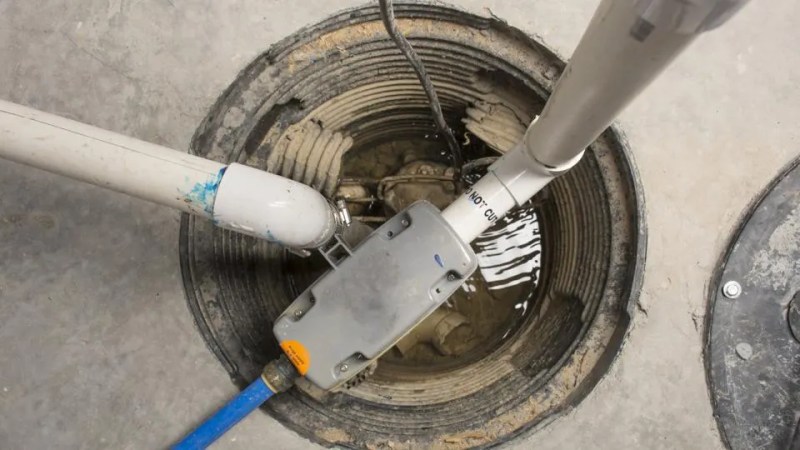
At its core, a sump pump operates on a straightforward principle: it detects rising water levels in a sump pit (a small, excavated basin) and automatically expels the water through a discharge pipe, typically leading to a municipal sewer system or a dry well. The activation is triggered by a float switch, which rises with the water and flips a switch to turn on the pump. Submersible pumps, the most common type, are sealed units designed to operate underwater, while pedestal pumps sit above the pit and draw water through an intake pipe.
The mechanics extend beyond the pump itself. Proper installation requires precise grading to ensure water flows into the pit, a properly sized discharge pipe to prevent clogs, and (in some cases) a check valve to stop backflow. For homes in areas with frequent power outages, a battery backup or water-powered system is critical, as flooding often coincides with storms that knock out electricity. The interplay of these components explains why a poorly installed system—even a high-quality pump—can fail, underscoring the importance of professional expertise when determining how much to install sump pump for long-term reliability.
Key Benefits and Crucial Impact
The primary advantage of a sump pump is its ability to prevent water damage, which can lead to structural issues like foundation cracks, mold growth, and electrical hazards. Without one, even minor flooding can compromise your home’s integrity, requiring expensive repairs that far exceed the cost of installation. Beyond the financial protection, sump pumps also enhance indoor air quality by reducing humidity and preventing mold spores from circulating. For families with allergies or respiratory conditions, this is a non-negotiable upgrade.
The psychological relief of knowing your home is protected from flooding is equally valuable. Homeowners who’ve experienced basement floods often describe the anxiety of waiting for the next storm, only to be met with another cleanup effort. A well-installed sump pump eliminates that uncertainty, offering peace of mind that’s priceless. The return on investment isn’t just monetary—it’s the confidence that your home’s most vulnerable area is shielded from nature’s unpredictability.
“A sump pump is the unsung hero of home maintenance—until it fails, and then it becomes the most expensive lesson you’ve ever learned.” — Basement Systems & Waterproofing Institute
Major Advantages
- Prevents Water Damage: Diverts groundwater away from your foundation, avoiding costly repairs like cracked walls or ruined flooring.
- Mold and Mildew Control: Reduces humidity levels, creating an inhospitable environment for mold spores that thrive in damp basements.
- Electrical Safety: Minimizes the risk of short circuits or electrical fires caused by standing water near wiring.
- Increased Home Value: A waterproofed basement with a sump pump is a selling point in regions prone to flooding, often justifying a higher resale price.
- Insurance Savings: Many insurers offer discounts (5–15%) for homes with sump pumps, especially in high-risk areas.
Comparative Analysis
| Factor | Basic Installation | Premium Installation |
|---|---|---|
| Cost Range | $800–$1,500 | $2,500–$5,000+ |
| Pump Type | Standard submersible (1/3–1/2 HP) | High-efficiency submersible or pedestal with backup power |
| Additional Features | Float switch, basic discharge pipe | Wi-Fi alerts, automatic shutoff, check valve, battery backup |
| Labor Complexity | Existing pit, minimal excavation | Excavation, foundation adjustments, electrical upgrades |

Future Trends and Innovations
The future of sump pump technology is leaning toward smart, connected systems that integrate with home automation platforms. Imagine a pump that not only detects rising water but also sends real-time alerts to your phone, adjusts its operation based on weather forecasts, or even activates a backup generator if power fails. Companies are already developing pumps with built-in water level sensors that sync with apps, allowing homeowners to monitor their system remotely. These innovations address a key pain point: many sump pump failures go unnoticed until water overflows the pit, by which time damage is already done.
Another emerging trend is the use of solar-powered or water-powered backup systems, which eliminate the dependency on electricity—a common failure point during storms. Additionally, eco-friendly materials and quieter operation are becoming priorities for manufacturers, as homeowners increasingly view sump pumps not just as a necessity but as a seamless part of their home’s infrastructure. While these advancements may increase the upfront cost of how much to install sump pump, they offer long-term efficiency and reliability that traditional systems can’t match.
Conclusion
The question of how much to install sump pump isn’t just about the price tag—it’s about weighing short-term expenses against long-term protection. A poorly installed system may save you money today but could cost you thousands in repairs tomorrow. Conversely, investing in a high-quality pump with backup power and smart features ensures your home remains dry, safe, and valuable for decades. The key is to work with a licensed contractor who understands your home’s specific risks and can tailor the system accordingly.
Don’t wait until the next storm to act. A sump pump is an investment in your home’s longevity, and the data speaks for itself: homes with proper water management systems suffer significantly less damage during floods. Start by researching local costs, obtaining multiple quotes, and exploring financing options if needed. Your basement—and your wallet—will thank you.
Comprehensive FAQs
Q: Is it worth installing a sump pump if my basement has never flooded?
A: Even if your basement hasn’t flooded, soil composition, drainage issues, or rising groundwater tables can lead to seepage over time. A sump pump acts as a proactive measure, especially in areas with heavy rainfall or high water tables. Many homeowners install them during renovations to future-proof their homes.
Q: Can I install a sump pump myself to save money?
A: While DIY installation is possible for basic systems, improper placement, electrical work, or discharge pipe routing can lead to failures. Local building codes often require permits for sump pump installations, and mistakes can void warranties. For complex setups (e.g., battery backups, multiple pumps), hiring a professional is strongly recommended.
Q: How long does a sump pump typically last?
A: A well-maintained sump pump lasts 10–15 years, though submersible models often outlast pedestal pumps. Regular maintenance—like testing the pump annually, checking float switches, and cleaning the pit—extends its lifespan. High-end pumps with stainless steel components may last longer but come at a higher upfront cost.
Q: Will a sump pump lower my home insurance premiums?
A: Yes, many insurers offer discounts (typically 5–15%) for homes with sump pumps, particularly in flood-prone regions. Always confirm with your provider, as coverage terms vary by location and policy. Some insurers may also require a backup power source for maximum savings.
Q: What’s the difference between a submersible and pedestal sump pump?
A: Submersible pumps are installed directly in the water and are quieter, more energy-efficient, and better for tight spaces. Pedestal pumps sit above the pit and are easier to access for maintenance but are louder and less efficient. Submersible pumps are generally preferred for most residential installations due to their reliability and lower operating costs.
Q: How do I know if my sump pump is failing?
A: Warning signs include frequent cycling (short intervals between activations), unusual noises (grinding or rattling), water pooling in the pit despite the pump running, or the pump failing to turn on when tested. If you notice any of these, have the system inspected immediately—delaying repairs can lead to basement flooding.
Q: Are there any tax incentives or rebates for installing a sump pump?
A: While federal tax incentives for sump pumps are rare, some local governments or utility companies offer rebates for flood mitigation systems, especially in designated flood zones. Check with your municipality or state environmental agency for available programs, as these can significantly offset how much to install sump pump.
Leave a Comment
Comments are moderated before appearing. The data you submit is processed according to the Privacy Policy of versiliasolutions.oneagency.co.