How to Find a Leak in an Irrigation System: Proven Methods for Efficiency & Water Savings
Table of Contents
- The Complete Overview of How to Find a Leak in an Irrigation System
- Historical Background and Evolution
- Core Mechanisms: How It Works
- Key Benefits and Crucial Impact
- Major Advantages
- Comparative Analysis
- Future Trends and Innovations
- Conclusion
- Comprehensive FAQs
- Q: How often should I check my irrigation system for leaks?
- Q: Can I use a garden hose to test for leaks in a drip irrigation system?
- Q: What’s the best tool for detecting underground irrigation leaks?
- Q: Why does my irrigation system leak more at night?
- Q: How much water can a small leak waste in a year?
- Q: Are there any DIY-friendly kits for leak detection?
An irrigation system running at peak efficiency is the backbone of sustainable agriculture, lush landscapes, and cost-effective water management. Yet, hidden leaks—often no larger than a pinprick—can silently drain thousands of gallons annually, inflate utility bills, and degrade soil health. The irony? Most leaks go undetected for months, masked by the system’s automated cycles. Without intervention, they erode infrastructure, foster mold, and waste resources in an era where water scarcity is no longer a distant threat but an immediate operational challenge.
The process of how to find a leak in an irrigation system begins with skepticism. Many assume leaks are obvious—muddy patches, soggy soil, or erratic pressure—but the truth is far more nuanced. Subsurface leaks, for instance, may only reveal themselves through indirect signs: a sudden spike in water bills, uneven turf growth, or the telltale hiss of escaping air in a closed system. The key lies in methodical detection, blending basic diagnostics with precision tools. Ignore this step, and the system’s lifespan shortens, while water—an increasingly precious commodity—vanishes into the earth.
What separates a minor annoyance from a full-blown crisis is the ability to identify leaks early. The methods range from low-tech (visual scans, soil probes) to high-tech (acoustic sensors, pressure gauges), each tailored to the system’s scale and complexity. The stakes are clear: Proactive leak detection isn’t just about saving water; it’s about preserving the integrity of an investment that can span decades. For farmers, landscapers, and homeowners alike, mastering these techniques transforms a reactive headache into a strategic advantage.
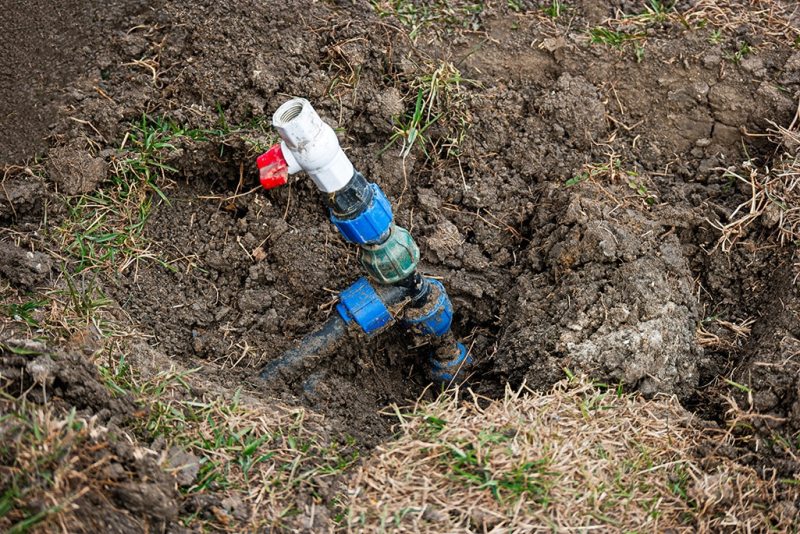
The Complete Overview of How to Find a Leak in an Irrigation System
Irrigation leaks are a silent epidemic, responsible for up to 30% of water loss in poorly maintained systems. The challenge lies in their elusive nature—many leaks occur underground, within pipes buried beneath turf or mulch, where visual cues are absent. The first step in how to find a leak in an irrigation system is understanding the system’s anatomy: from surface-level sprinkler heads to buried PVC or poly tubing. Leaks can manifest as slow seepage, sudden bursts, or even air leaks in pressurized lines, each requiring a distinct diagnostic approach.
Modern irrigation systems—whether drip, sprinkler, or micro-spray—rely on precision engineering to deliver water efficiently. Yet, the interplay of pressure, soil composition, and material degradation (e.g., UV-damaged tubing, corroded fittings) creates weak points. The most critical leaks often occur at joints, valves, or where pipes transition between materials (e.g., copper to PVC). Without intervention, these leaks compound over time, leading to soil erosion, fungal growth, and reduced system performance. The solution? A layered detection strategy that combines observation, measurement, and technology.
Historical Background and Evolution
The science of detecting leaks in irrigation systems has evolved alongside agricultural innovation. Early irrigation relied on gravity-fed canals and open ditches, where leaks were visible but devastating—water loss was measured in acre-feet, not gallons. The 20th century brought pressurized systems and plastic piping, which, while more efficient, introduced hidden vulnerabilities. The 1980s saw the rise of automated timers and solenoid valves, but these added complexity to leak detection, as electronic failures could mimic water loss.
Today, the field has advanced with smart sensors and data analytics. Historically, farmers and technicians relied on manual methods: walking fields at dawn to spot wet spots, using dye tests for drip lines, or listening for hissing sounds with stethoscopes. Modern systems now integrate flow meters, wireless leak alerts, and even AI-driven anomaly detection. Yet, the core principles remain unchanged—pressure differentials, flow rates, and moisture patterns are the telltale signs of inefficiency. The difference? Technology has turned a labor-intensive process into a data-driven one.
Core Mechanisms: How It Works
The mechanics of leak detection hinge on two fundamental principles: water balance and pressure integrity. A functioning irrigation system delivers a predictable volume of water over a set time. Disruptions—whether from a broken pipe or a faulty valve—create imbalances. For example, a sprinkler head leaking 0.5 GPM might seem trivial, but over a 12-hour cycle, it accumulates to 6 gallons per day. Multiply that by 30 days and 12 months, and the waste becomes staggering.
Pressure-based leaks are equally insidious. In a closed system, air can enter through a crack, reducing water flow or causing erratic spray patterns. The most reliable way to identify leaks in irrigation systems is to monitor these two variables: flow rate (measured in GPM or L/min) and pressure (PSI). A sudden drop in pressure or an inconsistent flow rate signals a breach. Advanced systems use pressure sensors to trigger alerts, but even basic gauges can reveal anomalies when compared against manufacturer specifications.
Key Benefits and Crucial Impact
Addressing leaks isn’t just about plugging holes—it’s about reclaiming control over water usage, extending equipment life, and mitigating environmental harm. The financial and ecological costs of ignored leaks are well-documented: studies show that even minor leaks can increase water bills by 20–50% annually. For commercial growers, this translates to thousands in lost revenue. Meanwhile, excess water runoff contributes to soil degradation and groundwater depletion, exacerbating drought conditions.
The ripple effects extend beyond the wallet. A leaky system can create uneven water distribution, leading to patchy crops or dead turf. In golf courses or vineyards, this inconsistency directly impacts yield and aesthetics. The long-term solution? A proactive approach to finding leaks in irrigation systems that combines regular inspections with technological aids. The payoff is twofold: immediate savings and the preservation of a system designed to operate at peak efficiency.
"Water is the lifeblood of agriculture, but leaks are the silent parasites draining it away. The systems we rely on to nourish our fields and gardens are only as strong as their weakest point—and that point is often hidden beneath the surface."
— Dr. Elena Vasquez, Irrigation Engineer, University of California
Major Advantages
- Water Conservation: A single leaky sprinkler head can waste 6,000+ gallons per month. Detection and repair recapture this resource, critical in drought-prone regions.
- Cost Savings: Municipal water bills for commercial properties can drop by 30–40% after leak repairs, offsetting maintenance costs within months.
- Extended System Lifespan: Continuous water loss accelerates pipe corrosion and valve wear. Fixing leaks reduces strain on components, delaying costly replacements.
- Soil Health Preservation: Overwatering from leaks leads to nutrient leaching and anaerobic soil conditions. Proper irrigation maintains optimal moisture levels for plant growth.
- Compliance and Sustainability: Many regions now enforce water-use regulations. Proactive leak detection helps avoid fines and aligns with green certification standards (e.g., LEED, WaterSense).
Comparative Analysis
| Detection Method | Effectiveness & Use Case |
|---|---|
| Visual Inspection (soil probes, spray patterns) | Best for surface leaks; 70% effective for sprinkler systems. Requires dry conditions and trained eye. |
| Pressure Gauges (measuring PSI drops) | Highly accurate for closed systems; ideal for detecting hidden pipe leaks or valve failures. |
| Acoustic Sensors | Detects ultrasonic leaks in pressurized lines; used in large-scale agricultural or municipal systems. |
| Flow Meters (comparing input vs. output) | Quantifies water loss; essential for drip irrigation or high-value crops where precision matters. |

Future Trends and Innovations
The next frontier in finding leaks in irrigation systems lies in IoT integration and predictive analytics. Smart irrigation controllers now pair with soil moisture sensors and weather data to adjust watering schedules dynamically. When paired with machine learning, these systems can flag anomalies—such as unexpected pressure drops—before they escalate into leaks. Startups are also developing leak-detection drones equipped with thermal imaging to pinpoint underground seepage in vast fields.
Another emerging trend is the use of tracer gases (e.g., hydrogen) injected into pipes, which escape at leak points and are detected by handheld sensors. This method is already standard in municipal water systems and is trickling into agricultural applications. For homeowners, the future may involve affordable, plug-and-play devices that monitor flow rates in real time via smartphone apps. The goal? To make leak detection as routine as checking a system’s water pressure—before the damage is done.
Conclusion
The process of how to find a leak in an irrigation system is a blend of art and science, requiring patience, the right tools, and an understanding of hydraulic principles. While technology offers increasingly sophisticated solutions, the foundational steps—listening for hisses, probing wet soil, and comparing flow rates—remain timeless. The difference today is that these methods are faster, more precise, and accessible than ever.
For those invested in water efficiency, the message is clear: Leaks are not an inevitability but a solvable problem. Whether you’re managing a 5-acre farm or a suburban lawn, the time to act is now. The water saved, the costs avoided, and the systems preserved are worth the effort. In an era where every drop counts, the most sustainable irrigation practice isn’t just watering smart—it’s fixing leaks before they become crises.
Comprehensive FAQs
Q: How often should I check my irrigation system for leaks?
A: For residential systems, conduct a monthly visual inspection during dry periods to spot wet spots or uneven spray patterns. Commercial or agricultural systems should be professionally audited bi-annually, with flow/pressure tests performed quarterly. Early detection is key—waiting until bills spike can mean larger, costlier repairs.
Q: Can I use a garden hose to test for leaks in a drip irrigation system?
A: Yes, but with caution. Disconnect the system and attach a hose to the main line, then monitor for drops in pressure or visible water loss. For drip lines, use a dye test: inject a small amount of food coloring into the system and check for colored water emerging from the soil. Avoid over-pressurizing, as this can damage tubing.
Q: What’s the best tool for detecting underground irrigation leaks?
A: For buried leaks, a correlation leak detector (which uses two geophones to pinpoint sound waves from escaping water) is the gold standard. For DIYers, a pressure gauge and flow meter combo is effective. If the system is new, thermal imaging cameras can reveal temperature anomalies caused by water seepage.
Q: Why does my irrigation system leak more at night?
A: Nocturnal leaks often stem from backflow or pressure fluctuations caused by cooler temperatures contracting pipes. If the system is on a timer, nighttime cycles may also coincide with lower atmospheric pressure, increasing the risk of valve failures. Check for air leaks in the system or consult a technician to adjust pressure regulators.
Q: How much water can a small leak waste in a year?
A: A leak as small as 1/32-inch can waste 2,700 gallons annually. For context, that’s enough to fill a backyard swimming pool (10’x20’) twice. Larger leaks (e.g., a broken sprinkler head) can exceed 10,000 gallons per month. The EPA estimates that 10% of household water is lost to leaks, with commercial systems often exceeding this rate.
Q: Are there any DIY-friendly kits for leak detection?
A: Yes. Kits typically include pressure gauges, flow meters, and acoustic stethoscopes designed for irrigation systems. Brands like Rain Bird and Hunter Industries offer diagnostic tools, while third-party options (e.g., Aquaspy) provide portable leak detectors for drip lines. For smart systems, apps like Rachio or Orbit B-Hyve can monitor water usage and alert you to anomalies.
Leave a Comment
Comments are moderated before appearing. The data you submit is processed according to the Privacy Policy of versiliasolutions.oneagency.co.