The Hidden Truth: How to Hide Purchase on Amazon Account Without Leaving a Trace
Table of Contents
- The Complete Overview of How to Hide Purchase on Amazon Account
- Historical Background and Evolution
- Core Mechanisms: How It Works
- Key Benefits and Crucial Impact
- Major Advantages
- Comparative Analysis
- Future Trends and Innovations
- Conclusion
- Comprehensive FAQs
- Q: Can I completely erase an Amazon purchase from my account?
- Q: Will using a VPN hide my Amazon purchases?
- Q: Is it legal to create multiple Amazon accounts to hide purchases?
- Q: How do I hide a gift purchase from showing up in my order history?
- Q: Can Amazon’s customer service remove a purchase from my history?
- Q: What’s the best way to hide a large or expensive purchase?
- Q: Does Amazon share purchase data with third parties?
- Q: Can I hide purchases made on Amazon Business accounts?
- Q: What happens if Amazon detects I’m hiding purchases?
- Q: Are there any risks to using third-party apps to hide Amazon purchases?
Amazon’s order history is a digital ledger of personal choices—sometimes, discretion is as valuable as convenience. Whether you’re shielding a gift from prying eyes, protecting financial privacy, or avoiding social judgment, understanding how to hide purchase on Amazon account requires a blend of technical know-how and strategic planning. The platform’s default settings leave a trail, but with the right approach, you can minimize exposure without violating terms of service.
Most users assume Amazon’s order tracking is immutable, but the reality is more nuanced. From third-party tools to account settings most overlook, there are layers of control—some obvious, others hidden in plain sight. The key lies in balancing visibility with functionality, ensuring your purchases remain private without sacrificing access to essential services.
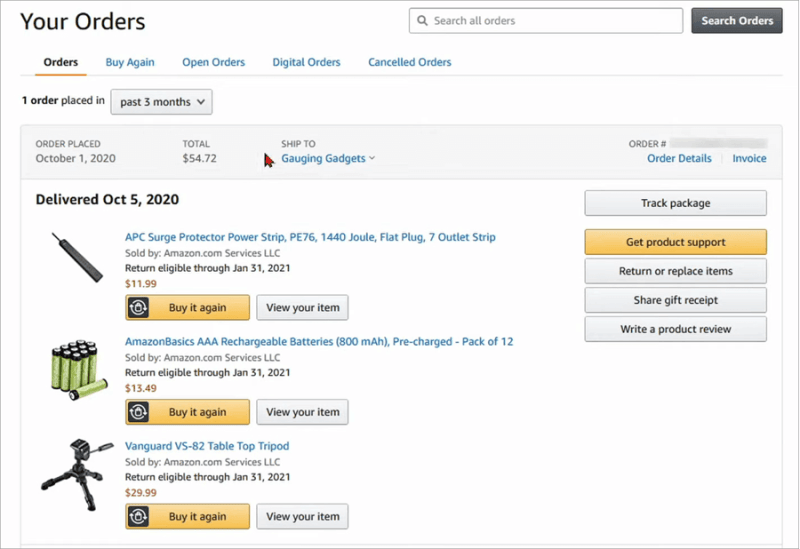
The Complete Overview of How to Hide Purchase on Amazon Account
Amazon’s order history isn’t just a convenience—it’s a data goldmine for marketers, family members, and even law enforcement in certain contexts. While the company emphasizes transparency, its policies allow users to adjust visibility through a mix of built-in features and external workarounds. The challenge? Many methods either fail to deliver full anonymity or risk triggering account restrictions. Effective strategies combine how to hide purchase on Amazon account with an understanding of Amazon’s algorithmic triggers (e.g., sudden bulk deletions, unusual activity flags).The most reliable approaches hinge on two pillars: account-level adjustments (e.g., order masking via settings) and third-party interventions (e.g., proxy services, VPNs). However, not all techniques are equal—some merely delay visibility, while others create permanent gaps. For instance, Amazon’s "Hide Items Not Delivered" feature is a common first step, but it only works for undelivered orders. To conceal completed transactions, users must explore less conventional paths, such as leveraging Amazon’s "Gift" purchase options or exploiting regional account discrepancies.
Historical Background and Evolution
Amazon’s order history transparency evolved alongside its business model. In the early 2000s, purchases were largely invisible outside the buyer’s account, but as the platform grew, so did demands for accessibility—leading to features like "Your Orders" and email receipts. The shift toward real-time tracking was partly driven by customer service efficiency but also by Amazon’s push into subscription-based services (e.g., Prime), where purchase history fuels recommendations. By the late 2010s, privacy concerns prompted Amazon to introduce tools like how to hide purchase on Amazon account via the "Order History" settings, though these remained limited in scope.The rise of privacy-focused tools (e.g., VPNs, proxy networks) further complicated Amazon’s ability to enforce visibility. While the company has occasionally cracked down on suspicious activity—such as bulk order deletions—users have adapted by distributing purchases across multiple accounts or devices. This cat-and-mouse dynamic highlights a broader tension: Amazon’s business relies on data, but its customers increasingly demand control over that data. The result? A patchwork of solutions, from Amazon’s own privacy tweaks to third-party services that operate in a legal gray area.
Core Mechanisms: How It Works
At its core, how to hide purchase on Amazon account exploits two vulnerabilities in Amazon’s system: user-controlled settings and external obfuscation. The first category includes features like hiding individual orders or disabling order confirmation emails. These work by altering what Amazon displays to the account holder, but they don’t erase data from Amazon’s servers. The second category involves bypassing Amazon’s tracking entirely—through methods like using a secondary email address, a different payment method, or a VPN to mask your IP address.For example, purchasing with a disposable email (e.g., Temp-Mail) and a prepaid debit card (e.g., NetSpend) creates a transactional layer that’s harder to trace back to your primary account. However, this approach has trade-offs: Amazon may flag the order as "suspicious" if it detects no shipping address or unusual payment patterns. The sweet spot lies in combining multiple techniques—such as hiding the order in your account settings and routing it through a proxy—to maximize anonymity without triggering red flags.
Key Benefits and Crucial Impact
The ability to conceal purchases isn’t just about secrecy—it’s about reclaiming autonomy in an era of hyper-visible consumption. For parents hiding birthday gifts, it’s about surprise; for financial planners, it’s about avoiding lifestyle inflation; and for activists or whistleblowers, it’s about safety. Amazon’s default transparency assumes all purchases are benign, but reality often demands discretion. The psychological weight of an unfiltered order history can also be underrated: studies show that visible spending habits influence self-perception and social judgments.That said, the methods to hide purchase on Amazon account come with risks. Over-aggressive tactics (e.g., deleting orders en masse) can lead to account suspension, while third-party tools may violate Amazon’s terms of service. The balance between privacy and usability is delicate—too much obfuscation invites scrutiny, while too little leaves you exposed. As one digital privacy advocate noted:
"Amazon’s order history is a digital fingerprint. The goal isn’t to disappear entirely—it’s to control what others see while keeping your fingerprint intact." — Dr. Elena Vasquez, Cybersecurity Researcher
Major Advantages
- Selective Privacy: Hide specific orders without affecting others, such as masking a surprise gift while keeping subscriptions visible for management.
- Financial Discretion: Prevent family members or roommates from tracking purchases tied to shared accounts or payment methods.
- Avoiding Social Pressure: Shield purchases that might invite judgment (e.g., luxury items, niche hobbies) without explaining your choices.
- Compliance with Gifting Norms: Maintain the element of surprise in corporate or personal gifting scenarios.
- Reducing Targeted Ads: Limit Amazon’s ability to tailor ads based on purchase history, though this requires additional steps (e.g., ad-blockers).
Comparative Analysis
Not all methods of how to hide purchase on Amazon account are created equal. Below is a side-by-side comparison of the most effective approaches:| Method | Effectiveness | Risks |
|---|---|
| Amazon’s "Hide Order" Feature | Moderate (only hides from your view; data remains on Amazon’s servers). Risk: None, but limited to undelivered items. |
| Disposable Email + Prepaid Card | High (creates a clean break from your primary account). Risk: May trigger fraud alerts if overused. |
| VPN/Proxy Network | High (masks IP address, reducing tracking). Risk: Slows browsing; some VPNs log activity. |
| Secondary Amazon Account | Very High (completely separates purchase history). Risk: Requires managing multiple accounts; violates Amazon’s terms if used for fraud. |

Future Trends and Innovations
The arms race between Amazon’s tracking capabilities and user privacy tools is far from over. Emerging technologies like homomorphic encryption (which processes data without decrypting it) could allow Amazon to offer "private" order histories—where purchases are visible only to the account holder. Meanwhile, decentralized identity solutions (e.g., blockchain-based wallets) may enable purchases without linking them to personal data. However, these innovations are years away from mainstream adoption.In the nearer term, expect Amazon to tighten restrictions on how to hide purchase on Amazon account methods, particularly those involving multiple accounts or synthetic identities. Regulatory pressures (e.g., GDPR-like laws in the U.S.) may also force Amazon to implement opt-out mechanisms for data sharing. For users, the future lies in adopting modular privacy tools—combining VPNs, disposable credentials, and account segmentation—to stay ahead of Amazon’s evolving tracking systems.
Conclusion
The ability to hide purchase on Amazon account is less about outright deception and more about regaining agency over your digital footprint. Amazon’s ecosystem is designed for convenience, but that convenience often comes at the cost of privacy. By leveraging a mix of built-in tools and external safeguards, users can strike a balance—keeping their order history functional while minimizing unwanted exposure. The key is proportionality: don’t overcomplicate the process, but don’t underestimate Amazon’s ability to detect anomalies.Ultimately, the most sustainable approach is transparency within boundaries. Use Amazon’s native features for minor adjustments, and reserve third-party tools for high-stakes scenarios. Stay informed about policy updates, and always weigh the risks of over-obfuscation against the benefits of discretion. In a world where every click is tracked, the art of how to hide purchase on Amazon account isn’t about evasion—it’s about control.
Comprehensive FAQs
Q: Can I completely erase an Amazon purchase from my account?
A: No. Amazon retains purchase data for tax, warranty, and customer service purposes. You can only hide orders from your view using the "Hide Order" feature (for undelivered items) or delete them from your order history (though this may require contacting Amazon Support).
Q: Will using a VPN hide my Amazon purchases?
A: A VPN masks your IP address, reducing the risk of location-based tracking, but it doesn’t alter Amazon’s internal records. Purchases will still appear in your account unless you use additional methods (e.g., a secondary email/payment).
Q: Is it legal to create multiple Amazon accounts to hide purchases?
A: Amazon’s Terms of Service prohibit creating accounts for fraudulent or deceptive purposes. Using multiple accounts for privacy (without sharing payment details) may not violate policies, but Amazon can suspend accounts if it detects suspicious patterns.
Q: How do I hide a gift purchase from showing up in my order history?
A: Use Amazon’s "Gift Purchase" option during checkout. This removes the item from your visible order history while still delivering it. For additional privacy, combine this with a separate payment method (e.g., a gift card).
Q: Can Amazon’s customer service remove a purchase from my history?
A: In rare cases, yes. Contact Amazon Support and request removal due to privacy concerns, citing data protection laws (e.g., GDPR if you’re in the EU). Provide evidence of the purchase’s sensitivity (e.g., medical supplies). Success isn’t guaranteed.
Q: What’s the best way to hide a large or expensive purchase?
A: Distribute the purchase across multiple orders, use a secondary Amazon account with a prepaid card, and avoid linking the purchase to your primary shipping address. For maximum discretion, combine this with a VPN and a disposable email.
Q: Does Amazon share purchase data with third parties?
A: Amazon shares aggregated purchase data with advertisers and partners (e.g., for targeted ads), but individual transaction details are not sold. However, family members with access to your account or law enforcement (with a warrant) can view order history.
Q: Can I hide purchases made on Amazon Business accounts?
A: Amazon Business accounts have separate privacy controls, but hiding purchases follows similar principles: use "Hide Order," disable email receipts, or leverage Business-specific features like "Approvals Workflow" to obscure transactions.
Q: What happens if Amazon detects I’m hiding purchases?
A: Amazon may flag unusual activity (e.g., bulk order deletions, multiple accounts) and suspend your account or freeze purchases. To avoid this, use methods sparingly and avoid patterns that resemble fraud (e.g., rapid account creation).
Q: Are there any risks to using third-party apps to hide Amazon purchases?
A: Yes. Many apps promise to "delete" orders but may violate Amazon’s terms, leading to account bans. Stick to Amazon’s native tools or vetted privacy services (e.g., NordVPN for masking IPs). Always review terms of service before using external tools.
Leave a Comment
Comments are moderated before appearing. The data you submit is processed according to the Privacy Policy of versiliasolutions.oneagency.co.