TSA PreCheck Confirmed: The Definitive Guide to Checking If You Have It
Table of Contents
- The Complete Overview of How to Know If You Have TSA PreCheck
- Historical Background and Evolution
- Core Mechanisms: How It Works
- Key Benefits and Crucial Impact
- Major Advantages
- Comparative Analysis
- Future Trends and Innovations
- Conclusion
- Comprehensive FAQs
- Q: How do I find my Known Traveler Number (KTN) if I have TSA PreCheck?
- Q: What if I applied for PreCheck but never got a confirmation?
- Q: Can I use TSA PreCheck if I got it through a credit card reward?
- Q: Does TSA PreCheck work at all airports?
- Q: What happens if I forget my KTN at the airport?
- Q: Is TSA PreCheck worth the cost for occasional travelers?
- Q: Can I use TSA PreCheck for international flights?
- Q: How long does TSA PreCheck approval last?
- Q: What if I’m approved for Global Entry but don’t see PreCheck in my account?
Airport security lines move at the speed of a snail on a Sunday afternoon—unless you’re one of the 20 million travelers who’ve bypassed them with TSA PreCheck. The program’s silent efficiency is its superpower: no shoe removal, no liquid restrictions, and a scan that feels more like a security pat-down than a full-body inspection. But here’s the catch: many travelers assume they have it—only to realize mid-line that their status is nowhere to be found. The question isn’t just how to know if you have TSA PreCheck; it’s how to avoid the humiliating realization that you’ve been paying for a privilege you never actually secured.
The confusion stems from a fragmented verification process. Your PreCheck status might be buried in a TSA portal you’ve never visited, linked to a credit card you forgot about, or even tied to a Global Entry application you submitted years ago. Worse, the TSA’s own systems sometimes miscommunicate, leaving travelers stranded between "I thought I had this" and "Why am I still waiting in the 12-and-under line?" The solution? A methodical approach that cuts through the noise. This guide will walk you through every possible way to confirm your status—before you step foot in security.
Imagine this: You’re rushing to catch a 6 AM flight, your carry-on is packed, and you’re confident you’ve got PreCheck. Then, the agent waves you to the front of the line—only to ask for your Known Traveler Number (KTN). You blank. Panic sets in. The line behind you groans. This scenario plays out daily, and it’s entirely preventable. The key lies in understanding where your PreCheck status actually resides—not where you think it should be. From digital records to physical documentation, we’ll cover every angle so you can board with the confidence of a seasoned traveler.

The Complete Overview of How to Know If You Have TSA PreCheck
TSA PreCheck is more than a convenience—it’s a membership in a faster, more streamlined travel experience. Yet, despite its widespread adoption, the program remains shrouded in ambiguity for many. The primary reason? The TSA doesn’t send physical confirmation letters for PreCheck (unlike Global Entry, which does). Instead, approval is silently added to your traveler profile, leaving you to hunt for proof. This lack of tangible feedback creates a gap between expectation and reality. Travelers often assume they’re approved because they applied months ago, only to face the harsh truth at the airport.
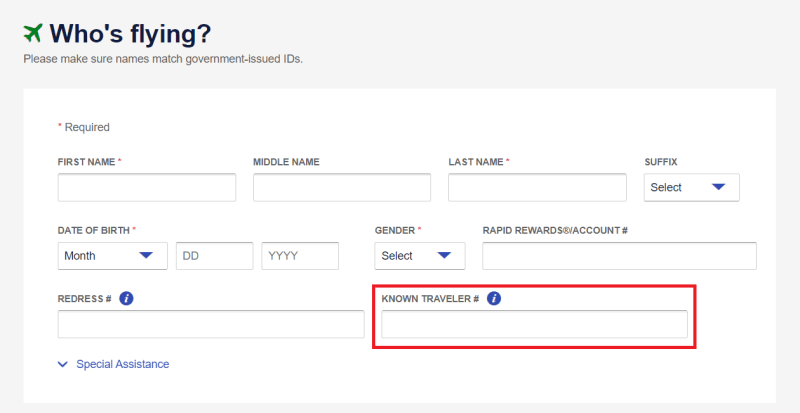
The process of verifying your status is fragmented across multiple platforms, each with its own quirks. Your PreCheck approval could be tied to a credit card reward, a standalone TSA application, or even a Global Entry application that auto-enrolled you. The TSA’s website, while functional, is notoriously user-unfriendly, and customer service responses can take days. Worse, the Known Traveler Number (KTN)—the unique identifier for PreCheck—isn’t always intuitive. It’s a 9-digit number that doesn’t appear on any official documentation unless you dig deep. Without it, you’re essentially flying blind.
Historical Background and Evolution
TSA PreCheck launched in 2009 as a pilot program under the Trusted Traveler Program, designed to expedite security for low-risk travelers. Initially, it was a rare perk reserved for frequent flyers who could afford the $85 fee (or earn it through credit card rewards). Over time, the program expanded, absorbing the benefits of other trusted traveler initiatives like CLEAR and Global Entry’s automatic PreCheck enrollment. By 2023, the TSA processed over 1.1 billion PreCheck screenings annually, making it one of the most utilized travel benefits in the U.S.
The evolution of PreCheck reflects broader shifts in airport security. Post-9/11, the TSA prioritized risk mitigation over efficiency, leading to lengthy lines and strict protocols. PreCheck was a countermeasure—a way to reward compliant travelers while maintaining security. However, the program’s growth has outpaced its transparency. Early adopters received physical letters confirming their status, but as digital enrollment became standard, the lack of visible confirmation created confusion. Today, the onus is on travelers to proactively verify their status, a task that’s easier said than done.
Core Mechanisms: How It Works
At its core, TSA PreCheck operates on a risk-based model. Approved travelers undergo a background check and interview, after which their data is flagged in the TSA’s systems. When you check in for a flight, the airline transmits your booking details to the TSA, which then checks your status. If approved, you’re directed to a PreCheck lane, where the process is reduced to a simple ID check and a pat-down (no laptop or liquid removal). The magic happens in the background: your Known Traveler Number (KTN) is the key that unlocks this privilege.
The catch? Your KTN isn’t something you’ll find on a receipt or email. It’s a 9-digit number assigned upon approval, and it’s your only proof of status. Without it, you’re invisible to the TSA’s systems. This is why so many travelers face surprises at security—because they assumed their approval was sufficient, only to realize they never received the critical KTN. The TSA’s website and mobile app are the primary tools for retrieval, but navigating them requires patience. For those who applied through Global Entry, the KTN is often tied to that account, adding another layer of complexity.
Key Benefits and Crucial Impact
TSA PreCheck isn’t just about saving time—it’s about reclaiming control over your travel experience. The average traveler spends 10–15 minutes in standard security, while PreCheck reduces that to under 5 minutes. For frequent flyers, the time saved adds up to hours annually. But the benefits extend beyond efficiency. PreCheck also eliminates the stress of forgotten items (no more digging through your bag for liquids) and the indignity of being pulled aside for additional screening. It’s a small fee for a significant upgrade in travel quality.
The impact of PreCheck is measurable. Airlines report higher satisfaction among PreCheck users, and airports see reduced congestion in dedicated lanes. Yet, despite its clear advantages, the program’s lack of transparency remains a persistent pain point. Travelers who don’t verify their status risk wasted time and frustration. The solution? A proactive approach to confirmation, using every available tool to ensure your KTN is ready when you are.
"TSA PreCheck is the closest thing to a VIP pass in air travel—if you can prove you have it." — Former TSA Officer, Anonymous
Major Advantages
- Time Savings: PreCheck lanes process travelers in under 5 minutes, compared to 15+ minutes in standard screening.
- Convenience: No need to remove shoes, laptops, or liquids from bags (with exceptions for prohibited items).
- Global Entry Integration: If you have Global Entry, you automatically get PreCheck, but you still need your KTN to use it.
- Credit Card Perks: Many premium cards (e.g., Chase Sapphire, Amex Platinum) offer free PreCheck enrollment as a benefit.
- Peace of Mind: No last-minute surprises at security—your status is verified in advance.
Comparative Analysis
| TSA PreCheck | Global Entry |
|---|---|
| Standalone program; $85 fee (or free via credit cards). | Includes PreCheck + U.S. Customs expedited entry; $100 fee. |
| Known Traveler Number (KTN) required for verification. | KTN is tied to Global Entry account; no separate number needed. |
| No physical confirmation; digital only. | Physical welcome kit with confirmation letter. |
| Best for domestic travel; works at most U.S. airports. | Best for international travel; includes TSA PreCheck benefits. |
Future Trends and Innovations
The future of TSA PreCheck lies in deeper integration with biometric technology. The TSA has already tested facial recognition in PreCheck lanes, and while it’s not yet widespread, it’s a sign of things to come. Imagine walking up to a kiosk, having your face scanned, and being automatically directed to the correct lane—no KTN required. This shift would eliminate the current reliance on manual verification, reducing errors and speeding up the process further.
Another trend is the expansion of PreCheck-like benefits to more travelers. Airlines are pushing for broader adoption, and some have experimented with "virtual PreCheck" lanes where travelers pre-clear security online. While these innovations are still in testing phases, they hint at a future where the need to know if you have PreCheck becomes obsolete—because the system will know for you. Until then, travelers must remain vigilant, using every available method to confirm their status before they fly.
Conclusion
TSA PreCheck is a double-edged sword: it offers unparalleled convenience, but only if you’ve secured it properly. The lack of a physical confirmation creates a knowledge gap that leads to avoidable stress at the airport. The good news? With the right tools and a little preparation, verifying your status is straightforward. Whether you applied directly, through Global Entry, or via a credit card, there’s a way to confirm your approval—and avoid the dreaded "Why aren’t you in the PreCheck line?" moment.
The key takeaway is this: don’t assume. The TSA’s systems are complex, and your approval might be hidden in a digital corner you’ve never explored. Take 10 minutes before your trip to check your status, retrieve your KTN, and save yourself the hassle. In an era where every minute counts, knowing for certain that you have TSA PreCheck is the ultimate travel hack.
Comprehensive FAQs
Q: How do I find my Known Traveler Number (KTN) if I have TSA PreCheck?
A: Your KTN is the only proof of your PreCheck status. To find it, log in to the TSA PreCheck portal or use the TSA Mobile App. If you applied through Global Entry, check your account there. If you’re unsure, contact TSA PreCheck customer service at 1-866-347-8371.
Q: What if I applied for PreCheck but never got a confirmation?
A: Unlike Global Entry, TSA PreCheck doesn’t send physical letters. Approval is added to your TSA account, but you must log in to verify. If you don’t see a confirmation, your application may still be pending or denied. Check the status in the TSA portal or call customer service.
Q: Can I use TSA PreCheck if I got it through a credit card reward?
A: Yes, but you must enroll separately. Credit cards (e.g., Chase Sapphire, Amex Platinum) often cover the $85 fee, but you still need to apply through the TSA website. Your KTN will be linked to your TSA account, not the credit card. Always confirm your status before flying.
Q: Does TSA PreCheck work at all airports?
A: PreCheck is available at over 200 U.S. airports, but not all airlines participate. Check the TSA’s list of participating airlines before your trip. If your airline isn’t listed, you won’t be able to use PreCheck, even with a valid KTN.
Q: What happens if I forget my KTN at the airport?
A: If you don’t have your KTN, you’ll be directed to standard security. There’s no way to retrieve it on-site, so always save it in your phone or travel documents. As a backup, write it down and keep it with your boarding pass.
Q: Is TSA PreCheck worth the cost for occasional travelers?
A: For those who fly less than 4 times a year, the $85 fee may not be justified. However, if you’re a frequent flyer or value time savings, the cost is minimal compared to the hours saved annually. Weigh the frequency of your travel against the fee before deciding.
Q: Can I use TSA PreCheck for international flights?
A: PreCheck is only valid for U.S. domestic flights. For international travel, Global Entry (which includes PreCheck) is more useful, as it also expedites U.S. Customs re-entry. If you’re flying abroad, ensure you have the correct program for your needs.
Q: How long does TSA PreCheck approval last?
A: PreCheck approval is valid for 5 years from the date of approval. If your status expires, you’ll need to reapply. Set a reminder to check your expiration date in the TSA portal before it lapses.
Q: What if I’m approved for Global Entry but don’t see PreCheck in my account?
A: Global Entry approval automatically includes PreCheck, but you must use the same KTN for both. If you’re unsure, log in to your Global Entry account—your KTN will be listed there. You can also check the TSA portal to confirm.
Leave a Comment
Comments are moderated before appearing. The data you submit is processed according to the Privacy Policy of versiliasolutions.oneagency.co.