The Art of Perfect Sticky Rice: How to Make Sticky Rice Like a Pro
Table of Contents
- The Complete Overview of How to Make Sticky Rice
- Historical Background and Evolution
- Core Mechanisms: How It Works
- Key Benefits and Crucial Impact
- Major Advantages
- Comparative Analysis
- Future Trends and Innovations
- Conclusion
- Comprehensive FAQs
- Q: Can I substitute sticky rice for regular rice in recipes?
- Q: Why does my sticky rice turn out mushy?
- Q: Do I need a bamboo steamer to make sticky rice?
- Q: How long can I store cooked sticky rice?
- Q: Can I make sticky rice without soaking it first?
- Q: What’s the difference between glutinous rice and sticky rice?
- Q: How do I prevent sticky rice from drying out?
- Q: Can I use sticky rice for sushi?
- Q: What’s the best way to serve sticky rice?
- Q: Are there different varieties of sticky rice?
Sticky rice isn’t just a side dish—it’s a cultural cornerstone, a culinary masterpiece, and the foundation of countless meals across Southeast Asia. The way it clings together, its delicate chew, and its ability to absorb flavors without losing its structure make it a staple in Thai khao tom, Vietnamese bánh giầy, and Japanese mochi. But perfecting it requires more than just boiling grains; it demands precision in water ratios, soaking times, and cooking techniques. Many home cooks struggle with clumping, undercooked centers, or overly mushy results—mistakes that turn a simple recipe into a frustrating experiment.
The key to mastering sticky rice lies in understanding its unique properties. Unlike regular rice, sticky rice (or glutinous rice) contains a higher proportion of amylopectin, a starch that binds grains together when cooked. This same property makes it ideal for wrapping in leaves, stuffing into dumplings, or serving as a canvas for sweet and savory toppings. Yet, despite its versatility, the process of how to make sticky rice remains shrouded in mystery for those unfamiliar with its nuances. Whether you’re preparing a traditional khao niao for a feast or experimenting with modern fusion dishes, the difference between a mediocre batch and a restaurant-quality result often comes down to technique.
For centuries, sticky rice has been more than sustenance—it’s a symbol of hospitality. In Laos, it’s served with every meal, accompanied by grilled meats and fresh herbs. In China, it’s transformed into sweet tangyuan for Lunar New Year celebrations. Even in the West, its popularity has surged as chefs and home cooks seek out its distinctive texture. But replicating this texture outside its native kitchens requires attention to detail: from selecting the right variety to controlling heat and steam. This guide cuts through the guesswork, offering a step-by-step breakdown of how to make sticky rice that’s both authentic and adaptable to your kitchen.
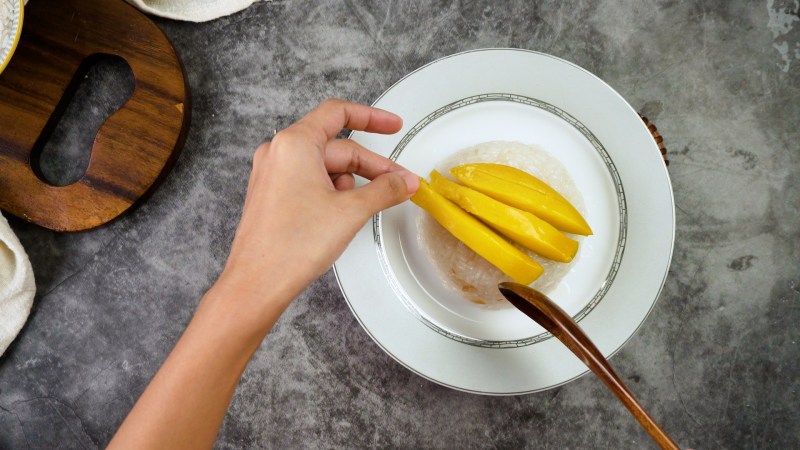
The Complete Overview of How to Make Sticky Rice
At its core, how to make sticky rice is a dance between science and tradition. The process hinges on three pillars: soaking, steaming, and resting. Unlike white or brown rice, which relies on absorption during cooking, sticky rice requires a prolonged soak to soften the grains and allow starches to hydrate evenly. Skipping this step results in uneven cooking—some grains firm, others mushy. The steaming phase, often conducted in a bamboo steamer or a specialized rice cooker, ensures the grains cook uniformly without drying out. Finally, resting the rice after cooking locks in moisture, preventing it from turning gummy or crumbly.The beauty of sticky rice lies in its adaptability. It can be served plain as a side, sweetened with coconut milk and pandan, or incorporated into savory dishes like khao soi or nasi lemak. Yet, its preparation is deceptively simple, masking a series of critical variables: water temperature, soaking duration, and steam consistency. A miscalculation in any of these can turn a promising batch into a culinary misstep. For instance, using cold water for soaking may lead to undercooked centers, while over-soaking can cause the grains to split. The solution? A balance of patience and precision—qualities that elevate sticky rice from a basic recipe to a labor of love.
Historical Background and Evolution
Sticky rice traces its origins to Southeast Asia, where it became a dietary staple due to its high energy content and ease of preservation. Archaeological evidence suggests that glutinous rice varieties were cultivated as early as 3000 BCE in what is now Thailand and Myanmar, thriving in the region’s tropical climate. Unlike upland rice, which requires more labor-intensive farming, sticky rice could be grown in flooded fields, making it a practical choice for agrarian societies. Its cultural significance grew alongside its agricultural importance; in many communities, sticky rice was (and still is) used in rituals, from wedding ceremonies to funeral rites.The spread of sticky rice beyond its birthplace was tied to trade and migration. Chinese merchants introduced it to southern China, where it became a key ingredient in festive dishes like zongzi (sticky rice dumplings). Meanwhile, Thai and Lao cuisines refined techniques for cooking it over open flames or in bamboo steamers, preserving its texture while infusing it with smoky flavors. In modern times, the globalized food industry has popularized sticky rice in fusion cuisine, from sushi rolls to dessert-inspired dishes like mango sticky rice. Yet, at its heart, the method for how to make sticky rice remains rooted in tradition—adapted, yes, but never abandoned.
Core Mechanisms: How It Works
The science behind sticky rice begins with its botanical classification. Unlike regular rice, which is classified as Oryza sativa (non-glutinous), sticky rice belongs to a glutinous variant with a higher amylopectin content. This starch gives the rice its characteristic stickiness when cooked, as the molecules align and bind when heated. The soaking phase is critical: it allows the grains to absorb water, reducing cooking time and preventing uneven doneness. Without soaking, the outer layer of rice hardens before the center softens, leading to a mix of textures.Steaming, the next step in how to make sticky rice, leverages indirect heat to cook the grains gently. Direct boiling can cause the rice to overcook or split, while steaming retains its shape and moisture. The ideal steam environment—consistent temperature and humidity—is achieved by using a bamboo steamer or a rice cooker with a tight-fitting lid. The resting period after cooking is equally vital; it allows residual steam to redistribute, ensuring each grain is perfectly tender. This multi-step process transforms raw rice into a dish that’s both simple and sophisticated.
Key Benefits and Crucial Impact
Sticky rice is more than a carbohydrate source—it’s a culinary chameleon. Its neutral flavor and cohesive texture make it a blank slate for both sweet and savory applications. In Thai cuisine, it’s the vessel for gaeng som (sour curry), while in Vietnam, it’s rolled into bánh tét for Tet celebrations. Beyond its versatility, sticky rice offers practical advantages: it’s easier to digest than regular rice, making it a staple in diets across Asia. Its long shelf life when dried also made it a reliable food source for travelers and soldiers throughout history.The cultural impact of sticky rice extends beyond the kitchen. In Laos, sharing a bowl of sticky rice symbolizes unity, while in China, it’s tied to prosperity during the Lunar New Year. Even in contemporary settings, its presence at family gatherings or festive banquets underscores its role as a unifying element. For home cooks, learning how to make sticky rice is a gateway to exploring global cuisines—each variation offering a glimpse into the traditions of the people who perfected it.
"Sticky rice is not just food; it’s memory, it’s history, it’s the heartbeat of a culture." — Thai culinary historian Somchai Prapapan
Major Advantages
- Versatility: Adaptable to both sweet (e.g., mango sticky rice) and savory dishes (e.g., khao tom), making it a cornerstone of Asian cuisine.
- Texture Control: When cooked correctly, it achieves a perfect balance between chewy and tender, unlike regular rice which can turn mushy.
- Nutritional Balance: Higher in resistant starch than white rice, aiding digestion and providing sustained energy.
- Cultural Significance: Integral to rituals, festivals, and daily meals in Southeast Asia, preserving traditions through food.
- Long Shelf Life: Dried sticky rice can be stored for months, making it a practical food choice for preservation.
Comparative Analysis
| Sticky Rice | Regular White Rice |
|---|---|
| Higher amylopectin content; grains stick together when cooked. | Lower amylopectin; grains remain separate unless overcooked. |
| Requires soaking and steaming for optimal texture. | Cooked via boiling or absorption method; no soaking needed. |
| Ideal for wrapping, stuffing, or serving as a base for bold flavors. | Better suited for grain-based dishes like pilafs or fried rice. |
| Common in Southeast Asian, Chinese, and Pacific Islander cuisines. | Global staple, found in nearly every cuisine. |

Future Trends and Innovations
As global palates diversify, sticky rice is evolving beyond its traditional roles. Health-conscious consumers are seeking out organic and non-GMO varieties, while chefs are experimenting with hybrid techniques—such as fermenting sticky rice for probiotic benefits or using it in plant-based protein alternatives. The rise of home rice cookers with specialized settings for glutinous rice has also democratized the process of how to make sticky rice, reducing the barrier to entry for beginners.Innovations in food technology may further transform sticky rice’s future. Lab-grown or cultured versions could address sustainability concerns, while 3D-printed sticky rice desserts might redefine its place in modern cuisine. Yet, despite these advancements, the core method—soaking, steaming, and resting—will likely remain unchanged, a testament to the timelessness of this humble grain.
Conclusion
Mastering how to make sticky rice is about more than following a recipe; it’s about respecting a tradition that spans millennia. The process demands patience, but the reward—a bowl of perfectly sticky, fragrant rice—is unmatched. Whether you’re replicating a family heirloom recipe or inventing a new fusion dish, the principles remain the same: balance, precision, and an appreciation for the craft.For those just starting, begin with the basics—soak the rice, steam it gently, and let it rest. As your confidence grows, experiment with flavors and techniques. After all, sticky rice isn’t just a dish; it’s a connection to cultures, histories, and the shared love of food.
Comprehensive FAQs
Q: Can I substitute sticky rice for regular rice in recipes?
A: No, sticky rice has a higher starch content and different cooking properties. It’s best used in dishes where its texture is essential, such as Thai khao tom or Vietnamese bánh giầy. For other recipes, regular rice is more versatile.
Q: Why does my sticky rice turn out mushy?
A: Over-soaking or insufficient steaming are common culprits. Ensure you soak the rice for 4–6 hours (not overnight) and steam it over medium heat until fully cooked but still slightly firm. Resting the rice after cooking also helps firm it up.
Q: Do I need a bamboo steamer to make sticky rice?
A: While bamboo steamers are traditional, a rice cooker with a tight lid or a metal colander over a pot of boiling water works just as well. The key is maintaining consistent steam without direct boiling.
Q: How long can I store cooked sticky rice?
A: Cooked sticky rice can be refrigerated for up to 3 days in an airtight container. For longer storage, freeze it for up to 3 months. Reheat gently with a splash of water to restore moisture.
Q: Can I make sticky rice without soaking it first?
A: Soaking is highly recommended to ensure even cooking and prevent uneven textures. However, if short on time, you can parboil the rice for 5–10 minutes before steaming, though the texture may not be as ideal.
Q: What’s the difference between glutinous rice and sticky rice?
A: They’re the same! "Glutinous" refers to the high amylopectin content, which makes the rice sticky when cooked. The terms are interchangeable in culinary contexts.
Q: How do I prevent sticky rice from drying out?
A: After cooking, let the rice rest in the steamer (off heat) for 10–15 minutes. Store it in a sealed container with a damp paper towel to retain moisture. Avoid reheating multiple times, as this accelerates drying.
Q: Can I use sticky rice for sushi?
A: Technically yes, but it’s not traditional. Japanese sushi rice is a short-grain variety with a different starch profile. Sticky rice lacks the slight stickiness needed for sushi rolls and may not hold together as well.
Q: What’s the best way to serve sticky rice?
A: It’s incredibly versatile! Serve it plain with a drizzle of coconut milk, pair it with curries, or use it in desserts like mango sticky rice. In Thailand, it’s often eaten with nam prik (chili dip) and grilled meats.
Q: Are there different varieties of sticky rice?
A: Yes, common varieties include Thai khao niao, Chinese nuo mi, and Filipino malagkit. Each may have slight texture differences, but the cooking method remains similar. Choose based on availability and intended use.
Leave a Comment
Comments are moderated before appearing. The data you submit is processed according to the Privacy Policy of versiliasolutions.oneagency.co.