Teaching Kids Project Skills: The Smart Way to Teach How to Project Management for Kids
Table of Contents
- The Complete Overview of Teaching Project Management to Children
- Historical Background and Evolution
- Core Mechanisms: How It Works
- Key Benefits and Crucial Impact
- Major Advantages
- Comparative Analysis
- Future Trends and Innovations
- Conclusion
- Comprehensive FAQs
- Q: At what age can children start learning project management?
- Q: What are the best tools for teaching project management to kids?
- Q: How can parents encourage project management without it feeling like work?
- Q: What role does failure play in teaching project management to kids?
- Q: How can schools incorporate project management into the curriculum?
- Q: Are there any famous examples of kids using project management?
Project management isn’t just for boardrooms—it’s a skill set that can transform how children approach challenges, from school assignments to creative hobbies. The ability to plan, execute, and reflect is a foundation for success in adulthood, yet few parents or educators recognize how early these habits can be nurtured. Studies in cognitive development show that children as young as six can grasp basic project management concepts when framed in engaging, age-appropriate ways. The key lies in breaking down complex processes into digestible steps, leveraging their natural curiosity, and tying lessons to activities they already enjoy.
Many assume that teaching how to project management for kids requires formal training or expensive tools, but the most effective methods rely on simplicity and repetition. A child’s first "project" might be building a fort or organizing a lemonade stand—both require the same core principles as adult project management: goal-setting, resource allocation, and problem-solving. The difference is in the delivery: instead of spreadsheets and Gantt charts, kids thrive with visual aids, storytelling, and hands-on experimentation. This approach doesn’t just teach them to manage tasks; it builds resilience, creativity, and a growth mindset.
The misconception that project management is a dry, corporate skill couldn’t be further from the truth. When introduced correctly, it becomes a playground for young minds—one where they learn to turn ideas into reality. Whether it’s planning a birthday party, designing a science fair experiment, or leading a group art project, children are already practicing how to project management for kids without realizing it. The challenge for adults is to recognize these moments, scaffold the learning, and provide the right guidance to elevate their natural abilities into structured, transferable skills.
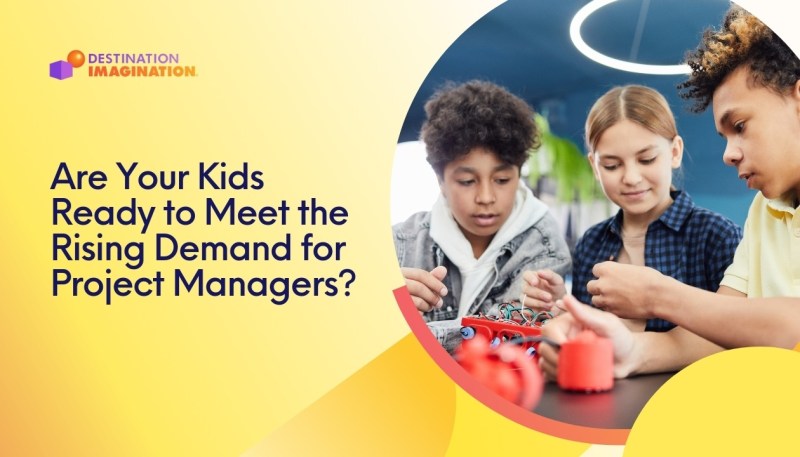
The Complete Overview of Teaching Project Management to Children
Project management for children isn’t about replicating adult workflows; it’s about instilling habits that will serve them for life. At its core, this skill set involves teaching kids to break down large tasks into smaller, manageable steps, allocate resources (time, materials, teamwork), and evaluate outcomes. The goal isn’t to create mini CEOs but to foster independence, critical thinking, and adaptability—qualities that are increasingly valuable in an unpredictable world. Research from the Harvard Graduate School of Education highlights that children who develop these skills early are more likely to persist through challenges, collaborate effectively, and innovate in their studies and future careers.The beauty of how to project management for kids lies in its versatility. It can be applied to academic projects, extracurricular activities, or even personal goals like saving money for a toy. The key is to make the process intuitive. For example, a child planning a school presentation might start by listing what they need (research, slides, props) and then mapping out a timeline. This mirrors the way professionals use project management frameworks, but the language and tools are tailored to their developmental stage. Tools like sticky notes, color-coded charts, or digital apps (with adult supervision) can make the process interactive and fun, reinforcing that project management is a creative endeavor, not a chore.
Historical Background and Evolution
The concept of teaching organizational skills to children isn’t new. Historian Ellen Winner’s work on gifted education in the 1990s revealed that even young children could benefit from structured planning techniques, particularly in creative fields like art and music. However, it wasn’t until the 2000s that educators began to formalize how to project management for kids as a standalone skill set, influenced by the rise of digital tools and the growing emphasis on STEM (Science, Technology, Engineering, and Mathematics) education. Schools started incorporating project-based learning (PBL) into curricula, where students would tackle real-world problems—like designing a sustainable city or organizing a community event—using project management principles.Today, the evolution of how to project management for kids is being shaped by neuroscience and behavioral psychology. Studies in developmental psychology, such as those by Dr. Angela Duckworth (author of Grit), have shown that children who learn to set incremental goals and track progress develop greater perseverance. Meanwhile, the gamification of project management—through apps like Trello for Kids or educational platforms like Scratch—has made the process more accessible. The shift from traditional teaching methods to interactive, tech-integrated approaches reflects a broader understanding that children learn best when they’re actively engaged in the process, not passively receiving instructions.
Core Mechanisms: How It Works
The mechanics of teaching how to project management for kids revolve around three pillars: visualization, iteration, and reflection. Visualization involves breaking down projects into tangible, often visual, components. For instance, a child planning a treehouse might start by sketching a blueprint, listing materials, and assigning roles to siblings or friends. This step-by-step approach mirrors agile project management methodologies used in tech and business, where tasks are divided into sprints. The difference is that kids’ projects are typically shorter and more flexible, allowing for quick adjustments if something goes wrong.Iteration is where the magic happens. Children learn that projects rarely go as planned, and that’s okay. If a science experiment fails, they can adjust the variables and try again—this mirrors the agile principle of "fail fast, learn faster." Reflection, the third pillar, involves discussing what worked, what didn’t, and how they’d improve next time. This habit of self-assessment is critical; it teaches kids to view challenges as opportunities to grow rather than obstacles. Tools like "project journals" or simple checklists help reinforce these mechanisms, making the process feel less like work and more like a natural part of learning.
Key Benefits and Crucial Impact
The impact of teaching how to project management for kids extends far beyond completing assignments on time. It equips children with a mental framework for tackling any challenge, from academic projects to personal goals. According to a 2022 study by the University of Cambridge, children who engage in structured project-based learning show significant improvements in problem-solving, communication, and teamwork—skills that are highly valued in the modern workforce. Moreover, these children are more likely to develop a growth mindset, where they see effort as a path to mastery rather than innate talent. In an era where automation is reshaping industries, the ability to manage complex tasks creatively is one of the most valuable skills a child can acquire.Beyond academics, how to project management for kids fosters independence and confidence. When a child successfully plans and executes a project—whether it’s organizing a family picnic or coding a simple game—they experience a sense of accomplishment that boosts self-esteem. This confidence translates into other areas of life, from social interactions to future careers. Parents and educators who introduce these concepts early are essentially giving children a "skill multiplier," where the ability to manage one project makes it easier to manage the next.
> "Project management for children isn’t about creating little managers; it’s about teaching them to think like builders, creators, and problem-solvers. The goal is to turn their curiosity into actionable plans." — Dr. Carol Dweck, Stanford University
Major Advantages
- Enhanced Academic Performance: Children who use project management techniques are better at meeting deadlines, organizing study materials, and breaking down complex assignments into manageable parts. This reduces procrastination and stress, leading to higher grades.
- Development of Soft Skills: Project management inherently involves communication, collaboration, and negotiation—skills that are critical in both personal and professional relationships. Kids learn to delegate, give feedback, and work as part of a team.
- Creativity and Innovation: By encouraging children to experiment and iterate, project management fosters a creative mindset. They learn that there’s often more than one way to solve a problem, which is a hallmark of innovative thinking.
- Financial Literacy Foundations: Planning a project often involves budgeting, whether it’s saving allowance for a toy or calculating costs for a bake sale. This introduces basic financial concepts in a practical, engaging way.
- Resilience and Adaptability: Projects rarely go perfectly, and teaching kids to adjust mid-stream builds resilience. They learn that setbacks are part of the process and that persistence leads to better outcomes.
Comparative Analysis
| Traditional Teaching Methods | Project-Based Learning (PBL) |
|---|---|
| Focuses on memorization and standardized tests. | Encourages hands-on, experiential learning through real-world projects. |
| Lacks application of skills to practical scenarios. | Teaches how to project management for kids by having them apply concepts to tangible goals. |
| Limited collaboration; often individual-based. | Promotes teamwork, communication, and shared responsibility. |
| Assessment is typically through exams or quizzes. | Assessment includes self-reflection, peer feedback, and project outcomes. |

Future Trends and Innovations
The future of how to project management for kids is being shaped by advancements in technology and a deeper understanding of child development. Artificial intelligence and machine learning are already being integrated into educational tools, such as adaptive learning platforms that personalize project-based challenges for children. For example, AI-powered apps could analyze a child’s progress on a project and suggest adjustments in real time, much like a coach would. Additionally, virtual reality (VR) and augmented reality (AR) are opening new avenues for immersive project-based learning, where kids can "build" and test ideas in a digital sandbox before applying them in the real world.Another emerging trend is the fusion of project management with social-emotional learning (SEL). Future curricula may emphasize not just the mechanics of planning and execution but also the emotional intelligence required to handle stress, conflict, and failure. Tools like "emotion trackers" within project management apps could help children monitor their moods and adjust their approach accordingly. As remote and hybrid learning models become more common, how to project management for kids will also evolve to include digital collaboration skills, such as using cloud-based tools to work with peers across different locations. The goal is to prepare children not just for academic success but for a rapidly changing world where adaptability and digital literacy are paramount.
Conclusion
Teaching how to project management for kids isn’t about creating miniature adults who follow rigid processes—it’s about empowering children to turn their ideas into reality with confidence and creativity. The methods may vary—from low-tech sticky notes to high-tech AI assistants—but the core principles remain the same: break down goals, allocate resources, iterate, and reflect. The earlier these habits are instilled, the more natural they become, shaping a child’s approach to challenges for life.For parents and educators, the key is to start small and make it fun. Whether it’s planning a backyard campout or designing a model city, every project is an opportunity to teach valuable lessons. By integrating how to project management for kids into daily life, we’re not just helping them with homework or chores—we’re giving them the tools to navigate an uncertain future with resilience, innovation, and clarity.
Comprehensive FAQs
Q: At what age can children start learning project management?
Children as young as 3–5 can begin developing basic project management skills through simple activities like sorting toys or following a recipe. By ages 6–8, they can start planning small projects with guidance, such as organizing a playdate or building a fort. The key is to match the complexity of the project to their cognitive and motor skills.
Q: What are the best tools for teaching project management to kids?
The best tools are those that align with a child’s interests and developmental stage. For younger kids (5–8), visual aids like color-coded charts, sticky notes, or picture-based planners work well. Older kids (9–12) may benefit from digital tools like Trello (simplified for kids), Google Keep, or even spreadsheets for budgeting. The goal is to keep it interactive—apps like Scratch for coding projects or Minecraft for collaborative building can also serve as project management platforms.
Q: How can parents encourage project management without it feeling like work?
Frame projects as adventures or challenges rather than tasks. For example, instead of saying, "Clean your room," try, "Let’s design a treasure map for your toys—what’s the first step?" Use storytelling to explain concepts (e.g., "This is like a pirate planning a voyage!"). Gamify the process with rewards for milestones, but ensure the focus remains on the learning experience, not just the outcome.
Q: What role does failure play in teaching project management to kids?
Failure is a critical component—it teaches children that projects rarely go perfectly and that adaptation is key. Encourage them to ask, "What didn’t work, and how can we fix it?" For example, if a science experiment fails, discuss what might have gone wrong (e.g., incorrect measurements) and how to adjust. Normalize failure as part of the process and celebrate the learning, not just the success.
Q: How can schools incorporate project management into the curriculum?
Schools can integrate project management by adopting project-based learning (PBL) across subjects. For instance, a history project could involve researching and planning a "museum exhibit" for a class topic. Math projects might include budgeting for a class event, while science projects could focus on designing and testing prototypes. Teachers can also use rubrics to assess not just the final product but the process—such as planning, collaboration, and reflection.
Q: Are there any famous examples of kids using project management?
Yes! One notable example is William Kamkwamba, who at age 14 used project management principles to design a windmill from scrap materials to power his family’s home in Malawi. His story highlights how planning, resourcefulness, and persistence can turn ideas into reality. Closer to home, many child inventors and entrepreneurs—like the young founders of companies like GoldieBlox—started by managing small projects that grew into larger ventures.
Leave a Comment
Comments are moderated before appearing. The data you submit is processed according to the Privacy Policy of versiliasolutions.oneagency.co.