Navigating the Maze: Mastering Immigration Forms, Registration Business, and Legal Documents
Table of Contents
- The Complete Overview of Immigration Forms, Registration, and Legal Documents
- Historical Background and Evolution
- Core Mechanisms: How It Works
- Key Benefits and Crucial Impact
- Major Advantages
- Comparative Analysis
- Future Trends and Innovations
- Conclusion
- Comprehensive FAQs
- Q: What are the most common mistakes in filing immigration forms ?
- Q: How do business registration documents affect immigration status?
- Q: Can immigration forms be expedited in urgent cases?
- Q: What happens if a legal document is lost or delayed?
- Q: How often should immigration forms and registration documents be reviewed?
- Q: Are there regional differences in immigration forms registration business articles legal documents ?
The labyrinth of immigration forms registration business articles legal documents is a critical juncture for entrepreneurs, expatriates, and legal professionals alike. Whether you're launching a startup in a foreign market, relocating for work, or navigating visa requirements, the interplay between bureaucratic paperwork and business operations can make or break opportunities. Missteps in this domain—whether due to outdated regulations, linguistic barriers, or procedural gaps—often result in costly delays, legal risks, or even denied applications. The stakes are higher than ever, as global mobility trends reshape economies and labor markets, demanding precision in every submitted form, registration, and supporting legal document.
Yet, despite its complexity, the system governing immigration forms registration business articles legal documents follows a structured logic. From the moment an applicant files an initial visa petition to the final business license approval, each step is governed by specific legal frameworks, administrative protocols, and institutional oversight. The challenge lies not just in understanding these requirements but in anticipating how they evolve—whether through policy shifts, technological integration, or geopolitical changes. For businesses, this means aligning operational strategies with immigration compliance; for individuals, it translates to meticulous preparation to avoid administrative pitfalls.
The intersection of immigration law and commercial activity has never been more dynamic. While governments tighten border controls in response to economic pressures, businesses and individuals increasingly rely on specialized immigration forms registration business articles legal documents to bridge legal and operational gaps. This duality creates a high-stakes environment where accuracy, timing, and strategic foresight are non-negotiable. The following exploration dissects the mechanics, historical context, and future trajectory of this critical domain, equipping readers with the knowledge to navigate it effectively.

The Complete Overview of Immigration Forms, Registration, and Legal Documents
The ecosystem of immigration forms registration business articles legal documents operates at the crossroads of public policy and private enterprise. At its core, it encompasses three primary pillars: immigration documentation, which governs entry, residency, and work authorization; business registration, which formalizes commercial operations in foreign jurisdictions; and legal articles and compliance, which ensure adherence to local and international laws. These elements are interdependent—failure in one area (e.g., an incomplete visa application) can derail the entire process, from securing a work permit to obtaining a business license.
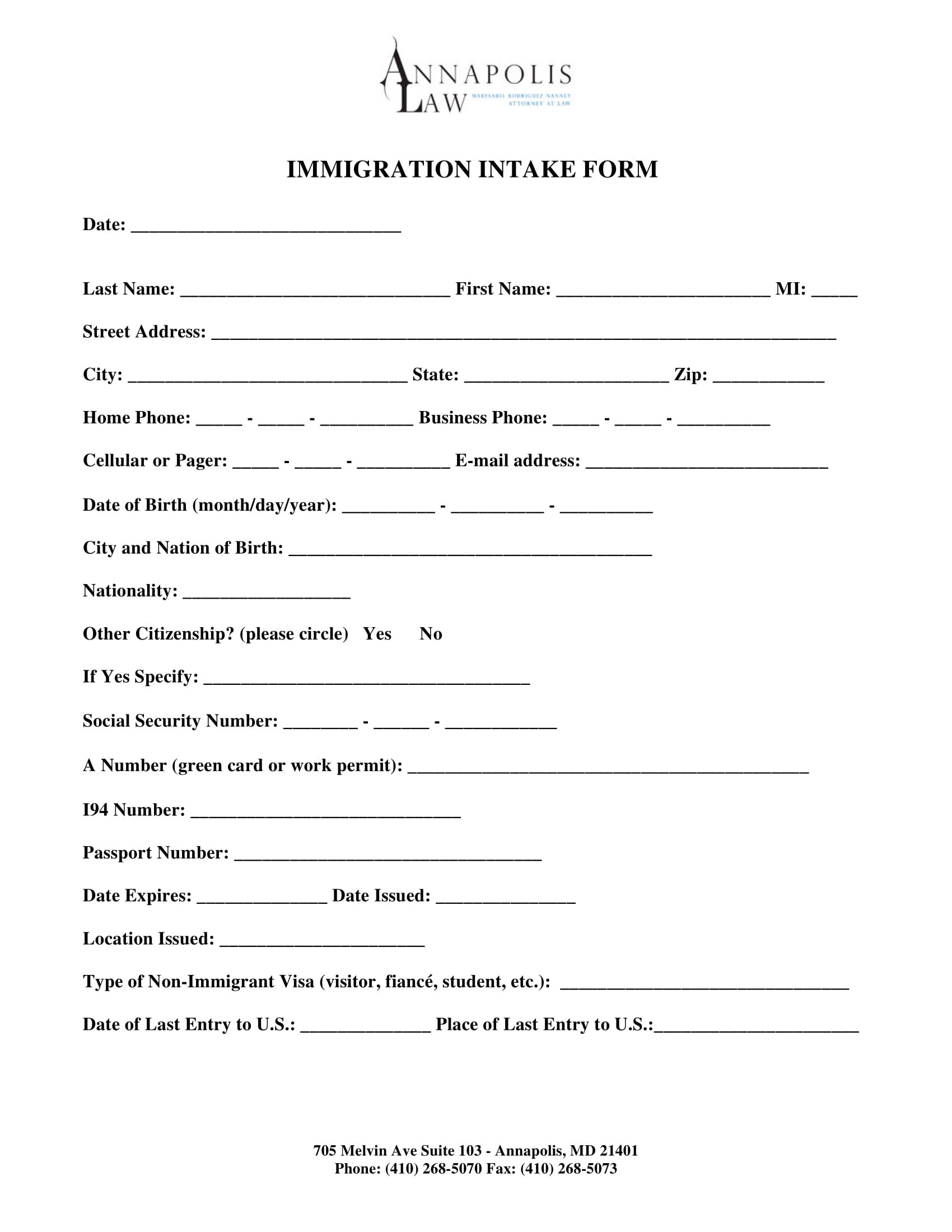
What distinguishes this field today is its hybrid nature. Traditionally, immigration and business registration were treated as separate administrative functions, but modern globalization has blurred these lines. For instance, a tech startup founder applying for an EB-2 visa (a U.S. employment-based green card) must simultaneously navigate immigration forms (like the I-140 petition) and business registration documents (such as articles of incorporation in Delaware). The overlap requires a holistic approach, where legal counsel, immigration experts, and business advisors collaborate to ensure seamless integration. This interconnectedness is why errors in one domain—such as an incorrectly filed Form I-526E for investor visas—can trigger cascading delays across the entire registration process.
Historical Background and Evolution
The modern framework for immigration forms registration business articles legal documents emerged from a century of legislative and judicial developments. Early 20th-century immigration laws, such as the 1924 Johnson-Reed Act in the U.S., established quotas based on nationality, creating a tiered system that prioritized certain skilled workers and investors. These policies laid the groundwork for later reforms, including the 1965 Immigration and Nationality Act, which abolished national-origin quotas and introduced preference categories for professionals and entrepreneurs—a cornerstone of today’s employment-based immigration system.
Parallel to these legal shifts, the rise of multinational corporations in the late 20th century accelerated the demand for streamlined business registration and immigration documentation. Countries like Singapore and Dubai became global hubs by offering expedited visa processes (e.g., the EntrePass in Singapore) alongside business-friendly registration frameworks. The digital revolution further transformed the landscape: governments now rely on electronic immigration forms (e.g., U.S. Citizenship and Immigration Services’ ELIS system) and blockchain-based document verification to enhance efficiency and reduce fraud. Yet, despite these advancements, the core principles remain unchanged—clarity, consistency, and compliance are the bedrock of any successful application.
Core Mechanisms: How It Works
The process of managing immigration forms registration business articles legal documents begins with a clear understanding of the jurisdiction’s legal requirements. For example, in the U.S., an L-1 visa (for intracompany transferees) requires Form I-129 filed by the employer, accompanied by legal articles of association proving the company’s structure. Meanwhile, in the EU, the Blue Card system mandates a recognized qualification and a labor market test, with supporting documents like a work permit registration certificate from the host country. Each step—from initial submission to final approval—is governed by specific deadlines, evidentiary standards, and administrative reviews.
Technology now plays a pivotal role in automating parts of this process. Artificial intelligence-driven immigration forms (e.g., Canada’s Express Entry system) use algorithms to score applicants based on predefined criteria, while digital business registration portals (like India’s MCA21) allow real-time tracking of document statuses. However, human oversight remains critical, particularly when interpreting complex legal articles or resolving discrepancies in submitted materials. For instance, a minor error in a Form I-140 (e.g., an outdated job description) can trigger a Request for Evidence (RFE), prolonging the approval timeline by months. This underscores the need for a dual approach: leveraging technology for efficiency while maintaining rigorous manual review for accuracy.
Key Benefits and Crucial Impact
The strategic management of immigration forms registration business articles legal documents offers tangible advantages for both individuals and businesses. For entrepreneurs, securing the right visa or residency permit unlocks access to global talent pools, tax incentives, and market expansion opportunities. For employees, proper documentation ensures legal work authorization, protecting against exploitation or deportation risks. Beyond compliance, these processes enable economic integration—whether through foreign direct investment, remote work arrangements, or cross-border professional collaborations. The ripple effects extend to national economies, where skilled immigration fuels innovation and addresses labor shortages.
Yet, the benefits are contingent on adherence to evolving regulations. A single oversight—such as failing to update business registration documents after a corporate restructuring—can invalidate an otherwise compliant immigration application. This interdependence highlights why stakeholders must treat legal documents as dynamic assets, subject to periodic audits and updates. The following quote from a senior immigration attorney encapsulates this perspective:
"Immigration and business registration are not isolated silos; they are two sides of the same coin. A misaligned visa strategy can cripple a company’s growth, just as an outdated business license can void a residency permit. The key is treating them as a unified system—where each document, form, and legal article serves a dual purpose: compliance and opportunity."
Major Advantages
- Legal Protection: Properly filed immigration forms and business registration documents shield applicants from deportation, fines, or criminal charges for unauthorized work. For example, an E-2 visa holder in the U.S. must maintain active business operations; failure to do so risks visa revocation.
- Operational Flexibility: Documents like the Form I-526E (for EB-5 investors) or the EU Long-Term Resident Permit enable holders to relocate, hire foreign workers, or access banking privileges in multiple jurisdictions, enhancing business agility.
- Investment Incentives: Many countries offer golden visas or investor residency programs (e.g., Portugal’s D7 Visa) in exchange for capital investments, providing a direct link between immigration documentation and economic growth.
- Reputation and Trust: Businesses with up-to-date legal articles and registration certificates project credibility to clients, investors, and regulatory bodies, reducing the risk of audits or reputational damage.
- Future-Proofing: Proactive management of immigration forms (e.g., renewing a Green Card before expiration) prevents last-minute disruptions, ensuring continuity in both personal and professional endeavors.
Comparative Analysis
The requirements for immigration forms registration business articles legal documents vary significantly by country, reflecting diverse legal philosophies and economic priorities. Below is a comparative overview of four major jurisdictions:
| Criteria | United States | European Union | Singapore | United Arab Emirates |
|---|---|---|---|---|
| Primary Visa Categories for Business | EB-1 (Extraordinary Ability), L-1 (Intracompany Transfer), EB-5 (Investor) | Blue Card (Skilled Workers), Self-Employment Visa, Investor Visa | Employment Pass (EP), EntrePass (Entrepreneurs), Global Investor Programme (GIP) | Investor Visa (Dubai), Freelance Permit, Golden Visa (UAE) |
| Key Immigration Forms | Form I-140 (Immigrant Petition), Form I-485 (Adjustment of Status) | EU Long-Stay Visa Application, Residence Permit Application | Work Pass Application (via MOM), EntrePass Application | Investor Visa Application (via Dubai Economy), Freelance License |
| Business Registration Requirements | Articles of Incorporation (State-Specific), EIN (Employer Identification Number) | Company Registration (Local Chamber of Commerce), VAT Compliance | ACRA Registration, Business Profile Submission | Trade License (Dubai Department of Economic Development), MOA (Memorandum of Association) |
| Processing Time (Approx.) | 6–12 months (EB-1), 1–3 months (L-1) | 1–3 months (Blue Card), 2–6 months (Investor Visa) | 2–4 weeks (EP), 3–6 months (EntrePass) | 1–2 weeks (Investor Visa), 1–3 months (Freelance Permit) |
This table illustrates how immigration forms registration business articles legal documents are tailored to each country’s economic goals. For instance, the U.S. prioritizes merit-based immigration (e.g., EB-1 for "extraordinary ability"), while Singapore’s EntrePass targets tech startups with a focus on job creation. Understanding these nuances is essential for stakeholders to align their strategies with jurisdictional priorities.
Future Trends and Innovations
The next decade will likely see immigration forms registration business articles legal documents undergo a digital and policy-driven transformation. Governments are increasingly adopting biometric verification (e.g., fingerprints, facial recognition) to streamline visa processing, reducing fraud while accelerating approvals. Simultaneously, blockchain technology is being piloted to create tamper-proof legal documents, such as digital articles of association or work permit certificates, which can be verified in real time by authorities. These innovations aim to address two persistent challenges: backlogs in administrative processing and the risk of document forgery.
On the policy front, the rise of remote work visas (e.g., Portugal’s D8 Visa) reflects a growing recognition of the digital nomad economy. Meanwhile, countries like Canada and Australia are expanding points-based immigration systems to attract high-skilled workers, integrating factors like language proficiency and educational credentials directly into immigration forms. For businesses, this shift demands greater agility in managing registration documents, as traditional residency requirements (e.g., physical presence) are being redefined. The future of this domain will hinge on balancing technological efficiency with human-centric policies—ensuring that legal documents remain accessible while maintaining security and integrity.
Conclusion
The landscape of immigration forms registration business articles legal documents is a testament to the intersection of law, economics, and technology. For those navigating this terrain—whether as entrepreneurs, employees, or legal advisors—the stakes could not be higher. The consequences of missteps, from delayed visas to revoked business licenses, underscore the need for a proactive, well-informed approach. Yet, the rewards—access to global markets, talent acquisition, and legal security—are equally substantial, provided stakeholders remain vigilant about evolving regulations and procedural best practices.
As borders become more porous and digital tools reshape administrative processes, the ability to interpret and act on immigration forms registration business articles legal documents will define success in an increasingly interconnected world. The systems in place today are not static; they are evolving in response to geopolitical shifts, economic pressures, and technological advancements. By staying ahead of these changes—through continuous education, strategic planning, and expert guidance—individuals and businesses can turn compliance into a competitive advantage.
Comprehensive FAQs
Q: What are the most common mistakes in filing immigration forms?
A: Common errors include outdated job descriptions in Form I-140, incorrect eligibility categories (e.g., confusing EB-2 with EB-3), missing supporting legal documents (like tax records for investor visas), and failure to submit biometrics on time. Always cross-reference requirements with the latest USCIS policy manual or equivalent local guidelines.
Q: How do business registration documents affect immigration status?
A: Business registration documents, such as articles of incorporation or trade licenses, serve as proof of legitimate business activity—critical for visas like the E-2 or EntrePass. Authorities may audit these documents to verify job creation, capital investment, or operational viability. For example, an EB-5 investor must demonstrate that their business is actively generating employment.
Q: Can immigration forms be expedited in urgent cases?
A: Expedited processing is possible in rare circumstances, such as medical emergencies or humanitarian reasons. Applicants must submit a Form I-907 (for USCIS) or equivalent local request, along with supporting evidence. Fees apply, and approval is not guaranteed. For business registration, some jurisdictions (e.g., Dubai) offer fast-track licenses for high-value investments.
Q: What happens if a legal document is lost or delayed?
A: Lost or delayed legal documents (e.g., a Green Card or work permit) can lead to visa invalidation or administrative penalties. Immediate steps include filing a replacement request with the issuing authority (e.g., USCIS or a local immigration office) and notifying any dependent applications (e.g., family members on the same petition). Delays in business registration may also trigger fines or operational restrictions.
Q: How often should immigration forms and registration documents be reviewed?
A: Immigration forms (e.g., Green Cards, visas) should be reviewed annually for expiration dates, while business registration documents (e.g., MOAs, licenses) may require updates during corporate changes (e.g., mergers, relocations). Proactive audits—conducted by legal or immigration experts—can prevent compliance gaps, especially in jurisdictions with frequent policy updates (e.g., EU or UK post-Brexit regulations).
Q: Are there regional differences in immigration forms registration business articles legal documents?
A: Yes. For instance, the EU’s Blue Card requires a recognized degree, while the U.S. EB-1 prioritizes "extraordinary ability" without a strict educational requirement. Business registration also varies: Singapore’s ACRA system is fully digital, whereas India’s MCA21 portal has periodic downtimes. Always consult local immigration articles or a jurisdiction-specific legal guide to avoid oversights.
Leave a Comment
Comments are moderated before appearing. The data you submit is processed according to the Privacy Policy of versiliasolutions.oneagency.co.