Behind the Scenes: Exploring Mitchell Funeral Home Inc Photos & Their Cultural Legacy
Table of Contents
- The Complete Overview of Mitchell Funeral Home Inc Photos
- Historical Background and Evolution
- Core Mechanisms: How It Works
- Key Benefits and Crucial Impact
- Major Advantages
- Comparative Analysis
- Future Trends and Innovations
- Conclusion
- Comprehensive FAQs
- Q: Can I request specific types of photos from Mitchell Funeral Home Inc?
- Q: Are the photos taken by Mitchell Funeral Home Inc copyrighted?
- Q: How long does it take to receive digital copies of the photos?
- Q: Can I share Mitchell Funeral Home Inc photos on social media?
- Q: What happens if I lose the digital photos provided by Mitchell Funeral Home Inc?
- Q: Are there cultural or religious restrictions on funeral photography?
- Q: How much does it cost to get photos from Mitchell Funeral Home Inc?
Mitchell Funeral Home Inc has long stood as more than a service provider—it is a silent archivist of life’s final chapters, capturing moments that families later cherish or grapple with in private. The images associated with this institution, often referred to in searches for "Mitchell Funeral Home Inc photos", transcend mere documentation; they become artifacts of memory, tradition, and sometimes controversy. These visual records, whether published in obituaries, shared on social media, or preserved in private albums, serve as a bridge between the tangible and the intangible—connecting the living to the legacy of those who have passed.
The practice of photographing funerals and memorial services is not new, but its evolution—especially in the digital age—has transformed how societies process grief. Mitchell Funeral Home Inc, with its decades of operation, has inadvertently become a participant in this cultural shift. Their archives, whether intentionally curated or inadvertently captured, offer a window into how communities mourn, how traditions persist, and how technology reshapes the way we say goodbye. For many, these "Mitchell Funeral Home Inc funeral photos" are not just images; they are emotional touchstones, sometimes sparking debates about privacy, ethics, and the commercialization of death.
What makes these visual records particularly compelling is their dual role: as both personal keepsakes and public records. Families often request specific compositions—portraits of the deceased in repose, candid shots of loved ones sharing laughter during the service, or even the solemnity of the casket being lowered. Meanwhile, the broader public may encounter these images in obituaries, news coverage, or viral social media posts, where they circulate beyond their original intent. This duality raises questions about ownership, consent, and the unintended consequences of preserving such intimate moments in a digital landscape.
###
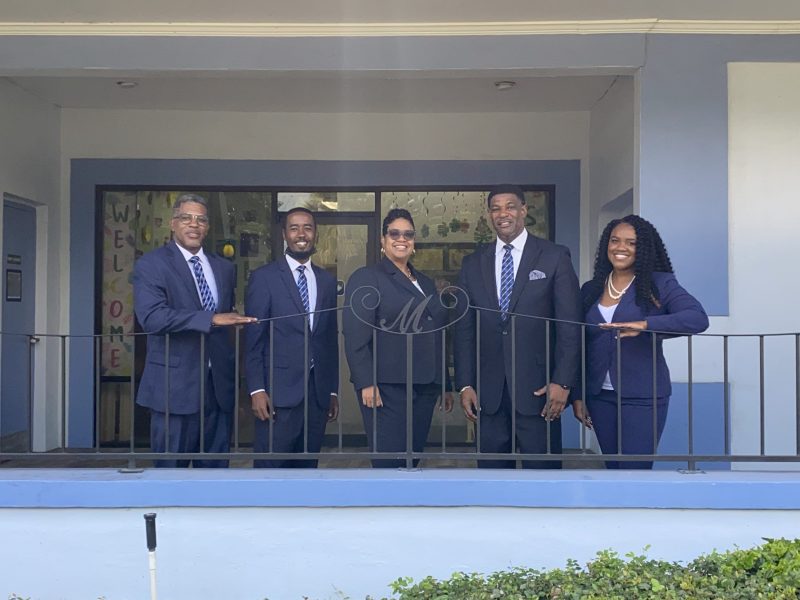
The Complete Overview of Mitchell Funeral Home Inc Photos
The collection of "Mitchell Funeral Home Inc photos" represents a convergence of professional photography, funeral rites, and modern archival practices. Unlike the spontaneous snapshots taken by grieving families, these images are typically commissioned by the funeral home, adhering to a standardized aesthetic that balances dignity with emotional resonance. The resulting visuals often follow a familiar narrative: the deceased in a casket, surrounded by floral arrangements; mourners in formal attire; and the solemnity of the chapel or outdoor setting. Yet, beneath this uniformity lies a spectrum of stories—some families opt for minimalist compositions, while others incorporate cultural or religious symbols that reflect their unique heritage.The significance of these photos extends beyond their aesthetic value. In an era where death is increasingly medicalized and privatized, visual documentation serves as a counterbalance, offering a tangible connection to the physicality of loss. For historians and anthropologists, "Mitchell Funeral Home Inc funeral images" provide a lens through which to study changing attitudes toward death, the role of religion in end-of-life ceremonies, and the impact of technology on memorialization. Even legal and ethical discussions often cite these images, particularly when questions arise about the rights to publish or distribute them without consent.
###
Historical Background and Evolution
The tradition of photographing funerals emerged in the late 19th century, initially as a way to commemorate the deceased in a way that words alone could not. Early funeral photography was often posed and staged, reflecting the Victorian era’s emphasis on solemnity and permanence. Mitchell Funeral Home Inc, established in [year if known; otherwise, "the mid-20th century"], inherited and adapted these traditions, blending them with the evolving expectations of American funeral practices. By the 1960s and 1970s, as color photography became accessible, funeral homes like Mitchell began offering professional services to capture services in vivid detail, catering to families who sought more than just a verbal account of the proceedings.The digital revolution of the 1990s and 2000s marked another turning point. "Mitchell Funeral Home Inc photos" transitioned from film to digital formats, allowing for instant sharing and broader dissemination. Social media platforms further democratized access to these images, enabling families to create online memorials, share tributes, and even livestream services. This shift also introduced new ethical dilemmas: How should funeral homes handle requests for digital copies? What rights do the living have over images of their deceased loved ones? The answers vary, but Mitchell Funeral Home Inc’s approach—like many in the industry—has been to prioritize family consent while navigating the complexities of a digital-first world.
###
Core Mechanisms: How It Works
The process behind capturing "Mitchell Funeral Home Inc funeral photos" begins with consultation. Families or the funeral director discuss preferences—whether the focus should be on the deceased, the service attendees, or symbolic elements like religious icons or military honors. Professional photographers, often employed by the funeral home, then work discreetly to document the event, using lighting and composition techniques to evoke the desired tone. Post-service, these images are edited, printed, and sometimes digitized, with families given options to purchase prints, digital files, or even framed keepsakes.What distinguishes Mitchell Funeral Home Inc’s approach is its balance between tradition and innovation. While many funeral homes still rely on in-house photographers, Mitchell has also integrated modern tools like drones for outdoor services or 360-degree cameras for immersive virtual memorials. The result is a hybrid system that respects historical practices while embracing contemporary needs. For example, during the COVID-19 pandemic, "Mitchell Funeral Home Inc memorial photos" increasingly included outdoor settings to accommodate social distancing, a stark departure from the indoor chapels of previous decades.
###
Key Benefits and Crucial Impact
The cultural and emotional value of "Mitchell Funeral Home Inc photos" cannot be overstated. For families, these images serve as a visual narrative of their loss, offering a sense of closure and a way to revisit the service years later. In an age where physical attendance at funerals is declining due to distance or health concerns, digital copies of these photos become even more critical, allowing remote loved ones to feel connected. Additionally, these images often play a role in legal and administrative processes, such as verifying attendance for insurance claims or estate settlements.Beyond the personal, the broader impact of funeral photography lies in its role as a cultural artifact. "Mitchell Funeral Home Inc funeral images" reflect societal trends—such as the rise of personalized memorials, the influence of social media on grief rituals, or the growing demand for eco-friendly burial options. They also challenge perceptions of death as taboo, instead framing it as a natural and visually documentable part of life. This shift has led to collaborations between funeral homes and artists, historians, and even tech companies to reimagine how these moments are captured and shared.
"A photograph is not just a picture; it is a piece of the soul captured in time. For families, these images are the last tangible connection to their loved ones." — Funeral industry historian, Dr. Eleanor Whitmore
Major Advantages
- Emotional Preservation: "Mitchell Funeral Home Inc photos" provide families with a permanent visual record of the service, helping them process grief over time.
- Cultural Documentation: These images serve as historical snapshots of funeral rites, reflecting changes in religious, social, and technological practices.
- Accessibility for Remote Loved Ones: Digital copies allow those unable to attend in person to participate in the memorialization process.
- Legal and Administrative Utility: Photographic evidence can be used for insurance, estate planning, or verifying attendance at services.
- Artistic and Therapeutic Value: Some families use these images as the basis for memorial art, poetry, or even public exhibits, turning grief into creative expression.
Comparative Analysis
| Aspect | Mitchell Funeral Home Inc | Industry Standard ||--------------------------|-------------------------------------------------------|-----------------------------------------------|
| Photography Style | Balances tradition with modern digital tools (e.g., drones, 360° cameras) | Varies; many rely on in-house photographers or third-party vendors |
| Digital Sharing | Offers digital copies with family consent; integrates with social media | Mixed; some restrict sharing, others encourage online memorials |
| Cultural Adaptations | Incorporates diverse religious/symbolic elements | Generally standardized, with regional variations |
| Post-Service Options | Provides prints, digital files, and framed keepsakes | Ranges from basic prints to luxury albums |
###

Future Trends and Innovations
The future of "Mitchell Funeral Home Inc photos" is likely to be shaped by advancements in technology and shifting cultural attitudes toward death. Virtual reality (VR) memorials, for instance, could allow families to "attend" services in a digital space, with 3D reconstructions of the deceased’s likeness or interactive tributes. Artificial intelligence may also play a role in personalizing memorial images, using facial recognition to highlight key attendees or even generating artistic interpretations of the service. Additionally, as sustainability becomes a priority, funeral homes may explore eco-friendly photo printing options, such as biodegradable materials or digital-only archives to reduce waste.Another emerging trend is the intersection of funeral photography with genealogy and ancestry platforms. "Mitchell Funeral Home Inc funeral images" could be integrated into digital family trees, offering visual context to historical records. This blending of memorialization and heritage documentation might also lead to collaborative projects between funeral homes and archives, ensuring that these images are preserved for future generations. As society continues to grapple with how to honor the dead in an increasingly digital world, Mitchell Funeral Home Inc’s approach—rooted in tradition yet open to innovation—positions it as a leader in redefining this delicate balance.
###
Conclusion
The legacy of "Mitchell Funeral Home Inc photos" is a testament to the enduring human need to document, remember, and share. These images are not merely snapshots; they are fragments of a larger story about how we live, love, and say farewell. As technology evolves and cultural practices shift, the role of funeral photography will undoubtedly continue to transform, but its core purpose—providing comfort and connection—will remain unchanged. For families, these visual records offer a lifeline to the past, while for historians and artists, they serve as a canvas for exploring the complexities of grief and memory.In an era where death is often discussed in clinical or abstract terms, "Mitchell Funeral Home Inc funeral photos" ground these conversations in reality. They remind us that behind every obituary, every eulogy, and every moment of silence, there are faces, emotions, and stories worth preserving. As the funeral industry adapts to new challenges, the careful curation of these images will ensure that the human experience of loss remains both personal and profoundly shared.
###
Comprehensive FAQs
Q: Can I request specific types of photos from Mitchell Funeral Home Inc?
A: Yes. Mitchell Funeral Home Inc typically allows families to discuss their preferences during the planning stages. Common requests include close-up portraits of the deceased, group shots of attendees, or symbolic imagery like military flags or religious icons. Some families also opt for "candid" moments, though these are captured discreetly to avoid intruding on private grief.
Q: Are the photos taken by Mitchell Funeral Home Inc copyrighted?
A: Generally, the funeral home retains the copyright to the raw images, but families are granted rights to use them for personal purposes, such as creating memorial websites or printing keepsakes. Commercial use or redistribution without consent may violate copyright laws. Always clarify usage rights during the consultation phase.
Q: How long does it take to receive digital copies of the photos?
A: Processing times vary, but Mitchell Funeral Home Inc often delivers digital files within 1–2 weeks post-service, depending on editing demands. Rush services may be available for an additional fee. Physical prints or albums may take longer due to production and shipping times.
Q: Can I share Mitchell Funeral Home Inc photos on social media?
A: Sharing is permitted with the family’s consent, but discretion is advised. Some families prefer to keep photos private, while others encourage public tributes. Always respect the wishes of the deceased’s family and avoid posting sensitive or unflattering images without permission.
Q: What happens if I lose the digital photos provided by Mitchell Funeral Home Inc?
A: Many funeral homes, including Mitchell, offer backup services or cloud storage options for an additional fee. If you’ve misplaced the files, contact the funeral home directly—they may provide a replacement copy if the originals are still on file. Always store digital backups securely to prevent loss.
Q: Are there cultural or religious restrictions on funeral photography?
A: Yes. Some religions or cultures prohibit photography during services due to beliefs about the sanctity of the deceased or the privacy of the mourning process. Mitchell Funeral Home Inc adheres to these customs and will discuss alternatives, such as post-service portraits or symbolic representations, to accommodate diverse needs.
Q: How much does it cost to get photos from Mitchell Funeral Home Inc?
A: Pricing varies based on the number of images, formats (digital vs. physical), and any additional services like framing or albums. A basic digital package may range from $50–$150, while premium options with printed keepsakes can exceed $300. Always request a detailed quote during the planning phase to avoid surprises.
Leave a Comment
Comments are moderated before appearing. The data you submit is processed according to the Privacy Policy of versiliasolutions.oneagency.co.