Bellevue Landlords’ Secret Weapon: Rent Collection & Maintenance Support That Boosts Profits
Table of Contents
- The Complete Overview of Rent Collection and Maintenance Support for Bellevue Landlords
- Historical Background and Evolution
- Core Mechanisms: How It Works
- Key Benefits and Crucial Impact
- Major Advantages
- Comparative Analysis
- Future Trends and Innovations
- Conclusion
- Comprehensive FAQs
- Q: What’s the best rent collection method for Bellevue landlords?
- Q: How quickly must a landlord respond to a maintenance request in Bellevue?
- Q: Can tenants withhold rent for maintenance issues in Washington?
- Q: What’s the most cost-effective way to manage maintenance vendors?
- Q: How do I handle a tenant who repeatedly withholds rent?
- Q: Are there tax benefits for landlords who invest in maintenance support systems?
Bellevue’s rental market is a high-stakes game—where a single missed rent payment or unaddressed maintenance issue can spiral into costly disputes. Landlords here operate in a city where demand for quality housing remains strong, but tenant expectations for responsiveness and transparency are equally high. The difference between a smoothly running property and one plagued by delays, legal risks, or financial losses often boils down to two critical pillars: rent collection and maintenance support for Bellevue landlords. These aren’t just operational tasks; they’re the backbone of tenant satisfaction, cash flow stability, and long-term profitability.
The challenge is compounded by Washington State’s tenant-friendly laws, which grant protections that can turn routine maintenance requests into legal minefields if mishandled. Meanwhile, Bellevue’s competitive rental landscape means landlords can’t afford to lose tenants to better-managed competitors. The solution? A strategic blend of proactive rent collection systems, streamlined maintenance workflows, and a deep understanding of local regulations. This isn’t about cutting corners—it’s about building a system that minimizes friction, maximizes efficiency, and keeps your properties running like well-oiled machines.
Yet many landlords still rely on ad-hoc methods: chasing late payments via text, juggling maintenance requests between contractors, or winging it with legal compliance. The result? Wasted time, higher turnover, and preventable losses. The good news? Bellevue landlords who master rent collection and maintenance support don’t just survive—they thrive. They secure steady income, reduce vacancies, and even command premium rents by offering superior service. The question isn’t if you can afford these systems; it’s whether you can afford not to implement them.

The Complete Overview of Rent Collection and Maintenance Support for Bellevue Landlords
Bellevue’s rental market is unique in its balance of high demand and stringent tenant protections. Landlords who treat rent collection and maintenance support as afterthoughts risk falling behind competitors who leverage technology, legal expertise, and proactive service. The most successful landlords in the area don’t just collect rent—they optimize the process to reduce delinquencies, automate reminders, and integrate payments with maintenance tracking. Similarly, maintenance isn’t just about fixing leaks or replacing HVAC systems; it’s about minimizing downtime, preventing small issues from becoming major liabilities, and ensuring compliance with Washington State’s strict habitability standards.The key to excelling in this space lies in treating these two functions as interconnected systems. A tenant who pays rent on time is more likely to report maintenance issues promptly, while a landlord who resolves those issues efficiently fosters trust—and loyalty. In Bellevue, where the average rental property generates $3,000–$6,000/month in gross income, even a 5% improvement in collection rates or a 10% reduction in maintenance delays can translate to tens of thousands in annual savings. The goal isn’t perfection; it’s creating a repeatable, scalable process that turns operational headaches into competitive advantages.
Historical Background and Evolution
The evolution of rent collection and maintenance support for Bellevue landlords mirrors broader shifts in property management over the past two decades. In the early 2000s, most landlords relied on paper ledgers, in-person rent drops, and reactive maintenance—meaning repairs were often addressed only after tenants complained or issues escalated. This hands-on approach worked for small portfolios but became unsustainable as Bellevue’s population surged, driven by tech giants and a booming economy. By the mid-2010s, the rise of property management software (like AppFolio, Buildium, and RentRedi) introduced automation to rent collection, allowing landlords to send electronic reminders, process payments online, and even integrate with accounting tools.Maintenance support, meanwhile, transitioned from a reactive to a more strategic function. Landlords began adopting vendor management systems to track contractors, schedule repairs, and document compliance with Washington’s Landlord-Tenant Act. The 2019 passage of House Bill 1276, which expanded tenant rights to repair-and-deduct for habitability issues, further incentivized landlords to proactively maintain properties. Today, the most forward-thinking Bellevue landlords combine these tools with predictive maintenance—using data analytics to identify potential issues before they disrupt tenant lives or lead to costly repairs.
Core Mechanisms: How It Works
At its core, rent collection and maintenance support for Bellevue landlords operates on three interconnected layers: automation, compliance, and tenant communication. Automation reduces human error and administrative overhead. For example, a landlord using a platform like RentRedi can set up automatic late fees, send SMS reminders before due dates, and even offer online portals for tenants to submit maintenance requests 24/7. Compliance ensures that every action—from rent increases to maintenance responses—adheres to Washington State’s Residential Landlord-Tenant Act. This might mean documenting all repairs, providing 30 days’ notice for rent hikes, or ensuring lead paint disclosures for pre-1978 properties.The third layer, tenant communication, is where many landlords drop the ball. A tenant who feels ignored after reporting a leak is far more likely to withhold rent or file a complaint with the King County Housing Authority. Effective systems use multi-channel communication (email, SMS, in-app notifications) to keep tenants informed about payment deadlines, maintenance schedules, and policy changes. For instance, a landlord might send a text reminder 48 hours before rent is due, followed by an automated email if payment is late—while simultaneously logging the issue in their maintenance system to ensure follow-up.
Key Benefits and Crucial Impact
The impact of optimizing rent collection and maintenance support extends beyond mere efficiency—it directly influences a landlord’s bottom line, tenant retention, and even their ability to scale. Properties with streamlined rent collection see 15–25% fewer delinquencies, while those with proactive maintenance experience 30% lower repair costs due to early issue detection. In Bellevue’s competitive market, where vacancy rates hover around 3–5%, reducing turnover by even 10% can mean the difference between a break-even year and a profitable one. Tenants, too, benefit from faster responses and transparent processes, which reduces disputes and encourages long-term leases.The legal risks of mismanaging these systems are equally significant. Washington State’s Landlord-Tenant Act imposes strict deadlines for maintenance responses (typically 14 days for habitability issues) and requires landlords to provide written notice for rent increases or entry into the unit. A single misstep—such as failing to document a repair or missing a notice deadline—can lead to unlawful detainer lawsuits or fines. Landlords who invest in rent collection and maintenance support mitigate these risks by ensuring every action is tracked, timed, and compliant.
> "In Bellevue, the landlords who win aren’t the ones with the cheapest properties—they’re the ones who make tenants feel like partners, not tenants. That starts with rent collection that’s as reliable as the utilities and maintenance that’s faster than the tenant can say ‘leak.’" > — Sarah Chen, Property Management Consultant, Bellevue Housing Authority
Major Advantages
- Reduced Delinquencies: Automated reminders and online payment options cut late payments by up to 40%, freeing cash flow for maintenance and upgrades.
- Lower Maintenance Costs: Predictive maintenance and vendor management systems reduce emergency repairs by identifying issues before they escalate (e.g., catching a slow leak before it damages drywall).
- Higher Tenant Retention: Tenants stay an average of 18–24 months longer when maintenance requests are resolved within 24–48 hours, saving on marketing and turnover costs.
- Legal Protection: Digital documentation of all communications, repairs, and notices creates an ironclad paper trail to defend against disputes or lawsuits.
- Scalability: Cloud-based systems allow landlords to manage 5, 50, or 500 units with the same level of oversight, making expansion seamless.
Comparative Analysis
| Traditional Methods | Modern Systems |
|---|---|
|
|
| Pros: Low upfront tech costs, personal touch | Pros: 24/7 operations, data-driven decisions, scalability |
| Cons: Time-consuming, high error rate, limited scalability | Cons: Initial setup cost, requires training, over-reliance on tech |
Future Trends and Innovations
The next frontier for rent collection and maintenance support for Bellevue landlords lies in AI and IoT integration. Smart home devices—like smart thermostats, leak sensors, and automated valve systems—are already being used in high-end Bellevue properties to detect maintenance issues in real time. For example, a tenant might receive an alert that their water heater’s efficiency has dropped, prompting a landlord to schedule a tune-up before a breakdown occurs. On the rent collection side, AI-powered chatbots are emerging to handle tenant inquiries about payments or maintenance, reducing call center workloads by up to 60%.Another trend is blockchain-based rent tracking, which could eliminate disputes over payments by creating immutable records of transactions. Meanwhile, dynamic pricing algorithms (already used in short-term rentals) may soon adjust rent based on market demand, tenant creditworthiness, or even energy usage—though Washington’s rent control laws complicate this in some areas. For landlords, the message is clear: those who adopt these innovations early will not only improve efficiency but also gain a first-mover advantage in Bellevue’s evolving rental landscape.
Conclusion
Bellevue’s rental market rewards landlords who treat rent collection and maintenance support as strategic investments—not overhead costs. The data is undeniable: properties with automated systems, proactive maintenance, and tenant-centric communication experience lower vacancies, higher profits, and fewer legal headaches. The barrier to entry isn’t financial (many solutions start under $50/month per unit); it’s mindset. Landlords who cling to outdated methods risk falling behind competitors who leverage technology, data, and compliance expertise to create effortless, profitable rental operations.The good news? You don’t need to overhaul everything at once. Start with a rent collection platform that automates payments and reminders, then layer in a maintenance management system to track repairs. Train your team (or yourself) on Washington State’s landlord-tenant laws, and always document every interaction. Small, intentional steps compound into massive advantages—especially in a city where the margin between a struggling landlord and a thriving one is often just a well-timed maintenance call or a single late fee avoided.
Comprehensive FAQs
Q: What’s the best rent collection method for Bellevue landlords?
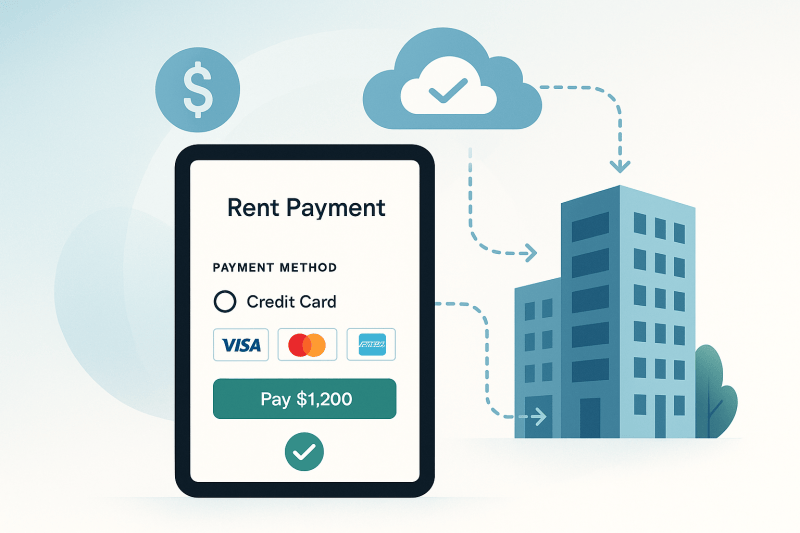
A: The most effective methods combine automation with flexibility. Online portals (like RentRedi or Avail) allow tenants to pay via ACH, credit card, or mobile app, while automated reminders (SMS/email) reduce delinquencies. For larger portfolios, ACH autopay (where tenants authorize automatic deductions) can cut late payments by 50%. Always ensure your system complies with Washington’s Consumer Protection Act regarding payment processing fees.
Q: How quickly must a landlord respond to a maintenance request in Bellevue?
A: Under Washington’s Landlord-Tenant Act, landlords must address habitability issues (e.g., mold, pest infestations, broken HVAC) within 14 days unless the repair requires a longer timeline (with written notice to the tenant). For non-emergency requests (e.g., cosmetic fixes), 7–10 business days is standard. Document all communications and repairs to protect against disputes.
Q: Can tenants withhold rent for maintenance issues in Washington?
A: Yes, but with strict conditions. Tenants can repair-and-deduct for habitability violations (e.g., no heat in winter) under RCW 59.18.260, but they must:
- Provide written notice of the issue and intent to deduct.
- Allow the landlord a reasonable time to fix it (typically 14 days).
- Deduct only the actual cost of repairs, with receipts.
Q: What’s the most cost-effective way to manage maintenance vendors?
A: Use a vendor management system (like Jobber or Maintenance Connection) to:
- Store contractor licenses and insurance certificates.
- Track response times and repair costs.
- Automate invoicing and payments.
Q: How do I handle a tenant who repeatedly withholds rent?
A: Before pursuing eviction (which can take 30–90 days in Washington), follow these steps:
- Review the lease agreement for clauses on late fees or rent deductions.
- Document all communications (emails, texts, repair logs) to show pattern of non-payment.
- Offer a payment plan in writing (e.g., $500/month for 3 months).
- If no resolution, file a Pay-or-Quit Notice (3-day notice) under RCW 59.12.030, then proceed with eviction if unpaid.
Q: Are there tax benefits for landlords who invest in maintenance support systems?
A: Yes. The IRS allows landlords to deduct:
- Software subscriptions (e.g., property management tools) as ordinary business expenses.
- Equipment costs (e.g., smart home sensors) over 5–7 years via Section 179 depreciation.
- Repair costs (not improvements) in the year incurred.
- Bellevue property maintenance support
- Bellevue rental market trends
- automated rent collection systems
- eviction process in Washington State
- landlord insurance requirements
- landlord-tenant laws Washington
- maintenance cost reduction tips
- property management software for landlords
- rent collection strategies for landlords
- tenant screening Bellevue
Leave a Comment
Comments are moderated before appearing. The data you submit is processed according to the Privacy Policy of versiliasolutions.oneagency.co.