How Renters Contents Insurance Protects Your Belongings Without the Landlord’s Hassle
Table of Contents
- The Complete Overview of Renters Contents Insurance
- Historical Background and Evolution
- Core Mechanisms: How It Works
- Key Benefits and Crucial Impact
- Major Advantages
- Comparative Analysis
- Future Trends and Innovations
- Conclusion
- Comprehensive FAQs
- Q: Does renters contents insurance cover high-value items like jewelry or art?
- Q: What’s the difference between actual cash value and replacement cost coverage?
- Q: Can I get renters contents insurance if I’m renting a room in a shared house?
- Q: How quickly can I file a claim after a loss?
- Q: Does renters contents insurance cover natural disasters like earthquakes?
- Q: What happens if I underestimate the value of my belongings?
- Q: Can I transfer my renters contents insurance to a new rental?
- Q: Are there discounts available for renters contents insurance?
The landlord’s policy won’t cover your laptop if it’s stolen, nor will it replace your designer furniture after a burst pipe. Yet, nearly 40% of renters in the UK and US go without renters contents insurance, assuming their belongings are inherently low-value—or that their landlord’s cover extends to them. That assumption is a costly mistake. A single incident—whether a break-in, flood, or accidental damage—can wipe out thousands in personal assets overnight. The reality is stark: without renters contents insurance, you’re gambling with your financial stability.
Most tenants focus on securing the lease, negotiating rent, or decorating their space—but the moment they overlook insurance, they expose themselves to preventable risk. Consider this: the average UK renter’s possessions are worth £20,000, while in the US, the figure tops $30,000. A fire, theft, or even a simple electrical fault could erase that value in hours. Landlords insure the structure; you must insure your contents. The distinction is non-negotiable.
The misconception that renters contents insurance is an optional luxury persists because it’s rarely discussed in rental agreements. Yet, the consequences of skipping it are immediate and brutal. A single claim for a stolen smartphone, damaged electronics, or ruined clothing can leave you scrambling to replace items you’ve spent years accumulating. The policy isn’t just about recovery—it’s about maintaining your lifestyle without derailing your finances.
The Complete Overview of Renters Contents Insurance
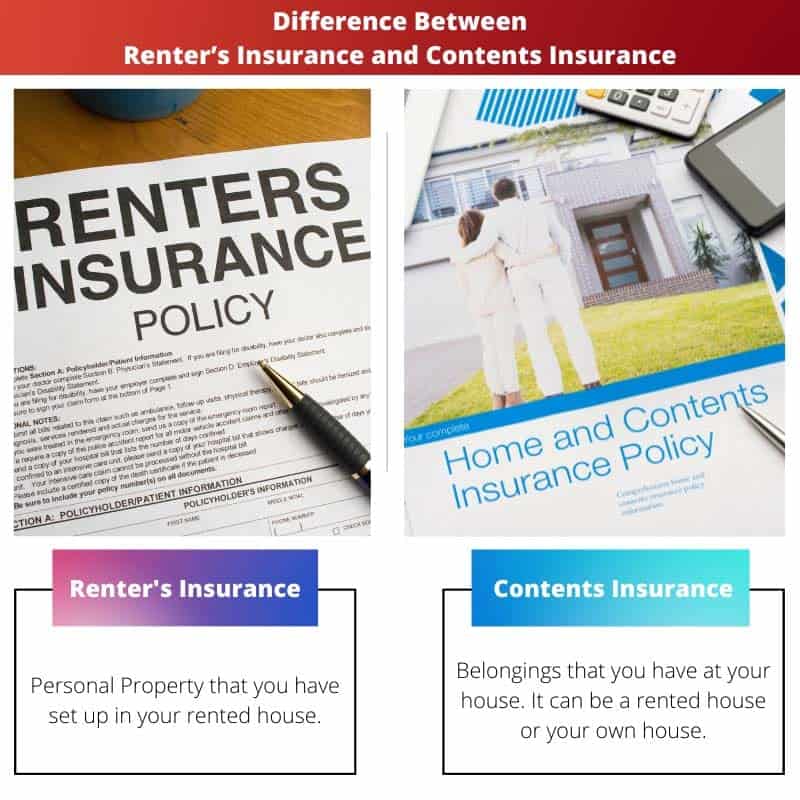
Renters contents insurance is a specialized form of tenant insurance designed to protect personal belongings against unforeseen events. Unlike homeowners’ insurance, which covers both the property and its contents, this policy focuses solely on the items you own while renting. It typically includes coverage for theft, fire, flood, accidental damage, and sometimes even liability for third-party injuries. The policy operates independently of your landlord’s insurance, which primarily safeguards the building’s structure, not your possessions.The scope of renters contents insurance extends beyond physical damage. Many policies also offer personal liability protection, covering legal costs if someone is injured in your rented home and sues you. Additionally, some insurers provide temporary accommodation if your rental becomes uninhabitable due to a covered event. The key distinction lies in what’s excluded—standard policies often omit high-value items (like jewelry or art) unless declared separately, and may limit coverage for certain risks like natural disasters unless specified.
Historical Background and Evolution
The origins of renters insurance trace back to the mid-20th century, when urbanization and rising homeownership rates created a demand for affordable protection. Initially, landlords bore the burden of insuring both the property and tenants’ belongings, but as rental markets expanded, insurers recognized the need for tenant-specific policies. By the 1970s, renters contents insurance became a standard offering in the UK and US, though adoption remained slow due to perceived low risk among younger renters.The evolution of renters contents insurance accelerated with technological advancements and shifting societal norms. The rise of e-commerce and high-value personal electronics (laptops, gaming consoles, smart devices) increased the financial stakes of theft or damage. Simultaneously, climate change heightened risks like flooding and storms, pushing insurers to refine coverage options. Today, policies are more customizable, with add-ons for cyber liability, identity theft, and even pet-related damage—reflecting the modern renter’s lifestyle.
Core Mechanisms: How It Works
Renters contents insurance operates on a declaratory value system, where you estimate the total worth of your belongings and select a coverage limit. Most insurers recommend £20,000–£50,000 for UK policies and $30,000–$100,000 in the US, though premiums vary based on location, security measures, and deductible choices. When filing a claim, you’ll need to provide evidence (receipts, photos, or appraisals) to support the loss. Some insurers offer new-for-old replacement for electronics, while others may depreciate older items.The claims process typically involves notifying your insurer within a specified window (often 14–30 days), submitting documentation, and undergoing an assessment. Delays can occur if evidence is incomplete, but reputable providers aim to resolve claims within 1–4 weeks. It’s critical to review your policy’s exclusions—common omissions include intentional damage, business equipment, or items stored outside the rental property without prior declaration.
Key Benefits and Crucial Impact
The primary advantage of renters contents insurance is financial protection against catastrophic losses. Without it, replacing stolen or damaged items could drain savings or force you into debt. For example, a burglary targeting electronics might cost £3,000–£10,000 to recover, while a kitchen fire replacing appliances and furniture could exceed £15,000. The policy also offers peace of mind, allowing you to live without constant anxiety over unforeseen events.Beyond material losses, renters contents insurance mitigates legal and logistical headaches. Liability coverage can shield you from lawsuits if a guest slips on your property, while temporary accommodation support ensures you’re not left homeless during repairs. The cumulative impact of these protections is a safeguard against both financial and emotional stress—a necessity for any long-term renter.
"A single incident—whether a break-in, flood, or accidental damage—can wipe out thousands in personal assets overnight. The policy isn’t just about recovery; it’s about maintaining your lifestyle without derailing your finances." — Insurance Industry Report, 2023
Major Advantages
- Comprehensive Coverage: Protects against theft, fire, flood, explosions, and accidental damage, often including personal liability.
- Affordability: Premiums average £5–£20/month in the UK and $10–$30/month in the US, far cheaper than replacing high-value items.
- Flexibility: Policies can be tailored with add-ons for high-value items, cyber risks, or pet-related incidents.
- Portability: Coverage extends to temporary stays (e.g., hotels) if your rental is uninhabitable due to a covered event.
- Legal Protection: Shields against lawsuits if third parties suffer injuries or property damage in your rented space.
Comparative Analysis
| Feature | Renters Contents Insurance | Landlord’s Insurance ||---------------------------|-------------------------------------------------------|--------------------------------------------------|
| Coverage Scope | Personal belongings only | Building structure, landlord’s assets |
| Theft/Fire Protection | Yes (tenant’s items) | No (unless tenant has separate policy) |
| Liability Coverage | Often included | Limited or excluded |
| Cost | £5–£20/month (UK) / $10–$30/month (US) | Bundled into rent or landlord’s premiums |

Future Trends and Innovations
The renters contents insurance landscape is evolving with technological integration. Insurers are adopting AI-driven risk assessment, using data analytics to personalize premiums based on tenant behavior (e.g., smart home security usage). Additionally, blockchain-based claims processing is being tested to streamline payouts and reduce fraud. Sustainability is also shaping the future, with some providers offering discounts for eco-friendly rentals or energy-efficient security measures.Emerging trends include on-demand coverage (short-term policies for travelers or subletters) and cyber liability extensions to protect against digital theft. As rental markets grow more competitive, insurers will likely introduce bundled services, combining contents insurance with legal or financial advisory support. The focus is shifting from reactive protection to proactive risk management—aligning with the demands of modern, tech-savvy tenants.
Conclusion
Renters contents insurance is not an afterthought—it’s a cornerstone of financial resilience for anyone living in a rented property. The policy’s ability to replace stolen or damaged belongings, cover legal liabilities, and provide temporary housing makes it indispensable. Ignoring it leaves you vulnerable to avoidable losses, while securing it ensures your lifestyle remains stable regardless of unforeseen events.The decision to purchase renters contents insurance should be as routine as paying rent. With premiums costing a fraction of what you’d spend replacing high-value items, the math is undeniable. The question isn’t whether you need it, but when you’ll act before the next incident forces your hand.
Comprehensive FAQs
Q: Does renters contents insurance cover high-value items like jewelry or art?
A: Standard policies often have sub-limits (e.g., £1,500 for jewelry) unless you declare high-value items separately. For comprehensive coverage, consider a scheduled personal articles endorsement, which allows you to insure individual items up to their full value.
Q: What’s the difference between actual cash value and replacement cost coverage?
A: Actual cash value (ACV) reimburses you for an item’s depreciated worth, while replacement cost coverage pays to replace it with a new equivalent. The latter is more expensive but preferable for electronics, furniture, and other quickly depreciating items.
Q: Can I get renters contents insurance if I’m renting a room in a shared house?
A: Yes, but you may need a roommate’s policy or a contents-only plan tailored for shared living. Ensure your insurer covers items stored in shared spaces (e.g., a communal kitchen) and clarify liability if a roommate causes damage.
Q: How quickly can I file a claim after a loss?
A: Most insurers require notification within 14–30 days of the incident. Delaying could void your claim, so document losses with photos/videos immediately and contact your provider as soon as possible.
Q: Does renters contents insurance cover natural disasters like earthquakes?
A: Standard policies exclude earthquakes and floods unless you opt for additional endorsements. In high-risk areas, check if your insurer offers separate natural disaster coverage or if local regulations mandate it.
Q: What happens if I underestimate the value of my belongings?
A: If your declared value is too low, you may receive partial payouts based on the ratio of your coverage to the actual worth. For example, if you insure £20,000 worth of items for £15,000 but suffer a £10,000 loss, you’d only recover £7,500. Use online valuation tools or conduct a thorough inventory to avoid this risk.
Q: Can I transfer my renters contents insurance to a new rental?
A: Most policies are portable, meaning you can take them to a new address, but you must notify your insurer of the change. Some providers offer multi-property coverage for frequent movers or those with storage units.
Q: Are there discounts available for renters contents insurance?
A: Yes. Common discounts include:
- Bundling with other insurance (e.g., car or life insurance).
- Security upgrades (smart locks, alarms, or fire extinguishers).
- Loyalty discounts for long-term customers.
- Non-smoker or claims-free reductions.
Leave a Comment
Comments are moderated before appearing. The data you submit is processed according to the Privacy Policy of versiliasolutions.oneagency.co.