How rva / off road assurances redefine adventure protection
Table of Contents
- The Complete Overview of rva / Off Road Assurances
- Historical Background and Evolution
- Core Mechanisms: How It Works
- Key Benefits and Crucial Impact
- Major Advantages
- Comparative Analysis
- Future Trends and Innovations
- Conclusion
- Comprehensive FAQs
- Q: Are rva / off road assurances necessary if I already have a vehicle warranty?
- Q: Can I get off road assurances for a modified vehicle?
- Q: Do rva / off road assurances cover damage from rock crawling?
- Q: How quickly can I expect recovery services if I break down?
- Q: Are there off road assurances for electric or hybrid off-road vehicles?
- Q: What happens if I abandon my vehicle during an expedition?
- Q: Can I add off road assurances to an existing travel insurance policy?
The global off-road community operates in a high-stakes environment where mechanical failure, environmental hazards, and logistical breakdowns can turn a thrilling expedition into a costly nightmare. Traditional insurance models often leave adventurers exposed—either through exclusionary clauses for extreme terrain or inflated premiums that discourage coverage altogether. This gap has birthed rva / off road assurances, a specialized niche within the broader insurance ecosystem designed to bridge the protection void for those who venture beyond paved roads. Unlike conventional policies, these assurances are engineered for the unique stressors of off-roading: from sand dunes to alpine passes, from desert crossings to jungle trails. Their emergence reflects a fundamental shift in how risk is perceived and managed in adventure travel, where the cost of unpreparedness far outweighs the price of proactive safeguards.
The term rva—shorthand for Recreational Vehicle Assurance—has evolved beyond its automotive origins to encompass a broader spectrum of off-road assurances. This evolution mirrors the diversification of adventure activities themselves, from solo overlanding to organized expeditions. What began as a niche offering for luxury 4x4 owners has expanded into a critical tool for professionals, explorers, and even humanitarian missions operating in remote areas. The distinction lies in the granularity of coverage: traditional policies treat off-road activities as an afterthought, while rva / off road assurances treat them as the primary use case, aligning payouts with the realities of mechanical strain, environmental damage, and evacuation logistics.
The financial stakes are equally stark. A single breakdown in the Sahara or the Andes can incur costs exceeding $20,000 in recovery and repairs—figures that dwarf the premiums of even the most comprehensive rva / off road assurances. Yet, the psychological and operational risks are harder to quantify. Without proper coverage, a stranded expedition can lead to lost revenue, reputational damage, or—worst of all—compromised safety. This is where the specialization of rva / off road assurances becomes non-negotiable. They are not just insurance products; they are operational lifelines, designed to preempt crises before they escalate.
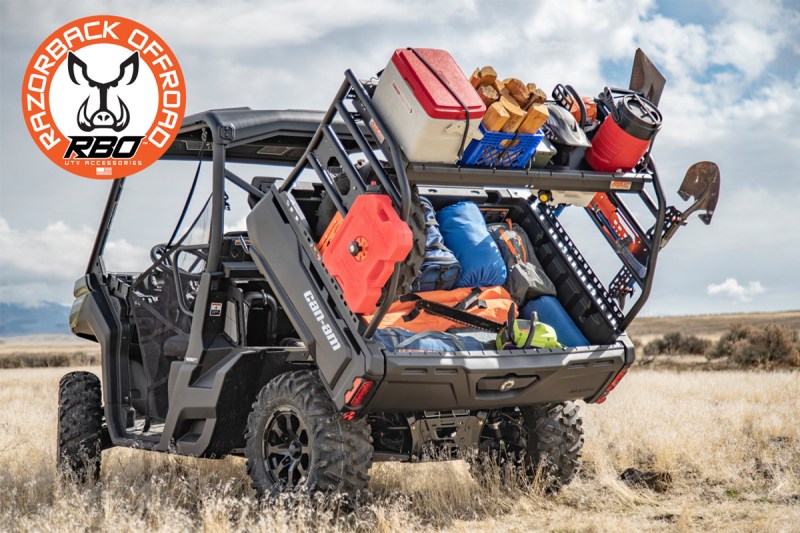
The Complete Overview of rva / Off Road Assurances
Rva / off road assurances represent a convergence of automotive engineering, actuarial science, and adventure logistics. At their core, these policies are tailored to address the three primary failure modes of off-road vehicles: mechanical breakdowns, environmental damage (e.g., water ingress, sand ingestion), and logistical disruptions (e.g., theft, vandalism in remote areas). Unlike standard auto insurance, which often excludes off-road use or caps coverage at 50 miles from a paved road, rva / off road assurances are structured to account for the extended operational envelope of adventure vehicles. This includes specialized endorsements for high-clearance vehicles, winch systems, and even satellite communication devices—tools that, when integrated into a policy, transform potential liabilities into managed risks.The market for rva / off road assurances has matured in response to the growing demand from two distinct segments: professional adventurers (e.g., overland tour operators, film crews, and research teams) and affluent enthusiasts (e.g., owners of vehicles like the Mercedes-Benz G-Class or Toyota Land Cruiser). The former require coverage that aligns with contractual obligations to clients, while the latter seek peace of mind for high-value assets deployed in extreme conditions. Providers in this space—ranging from boutique insurers like Adventure Insurance Services to global players like Allianz—now offer modular policies that can be customized based on the vehicle’s specifications, the expedition’s route, and the duration of the trip. This flexibility is a direct response to the realization that one-size-fits-all solutions are inadequate for the dynamic nature of off-road travel.
Historical Background and Evolution
The origins of rva / off road assurances can be traced back to the 1970s, when the rise of Sahara rallies and Australian outback expeditions exposed the limitations of conventional insurance. Early adopters—primarily manufacturers like Mercedes-Benz and Land Rover—began offering limited warranty extensions for vehicles used in extreme conditions, but these were reactive measures rather than comprehensive solutions. The turning point came in the 1990s, when the Global Rallycross Championship (GRC) and Dakar Rally (before its hiatus) pushed insurers to develop policies that covered not just vehicle damage but also event-specific liabilities, such as spectator injuries or environmental cleanup costs. This period saw the first true rva / off road assurances, though they were initially confined to professional racing and high-profile expeditions.The 2000s marked a democratization of the market, driven by the proliferation of overlanding and the advent of social media, which turned adventure travel into a mainstream aspiration. As more individuals purchased vehicles like the Toyota Hilux or Ford Expedition for personal expeditions, insurers recognized an untapped demand for off road assurances that extended beyond the professional realm. The introduction of telematics-based policies—where coverage is dynamically adjusted based on real-time vehicle diagnostics—further refined the product. Today, rva / off road assurances are as likely to be found in the glove compartment of a solo traveler’s Land Cruiser as they are in the fleet management systems of a documentary film crew shooting in Patagonia. This evolution underscores a broader trend: the blurring of lines between recreational and professional risk management.
Core Mechanisms: How It Works
The operational framework of rva / off road assurances hinges on three pillars: risk stratification, dynamic coverage triggers, and integrated recovery networks. Risk stratification begins with the insurer’s assessment of the vehicle’s off-road suitability, which includes factors like ground clearance, tire pressure monitoring systems, and the presence of a snorkel or winch. Policies are then tiered based on the severity of the environment (e.g., desert, mountain, jungle) and the expedition’s duration. For example, a short trip through the Mojave Desert may trigger a lower premium than a six-month overland journey across the Pan-American Highway, where mechanical failure could strand a traveler for weeks.Dynamic coverage triggers are enabled through embedded sensors and GPS tracking, which activate payouts based on predefined thresholds—such as a sudden drop in oil pressure or an unexpected deviation from a planned route. This real-time monitoring eliminates the ambiguity of traditional claims processes, where insurers often dispute whether an incident occurred "off road." The final pillar is the integrated recovery network, a global partnership between insurers, tow truck operators, and local mechanics who specialize in off-road repairs. In the event of a breakdown, policyholders are connected to the nearest certified service provider, often with pre-authorized funds for immediate repairs or extraction. This system ensures that rva / off road assurances function not just as financial safety nets but as operational continuity tools.
Key Benefits and Crucial Impact
The value proposition of rva / off road assurances extends beyond mere financial protection; it redefines the economics of adventure travel. For professionals, these policies mitigate the opportunity cost of downtime—whether it’s a delayed filming schedule or a missed client deadline. For enthusiasts, they eliminate the emotional and logistical stress of being stranded in a remote location. The cumulative impact is a risk-adjusted cost structure, where the premiums paid for off road assurances are outweighed by the avoided expenses of recovery, repairs, and potential legal liabilities. This is particularly critical in regions where local infrastructure is inadequate, and standard insurance providers refuse coverage altogether.The psychological benefit cannot be overstated. Adventurers who rely on rva / off road assurances report higher confidence in their ability to tackle challenging routes, knowing that a single mechanical failure will not derail their entire journey. This shift in mindset has even influenced vehicle design: manufacturers now incorporate insurance-compatible diagnostics into their off-road models, ensuring that policies remain affordable and claims processing efficient.
"The difference between a successful expedition and a disaster often comes down to whether you have a plan for the unplanned. Rva / off road assurances are that plan." — Mark Beaumont, Record-Breaking Overlander and Adventure Consultant
Major Advantages
- Specialized Coverage for Extreme Terrain: Policies explicitly designed for sand, mud, rock crawls, and high-altitude conditions, unlike standard auto insurance which may void claims for off-road use.
- Global Evacuation and Recovery: 24/7 access to specialized extraction teams and medical evacuation services, often including helicopter or fixed-wing transport for remote areas.
- Mechanical Breakdown Protection: Covers repairs for off-road-specific components (e.g., differentials, transfer cases, lift kits) that are excluded from most warranties.
- Theft and Vandalism in Remote Areas: Unlike urban-focused policies, rva / off road assurances account for risks like vehicle theft in unpopulated regions or sabotage during expeditions.
- Customizable Deductibles and Limits: Policyholders can adjust coverage based on the vehicle’s value, the expedition’s risk profile, and personal budget constraints.
Comparative Analysis
| Standard Auto Insurance | rva / Off Road Assurances |
|---|---|
| Excludes off-road use or limits coverage to 50 miles from paved roads. | Explicitly covers all off-road activities, including extreme terrain and long-distance expeditions. |
| Claims processed through local repair shops, often with disputes over "off-road damage." | Direct access to insurer-approved off-road specialists with pre-negotiated rates. |
| No coverage for recovery or evacuation costs. | Includes global extraction services, medical evacuation, and emergency repairs. |
| Premiums based on general risk factors (age, location, driving record). | Dynamic pricing based on vehicle specs, route, and expedition duration. |

Future Trends and Innovations
The next decade of rva / off road assurances will be shaped by three technological convergences: AI-driven risk prediction, blockchain-based claims processing, and autonomous recovery systems. AI algorithms are already being deployed to analyze telematics data and predict mechanical failures before they occur, allowing insurers to offer preventive maintenance credits as part of coverage. Blockchain is poised to streamline claims by creating immutable records of vehicle diagnostics and incident reports, reducing fraud and accelerating payouts. Meanwhile, the integration of autonomous drones and robotic recovery vehicles could further reduce response times in remote areas, making off road assurances more responsive than ever.Beyond technology, the market will see a rise in modular, subscription-based policies, where adventurers pay monthly for coverage tailored to specific trips. This flexibility will appeal to the growing number of digital nomads and micro-adventure travelers who prioritize short-term expeditions over long-term overlanding. Additionally, insurers will likely expand into eco-adventure coverage, addressing the unique risks of sustainable tourism, such as damage to protected ecosystems or liability for carbon-offset programs. As the line between adventure and professional use continues to blur, rva / off road assurances will evolve into a hybrid of insurance, logistics, and risk consulting—positioning themselves as indispensable partners in the future of exploration.
Conclusion
Rva / off road assurances are more than a financial safeguard; they are a testament to the adaptability of risk management in an era where adventure knows no boundaries. Their development reflects a deeper understanding of the off-road ecosystem—one where preparation is not just a virtue but a necessity. For the professional, they are a contractual obligation; for the enthusiast, they are the difference between a story worth telling and a cautionary tale. As technology and travel habits continue to evolve, these assurances will remain at the intersection of innovation and practicality, ensuring that the call of the wild is met with the confidence of a well-prepared mind.The future of off road assurances lies in their ability to anticipate—not just react—to the challenges of adventure. Those who recognize this will find themselves not just protected, but empowered to push further, explore deeper, and return with the knowledge that the greatest risks have already been mitigated.
Comprehensive FAQs
Q: Are rva / off road assurances necessary if I already have a vehicle warranty?
A: Standard warranties typically exclude off-road use, mechanical failures caused by extreme conditions, or damage from sand, water, or rocks. Rva / off road assurances fill these gaps by covering specialized components (e.g., lift kits, snorkels) and providing global recovery services that warranties do not. Even if your warranty is robust, it’s unlikely to address the unique risks of off-roading.
Q: Can I get off road assurances for a modified vehicle?
A: Yes, but the coverage and premiums will depend on the modifications. Insurers assess changes like lift kits, armor plating, or performance upgrades to determine risk. Some modifications may void certain protections, so full disclosure is critical. Providers like Adventure Insurance Services specialize in modified vehicles and can tailor policies accordingly.
Q: Do rva / off road assurances cover damage from rock crawling?
A: Most off road assurances include coverage for rock crawling, but the terms vary. Some policies may require proof of proper technique (e.g., using a winch correctly) to avoid disputes. High-end policies often include gear replacement if rock crawling damages suspension or tires beyond standard wear-and-tear limits.
Q: How quickly can I expect recovery services if I break down?
A: Response times depend on the provider’s global network and your location. In well-connected regions (e.g., North America, Europe), recovery can arrive within 4–8 hours. In remote areas (e.g., the Amazon or Sahara), response may take 24–48 hours due to logistical constraints. Premium policies often include priority dispatch for faster service.
Q: Are there off road assurances for electric or hybrid off-road vehicles?
A: Yes, but the market is still evolving. Electric off-road vehicles (e.g., Rivian R1T, Ford F-150 Lightning) present unique risks like battery failure in extreme cold or limited charging infrastructure. Insurers are developing specialized policies that account for these factors, often in partnership with manufacturers to ensure compatibility with vehicle diagnostics.
Q: What happens if I abandon my vehicle during an expedition?
A: Most rva / off road assurances include abandonment clauses, which typically require proof that the vehicle is no longer drivable and that all reasonable recovery efforts have been exhausted. The insurer may then arrange for the vehicle’s disposal or repatriation, though coverage limits apply. Abandonment should always be a last resort, as it may void certain protections.
Q: Can I add off road assurances to an existing travel insurance policy?
A: Rarely. Travel insurance and rva / off road assurances serve distinct purposes—one covers medical and trip interruptions, while the other focuses on vehicle-specific risks. However, some insurers offer bundled packages that combine both, ensuring comprehensive protection for adventurers. Always verify whether your travel policy includes any off-road exclusions.
Leave a Comment
Comments are moderated before appearing. The data you submit is processed according to the Privacy Policy of versiliasolutions.oneagency.co.