Seattle Tax Calculator: Your Precision Tool for Local Tax Planning
Table of Contents
- The Complete Overview of Seattle’s Tax System
- Historical Background and Evolution
- Core Mechanisms: How It Works
- Key Benefits and Crucial Impact
- Major Advantages
- Comparative Analysis
- Future Trends and Innovations
- Conclusion
- Comprehensive FAQs
- Q: Does Seattle have a personal income tax?
- Q: How often should I update my property tax calculation?
- Q: Can a Seattle tax calculator help with B&O tax classification?
- Q: Are there exemptions for remote workers using Seattle’s tax system?
- Q: What’s the difference between a Seattle tax calculator and a state-wide WA calculator?
- Q: How does the capital gains tax affect Seattle residents?
- Q: Can small businesses avoid the B&O tax entirely?
Seattle’s tax system is a labyrinth of local, state, and federal regulations—each layer designed to balance public services with individual financial responsibility. Whether you’re a long-time resident adjusting to new tax brackets or a newcomer trying to estimate costs before relocation, the right Seattle tax calculator can mean the difference between overpaying and optimizing your budget. The city’s unique blend of progressive income tax policies, property tax exemptions, and sales tax variations demands precision. Without the proper tool, even minor miscalculations can lead to unexpected liabilities or missed savings opportunities.
The challenge isn’t just the complexity of the system but the pace at which it evolves. Seattle’s tax code has undergone significant reforms in recent years, from the introduction of a head tax (now repealed) to adjustments in business and occupation (B&O) taxes. Meanwhile, Washington state’s lack of a broad-based income tax shifts the burden to other levies—property, sales, and capital gains—each with its own calculation nuances. A Seattle tax calculator tailored to these specifics isn’t just convenient; it’s a necessity for financial clarity.
For businesses, the stakes are even higher. Seattle’s B&O tax, one of the highest in the nation, requires meticulous tracking of gross receipts across different classifications. Even a small misclassification can trigger audits or back payments. Meanwhile, remote workers and digital nomads—an increasingly prominent demographic—must account for Seattle’s local taxes while navigating interstate tax agreements. Without a dynamic tax estimation tool, the risk of non-compliance or financial missteps grows exponentially.
The Complete Overview of Seattle’s Tax System
Seattle’s tax structure operates on three primary tiers: federal, state, and local. While Washington state itself levies no personal income tax, Seattle compensates through aggressive property taxes, sales taxes (including a 10.25% combined rate in some areas), and business-specific levies like the B&O tax. The city’s approach reflects a broader trend in progressive taxation, where higher earners and commercial entities bear a disproportionate share of the burden. For individuals, this means property taxes can exceed 1% of assessed value, while businesses face B&O rates as high as 19.4% depending on their industry classification.The interplay between these tiers creates a system where a Seattle tax calculator must account for more than just one variable. For example, a homeowner’s property tax bill isn’t solely determined by local rates but also by state exemptions (such as the Senior Property Tax Exemption) and county-specific assessments. Similarly, a freelancer’s tax liability involves federal self-employment tax, state business license fees, and potential Seattle city taxes if their income surpasses local thresholds. The calculator’s accuracy hinges on integrating these layers seamlessly, ensuring users aren’t left with partial or outdated estimates.
Historical Background and Evolution
Seattle’s modern tax framework traces back to the early 20th century, when the city first implemented a property tax system to fund infrastructure projects like the Aurora Avenue Bridge and the expansion of public schools. However, the real turning point came in the 1980s with the passage of Initiative 776, which capped property tax assessments at 1% of market value—a policy still in effect today. This move, while stabilizing homeowner costs, also shifted reliance toward sales and business taxes, setting the stage for Seattle’s current revenue model.The 21st century brought more dramatic changes. The 2019 introduction of a $275 head tax on large businesses (later repealed after legal challenges) highlighted Seattle’s attempts to address homelessness and housing affordability through targeted levies. Meanwhile, the state’s 2021 capital gains tax—applied to high-net-worth individuals—added another layer of complexity. These shifts underscore why a Seattle tax calculator must be updated annually to reflect legislative changes. For instance, the 2023 adjustments to the B&O tax for remote workers required businesses to recalibrate their tax models entirely.
Core Mechanisms: How It Works
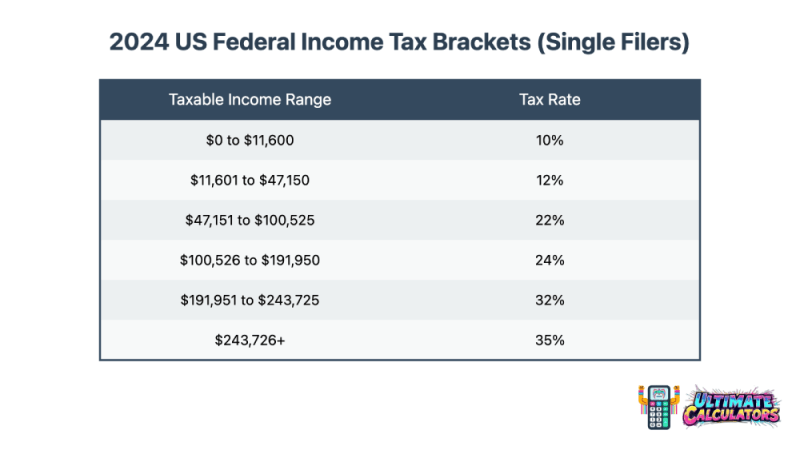
At its core, a Seattle tax calculator functions as a dynamic spreadsheet that cross-references federal, state, and local tax codes. For individuals, the tool typically starts with gross income, applies federal tax brackets, then layers on Washington’s lack of state income tax but includes local deductions (e.g., the $500 property tax exemption for veterans). Property tax calculations, meanwhile, involve assessing the home’s value, applying county-specific rates, and factoring in exemptions like the Senior Freeze Program.For businesses, the process is far more intricate. The B&O tax, for example, categorizes companies into 14 classes (from retail to manufacturing) and applies rates based on gross receipts. A Seattle tax calculator must then account for credits (such as the Research & Development Credit) and deductions (like the Small Business B&O Tax Exemption). Additionally, Seattle’s payroll tax—1.7% for employers—must be integrated, along with potential local utility taxes. The tool’s precision lies in its ability to handle these variables simultaneously, adjusting for changes in law or personal circumstances.
Key Benefits and Crucial Impact
The primary advantage of using a Seattle tax calculator is financial clarity in a system designed to be opaque. For residents, it eliminates the guesswork of estimating property tax bills, which can fluctuate based on reassessments or exemptions. For businesses, it mitigates the risk of underpaying the B&O tax—a common pitfall given the classification complexity. Even for remote workers, the calculator bridges the gap between Seattle’s local taxes and their home state’s regulations, ensuring compliance without overpayment.Beyond compliance, the tool serves as a strategic planning instrument. Homeowners can simulate the impact of renovations on property taxes, while businesses can model the effects of hiring or expanding into new tax classifications. The calculator’s ability to project future liabilities—such as capital gains taxes on asset sales—makes it indispensable for long-term financial strategy.
"Taxes are the price we pay for a civilized society," noted economist Milton Friedman, "but without the right tools, they become an unpredictable burden." In Seattle, where tax policies are both progressive and labyrinthine, a Seattle tax calculator transforms this burden into a manageable variable.
Major Advantages
- Accuracy Across Tax Tiers: Integrates federal, state, and local rates to provide a holistic estimate, reducing errors from siloed calculations.
- Real-Time Adjustments: Updates automatically for legislative changes (e.g., new exemptions or rate adjustments), ensuring users never rely on outdated data.
- Scenario Planning: Allows users to test financial decisions—such as selling a property or restructuring a business—before implementation.
- Compliance Safeguards: Flags potential pitfalls (e.g., misclassified B&O tax revenue) that could trigger audits or penalties.
- Time Efficiency: Replaces manual calculations, which can take hours for complex filings, with instantaneous results.
Comparative Analysis
| Feature | Seattle Tax Calculator | State-Wide WA Calculator |
|---|---|---|
| Scope | Local property taxes, Seattle B&O tax, payroll tax, and city-specific exemptions. | State-level sales tax, business license fees, and limited property tax guidance. |
| Dynamic Updates | Reflects Seattle’s annual budget adjustments and legislative changes. | Lags behind local updates; may not account for city-specific policies. |
| Business Focus | Detailed B&O tax classification and credit analysis. | Basic business license fee estimates; lacks Seattle’s B&O depth. |
| User Customization | Supports remote worker scenarios, property tax exemptions, and capital gains projections. | Limited to broad income and sales tax categories. |

Future Trends and Innovations
The next generation of Seattle tax calculators will likely incorporate artificial intelligence to predict tax impacts based on behavioral data—such as spending patterns or business growth trends. For instance, a tool could flag when a homeowner’s property value crosses into a higher tax bracket or suggest deductions based on past filings. Similarly, businesses may see calculators that integrate with accounting software, pulling real-time revenue data to auto-calculate B&O taxes.Another emerging trend is the rise of "tax equity" calculators, which help users compare their liability against neighborhood averages. As Seattle grapples with wealth disparity, these tools could highlight disparities in property tax burdens or business tax advantages, empowering residents to advocate for policy changes. The evolution of tax estimation tools will thus move beyond mere calculation to become instruments of financial literacy and civic engagement.
Conclusion
Seattle’s tax system is a testament to the city’s commitment to funding public services through targeted levies, but its complexity demands more than basic arithmetic to navigate. A Seattle tax calculator is not just a utility—it’s a financial safeguard, a planning tool, and a bridge between policy and personal finance. For residents and businesses alike, mastering its use means avoiding costly mistakes and leveraging every available deduction or exemption.As Seattle continues to evolve—with new taxes, repealed levies, and shifting economic priorities—the calculator’s role will only grow in importance. The tools of tomorrow will do more than crunch numbers; they’ll anticipate changes, suggest optimizations, and even influence policy by making tax transparency accessible to all. For now, the best Seattle tax calculator remains the one that adapts as swiftly as the city’s own fiscal landscape.
Comprehensive FAQs
Q: Does Seattle have a personal income tax?
A: No, Washington state does not levy a personal income tax, but Seattle compensates through higher property, sales, and business taxes. A Seattle tax calculator will account for these local levies when estimating your total liability.
Q: How often should I update my property tax calculation?
A: Property taxes are reassessed annually in King County, and Seattle’s tax rates may change with city budget adjustments. Recalculate using a Seattle tax calculator at least once per year or after major home improvements.
Q: Can a Seattle tax calculator help with B&O tax classification?
A: Yes. Advanced calculators include dropdown menus for industry classifications (e.g., retail, manufacturing) and apply the corresponding B&O tax rates. Some even flag potential misclassifications that could trigger audits.
Q: Are there exemptions for remote workers using Seattle’s tax system?
A: Remote workers must still comply with Seattle’s payroll tax (1.7%) if their employer has a physical presence in the city. A Seattle tax calculator can model these costs based on your work arrangement and home state’s reciprocal agreements.
Q: What’s the difference between a Seattle tax calculator and a state-wide WA calculator?
A: A Seattle tax calculator includes city-specific rates (e.g., local sales tax, B&O tax), while a state-wide tool may only cover WA’s sales tax and business license fees. For accurate Seattle estimates, always use a local-focused tool.
Q: How does the capital gains tax affect Seattle residents?
A: Washington’s 2021 capital gains tax applies to individuals with taxable income over $250,000 (single) or $500,000 (joint). A Seattle tax calculator can project this liability alongside property and sales taxes for a complete picture.
Q: Can small businesses avoid the B&O tax entirely?
A: No, but some may qualify for exemptions, such as the Small Business B&O Tax Exemption (for businesses with less than $1 million in gross receipts). A Seattle tax calculator can determine eligibility based on your revenue and industry.
Leave a Comment
Comments are moderated before appearing. The data you submit is processed according to the Privacy Policy of versiliasolutions.oneagency.co.