
Is a Verb Reveals Language’s Hidden Power
The sentence "This is a verb" is deceptively simple. At first glance, it appears to be a declarative statement about grammar—a factoid tucked into the margins...
Tag
The sentence "This is a verb" is deceptively simple. At first glance, it appears to be a declarative statement about grammar—a factoid tucked into the margins...

At its core, the definition of "is" is a puzzle of layers. It is both a grammatical copula (linking subject to predicate) and a philosophical operator...

Take the debate over "is innovation worth the risk?" The phrasing itself isn’t innocent. It presupposes a false dichotomy, as if risk and reward exist in...

Their ubiquity is a testament to their efficiency. From the moment a child learns to order numbers, these symbols become second nature, embedding themselves...

Consider the contrast: A therapist might explain why trauma lingers, but the patient still wonders how to rebuild trust. A CEO outlines what innovation...

Yet few recognize the hidden architecture of mechanism spelling —the interplay of historical conventions, cognitive shortcuts, and systematic deviations that...

Yet for all its ubiquity today, the term itself is often misapplied. Many conflate meditation with passive daydreaming or fleeting moments of calm, unaware...

What makes the meta message so potent is its dual nature: it’s both a tool and a trap. On one hand, it allows creators to embed meaning beyond the literal...

What makes Morgan’s Law particularly relevant today is its dual nature : it’s both a diagnostic tool and a predictive framework. In an era where AI models...

The study of this system bridges linguistics, cognitive science, and philosophy, challenging the notion that language is purely a social construct. Instead, it...
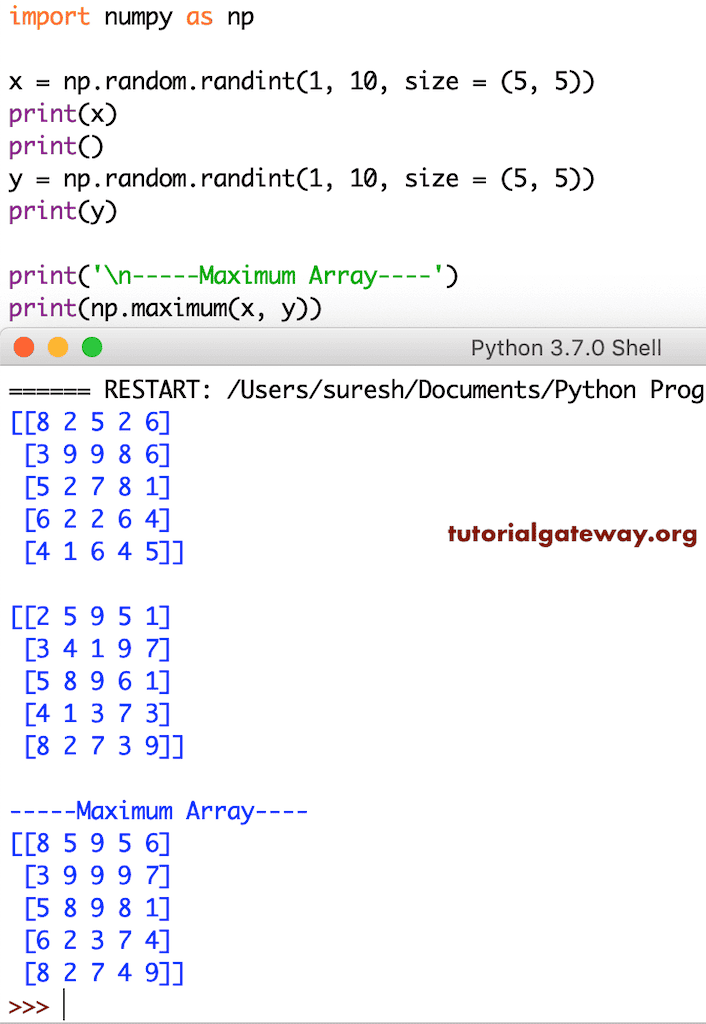
What makes NP maximum fascinating is its duality. On one hand, it’s a hard constraint—an upper bound on what’s feasible given current resources. On the other...

Consider the difference between "accident" and "negligence." One absolves; the other assigns fault. The operative word meaning here isn’t just a label—it’s a...

Consider the difference between "tax relief" and "tax cuts." The former frames the benefit as a gesture of fairness; the latter positions it as a tangible...

This concept operates in duality: as a cognitive tool (editing ideas), a systemic process (breaking down complexity), and an aesthetic principle (negative...

Consider the contrast between "generate revenue" and "yield profits." The latter carries connotations of inevitability, almost a natural harvest, while the...

The ubiquity of personification reveals its dual nature: it’s both a linguistic trick and a psychological necessity. Studies in cognitive science confirm that...

Yet for all its ubiquity, processing remains misunderstood. Many conflate it with passive absorption—assuming it’s a static state rather than an active, often...

Yet the concept extends far beyond hardware. In psychology, the projection matrix manifests as the lens through which individuals filter external stimuli...

Yet despite its ubiquity—from children’s books to film soundtracks—this linguistic phenomenon remains underexplored in mainstream discourse. Most studies focus...

Consider the real estate market, where realty represents physical assets but also symbolic value—homes aren’t just structures; they’re stories of security...