
Why Your Baby’s Nighttime Cough Won’t Stop—and How to Fix It
What makes nighttime coughing particularly alarming is its correlation with sleep apnea in infants, where disrupted breathing patterns can mimic or exacerbate...
Tag
What makes nighttime coughing particularly alarming is its correlation with sleep apnea in infants, where disrupted breathing patterns can mimic or exacerbate...

The human ear is remarkably sensitive to the nuances of infant breathing. A baby who sounds congested may produce a high-pitched whistle (wheezing), a gurgling...

What’s less discussed is the why behind these warnings. Infant physiology differs drastically from adults: their respiratory systems are still developing...

Parents often describe the scene vividly: a previously peaceful baby suddenly wakes gasping, their tiny chest heaving with each cough, only to fall back into a...

The first 12 weeks of life mark a critical developmental window where a baby’s immune system is still maturing. While a 4-month-old’s congestion might stem...

What makes newborns with colds under 3 months particularly high-risk isn’t just the cold itself, but the physiological constraints of their tiny bodies. Nasal...

The ambiguity surrounding "baby breathing fast" stems from its dual nature: a common occurrence in healthy infants and a potential harbinger of...

What separates a harmless variation of infant respiration from an emergency? The answer isn’t as simple as a breath-count threshold. Neonatal respiratory...

Medical literature describes these sounds as coarse breath sounds or rhonchi , terms that sound clinical but mask the raw fear they evoke. The human ear is...

The science behind infant coughs is rooted in physiology. Unlike adults, babies lack fully developed immune responses and have narrower airways, making...

The challenge lies in distinguishing between a benign dry cough in infants and one that demands urgent medical attention. A cough triggered by postnasal drip...

What distinguishes a baby’s dry cough at night from mere teething discomfort or seasonal allergies? The key lies in the timing, sound, and accompanying...

What makes nighttime congestion worse is the physiological reality of infant anatomy. A baby’s nasal passages are narrow, and any swelling—whether from...

What makes bronchitis in babies particularly alarming is its rapid progression. Unlike in adults, where symptoms might smolder for weeks, infants can...
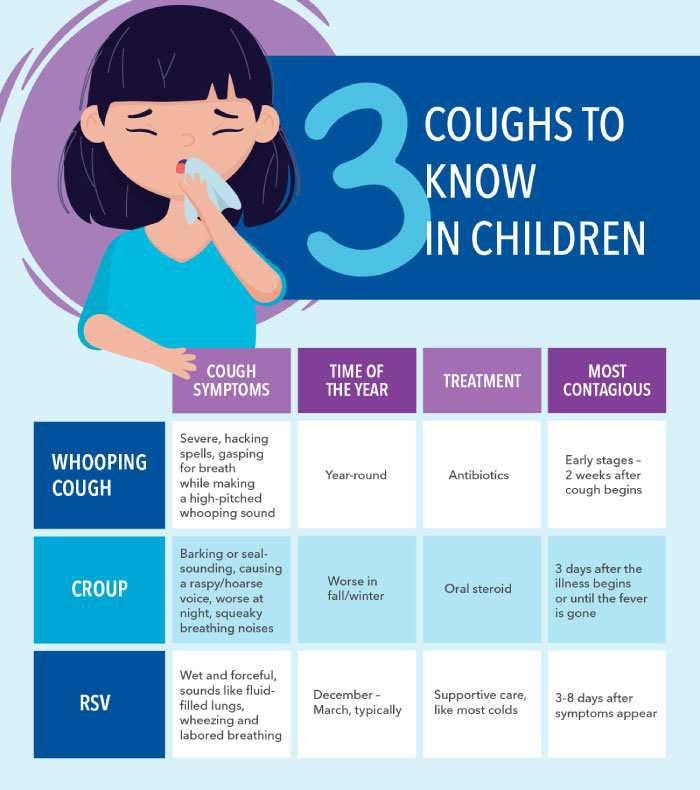
The problem deepens when coughs persist beyond the typical 2–3 week window of viral infections. Pediatricians frequently encounter cases where parents describe...

What makes baby congestion particularly tricky is its multifaceted nature. Unlike adults, infants can’t blow their noses or cough productively, forcing parents...

Every parent’s instinct is to shield their child from harm, yet the flu in infants presents a unique challenge: symptoms often emerge differently than in...