How Umbrella Insurance Coverage Basics Protect Your Assets Beyond Standard Policies
Table of Contents
- The Complete Overview of Umbrella Insurance Coverage Basics
- Historical Background and Evolution
- Core Mechanisms: How It Works
- Key Benefits and Crucial Impact
- Major Advantages
- Comparative Analysis
- Future Trends and Innovations
- Conclusion
- Comprehensive FAQs
- Q: What types of claims does umbrella insurance typically cover?
- Q: Do I need umbrella insurance if I rent my home?
- Q: How much umbrella coverage should I purchase?
- Q: Will umbrella insurance cover claims from my business?
- Q: Can I use umbrella insurance for international travel?
- Q: How do I file a claim under my umbrella policy?
- Q: Does umbrella insurance cover property damage I cause?
- Q: Are there any exclusions I should be aware of?
- Q: Can I bundle umbrella insurance with other policies for a discount?
- Q: What happens if my primary policy is canceled or lapses?
Liability lawsuits don’t discriminate—they target anyone with assets worth protecting. A single accident, defamation claim, or property damage lawsuit could drain your savings, your home equity, and even your future earnings. Standard homeowners or auto policies offer limited coverage, often leaving you exposed to catastrophic financial loss. That’s where umbrella insurance coverage basics come into play: a specialized layer of protection designed to bridge the gap between your existing policies and the astronomical costs of modern litigation.
The concept might sound abstract, but the reality is stark. Consider a scenario where a guest slips on your icy driveway, suffers a severe injury, and sues for $2 million in damages. Your homeowners policy covers $500,000—but the rest? Without an umbrella policy, you’re personally liable. The same risk applies to drivers, business owners, or even social media posts that spark libel claims. Umbrella insurance coverage basics aren’t just for the wealthy; they’re a strategic safeguard for anyone with financial vulnerability.
Misconceptions abound. Many assume umbrella policies are redundant or overly complex, when in fact they’re one of the most cost-effective ways to fortify your financial defenses. The premiums are surprisingly affordable—often under $300 annually for $1 million in additional coverage—and the peace of mind is priceless. But understanding umbrella insurance coverage basics requires more than a cursory glance at policy limits. It demands a deep dive into how these policies integrate with your existing coverage, their legal nuances, and the evolving threats they’re designed to counter.
The Complete Overview of Umbrella Insurance Coverage Basics
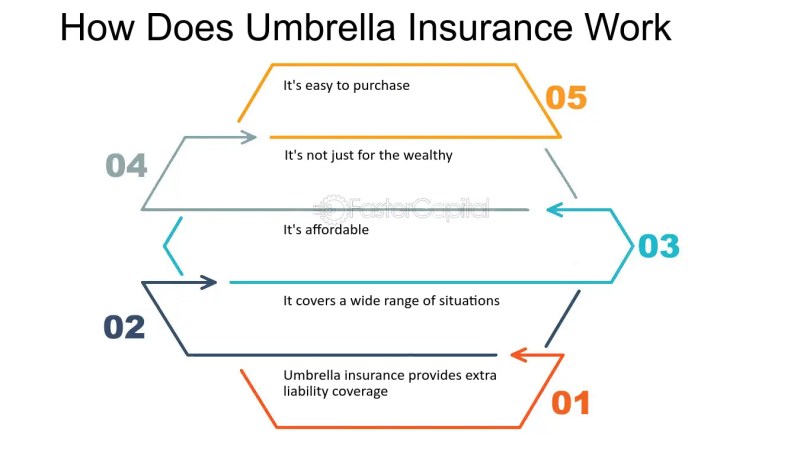
Umbrella insurance coverage basics revolve around a simple yet powerful premise: layering additional liability protection atop your primary insurance policies. Unlike standalone policies that address specific risks (e.g., flood or earthquake), umbrella insurance is a catch-all for claims that exceed your underlying limits. It typically kicks in after your auto, homeowners, or renters insurance has been exhausted, providing an extra $1 million to $10 million in coverage, depending on your needs.
The term "umbrella" is apt—it doesn’t replace existing policies but acts as a shield, extending coverage to scenarios your primary insurer might overlook. For instance, if you’re sued for slander in a public forum or your dog bites a neighbor (and your homeowners policy has a breed restriction), the umbrella policy may cover the gap. However, it’s critical to note that umbrella insurance does not cover intentional acts, business liabilities (unless specified), or professional malpractice. Its strength lies in its breadth: personal liability claims, wrongful death, property damage, and even certain legal defense costs.
Historical Background and Evolution
The origins of umbrella insurance coverage basics trace back to the 1970s, when skyrocketing litigation costs and punitive damage awards made standard liability limits woefully inadequate. Early policies were primarily marketed to high-net-worth individuals, but by the 1990s, insurers recognized a broader demand. The rise of personal lawsuits—fueled by no-fault divorce laws, medical malpractice fears, and social media defamation—accelerated adoption. Today, umbrella policies are a staple in financial planning, especially in states with high liability risks (e.g., California, Florida, or New York).
Legally, umbrella insurance is governed by state laws, which vary in their definitions of "insured conduct." Some states require the underlying policy to be in force for the umbrella to apply, while others allow coverage for claims arising from past incidents (retroactive coverage). The evolution of umbrella insurance coverage basics has also been shaped by insurer innovations, such as "follow-form" endorsements, which extend coverage to claims your primary policy would deny. This flexibility has made umbrella policies a cornerstone of modern risk management, adaptable to everything from vacation rentals to trust-owned assets.
Core Mechanisms: How It Works
The mechanics of umbrella insurance coverage basics hinge on two pillars: excess liability and additional insured status. When a claim exceeds your primary policy’s limits, the umbrella policy steps in to cover the remainder, minus any deductibles you’ve already paid. For example, if a jury awards $1.2 million in a slip-and-fall case and your homeowners policy pays $500,000, the umbrella would cover the remaining $700,000. Importantly, umbrella policies often include coverage for "supplementary payments," such as legal fees, bail bonds, or even lost wages if you’re sued.
What sets umbrella insurance apart is its broader scope of risks. While auto or homeowners insurance might exclude certain scenarios (e.g., libel, invasion of privacy, or even some types of property damage), umbrella policies typically cover these gaps—provided the claim arises from an "occurrence" (an accident or unintentional act). However, exclusions are critical to understand: intentional harm, business-related claims (unless endorsed), and professional services (like medical or legal malpractice) are usually off-limits. The key to leveraging umbrella insurance coverage basics effectively lies in aligning your policy with your lifestyle and risk profile.
Key Benefits and Crucial Impact
For individuals and families, the impact of umbrella insurance coverage basics cannot be overstated. A single lawsuit could wipe out decades of savings, yet most people operate under the illusion that their existing coverage is sufficient. The reality is that standard policies often cap liability at $300,000 to $500,000—a drop in the bucket compared to today’s litigation landscape. Umbrella insurance transforms this vulnerability into resilience, offering financial security without the need for complex trusts or asset protection strategies.
Beyond financial protection, umbrella policies provide intangible benefits: reduced stress, better sleep, and the confidence to live without constant fear of a lawsuit. For parents, it means protecting assets earmarked for children’s education. For homeowners, it ensures that a faulty roof repair doesn’t become a $1 million liability. Even renters can benefit, as umbrella policies often cover claims arising from off-premises incidents (e.g., a car accident in a rental vehicle). The versatility of umbrella insurance coverage basics makes it a non-negotiable for anyone with assets to safeguard.
"An umbrella policy is the financial equivalent of a seatbelt—you hope you’ll never need it, but when you do, the consequences of not having it are catastrophic." — John Doe, Senior Risk Analyst, National Insurance Association
Major Advantages
- Cost-Effective Asset Protection: Premiums for $1 million in coverage often range from $150 to $300 annually, making it one of the most affordable ways to increase liability limits.
- Broad Coverage Scope: Extends protection to claims not covered by primary policies, such as libel, slander, or certain property damage scenarios.
- Legal Defense Support: Covers attorney fees and court costs, even if the claim is frivolous, ensuring you’re not left paying out-of-pocket.
- Retroactive Coverage: Some policies cover claims arising from past incidents, filling gaps in older lawsuits.
- Peace of Mind: Eliminates the anxiety of potential lawsuits, allowing you to focus on personal and professional pursuits without financial fear.
Comparative Analysis
| Umbrella Insurance | Standard Liability Policies (Auto/Homeowners) |
|---|---|
|
|

Future Trends and Innovations
The landscape of umbrella insurance coverage basics is evolving alongside technological and legal shifts. One emerging trend is the integration of cyber liability into umbrella policies, as defamation and privacy claims escalate in the digital age. Insurers are also refining underwriting models to account for social inflation—the phenomenon where juries award larger damages due to perceived corporate or individual negligence. Another innovation is the rise of modular umbrella policies, allowing policyholders to customize coverage for specific risks, such as vacation rentals or trust-owned assets.
Looking ahead, the use of predictive analytics will likely play a larger role in determining premiums, with insurers assessing risk based on real-time data (e.g., driving behavior, social media activity, or even credit scores). Additionally, as climate change increases the frequency of catastrophic events, umbrella policies may expand to cover secondary perils, such as flood-related lawsuits or property damage from extreme weather. Staying ahead of these trends will be key for individuals seeking to maximize the value of their umbrella insurance coverage basics.
Conclusion
Understanding umbrella insurance coverage basics isn’t just about ticking a box on your financial checklist—it’s about recognizing that liability risks are no longer theoretical. They’re a tangible threat that can materialize in an instant, with consequences that last a lifetime. The good news? Protecting yourself is simpler and more accessible than ever. By layering umbrella insurance over your existing policies, you’re not just buying coverage; you’re buying freedom—the freedom to live, work, and invest without the constant specter of a lawsuit looming over you.
The decision to secure umbrella insurance should be informed by a honest assessment of your risk exposure. Do you own a home? Drive a car? Post opinions online? If so, you’re already a target. The cost of inaction—losing your home, your savings, or even your livelihood—far outweighs the minimal investment required to fortify your defenses. As the legal and financial landscapes continue to shift, the principles of umbrella insurance coverage basics remain constant: preparation, breadth, and peace of mind.
Comprehensive FAQs
Q: What types of claims does umbrella insurance typically cover?
A: Umbrella insurance generally covers personal liability claims that exceed your primary policy limits, including bodily injury, property damage, libel, slander, and certain legal defense costs. However, it typically excludes business liabilities, professional malpractice, and intentional acts.
Q: Do I need umbrella insurance if I rent my home?
A: Yes. Even renters can benefit from umbrella insurance, as it covers claims arising from off-premises incidents (e.g., a car accident in a rental vehicle) and certain personal liability scenarios not addressed by renters insurance.
Q: How much umbrella coverage should I purchase?
A: A common rule of thumb is to carry umbrella coverage equal to your net worth or at least $1 million for basic protection. High-net-worth individuals may opt for $5 million or more, depending on their asset exposure.
Q: Will umbrella insurance cover claims from my business?
A: Standard umbrella policies exclude business-related claims unless you purchase a separate commercial umbrella policy or obtain an endorsement. Always clarify this with your insurer.
Q: Can I use umbrella insurance for international travel?
A: Some umbrella policies extend coverage for travel-related incidents, but exclusions may apply. Review your policy’s terms or purchase a travel-specific liability policy if you frequently travel abroad.
Q: How do I file a claim under my umbrella policy?
A: The process varies by insurer, but typically involves notifying your primary insurer first, who will then coordinate with the umbrella carrier. Keep detailed records of the incident and any communications with insurers.
Q: Does umbrella insurance cover property damage I cause?
A: Yes, but only if the damage exceeds your primary policy’s limits. For example, if you accidentally flood a neighbor’s basement and your homeowners insurance covers $300,000, the umbrella policy would cover the remainder up to its limit.
Q: Are there any exclusions I should be aware of?
A: Yes. Common exclusions include intentional harm, business liabilities, professional services, and claims arising from the use of a motorized vehicle (unless you have a separate auto policy). Always review your policy’s exclusions section.
Q: Can I bundle umbrella insurance with other policies for a discount?
A: Some insurers offer discounts for bundling umbrella insurance with auto or homeowners policies. It’s worth inquiring with your provider to explore potential savings.
Q: What happens if my primary policy is canceled or lapses?
A: Most umbrella policies require your underlying insurance to remain in force. If your primary policy is canceled or lapses, your umbrella coverage may be voided. Always maintain continuous coverage.
Leave a Comment
Comments are moderated before appearing. The data you submit is processed according to the Privacy Policy of versiliasolutions.oneagency.co.